Illustrative image
Vietnam boasts a dynamic duo of underground “golden treasures” in the form of ginger and turmeric. While ginger is a common, affordable staple in Vietnam, it’s highly sought after and valued in international markets. According to preliminary data from the Vietnam Pepper and Spice Association (VPSA), by the end of September 2025, Vietnam exported a total of 17,672 tons of ginger, turmeric, and other spices, generating $48.3 million in revenue. Compared to the same period in 2024, export volume decreased by 19.1%, but export value increased by 7.7%, indicating higher returns per ton.
Synthiet Vietnam, Expo Commodities, and Phuc Loi are the top three exporters of these products in Vietnam. Key export markets remain India, China, and several European countries. Experts attribute the growth in export value despite reduced volume to stable import demand and improved product quality, leading to higher selling prices.
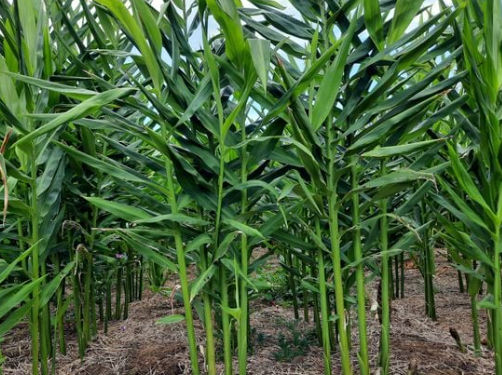
Vietnam is a leading producer of ginger and turmeric in Southeast Asia, with approximately 45,000 hectares dedicated to these crops, primarily in provinces such as Quang Ngai, Nghe An, Lam Dong, and Gia Lai. In 2025, the harvest is estimated at 120,000 tons of ginger and 80,000 tons of turmeric, serving both domestic and international markets.
Beyond their economic value, ginger and turmeric are prized for their health benefits. Ginger aids digestion, reduces inflammation, boosts immunity, and alleviates cold symptoms, while turmeric’s active compound, curcumin, offers antioxidant, anti-inflammatory, and cardiovascular support. These attributes enhance Vietnam’s competitiveness in the global market, particularly in premium segments.
VPSA reports that global demand for ginger and turmeric is rising in Asia and Europe, while supply challenges in major producing countries due to climate change present an opportunity for Vietnam to strengthen its position in the spice export market. Leveraging its quality, stable production, and value-added potential, Vietnam is well-positioned to capitalize on this trend.
However, exporters face competition from other producing nations and must ensure stable supply chains and cost-effective logistics to maintain their market edge. Building brand reputation and maintaining product quality are critical for deeper penetration into high-potential markets.
Currently, Vietnam ranks third globally in spice supply and processing, following India and China, with 14 advanced deep-processing facilities. Despite the decline in export volume, the upward trend in export value underscores the spice industry’s resilience and growth in value. This momentum opens avenues for enhancing brand credibility and further tapping into international market potential in the coming years.