














Deputy Chairman of the Hanoi People’s Committee, Duong Duc Tuan, has signed and issued a decision to ensure order, safety, and environmental hygiene during the construction of projects across Hanoi.
This decision aims to maintain order, safety, and environmental hygiene throughout the construction, demolition, repair, and renovation of structures, as well as during the transportation of components, construction materials, and waste within Hanoi. It applies to all departments, agencies under the Hanoi People’s Committee, district-level People’s Committees, investors, contractors, and individuals involved in construction activities.
Hanoi outlines a general principle: construction activities must ensure the safety of people, equipment, and structures within the construction area and its surroundings. Measures must be in place to prevent, mitigate, and respond promptly to potential incidents.
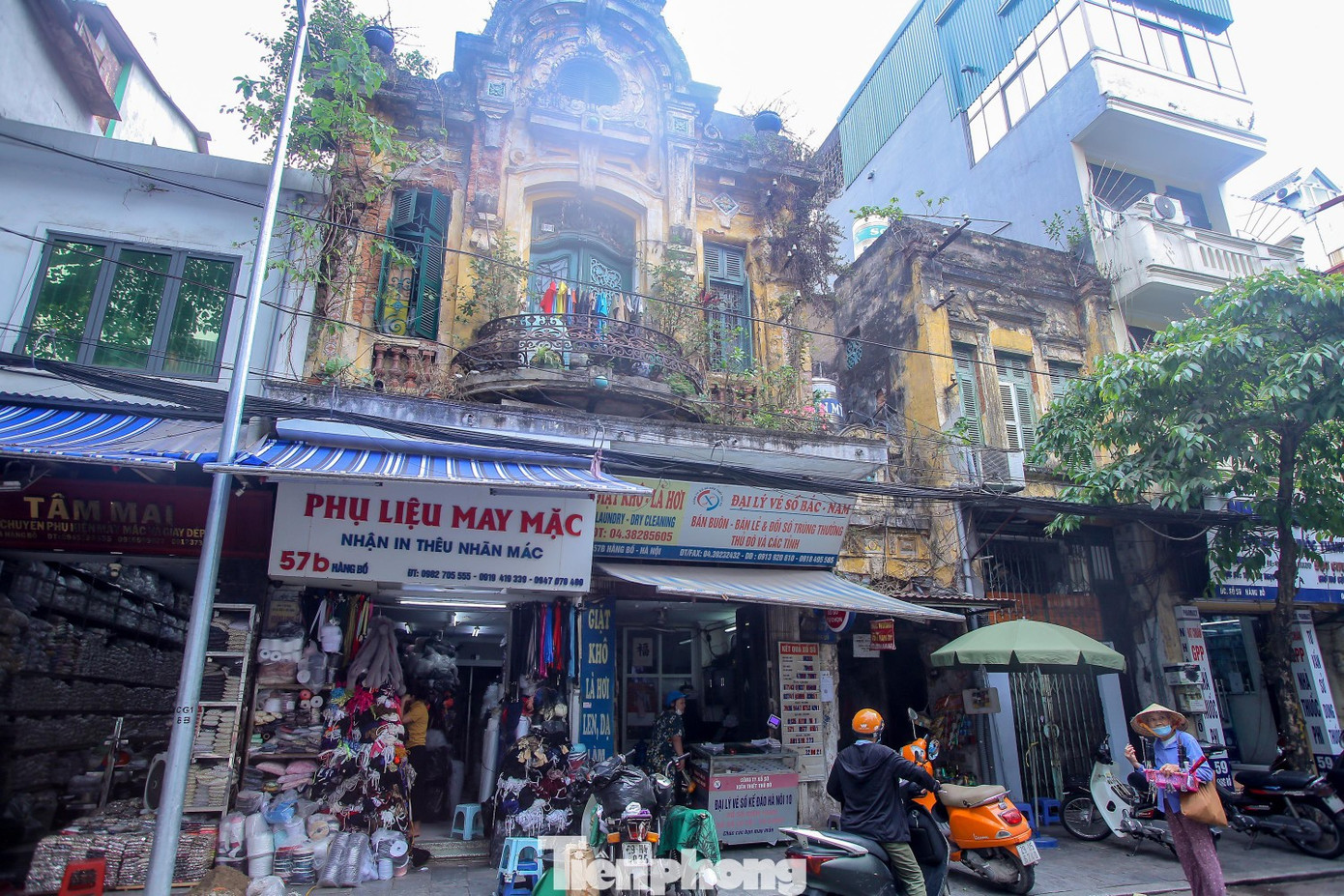
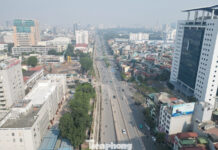
Hanoi’s Old Quarter
Construction must ensure the safety of adjacent structures and surrounding technical infrastructure. Any damage caused to neighboring structures during construction must be compensated and rectified in accordance with regulations.
Environmental hygiene must be maintained throughout construction. Comprehensive measures must be implemented at each stage, including waste collection, packaging, transportation, treatment, and recycling, to minimize dust, noise, vibrations, and other pollutants that may adversely affect the environment and local residents.
All construction activities must comply with current technical standards, regulations, and legal requirements, as well as directives from relevant state management agencies regarding safety and environmental hygiene.
In addition to general regulations, the Hanoi People’s Committee requires investors to clearly outline construction timelines, transportation routes, and material storage locations in their construction plans for projects in the Old Quarter, historic streets, and urban areas. Investors must install fences, signage, and traffic signals, and implement measures to ensure traffic safety. Construction materials, vehicles, and equipment must not encroach on roads or sidewalks beyond permitted areas. Notably, construction projects in these areas must implement measures to reduce dust, noise, and vibrations, particularly between 12:00 PM and 1:00 PM, and from 10:00 PM to 5:00 AM, except in emergencies.
For projects near classified historical and cultural sites or landmarks, investors must develop specific plans to avoid impacting the site’s space, landscape, views, or architectural and aesthetic value. Construction methods must minimize vibrations, noise, dust, and other negative effects. On-site supervisors must coordinate with heritage management authorities throughout the construction process.
For technical infrastructure projects (water supply, drainage, electricity, telecommunications, lighting, and transportation), investors must ensure uninterrupted and safe operation of existing systems during construction. Upgrades and renovations must seamlessly integrate with the current technical infrastructure network.
Unprecedented: Hanoi Advances 4,560-Hectare Sports Urban Zone Near North-South High-Speed Rail and Ring Road 4
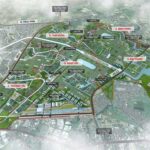
The newly approved master plan for the Olympic Sports Urban Subdivision – Zone B spans an impressive 4,560 hectares, with a planning horizon set until 2045 and a visionary outlook extending to 2065.
Mê Linh Emerges as a Hotspot for Real Estate Investors with Hanoi’s Most Expensive Double-Decker Bridge and Connecting Road Network
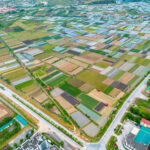
Nestled in the burgeoning Me Linh urban area, residents enjoy seamless connectivity to Hanoi’s city center via National Highway 2, Ring Road 3, and the iconic Thang Long and Nhat Tan bridges. Future developments promise enhanced accessibility with two additional bridges, two new ring roads, and two metro lines, further solidifying its status as a premier urban hub.
Billionaire Trần Bá Dương’s Northern Footprint: From the 24,000m² Thiso Mall to a $120M High-Rise Near the Ministry of Public Security and a $90M Industrial Park in Hưng Yên

Thaco Group (Truong Hai Corporation) is making significant strides in expanding its land holdings and developing large-scale real estate projects in the Northern market, encompassing both commercial services and a 194-hectare industrial zone.
Four Seasons Avenue: Invest at the Crest, Reap Peak Profits

Step into the golden era of Hanoi’s Eastern District, where a wave of billion-dollar infrastructure projects is magnetizing investment capital to Ocean City. At the heart of this megacity, Four Seasons Boulevard emerges as the “Wall Street” of the East—a hub of immense profit potential and prime opportunities to ride the crest of lucrative returns from the ground up.
Critical Announcement Regarding 8 Million Vehicles in Hanoi

The Hanoi Police Department has launched a high-priority initiative targeting the city’s 8 million vehicles, aiming to enhance traffic management and safety across the capital.