










As of November 6th, the Ministry of Finance reported to the Prime Minister that 29 central agencies and 17 localities had disbursement rates below the national average of 54.9%. Notably, some central agencies have yet to disburse funds, with a few ministries achieving less than 10% of their allocated plans.
Localities fared better, with an average disbursement rate of 57.2%, surpassing the national average. However, disparities exist, as seen in Lai Chau (23.8%) and Lam Dong (29.8%), which lag behind other regions.
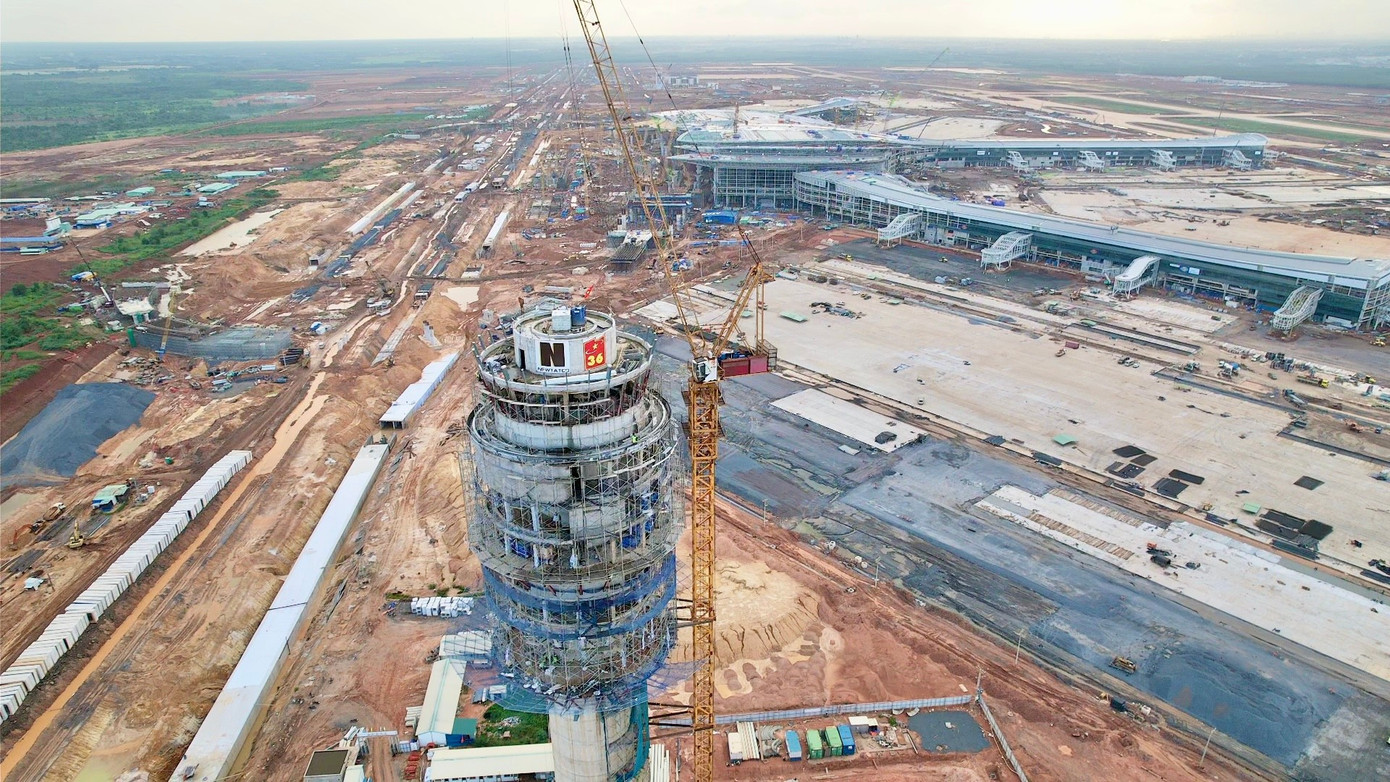
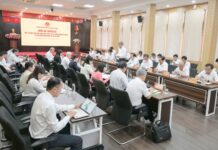
By November 6th, the nation had disbursed VND 495 trillion in public investment capital. Photo: VGP.
Disbursement delays in provinces like Nghe An and Dien Bien stem from additional capital allocations approved by the Prime Minister in October, requiring more time for procedural completion. Excluding these supplements, their disbursement rates would exceed the national average.
Similarly, Dong Nai’s disbursement rate would reach 60% if excluding the North-South Expressway project’s extended disbursement period until 2026, valued at over VND 8 trillion.
Ms. Phi Huong Nga, Head of Industrial and Construction Statistics at the General Statistics Office, emphasized the critical role of public investment disbursement in achieving the 8% GDP growth target for this year.
With substantial capital yet to be disbursed in the final two months, challenges arise from adverse weather conditions, prolonged land clearance, and limited capacity in contractor selection, investment procedures, and project supervision.
Additionally, soaring material costs, supply shortages of construction materials like sand, and delays in investment preparation due to land procedures and zoning adjustments hinder progress. The implementation of the two-tier local government model since July has also impacted project timelines.
To accelerate year-end progress, Ms. Nga advocates for decisive leadership. Ministries, localities, and investors must expedite project implementation, prioritizing ongoing and newly commenced projects with completed procedures. Critical, near-completion projects should receive focused attention.
The Statistics Office stresses accountability in investment decisions, minimizing adjustments during implementation. Detailed weekly, monthly, and quarterly plans, coupled with rigorous monitoring, are essential to address bottlenecks, particularly in land compensation.
Accelerated land clearance and ensuring material supply for key projects, especially national transport initiatives, are imperative. Ms. Nga urges reallocating funds to efficient, fast-disbursing projects capable of 2025 completion but lacking sufficient capital.
Mr. Le Tien Dung, Deputy Director of the Infrastructure Development Department at the Ministry of Finance, highlighted the establishment of eight task forces led by government leaders to address disbursement challenges directly with ministries and localities since the year’s outset.
“We urge localities to assign specific leaders to monitor project progress, promptly resolve issues, and develop detailed disbursement plans for each project, ensuring weekly, monthly, and quarterly investment disbursement control,” Mr. Dung emphasized.
Unlocking Public Investment Disbursement: Localities Navigate Post-Merger Challenges
After 10 months, public investment disbursement has only reached over 52% of the planned target. Many localities, following mergers, have yet to fully reorganize their apparatus and lack dedicated project management units, which has significantly impacted disbursement progress.
Accelerating Public Investment Disbursement in the Final Two Months of the Year: Ministry of Construction’s Urgent Call to Action

With a public investment capital disbursement rate of only 51% after 10 months, Minister of Construction Tran Hong Minh has urged project investors to allocate professional personnel to address documentation bottlenecks, ensure efficient project settlement, and accelerate public investment capital disbursement.
Billion-Dollar Vietnam-Cambodia Highway Reaches Major Milestone

In just four months, the nearly 20,000-billion-VND expressway connecting Vietnam’s wealthiest city to Cambodia will reach a significant milestone.
Ho Chi Minh City’s Economy Shows Robust Growth
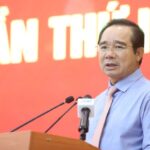
Alongside production, consumption, and exports, Ho Chi Minh City has successfully unlocked the key to public investment disbursement, paving the way to achieve its ambitious 8.5% growth target by 2025.
Ho Chi Minh City Aims for 8.5% Growth, Accelerating Public Investment Disbursement
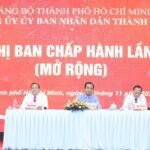
The Chairman of the Ho Chi Minh City People’s Committee has called for a focused effort to propose key solutions and critical tasks aimed at boosting economic growth, striving to achieve a target of 8.5% by 2025.