















Streamlining Target Groups for Social Housing
The Ministry of Construction has issued Circular No. 32/2025/TT-BXD, amending and supplementing Circular 05/2024/TT-BXD, marking a significant step in reforming administrative procedures—a long-standing bottleneck in social housing policies.
The core of Circular 32 focuses on amending Articles 6 and 8 of Circular 05, redefining the forms used to verify eligibility and income conditions when applying for social housing purchases or rentals.
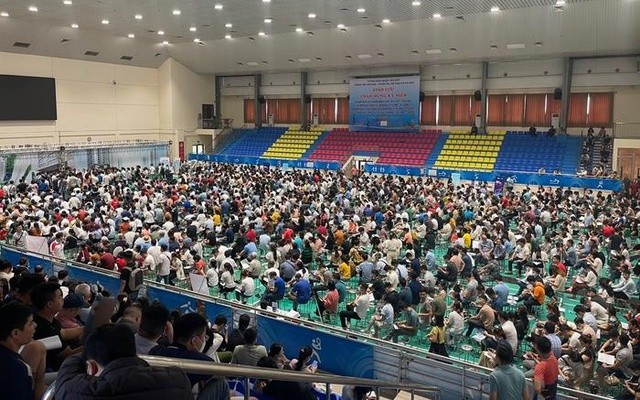
The Ministry of Construction has reclassified forms from 01 to 05, specifying which form each target group should use. Additionally, an integrated form for verifying eligibility and income has been introduced, significantly reducing administrative burdens and saving time and costs for citizens. Pictured: Long queues of people waiting to draw lots for social housing at NHS Trung Văn in May 2023.
The most notable change is the reallocation of functions for Form 01 and the introduction of Form 01a. The revised Form 01 now applies to specific groups, including those who have returned government housing, households affected by land reclamation, students, and notably, freelance workers (under Clause 5, Article 76 of the Housing Law)—individuals without employment contracts or pension payments from social insurance agencies.
Including freelance workers in Form 01 is appropriate, as they lack employers to verify their income, with verification authority resting with the commune-level People’s Committee.
Meanwhile, the newly introduced Form 01a is a significant highlight, as it is the first “2-in-1 integrated form” designed by the Ministry of Construction to verify both eligibility and income. This form applies to the three most common groups: low-income individuals with employment relationships, workers, and civil servants.
Using a single form allows workers to obtain verification from their employer or workplace in one step, eliminating the need for two separate documents as previously required. This reform is considered a substantial improvement, significantly reducing societal costs.
Circular 32 also adds Clause 2a to Article 8, detailing income verification authority for retired civil servants. Retirees can now seek verification from the social insurance agency paying their pension or the commune-level People’s Committee where they reside.
This clear delineation of responsibilities ends the previous cycle of retirees being passed between offices for verification.
Official Guidelines for Income Verification of Freelance Workers
Alongside the introduction of Form 01a, Circular 32 restructures income verification forms.
Specifically, Form 01a applies to low-income individuals with employment relationships, workers, and civil servants (Clauses 5, 6, and 8 of Article 76); the revised Form 04 is for military personnel; and the revised Form 05 is for freelance workers.
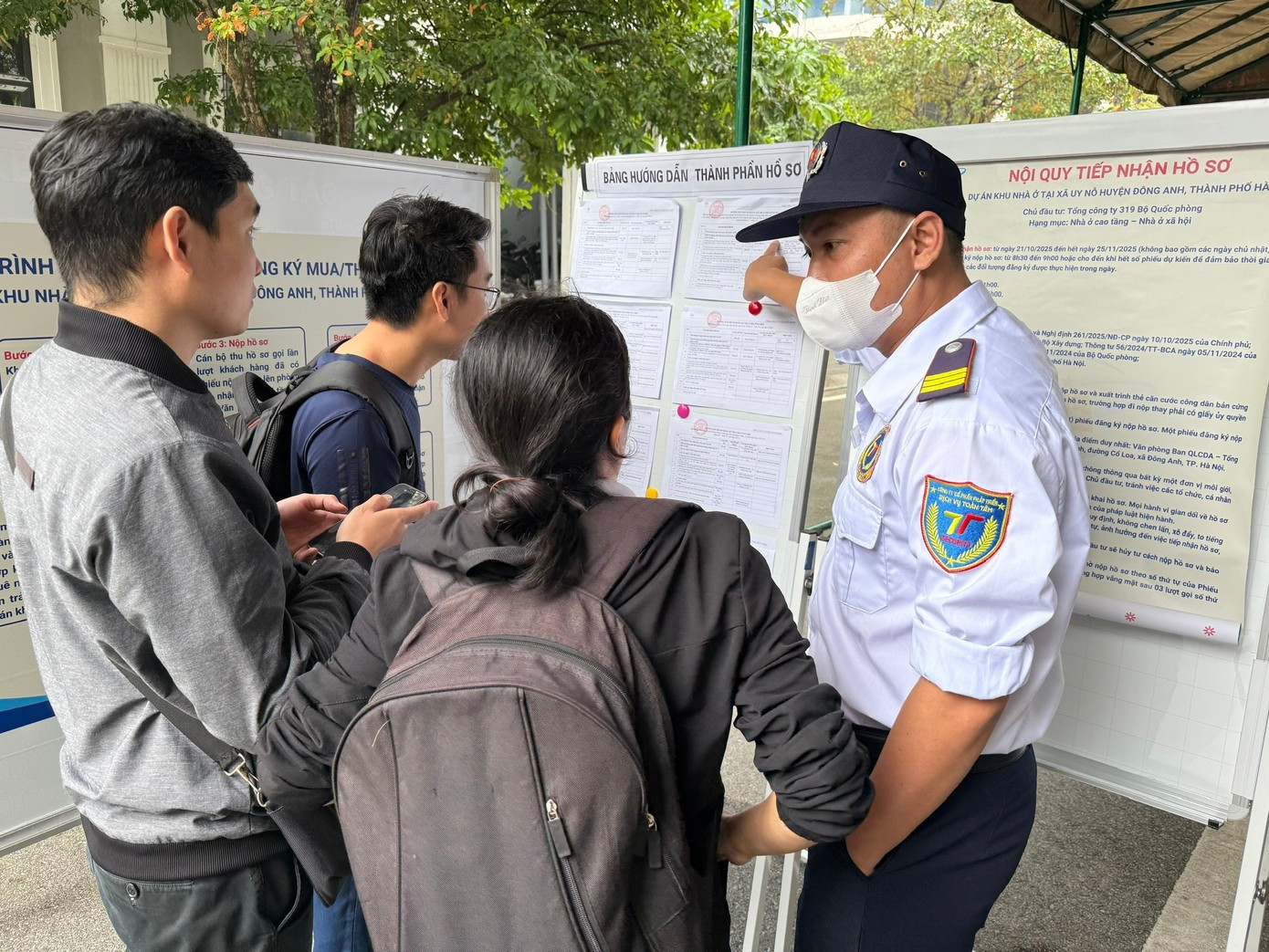
Official guidelines and forms for income verification of freelance workers without employment contracts are now available.
A notable requirement in Circular 32 is that if the applicant is married, their spouse must also declare income using the corresponding form. This ensures that eligibility is assessed based on total household income, preventing underreporting or legal loopholes.
Furthermore, all revised forms (01, 01a, 02, 03, 04, 05) have a six-month validity period, ensuring that application information remains current and accurate.
Among the primary beneficiaries of Circular 32, freelance workers—a significant demographic in urban areas—gain the most from these reforms.
Mr. Hoàng Văn Sơn (Thanh Trì Commune, Hanoi), a delivery worker for a tech company, shared that he was struggling with income verification while applying for social housing.
According to Government Decree No. 261/2025/NĐ-CP (effective from October 10, 2025), individuals without employment contracts can have their income verified by the local police authority where they reside or are temporarily registered.
“However, the local police said they didn’t have the necessary forms or clear instructions. After waiting for guidance for over a month, the availability of forms and clear instructions has finally opened doors for freelance workers like us,” he said.
Many freelance workers noted that having a dedicated form and clear verification authority makes the process transparent and consistent, avoiding the previous issues of varying local practices that often delayed applications.
Experts believe that the introduction of the integrated Form 01a and clear verification authority for each group will save time, reduce administrative costs, and enhance the uniformity of social housing policy implementation nationwide.
For detailed information on Circular 32/2025/TT-BXD, click here.
Upcoming Special Mechanism to Address Challenges in Social Housing Development

To address the challenges and obstacles arising from legal regulations on social housing development, Deputy Minister of Justice Nguyễn Thanh Tú emphasized the critical need for a new Resolution.
Hanoi’s Social Housing Prices Skyrocket Nearly 5x, Surpassing 70 Million VND/m² in Some Areas

After 5-10 years of occupancy, numerous social housing projects in Hanoi have seen their prices surge by 3-5 times, surpassing 70 million VND per square meter. Newly launched projects are also priced at around 30 million VND per square meter, making the dream of affordable housing increasingly out of reach for low-income earners.
Desolate and Wasted: The Haunting Abandonment of Hanoi’s District 7 Resettlement Towers
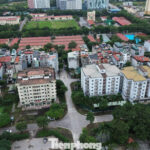
Completed in 2013, the Kieu Mai Resettlement Area remains a ghostly sight, with all seven of its buildings and hundreds of apartments sitting vacant and unused, a stark symbol of wasted potential.
Unlocking Affordable Housing Development: Addressing Critical Challenges

According to experts, social housing policies can only be effective when Vietnam establishes a transparent market mechanism, adopts modern digital management and governance practices, and genuinely encourages business participation. Without these measures, the dream of stable housing for millions remains elusive.
Cracking Down on Social Housing Exploitation: What Penalties Are Needed to Deter Abuse?
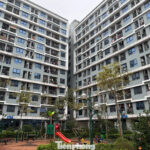
The Ministry of Construction has proposed increasing fines to 80-120 million VND for misusing social housing. Experts argue that while stricter penalties are necessary to deter policy exploitation and ensure these homes reach those in genuine need, the current fines remain insufficiently deterrent. They advocate for additional post-audit measures to strengthen enforcement.