As of November 15th, the national piglet price hovers between VND 46,000 and VND 50,000 per kilogram. Northern regions report prices mainly between VND 47,000 and VND 49,000 per kg, Central and Central Highlands regions between VND 46,000 and VND 49,000 per kg, and Southern regions between VND 47,000 and VND 50,000 per kg. In many areas, prices have dipped below VND 50,000 per kg for extended periods, leaving farmers in a predicament where selling means incurring losses. This price level marks a significant drop, reaching a low not seen since the African Swine Fever (ASF) outbreak.
Just months ago, the scenario was starkly different. Early 2025 saw piglet prices surge above VND 80,000 per kg in several regions, a peak unseen in years. This prolonged price hike created an illusion of a new favorable market cycle, prompting a nationwide wave of herd rebuilding. Farmers, cooperatives, and businesses invested heavily in expanding farms and increasing herds, anticipating sustained high prices until the Lunar New Year.
Speaking to Tien Phong newspaper, Mr. Tran Kim Doan, Vice Chairman of Dong Nai Livestock Association, revealed that despite the ASF outbreak, farmers and businesses continued to report herd increases. Some even scaled up operations multiple times to “stay ahead of demand.”
However, market demand has noticeably weakened. Consumers are tightening their belts amid economic uncertainties and erratic weather. Prolonged rainy seasons in many areas have dampened demand for fresh food, including pork.
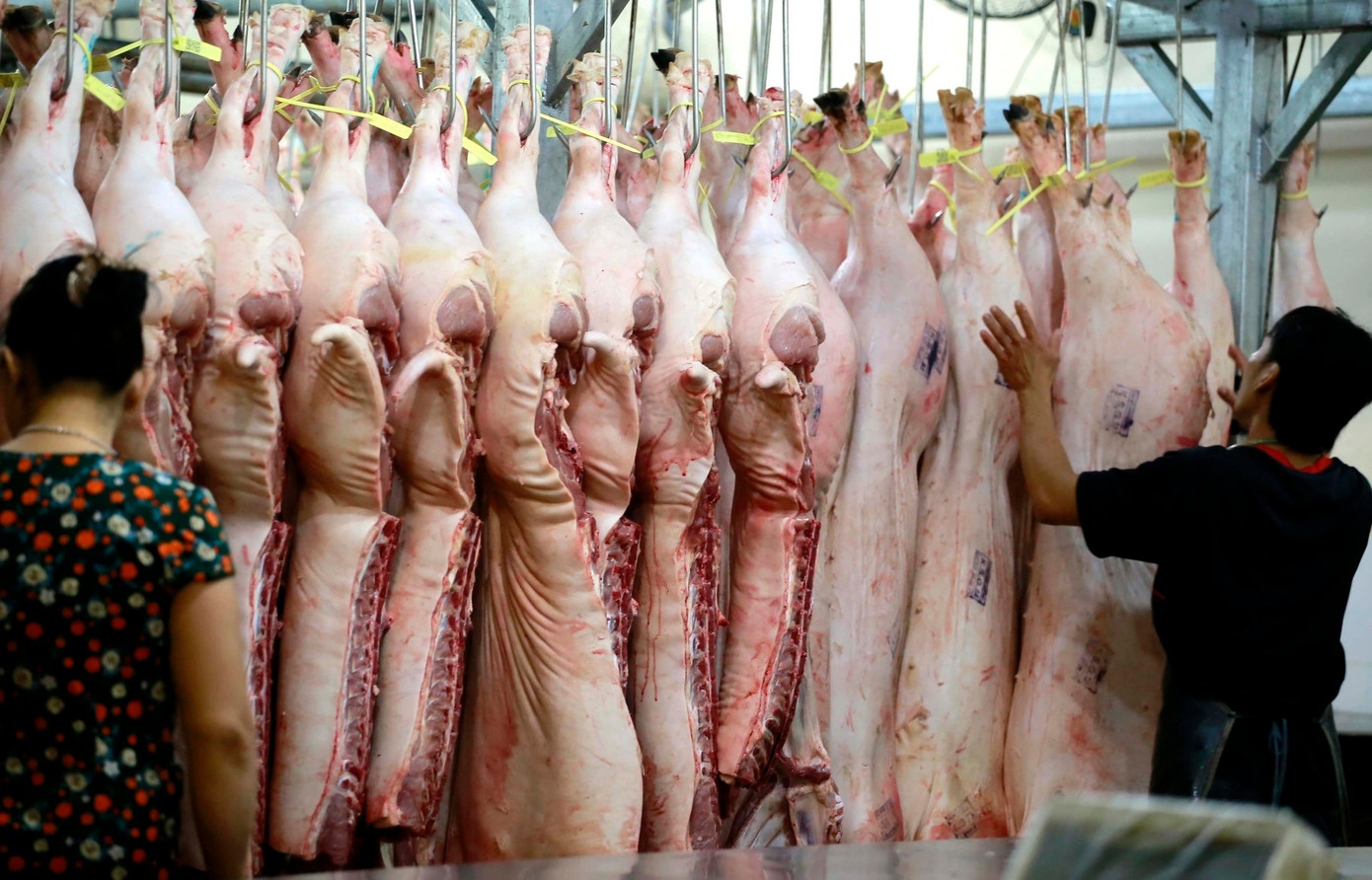
While piglet prices plummet, retail pork prices remain disproportionately high.
Additionally, lingering food safety concerns, cases of contaminated meat, and unclear origins have led some consumers to reduce fresh pork purchases, opting for processed meats, chilled meat, or switching to fish, chicken, and eggs.
“Demand hasn’t kept pace with supply, driving piglet prices down to stimulate consumption. However, retail pork prices haven’t dropped proportionally, leaving farmers bearing heavy losses,” said Mr. Doan.
Mr. Le Xuan Huy, Deputy General Director of C.P. Vietnam Livestock Corporation, noted the difficulty in predicting when piglet prices will stabilize, as it hinges entirely on consumer demand. According to Mr. Huy, three key factors are driving pork prices: consumer belt-tightening, reduced meat consumption for savings; continued influx of imported meat; and global pork prices, particularly in neighboring countries, remaining lower than in Vietnam.
Customs data for Q3 shows meat and meat product imports exceeding 280,000 tons, valued at USD 547.5 million, up 27.7% in volume and 15.7% in value year-on-year.
Imports from Europe, Brazil, the U.S., and other regions offer competitive pricing, especially for processed meat segments. In this arena, processing companies prioritize price and quality over origin, forcing domestic meat to compete directly with imports despite higher production costs.
Mr. Huy noted that market trends typically show increased pork demand during holidays, year-end, and Tet, but “how much prices will rise remains uncertain.” Nonetheless, he predicts no pork shortage by year-end, as businesses and farmers maintain natural herd growth rates.
“Previously, pigs were sold at 90-100 kg. Now, due to low prices, farmers are holding pigs until they reach 120 kg. This increases actual output by 10-15%, sufficient to meet peak year-end demand without massive herd expansion,” Mr. Huy explained.
The Ministry of Agriculture and Rural Development reports that the pig farming sector is gradually recovering from the ASF shock, though progress is slow due to floods, storms, and cautious restocking.
By late October, the national pig herd reached 26.4 million, up 0.1% year-on-year. Some localities maintain strong growth through biosecurity, value chain integration, and technology adoption.
Today’s Live Pig Prices, October 17: The Reasons Behind the Continuous Price Plunge
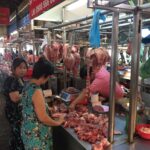
Today’s live hog prices (October 17th) saw further downward adjustments by major farming companies, primarily driven by abundant domestic supply and pressure from international market prices.
Revolutionary 12 Trillion VND Pig Farming Project Unveiled: AI-Powered Cough Detection and 24/7 Robot Patrols in 5-Story Residential Complex
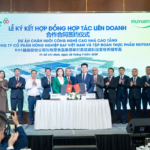
On September 28, 2025, BAF Vietnam Agriculture JSC (HoSE: BAF) and Muyuan Food Group (China) formalized a joint venture partnership, launching Vietnam’s first high-tech, multi-story pig farming project. Located in Tay Ninh Province, the initiative boasts a total investment of VND 12,000 billion and leverages cutting-edge automation and AI technologies unprecedented in the country’s livestock sector.
BAF and Muyuan Forge Joint Venture for Innovative ‘Pig-Raising Condominium’ Project
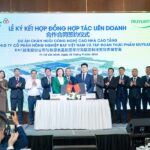
On September 28th, BAF Vietnam Agriculture JSC (HOSE: BAF) officially signed a joint venture agreement with China’s Muyuan Food Group to develop and operate a high-tech, multi-story pig farming project in Tay Ninh province.
Pork Prices Creep Up Ahead of the Holidays
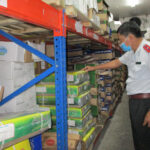
As the festive season approaches, the demand for meat and by-products surges in preparation for the holiday celebrations. This year, the challenge lies in meeting the escalating consumer needs while navigating the complexities that come with managing a significant increase in meat and by-product supply, especially in the case of buffalo, cattle, pork, and poultry.
Pork Prices Soar to a Two-Year High
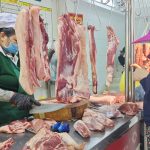
Pork prices are at a two-year high, bringing a windfall for livestock farmers.