












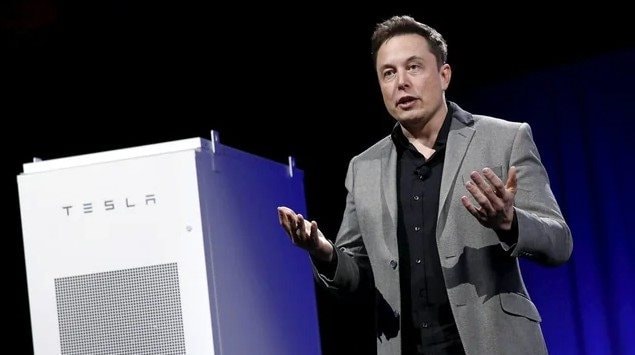
According to CNBC, Tesla’s announcement of a recall involving approximately 10,500 Powerwall 2 units—its flagship residential energy storage system—at the request of the U.S. Consumer Product Safety Commission (CPSC) has sent shockwaves through the industry. This move casts a shadow over the impressive growth of Tesla’s Energy division.
Beyond a mere technical issue, this incident tests customer trust and the global supply chain resilience of Elon Musk’s empire.
Not Tesla’s Fault Alone
In recent years, the Powerwall solar-integrated battery system has symbolized Tesla’s ambition to expand beyond electric vehicles. However, overheating, smoke, and fire risks now raise critical questions about product quality, battery supply chains, and Tesla’s technical risk management.
The CPSC reports that certain lithium-ion cells in Powerwall 2 units may fail during normal use, leading to overheating and, in some cases, smoke or fire. This poses severe risks, including potential fatalities or injuries.
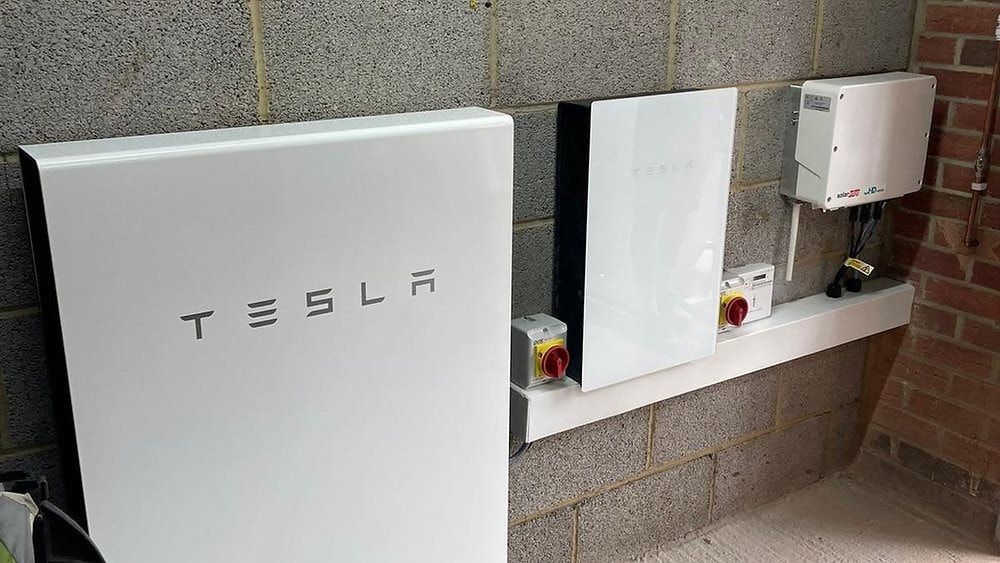
“Some lithium-ion cells in Powerwall 2 systems may fail during normal use, causing overheating and potentially smoke or fire, which could result in death or serious injury,” the CPSC recall notice states.
Tesla attributes the fault to an external cell supplier but has not disclosed the supplier’s identity. This ambiguity highlights Tesla’s quality control processes, especially as global battery supply chains face mounting pressure to meet safety and manufacturing standards.
As the assembler and distributor, Tesla bears ultimate responsibility. This incident forces Tesla to reevaluate supplier relationships and strengthen safety inspections, particularly for devices installed in residential spaces.
Elon Musk’s EV giant acknowledged 22 overheating reports and 5 minor property-damage fires, though no injuries. However, the CPSC’s warning of “potential fatality” risks alarms the clean energy community.
Tesla’s swift clarification that Powerwall 3 is unaffected aims to distance the new product from this issue, as it positions the latest model as its next flagship.
Rapid Growth Strains Quality Control
Tesla Energy’s recent growth has been remarkable. In Q3 2025, energy revenue surged 44% to $3.42 billion, comprising nearly a quarter of Tesla’s total revenue.
This growth makes Powerwall as critical to Tesla’s long-term strategy as the Model Y and Model 3.
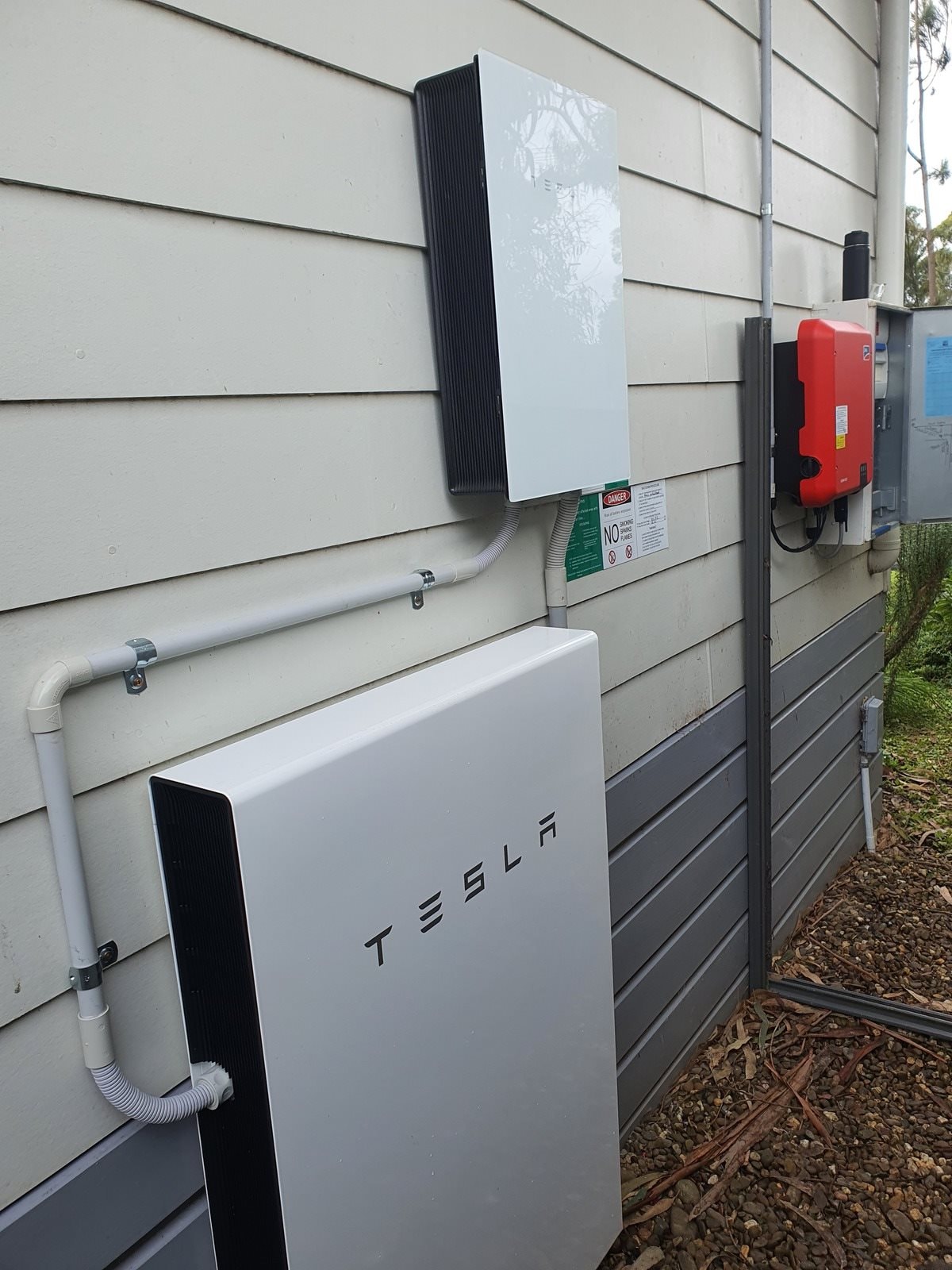
However, the recall suggests that rapid expansion may outpace quality control. Tesla’s temporary fix—remotely limiting charge levels—underscores that the issue extends beyond technical flaws. It raises questions about supplier oversight and crisis response.
The time lag between initial reports, the Australian recall in September, and the U.S. announcement in November reveals inconsistent risk management across markets—a potential focus for regulators.
While Tesla offers free replacements, remote energy discharge to mitigate risks leaves users without backup power until new units are installed—a significant drawback for Powerwall’s core function.
Broader implications may slow the booming home energy storage market, fueled by clean energy incentives and grid strain in many U.S. states.
Tesla’s brand, long synonymous with future technology, faces heightened safety and reliability expectations. The recall, while not fatal, serves as a stark reminder of the risks inherent in scaling complex technologies.
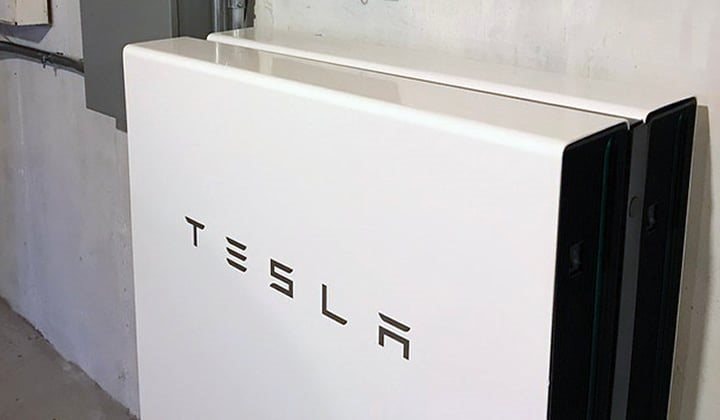
Tesla shares dropped over 7% post-recall, reflecting market jitters. For years, Tesla has embodied futuristic innovation—from EVs to integrated clean energy systems. Yet, this incident underscores the scrutiny that comes with such a position.
The Powerwall 2 recall isn’t Tesla’s downfall, but it highlights the risks of rapid expansion in high-stakes technology sectors.
Sources: CNBC, Fortune, BI
VinFast Surpasses Tesla in Asian Market, Challenging Elon Musk’s Trillion-Dollar Ambitions
To achieve his trillion-dollar dream, Elon Musk must sell 20 million electric vehicles—a staggering number surpassing Tesla’s entire 17-year sales history.
How is VinFast, Backed by Billionaire Pham Nhat Vuong, Performing in the World’s Fifth-Largest Economy?

VinFast is making waves in India, achieving a staggering 2,000% surge in sales during October.
Government Clarifies $85-$135 Subsidy for Residential Rooftop Solar Installations
The Ministry of Industry and Trade clarifies the cash incentive of VND 2-3 million for households installing rooftop solar panels, along with a financing support plan offering loans at an annual interest rate of 8.3%.
Government Support for Residential Rooftop Solar Installation: New Proposal from the Ministry of Industry and Trade
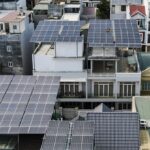
In addition to direct financial support ranging from 2 to 3 million VND, the Ministry of Industry and Trade has proposed that households installing rooftop solar power systems be eligible for loans with specific subsidized interest rates, along with defined interest rates for overdue payments.
Tesla Unveils Affordable Versions of Model 3 and Model Y: Starting at Just $42,000, Poised to Compete with Chinese EVs

Discover the all-new Standard versions of the Model 3 and Model Y, now available at unbeatable prices. Starting at just $36,990 for the Model 3 and $39,990 for the Model Y, these cutting-edge vehicles offer exceptional value without compromising on performance or style. Experience the future of driving today.