









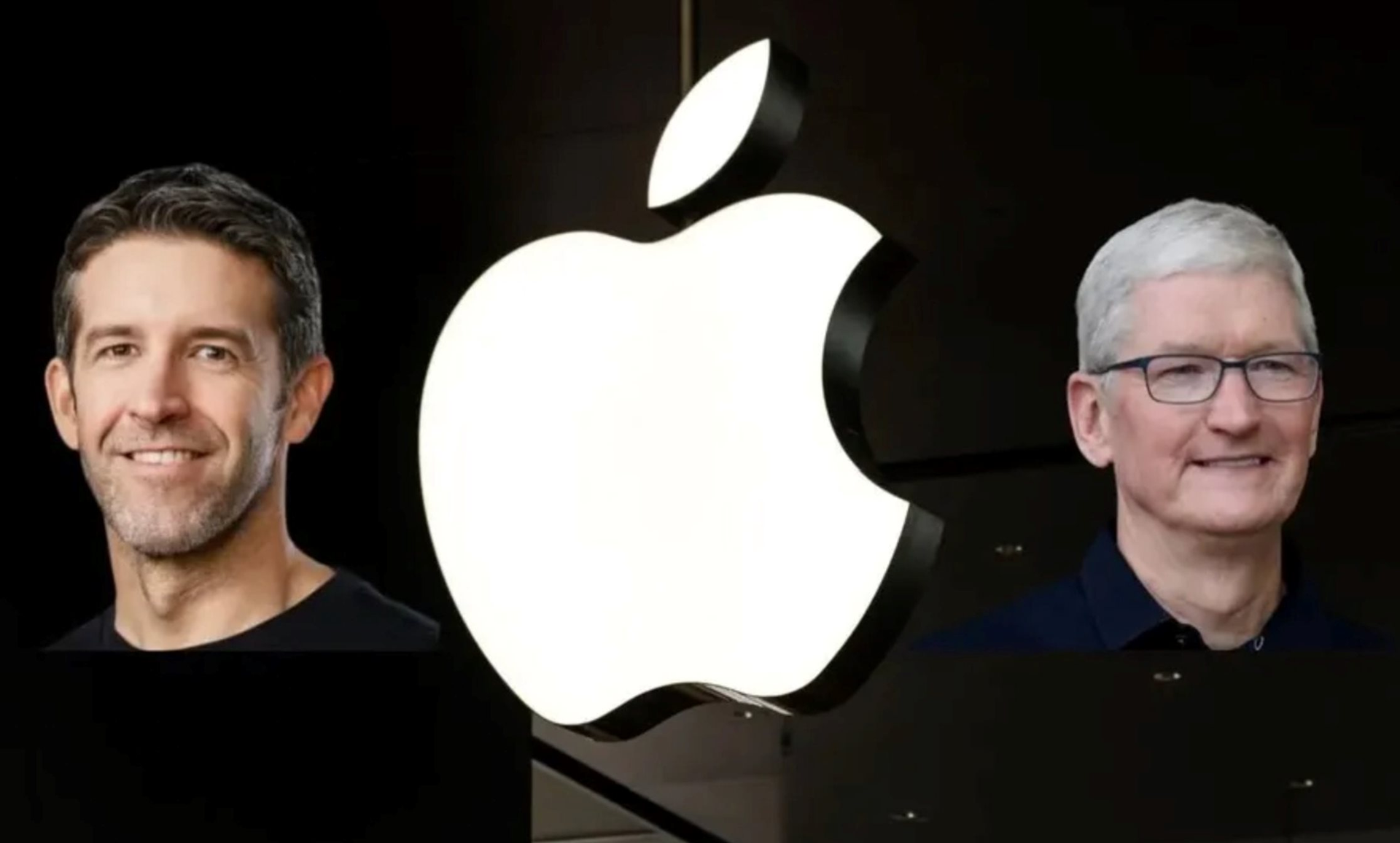
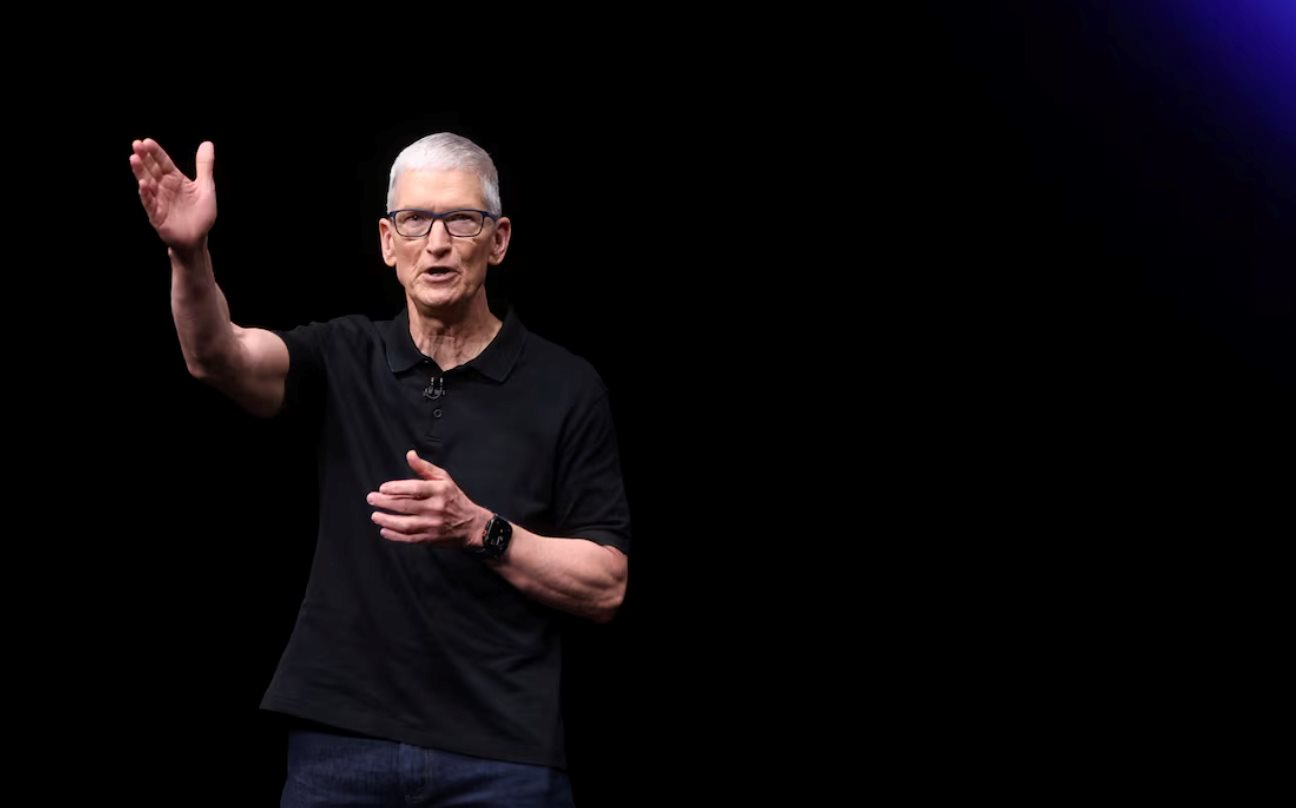
Apple is entering its most sensitive leadership transition since the Steve Jobs era. The Financial Times reveals that the company’s board is accelerating its search for Tim Cook’s successor. According to Reuters, Apple has internally signaled that Cook, who has led the company for nearly 14 years, may step down as CEO as early as 2026, depending on the handover process.
Tim Cook, 64, took the helm in 2011, steering Apple to become a trillion-dollar enterprise and further growing its market cap to over $4 trillion at its peak. Given Apple’s massive scale, the company recognizes that any leadership transition must be meticulously planned. The Financial Times reports that the board has discussed “ensuring strategic continuity” and aims to establish a clear succession roadmap before Cook’s departure.
The frontrunner for the CEO role is John Ternus, Senior Vice President of Hardware Engineering, who oversees iPhone, iPad, and Mac development. Ternus, a 2001 Apple veteran, is known for his technical expertise, discretion, and deep understanding of supply chains—critical as Apple shifts production away from China to India, Vietnam, and Mexico. Sources indicate Ternus has attended high-level strategic meetings previously reserved for Cook and top executives, suggesting he is being groomed for the top position.
True to its tradition, Apple remains tight-lipped. The Financial Times notes that no announcement will be made before the January earnings report, a period when markets closely monitor iPhone holiday sales and AI product plans. Delaying the announcement helps maintain stability, prevents market uncertainty, and safeguards strategic projects, including rumored AI devices.
Under Cook’s leadership, Apple transformed from an iPhone-dependent company into a services powerhouse, with App Store, iCloud, Apple Music, Apple TV+, and Apple Pay generating stable revenue and higher profit margins. Cook’s supply chain mastery also enabled unprecedented production scale and hardware quality. However, recent challenges—slowing iPhone growth, AI competition, U.S.-China trade tensions, and European legal pressures—complicate the incoming CEO’s agenda.
Thus, Apple’s succession is more than a CEO change; it’s about defining the leadership that will guide the company into the post-iPhone, AI-first era. Cook once said he “loves Apple” and will leave only when the company is ready. Apple’s accelerated succession planning suggests that moment is nearing.
Source: Financial Times
iPhone’s High-End Models Plummet to Record-Low Prices in Vietnam
This cutting-edge smartphone model will be unveiled to consumers in February 2025.
Apple Surpasses $100 Million in E-Commerce Revenue in Q3 2025

Consumers are increasingly embracing online marketplaces for their electronics purchases, showing a growing trust in e-commerce platforms when it comes to buying smartphones, tablets, and laptops.
Unveiling the 3 New Colors Coming to the Latest iPhone

Unveiling soon: three brand-new colors set to grace the upcoming iPhone lineup.
What If Apple Manufactured Most iPhone Components Domestically in the U.S.?
While it may not happen in the near future, Apple is steadily working towards this goal. One day, a fully “made by Apple, made in USA” iPhone could become a reality rather than a distant dream.
Apple’s Most Affordable iPhone Unveiled

This is great news for those eagerly awaiting Apple’s most affordable iPhone yet.