





















An industry expert with extensive experience in the F&B sector observes that over the past three years, the trend of Saigon-based F&B brands expanding northward has continued, albeit with less fanfare and urgency than before. Learning from past unsuccessful attempts, these brands now adopt a more cautious and calculated approach to their expansion strategies.
Katinat Coffee & Tea House stands as a rare success story in the opposite direction. Opening its first store in Hanoi in April 2023, within just a year, “grabbing coffee at Katinat” has become a staple in the lifestyle of Hanoi’s youth. This marks one of the few local Southern F&B brands to achieve nationwide recognition.
Other local F&B brands are taking a slower pace, opting for moderately sized locations and steering clear of tourist-heavy areas like Hoan Kiem District.
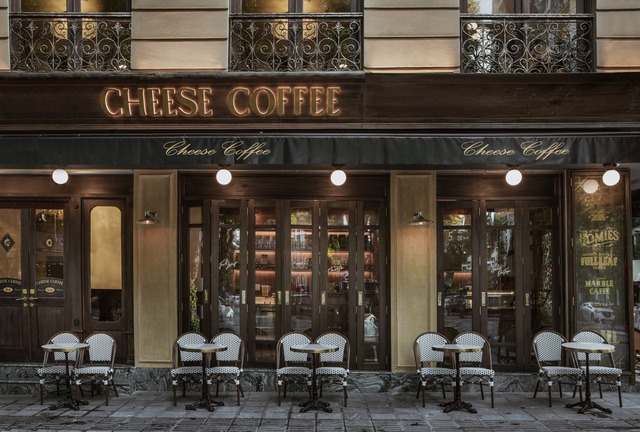
Previously, Cheese Coffee, a renowned coffee and tea brand from Ho Chi Minh City, also ventured north, opening its first store on Le Dai Hanh Street in October 2022. However, it has proceeded slowly, only recently adding a second location in Xuan Thuy. Ngưu Phồn, a famous grilled meat restaurant chain, entered the Hanoi market in April 2024 and quickly opened a second branch in Hai Phong within months, demonstrating a cautious yet strategic expansion approach.
Several other brands have also begun to establish a presence in Hanoi. Chú Long Salted Coffee opened its first store on Truong Dinh Street on May 10, 2024, and now boasts five locations, receiving positive feedback from local consumers. Ngô Gia Black Tea, another local beverage brand, opened its first store in July 2025 and currently operates two outlets. Both brands follow a compact, streamlined model, aligning with the “slow and steady” approach.
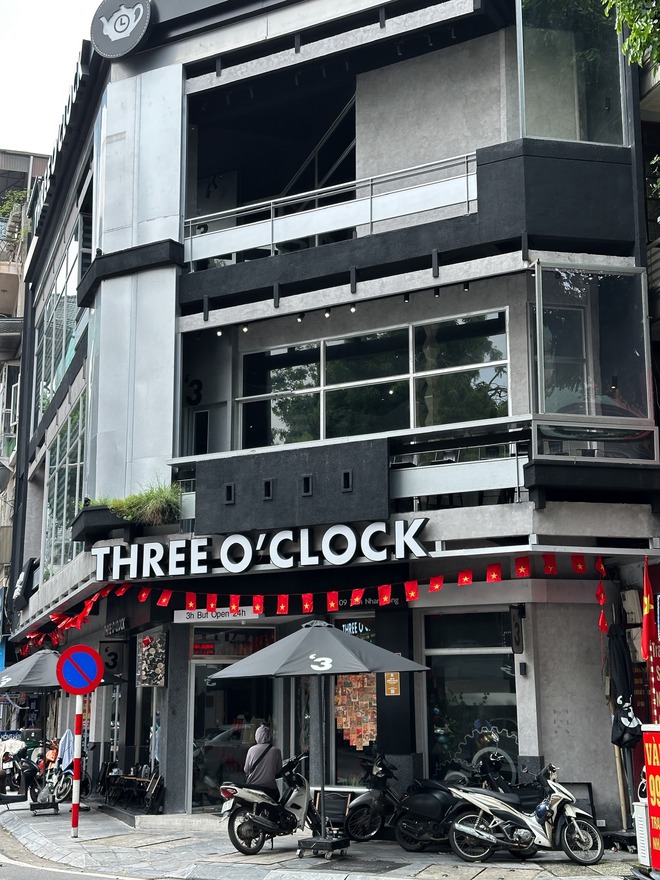
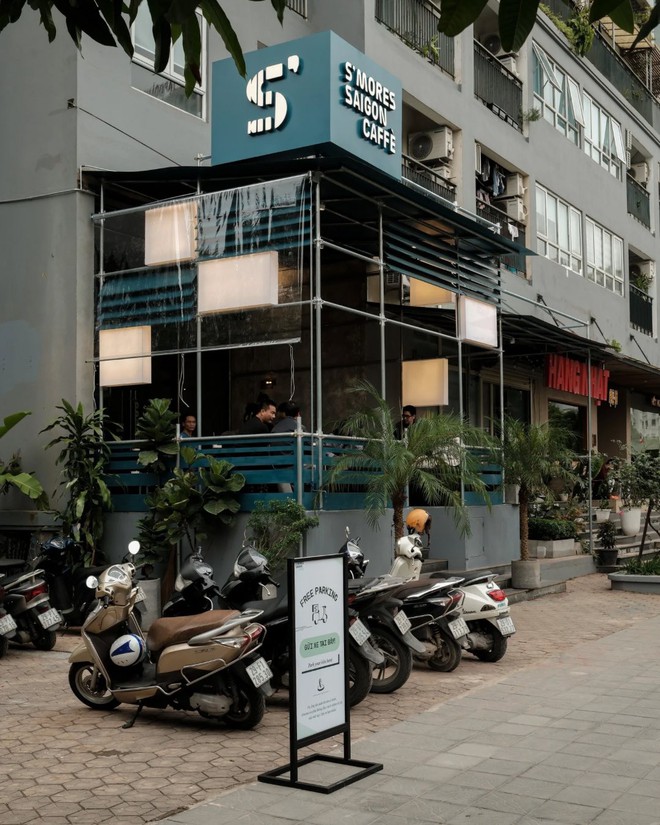
In 2025, Hanoi welcomed Two more renowned Ho Chi Minh City-based beverage brands: Three O’Clock and S’more Saigon Cafe. Each brand has only tested the waters with a single store, reflecting the cautious expansion trend among Saigon chains moving northward.
“Hanoi is a challenging market, demanding more patience and nuanced adaptation compared to Ho Chi Minh City,” the expert notes.
According to the expert, brands that previously failed in their northward expansions, such as Passio, Share Tea, Vua Cua, and Chuk Tea & Coffee, serve as stark examples.
“Many brands transplant their Southern models directly to the North, often leading to predictable failures. Hanoi has a different pace of life, distinct tastes, and unique preferences in choosing cafes and restaurants,” the expert adds.
In reality, the Chuk Tea & Coffee chain (formerly Chuk Chuk of KIDO) opened its first store in Hanoi in mid-2022 with high expectations but withdrew from the market within a year. Similar fates befell other brands like Vua Cua and Runam Bistro, which, despite their popularity in Ho Chi Minh City, struggled to maintain appeal in Hanoi.
While the arrival of a Saigon brand in Hanoi once created significant media buzz, today’s northward expansions are notably more subdued.
“Brands now understand that hype doesn’t equate to effectiveness. Hanoi values substance over showmanship, prioritizing product quality and real-life experiences,” the F&B expert explains.
From an industry perspective, Hanoi is seen as a “testing ground.” Its cooler climate, slower dining habits, and preference for experiential coffee and beverages make it a rigorous trial for any brand.
A study by B&Company reveals that while Ho Chi Minh City favors speed and convenience, Hanoi prioritizes emotion and tradition in F&B choices—making a “copy-paste model” largely ineffective.
However, successfully establishing a presence in Hanoi opens doors to the entire northern region. “Conquering Hanoi consumers virtually guarantees a golden ticket to expand into Hai Phong, Quang Ninh, or Thai Nguyen—areas with strong purchasing power and a tendency to follow Hanoi trends,” the expert remarks.
Nonetheless, the overall F&B landscape remains fraught with challenges. According to B&Company’s research, while Ho Chi Minh City accounts for a larger share of national F&B establishments, it saw a 5.97% decline in outlets in the first half of 2024. In contrast, Hanoi experienced a modest 0.1% increase during the same period.
Another report by iPOS.vn indicates that over 50,000 F&B establishments closed nationwide in the first half of 2025, with both Hanoi and Ho Chi Minh City recording double-digit declines (over 11%). In this context, the northward shift of some Saigon brands can be seen as a strategic response to saturation and fierce competition in their home market.
In practice, Ho Chi Minh City’s average spending per meal is approximately 69,599 VND, compared to 80,327 VND in Hanoi, as per B&Company’s research. Combined with their substantial market shares (27.1% for Ho Chi Minh City and 25.5% for Hanoi), both cities remain prime testing and expansion grounds for F&B chains.