












Are Banks Running Out of Home Loan Deals?
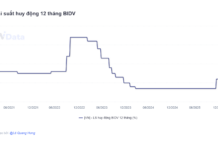
Looking back at Q2, many banks launched loan packages for customers under 35 with low-interest rates, around 5-5.5%/year fixed for the first 3 years. However, over the past month, banks have completely halted these programs.
According to a survey by Tiền Phong’s reporters, current home loan interest rates range from 6 to over 9%/year (with a 1-3 year grace period). Specifically, at ABBank, the home loan interest rate is 9.65%/year; BacABank offers 6.6%/year; BIDV provides 6% fixed for 24 months or 7%/year for the first 36 months. Meanwhile, floating interest rates are trending upwards, reaching around 10-14%/year.
As home loan interest rates rise again, the real estate market continues to face upward pressure on selling prices.
Data from the Ministry of Construction in Q3 shows that primary apartment prices in Hanoi surged, averaging 95 million VND/m², with over 43% of new supply priced above 120 million VND/m².

Rising home loan interest rates alongside high property prices pose challenges for homebuyers.
Ms. Minh Phương (Long Biên, Hanoi) shared that with such prices, purchasing a small apartment of 29-34m² would cost her up to 5-6 billion VND. Borrowing 3-4 billion VND from a bank and repaying at current interest rates would be overwhelming for a young family.
Homebuyers Grow Cautious About Loan Rates
The latest market assessment by the Vietnam Association of Realtors (VARS) reveals that rising loan interest rates have led to a decline in market liquidity. Homebuyers, especially those relying on loans, are reevaluating their financial plans. Investors are also more cautious about expanding their portfolios, as expected returns may not offset higher capital costs.
Simultaneously, project developers face dual risks: rising financial costs coupled with declining demand, slowing cash flow, and reduced new supply. As supply decreases and transactions stall, price growth is unlikely to sustain previous levels.
Given the heavy reliance on financial leverage, real estate is the most directly and profoundly affected investment channel by interest rate fluctuations. Sudden increases in capital costs can disrupt cash flow, making liquidity risks nearly inevitable.
VARS also highlights that homebuyers face pressure from expiring preferential loan packages. In recent years, to stimulate demand, many developers and commercial banks offered home loans with interest rates as low as 5.5%/year, or even interest-free periods with principal grace periods of up to 5 years. These policies enabled many individuals and investors to access affordable capital for property ownership.
However, these preferential periods are typically short-lived. When transitioning to floating rates, if overall interest rates rise, repayment pressure on homebuyers intensifies. In a low-liquidity market, selling properties to cut losses becomes challenging, and bad debt risks may reemerge in the credit system.
Additionally, VARS warns that prolonged high-interest rates could weaken developers’ ability to expand land funds and launch new projects. Banks often raise rates during market downturns, prompting many companies to halt investments to minimize losses. This could lead to a medium-term decline in housing supply.
In this context, VARS advises homebuyers not to borrow more than 50% of the property’s value to mitigate risks from rising interest rates. They should also choose reputable developers and projects with transparent legal status to avoid losing both money and assets due to delays or non-delivery.
Dr. Nguyen Van Dinh: Real Estate to Witness Astonishing Growth in 2025

The real estate market in 2025 isn’t just a year of remarkable growth—it’s a pivotal moment signaling the resurgence of confidence and the dawn of a transformative era for the industry.
Affordable Apartments in Ho Chi Minh City: Can You Find Units Under $1,500/m²?
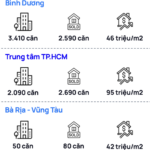
The Ho Chi Minh City apartment market faces a striking paradox: while demand for affordable housing remains sky-high, supply is dwindling, and prices continue to climb.
Cracking Down on Social Housing Exploitation: What Penalties Are Needed to Deter Abuse?
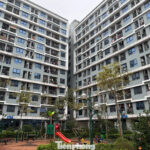
The Ministry of Construction has proposed increasing fines to 80-120 million VND for misusing social housing. Experts argue that while stricter penalties are necessary to deter policy exploitation and ensure these homes reach those in genuine need, the current fines remain insufficiently deterrent. They advocate for additional post-audit measures to strengthen enforcement.
Silent Migration of the Affluent to Western Hanoi

With its groundbreaking infrastructure, expansive land reserves, and low construction density, the West District is not just a place to live—it’s the new emblem of a luxurious lifestyle. From time-honored villa communities continually upgraded to cutting-edge new developments, Bac An Khanh is setting the trend, emerging as the premier destination for Hanoi’s elite.
Revitalizing Vintage Apartments: Overcoming the Challenge of Selling Aged Condos

Over the past period, condominium prices have continued to rise, yet liquidity has somewhat stagnated. This is primarily due to the fact that condominium prices have become excessively high, making it challenging for genuine residents to afford them.