





















With the rainy season behind us, drivers should focus not only on post-flood cleanup but also on the thick layers of sand and mud accumulating under their vehicles. This hidden grime accelerates corrosion and weakens the suspension system over time.
If left uncleaned, the sand and mud retain moisture, promoting oxidation and rapid rusting of the undercarriage’s metal components. Within weeks, critical parts like sway bars, rubber bushings, brake calipers, and drive shafts may show signs of deterioration.
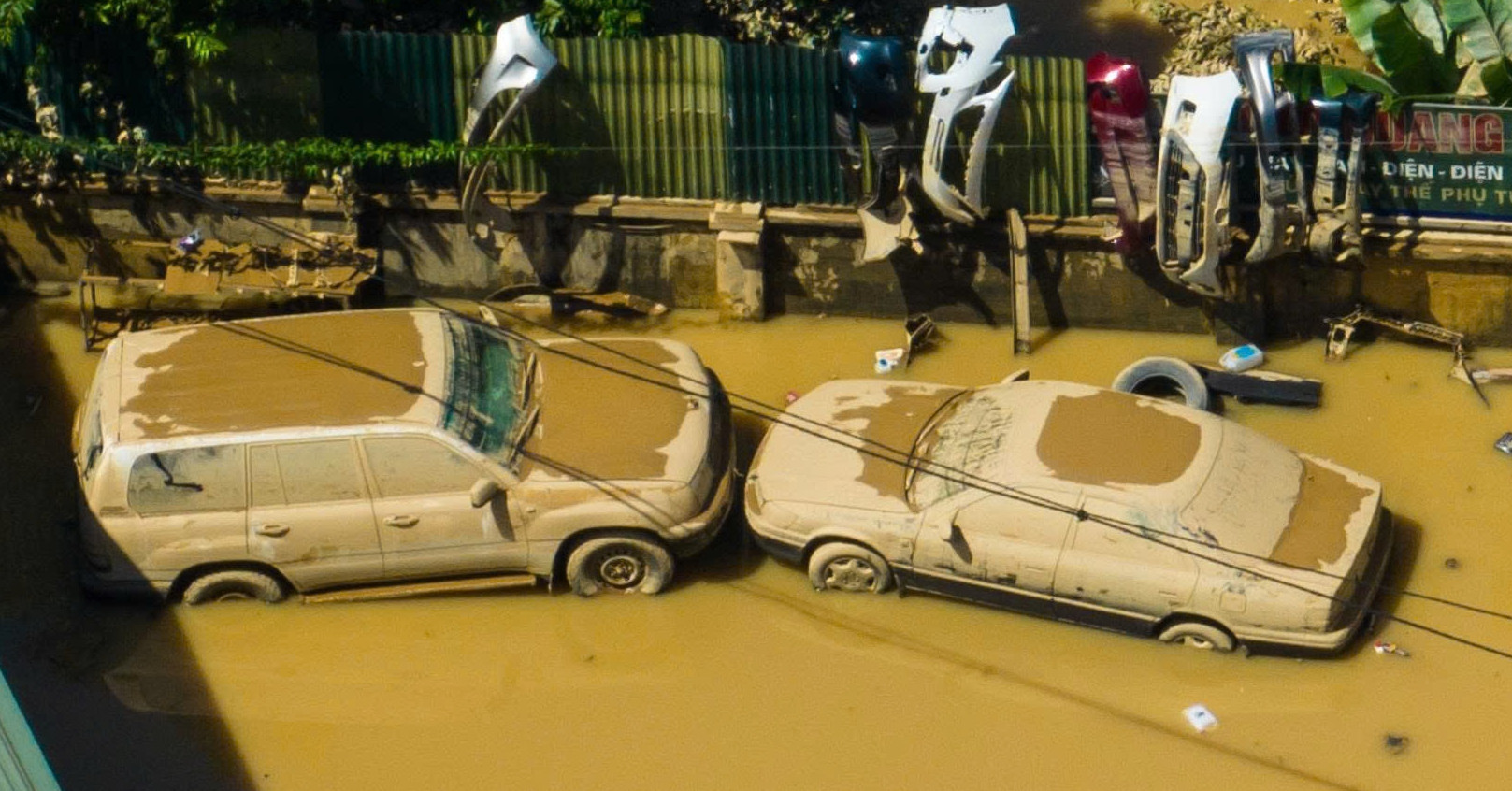
Mud buildup under the chassis can cause rust and suspension damage.
Fine sand particles infiltrate moving parts like shocks, ball joints, and rubber seals, acting as microscopic abrasives. This friction gradually wears down metal and rubber surfaces with every drive.
Consequently, vehicles may develop unusual noises, vibrations, or lose their smooth ride, necessitating premature part replacements.
After heavy rain, high-pressure undercarriage cleaning is essential. Focus on hidden areas like wheel wells, suspension components, and professional lifts for thorough debris removal.
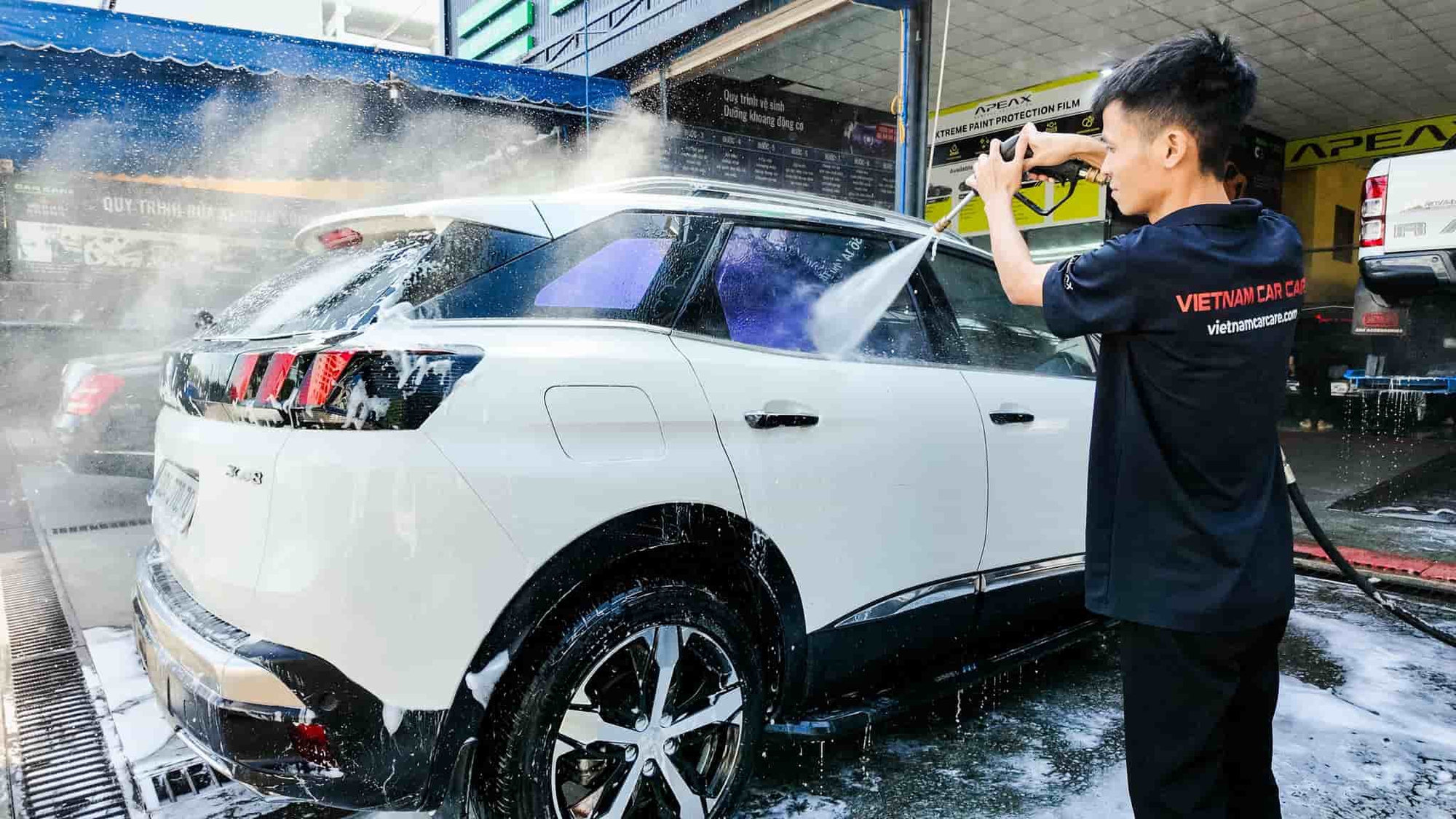
Post-storm, clean and inspect areas like the undercarriage, vents, and wheel wells.
One often-overlooked area is the air intake vent near the windshield, which channels air to the AC system. Post-storm, it’s prone to clogging with leaves, debris, and mud. Blocked vents reduce airflow, leading to weak cooling, moldy odors, and potential fan motor damage.
If debris reaches the fan or evaporator, it can jam the blades, causing loud noises or motor burnout. Radiators and condensers in the engine bay are also vulnerable to debris buildup, hindering heat dissipation and risking overheating.
Regularly inspect the radiator, vents, and intake areas. Use moderate pressure water for cleaning. For deep debris, avoid sharp tools—consult a professional to prevent radiator damage.
High humidity post-storm can cause condensation in the engine bay, leading to oxidation on electrical connectors and sensors. This may trigger unexplained errors, check engine lights, or starting issues.
For vehicles driven through deep floods, water and sand may infiltrate fuse boxes or low-mounted wiring, causing long-term shorts or corrosion. After cleaning, use compressed air to dry the engine bay and apply protective electrical cleaners.

Illustrative image.
Small particles like sand, leaves, and debris, if neglected, can lead to major issues: undercarriage rust, fan motor failure, cooling inefficiency, and suspension damage. These problems often develop silently over weeks or months, becoming noticeable only when significant deterioration occurs.
Post-storm, go beyond water level checks. Thoroughly clean vents, wheel wells, and the engine bay. A post-storm maintenance session is a wise investment, saving thousands in future repairs and ensuring your vehicle’s reliability and safety.