










Why Are the Elite Escaping Urban Life?
As Hanoi and Ho Chi Minh City become increasingly choked with pollution, traffic congestion, food safety concerns, and noise pollution, many successful individuals are quietly migrating to coastal areas. This exodus is not an escape but a strategic realignment of life values.
The elite seek serene environments where nature acts as a therapeutic balm for body, mind, and soul. Second homes in coastal cities have emerged as the top choice, serving as both retreats and “second offices” for the new generation of leaders.
Imagine starting your Monday with a virtual meeting on a sea-facing balcony, or kayaking with your children on a river during a weekend afternoon. This is no longer a distant dream but the reality of today’s achievers. Post-pandemic, the younger generation has pioneered the workation trend—blending work with leisure in natural settings. From Nha Trang and Da Nang to Phu Quoc, these coastal second homes are becoming ideal destinations to balance career, health, and life experiences.
Studies show that living and working close to nature boosts creativity by 15%, reduces burnout risk by 20%, and lowers stress hormone cortisol levels by up to 30% when listening to ocean waves.
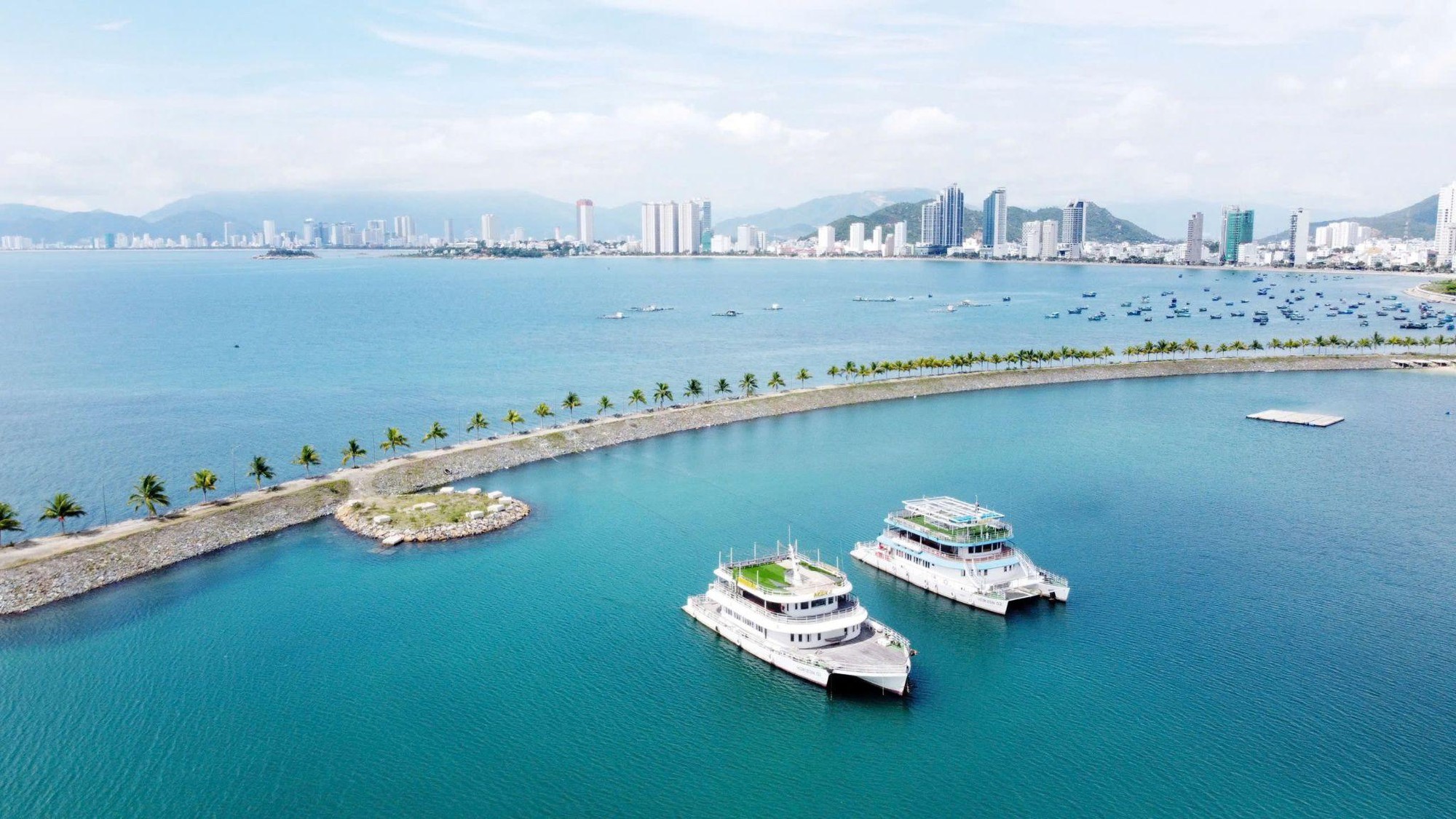
Coastal second homes symbolize status, provide mental support, and offer sustainable investment opportunities.
According to the World Bank, by 2030, Vietnam’s middle class will constitute over 50% of the population—a modern, ambitious group prioritizing quality of life. For them, second homes are more than just additional residences; they are symbols of status, pillars of mental well-being, and sustainable investment channels. This is the smart living strategy of the new successful generation. Vietnam’s coastal resorts have become attractive destinations for both domestic and international elites. One such destination is Nha Trang, home to one of the world’s 29 most beautiful bays.
Nha Trang – A Living Paradise
While Phu Quoc is likened to a “pearl island” rich in experiences yet retaining its wild charm, Da Nang boasts modern planning and infrastructure with a gentle population, and Ha Long features majestic landscapes and a world-renowned bay, Nha Trang uniquely combines all these advantages in one space. Located in the heart of the South Central Coast, Nha Trang enjoys hundreds of sunny days, calm seas, and a year-round temperate climate. These factors position Nha Trang as a living paradise where residents can live, work, relax, and entertain all in one place.
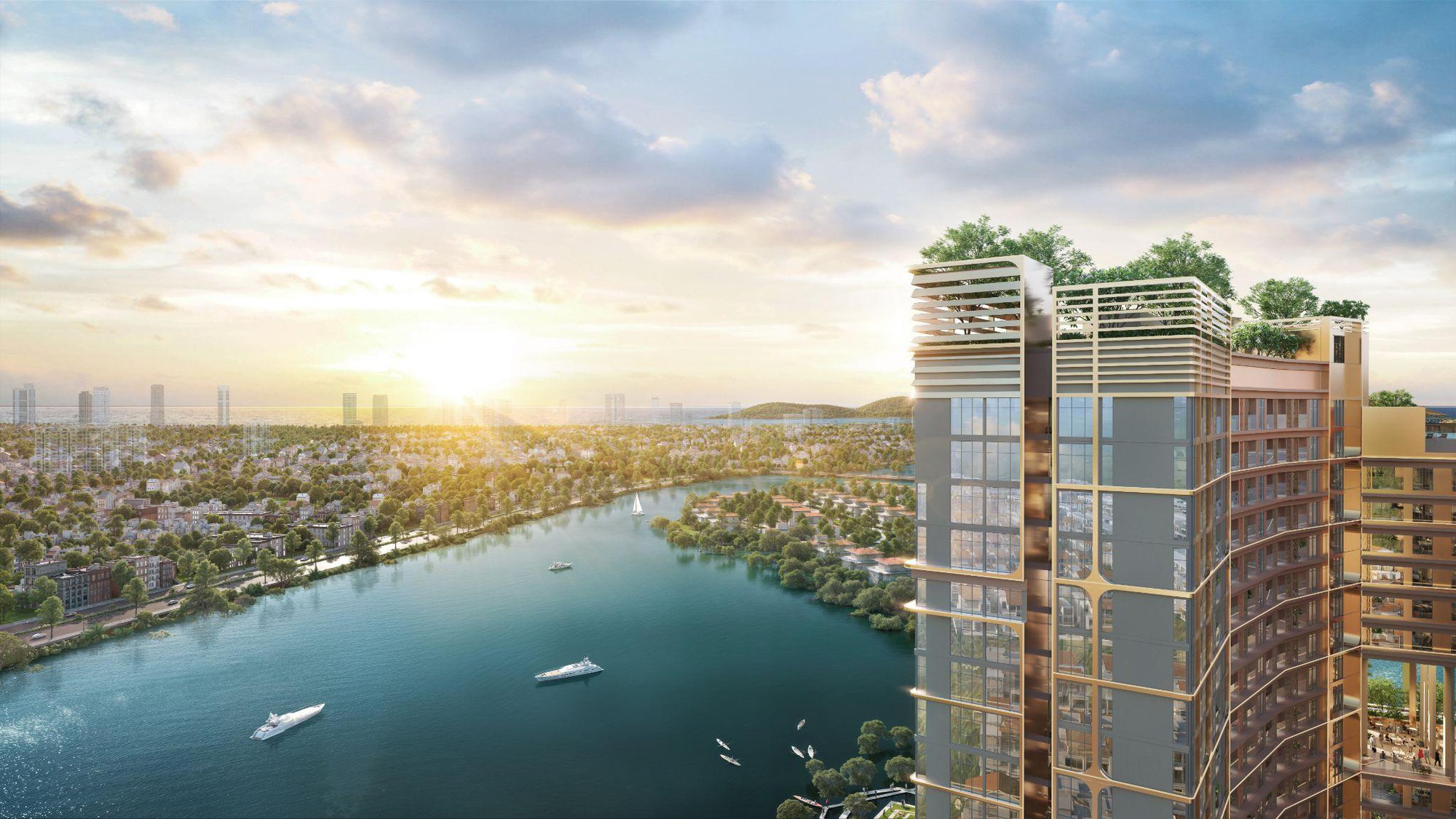
Nha Trang combines living, working, and leisure in a single harmonious space.
According to Assoc. Prof. Dr. Nguyen Chu Hoi, a National Assembly Deputy of the XV term and Vice Chairman of the Vietnam Association of Seafood Exporters and Producers, Khanh Hoa has three strategic pillars: world-class marine tourism, energy, and logistics-seaports.
“Alongside these pillars, the province should develop smart, green coastal urban chains, high-tech specialized agriculture, and a modern digital infrastructure system. These will be powerful growth drivers for Khanh Hoa in the new era,” Assoc. Prof. Dr. Nguyen Chu Hoi remarked.
One groundbreaking project in green, smart urban planning that has recently gained attention is Charmora City, developed by Sun Group in South Nha Trang. Spanning 227 hectares, Charmora City pioneers the Sponge City model—a leading global trend in green urban planning and climate change adaptation. The project is divided into three functional islands: North Island, Central Island, and South Island. Each island has its unique rhythm and character, catering to administrative, residential, entertainment, and utility functions, all while reflecting Sun Group’s philosophy of balancing human development with nature.
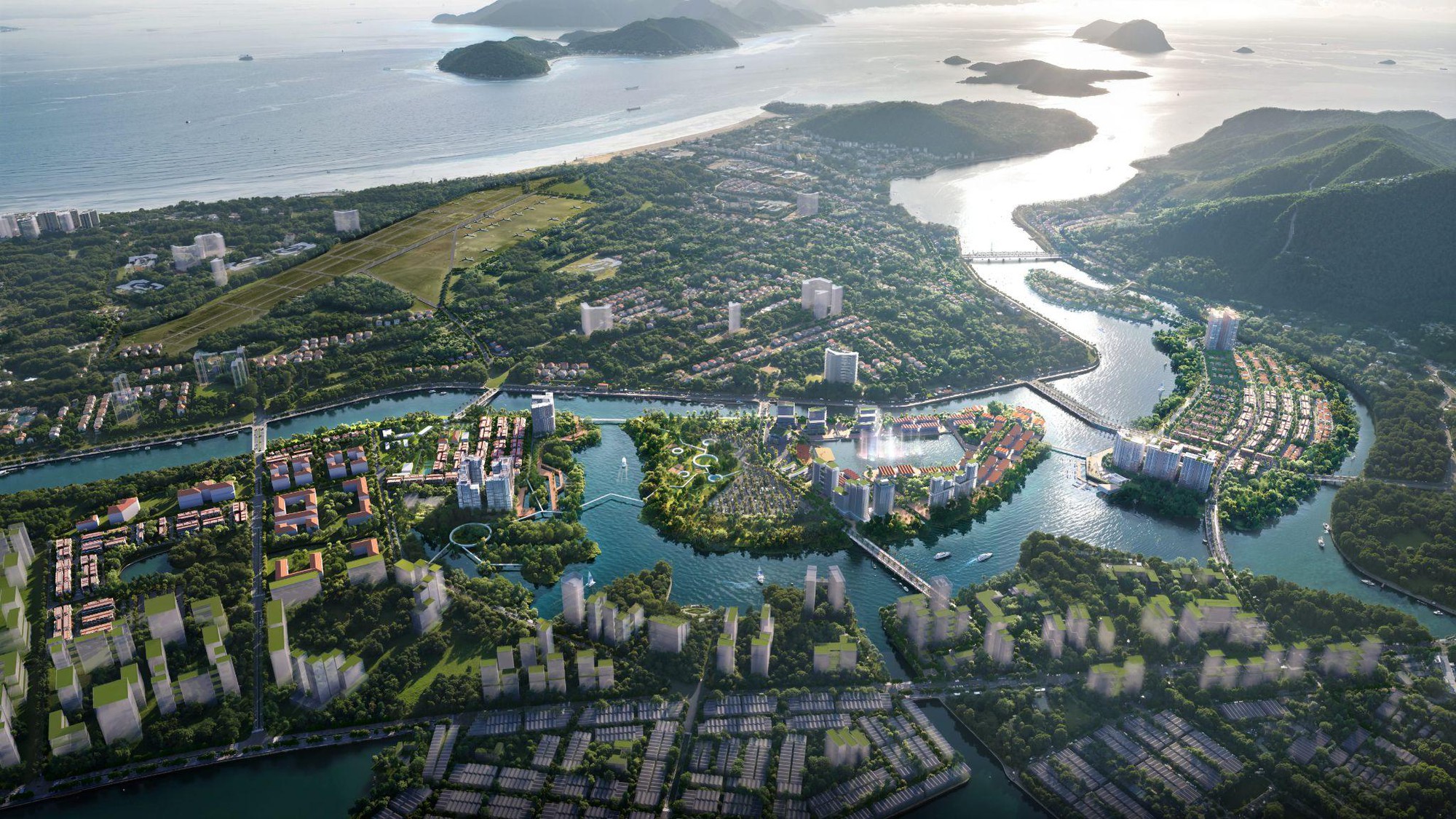
Charmora City serves as the “core” of the local urban expansion strategy.
Located in South Nha Trang, designated as the new administrative center of Khanh Hoa Province, Charmora City plays a pivotal role in the local urban expansion strategy. Its prime location, nestled between the Quan Truong and Tac Rivers, offers rare feng shui amidst the coastal city. Additionally, with Cam Ranh International Airport just 30 minutes away, the project opens direct trade routes to Singapore, Seoul, and Tokyo, positioning it as a premier destination for international experts and entrepreneurs.
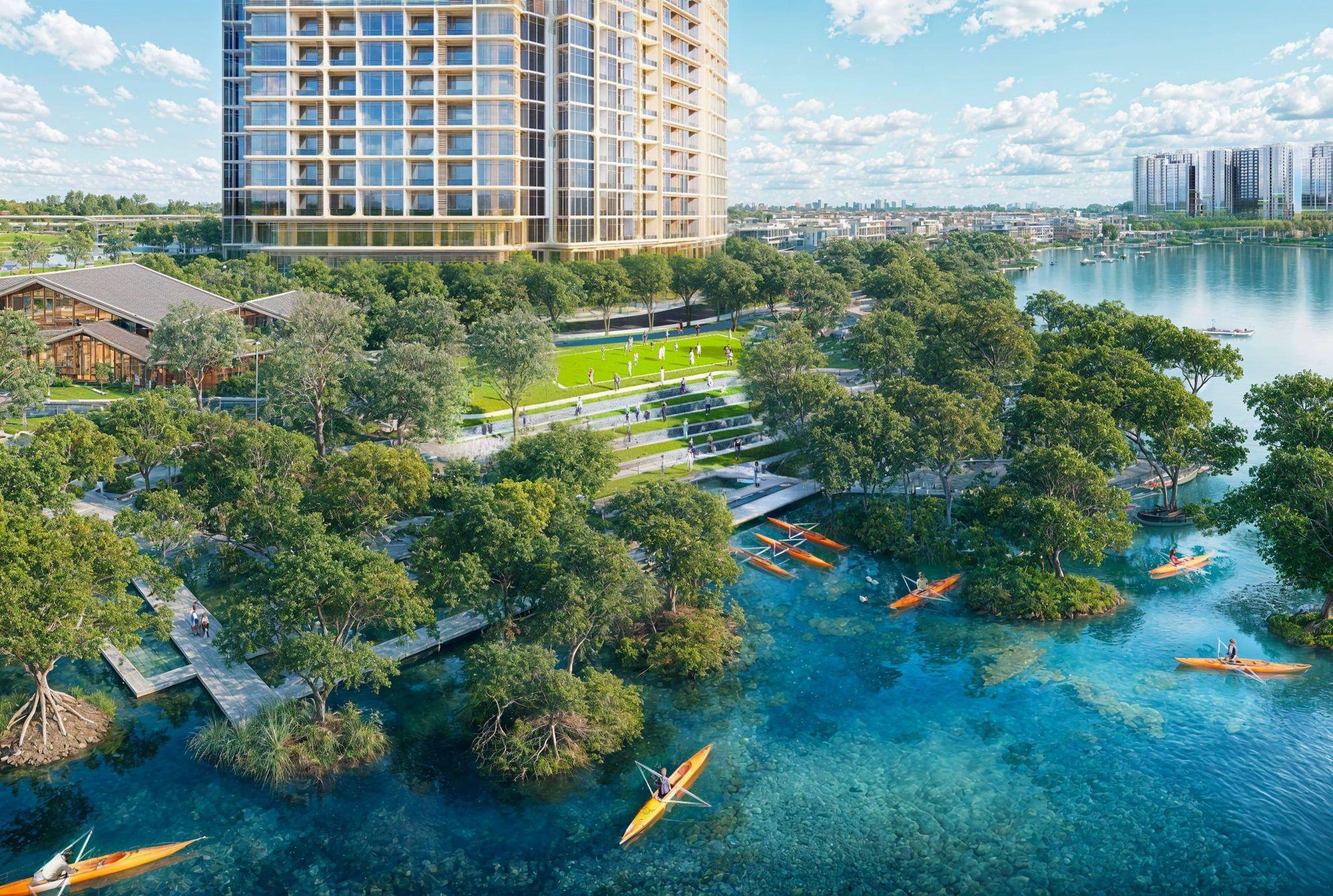
Charmora City adopts the Sponge City model for sustainable green urban development.
The fusion of nature, international planning excellence, and cultural heritage promises to make Charmora City a new urban symbol of Khanh Hoa and Vietnam, offering a global living standard for the new generation of achievers.
Unveiling the Fascinating Similarities Between Vinhomes’ Two Largest Historical Projects
2025 marks a historic milestone for Vingroup, with the simultaneous groundbreaking of two mega-projects: Vinhomes Green Paradise in Ho Chi Minh City and Vinhomes Hạ Long Xanh in Quang Ninh. Connected by a state-of-the-art metro system, these developments redefine the concept of eco-friendly, smart, and resort-style urban living.
Unveiling the Stars: The World’s Top 7 Future Urban Wonders Revealed
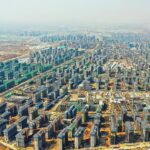
The global vote for the “7 Wonders of the Future Cities” has officially launched, bringing together iconic megacities from every continent.
An Khánh: The Remarkable Transformation from an Abandoned Villa Village to Hanoi’s Affluent Neighborhood
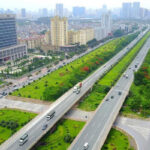
Nestled in what was once a humble rice-growing region, An Khánh has transformed into a sprawling enclave of luxurious villas. Recent surveys reveal that villa prices in this area have surged nearly threefold over the past five years, marking the most significant growth among Hanoi’s suburban districts.
Van Phu Unveils 125-Hectare Tourism Urban Mega-Project in Dong Nai
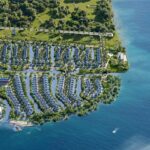
In its quest to solidify its position as a pioneering real estate brand, Van Phu continues to expand its footprint in the Southern region with the Dai Phuoc Tourism Urban Area. This ambitious development comprises two key projects, Dai Phuoc River and Phong Phu Riverside, spanning a total area of approximately 125 hectares.
Nha Trang: Redefining Coastal Living in a Vibrant Seaside City
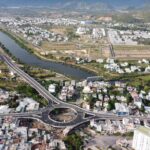
For years, Nha Trang has been a magnet for international visitors to Khanh Hoa. As it strives to become a centrally governed city and a national maritime economic hub, this coastal destination is also positioned as a strategic focal point for the province, aiming to establish itself as a “livable urban center” of regional significance.