













The National Statistics Office (NSO) under the Ministry of Finance (MoF) has released its latest report, indicating a 0.2% month-on-month increase in the consumer price index (CPI) for October. This reflects a 2.82% rise since December 2024 and a 3.25% year-on-year growth. Over the first ten months of 2025, the CPI has climbed by 3.27% compared to the same period last year.
Key drivers of the October CPI increase include higher food prices in flood-affected regions, elevated dining costs due to pricier ingredients, and tuition fee adjustments in private educational institutions for the new academic year. Other sectors, such as housing, electricity, water, construction materials, clothing, and household equipment, saw modest increases, signaling a gradual recovery in consumer demand and rising production costs as the year-end approaches.
Core Inflation Remains Stable
According to the NSO, the average monthly CPI increase since the beginning of the year stands at 0.28%, lower than the same period in 2024. Major contributors to this rise include food and catering services (up 3.18%), housing and construction materials (up 6.2%), medicine and healthcare services (up 13.39%), and education (up 1.95%). Conversely, transportation (down 2.61%) and postal and telecommunications services (down 0.48%) helped curb overall growth.
Core inflation in October rose by 0.35% from September and 3.30% year-on-year. On average, core inflation over the ten-month period increased by 3.20% year-on-year, slightly below the overall CPI growth. These figures suggest that price and monetary policies are effectively managing inflation without hindering economic growth, aligning with the government’s target of keeping inflation below 4%.
Experts highlight that the 3.27% CPI increase over ten months underscores the successful coordination between fiscal and monetary policies. The MoF has tightly controlled public spending and managed essential goods prices, while the State Bank of Vietnam has cautiously eased credit to support business recovery without fueling inflation.
While factors such as rising year-end consumer demand, tuition and public service fee adjustments, and global energy price fluctuations may cause slight price increases in the final two months of 2025, the likelihood of inflation surpassing 4.5% remains low, thanks to a stable macroeconomic foundation and flexible policy tools.
Analysts stress the importance of stabilizing inflation expectations and avoiding panic-driven price adjustments. Transparency in the supply and demand of fuel, food, gold, and foreign currency is crucial for maintaining market confidence.
The CPI increase over the first ten months demonstrates Vietnam’s effective inflation control despite global economic uncertainties. This achievement not only reflects sound economic policies but also serves as a cornerstone for sustaining high growth, stabilizing living standards, and bolstering confidence in the government’s management capabilities.
Inflation Under Control
Vietnam’s inflation has remained stable even as fiscal and monetary policies have been loosened to support economic growth. As of September 2025, the money supply had increased by 8.5%, with credit growth reaching 13.4% since the year’s start. However, the velocity of money stood at just 0.65, significantly below the typical range of 0.9 to 1.0.
Dr. Can Van Luc, Chief Economist at the Bank for Investment and Development of Vietnam (BIDV), attributes this to sluggish money circulation. “Despite increased liquidity, funds are not circulating robustly due to bottlenecks in public investment and private sector capital flows,” he explained. “This has prevented inflation from surging.” Additionally, tight control over essential goods like food, fuel, and electricity, coupled with ample supply, has played a critical role.
The NSO credits the successful inflation control to coordinated efforts by ministries, agencies, and local authorities in managing prices and balancing supply and demand, particularly for essential goods. Supportive policies, including a 2% VAT reduction, fee cuts, and lower import tariffs, have also been maintained.
Local governments have actively promoted industrial programs, supported small and medium-sized enterprises, boosted production, and improved the investment climate. These measures are expected to keep annual inflation below the National Assembly’s target.
Dr. Luc predicts that inflation will not be a major concern in 2025, with the annual average CPI forecast at 3.8-4%, below the NA target. This optimism is based on sufficient supplies of essential goods, stable exchange and interest rates, and close coordination between fiscal and monetary policies. However, inflationary pressures may rise in the final quarter due to cost-push and demand-pull factors.
Cost-push factors include higher import prices from U.S. tariffs and increases in state-managed goods, while demand-pull pressures may stem from credit growth meeting higher capital needs. Authorities must ensure adequate supplies of essential goods during floods and natural disasters to stabilize prices.
Economists warn against complacency, noting that food and dining prices could continue rising in flood-affected areas, particularly for vegetables and processed foods. Vietnam’s economy remains vulnerable to external factors such as energy prices, exchange rates, and monetary policy shifts in major economies, requiring vigilant monitoring and flexible policy adjustments.
Public investment disbursement pressure is also mounting, with a target of nearly VND1,000 trillion ($38.5 billion) for full allocation in 2025. Implementing market-based pricing for state-managed services must be carefully managed to balance CPI trends with development and social stability goals.
On November 4, the government issued Resolution No. 86/NQ-CP, outlining key tasks for the closing months of the year. These include continued inflation control, macroeconomic stability, growth promotion, and maintaining major economic balances. Credit will be directed toward production, priority sectors, and growth drivers, while the gold, stock, bond, and real estate markets will be closely monitored.

Ministry of Home Affairs Debunks Rumors of Further Merging 16 Provinces and Cities
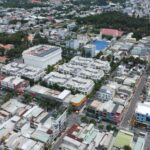
The Ministry of Home Affairs representative emphasized that the policy of reorganizing administrative units has undergone meticulous research and careful consideration prior to implementation, aiming for the long-term stability of the administrative unit system.
Secretary General To Lam Meets with Luxshare-ICT Group Leadership (China)
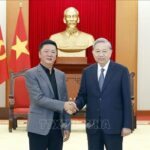
On the afternoon of November 15th, at the Communist Party of Vietnam’s Central Headquarters, General Secretary Tô Lâm received Mr. Wang Laisheng, Vice Chairman of Luxshare-ICT Group, China.
Vietnam’s Agricultural Exports to the U.S. Poised for Growth with Reciprocal Tax Exemption

The U.S. decision to waive retaliatory tariffs on select products, including coffee, tea, tropical fruits, and spices, presents a significant opportunity for Vietnamese agricultural exports. This move is poised to substantially boost the presence of Vietnamese farm produce in the American market.
Unveiling the Secrets: Mailisa’s Lucrative Chinese Cosmetics Imports and the Unusual Details of Doctor Magic Products

Mailisa beauty clinic chain has come under scrutiny, raising questions about the true origin of its massive imports of Doctor Magic cosmetics. Marketed as Hong Kong products, these items are, in fact, manufactured by a Chinese company under an OEM arrangement.
“White Gold” Root Crop: Vietnam Imports 9 Million Tons from Cambodia
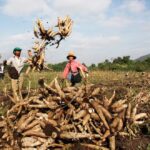
This Vietnamese root vegetable is poised to seize significant opportunities in the international market, yet it also faces mounting pressure to transition toward a sustainable development model.