














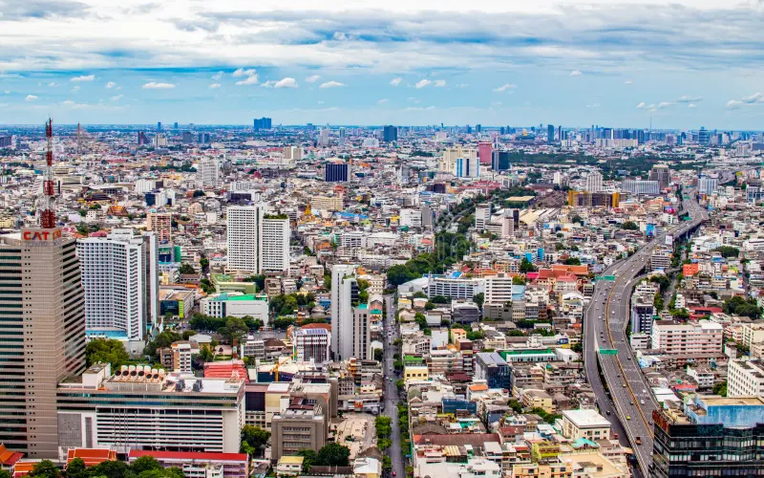
Recently, the IMF released its Article IV consultation report on Thailand, forecasting a slowdown in the country’s GDP growth to just 1.6% by 2026, following an estimated 2.1% in 2025. The report highlights long-term challenges, including high household debt, sluggish tourism recovery, and significant pressure from global supply chains.
The IMF suggests that while accommodative monetary policies may offer some support, “limited policy space and increasing external shocks will restrain growth momentum.” Inflation is projected to reach approximately -0.1% in 2025 and 0.4% in 2026, reflecting mild deflationary pressures or extremely weak growth.
Thailand faces high household debt, an economy heavily impacted by disrupted tourism, and global supply chain disruptions. The IMF emphasizes that the country’s fiscal and spending environment has “significantly narrowed policy space.”
The IMF recommends a careful balance between monetary and fiscal policies to support growth without compromising financial stability. As quoted by VietnamPlus, the report advises: “Effective use of monetary policy tools and targeted stimulus is essential, given the limited policy space.”
Vietnam’s Economy: A Regional Bright Spot
In contrast, Vietnam is gaining prominence in international reports. According to the IMF, Vietnam’s GDP growth is projected at 6.5% in 2025, maintaining a similar rate of 6.5-6.6% in 2026. Despite pressures from U.S. tariffs and global trade, Vietnam is hailed as a “bright spot” with a more resilient economic foundation compared to many regional peers.
Beyond growth figures, Vietnam’s economic quality is also positively assessed: foreign direct investment (FDI) continues to flow in, labor productivity is improving, and policies are driving a shift toward manufacturing and exports.
Resolution No. 366/NQ-CP from the Government’s October 2025 regular meeting outlines “decisive implementation of specific, feasible solutions to ensure the national growth target of 8% or higher in 2025.”
Efforts are focused on achieving a Q4 2025 GDP growth of over 8.4% to ensure an annual growth rate exceeding 8%, with the industrial sector growing at approximately 9.4%, services at 8.3%, and agriculture at 4%. The digital economy is targeted to account for around 20% of GDP.
“Public Investment Ignites the Construction Stone Industry: Companies Thrive, Stocks Soar”
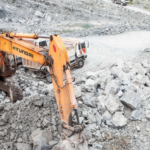
Unprecedented infrastructure investment has sparked a surge in demand for raw materials. Quarry operators are racing ahead, surpassing annual targets in just nine months.
Banking and Securities Stocks Weigh on Portfolio as Pyn Elite Fund Aggressively Accumulates FPT Shares
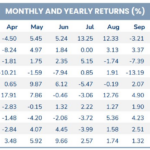
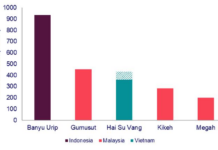
Pyn Elite Fund stands as one of the largest foreign funds in the market, boasting a managed portfolio valued at an impressive €940 million (approximately VND 28.6 trillion or USD 1.1 billion) as of the end of October.
Climate Change Threatens to Erase a Decade of Vietnam’s Economic Growth
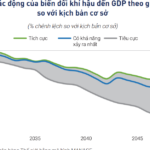
The World Bank (WB) warns that without adequate adaptation measures, climate change could slash Vietnam’s GDP by at least 12.5% by 2050 compared to baseline projections. This would effectively erase nearly a decade of growth, significantly hindering the nation’s goal of achieving high-income status by 2045.
Vietnamese Citizens Hold 400-500 Tons of Gold, Mostly Locked in Safes – National Assembly Representative Reveals

Members of Parliament have proposed five strategic solutions to mobilize the estimated 400–500 tons of gold held privately by citizens, transforming this dormant asset into a dynamic force for economic growth.
GELEX Secures Spot Among Top 30 Strategic Investment Conglomerates in Vietnam by 2025

This marks the inaugural year Vietnam Report unveils this prestigious list, honoring conglomerates that excel in shaping ecosystems, elevating governance standards, and championing sustainable growth models.