


















According to Daily Galaxy, a colossal oil reserve, estimated by Russian research teams to hold up to 511 billion barrels, has been discovered beneath the Weddell Sea in Antarctica. This staggering figure is nearly double Saudi Arabia’s proven reserves and over ten times the North Sea’s output over the past 50 years. This is no minor find—it ranks among the largest oil reserves ever reported on Earth.
Details of this potential oil field were presented to the UK Parliament’s Environmental Audit Committee (EAC) in mid-2024, immediately capturing the attention of both the scientific community and global energy sector. The discovery highlights the vast, untapped energy potential of remote polar regions, historically under-explored and under-studied.
The 511 billion barrel estimate, as outlined to the UK Parliament, is based on seismic studies conducted by Russian exploration vessels in the Weddell Sea. While this data has yet to be independently verified in public scientific literature, it has sparked significant questions about the economic and strategic implications of the region.
This discovery has also piqued the interest of scientists and geopolitical experts, given its scale far exceeds known reserves. Professor Klaus Dodds, a geopolitics expert at the University of London, remarked: “This is among the largest oil reserves ever reported on Earth. Its potential could reshape perceptions of global oil supply in the future.”
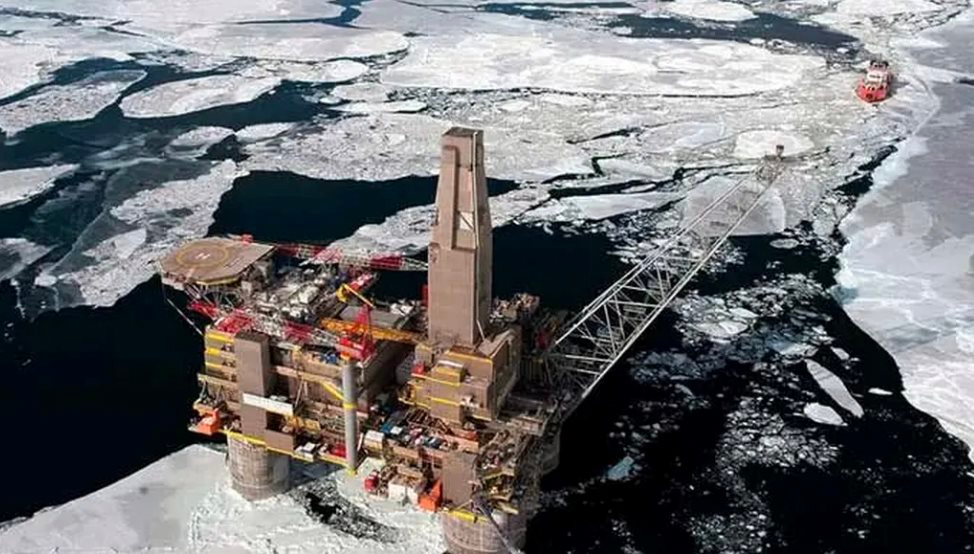
The 511 billion barrels were estimated based on seismic studies conducted by Russian exploration vessels in the Weddell Sea.
Russia’s research area lies deep within the Weddell Sea, where harsh environmental conditions and thick ice make exploration extremely challenging. Teams utilized advanced seismic technology to map the seabed, identifying geological structures capable of holding oil and natural gas.
Russia has maintained Antarctic research stations since the 1950s and intensified seismic surveys in recent years. While the primary focus is scientific research, experts note that the data collected could also provide critical insights into future energy extraction zones.
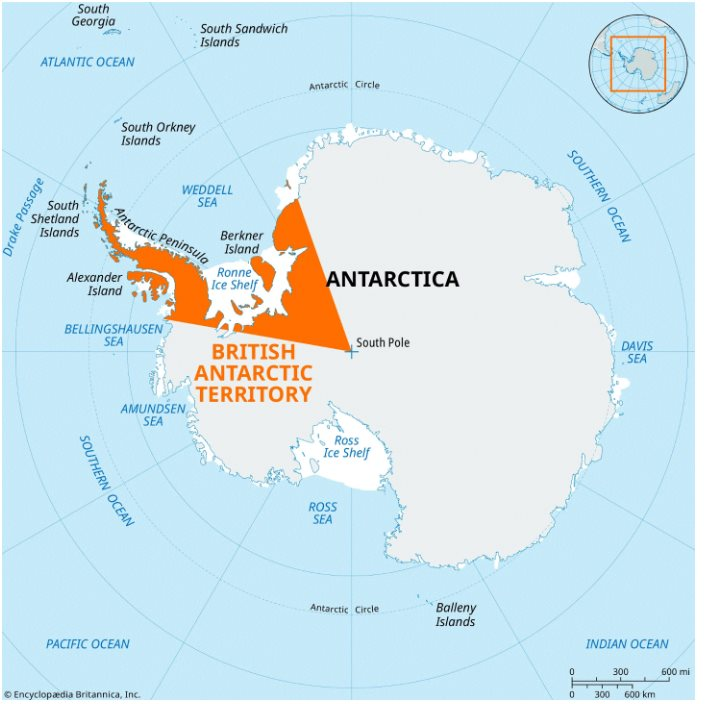
Although Russia made the discovery, much of the reserve falls within the UK’s claimed territory. Antarctica is protected under the 1959 Antarctic Treaty, which prohibits mineral and oil development in the region. The UK’s Foreign Office oversees British interests in Antarctica.
Nonetheless, this discovery carries significant economic and strategic implications. Amid rising global energy demands and dwindling conventional oil sources, untapped polar reserves could become a crucial strategic asset.
Reports suggest this find may influence how nations plan long-term energy strategies. Russia, a major energy producer, might consider future extraction if technology and environmental conditions permit. Collaboration with other polar energy-interested nations could shape investment and extraction decisions for decades.
Experts caution that extracting oil from harsh environments like the Weddell Sea would require advanced technology and substantial costs. However, the reserve’s immense scale makes these challenges economically viable. If successfully developed, this field could supplement global energy supplies for decades, reshaping the world’s energy landscape.