
















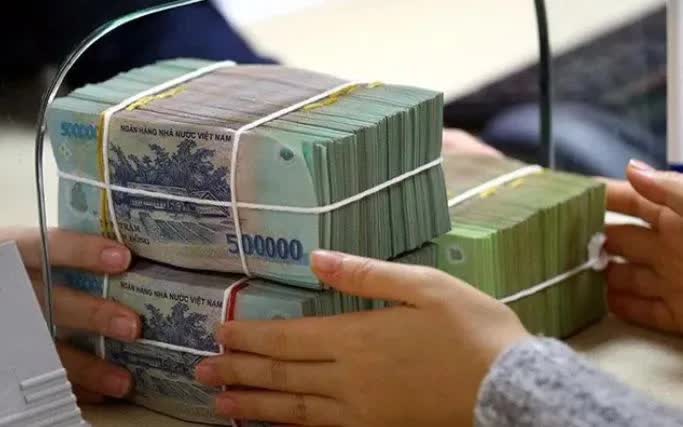
Illustrative image.
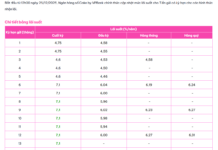
This development reflects a surge in capital demand during peak periods. Notably, the average 12-month interest rate for private banks has risen to 5.34% per annum, while state-owned commercial banks maintain a stable rate of 4.7% per annum.
Meanwhile, consensus forecasts from various analysts predict a 20 to 50 basis point increase in deposit interest rates in the second half of this year. The resurgence of deposit interest rates since the beginning of Q4 underscores the growing need for capital mobilization to support credit growth, which typically accelerates toward year-end in line with seasonal cycles.
According to the State Bank of Vietnam, the total credit balance across the system has increased by 20.69% compared to the same period last year.
Commenting on the year-end interest rate hike trend, economist Can Van Luc attributes this to a cyclical pattern aligned with market demands. He explains that the final quarter of the year sees heightened capital demand, prompting banks to intensify capital mobilization efforts to meet lending needs. This dynamic, he notes, is a natural reflection of supply and demand rather than an anomaly.
Associate Professor and Doctor Pham The Anh, Dean of the Faculty of Economics at the National Economics University, observes that sustaining the low-interest rate environment of recent times will become increasingly challenging amid persistently high global interest rates. U.S. Treasury bond yields and international interbank rates show no significant decline, while the USD/VND exchange rate faces upward pressure.
Additionally, despite a modest 9-month average inflation rate of 3.27%, prices for essential goods and services continue to rise, exerting considerable pressure on low-income households and limiting the feasibility of prolonged low-interest rates.
Dr. Pham The Anh also highlights the potential for a high exchange rate to feed back into inflation. With Vietnamese real estate prices escalating rapidly, maintaining low-interest rates for an extended period is no longer viable. He argues that the current interest rate hike trend is reasonable and should be managed to curb speculative capital flows and foster macroeconomic stability in the medium to long term.
The Ultimate A-Z Guide to Auto Loan Financing for Year-End Purchases

Owning a car through installment payments has become a popular choice, making it possible to achieve your dream of car ownership without waiting to save 100% of the cost upfront. However, without a clear understanding of interest rates and procedures, you may end up burdened with unnecessary additional fees.
Prime Minister Mandates Inflation Control and Macroeconomic Stability

The Prime Minister has called for a harmonious, rational, and effective integration of monetary policy, fiscal policy, and other macroeconomic policies to ensure inflation is controlled in line with the established targets.
Credit Growth in Ho Chi Minh City and Dong Nai Surges 10.37% Over 10 Months
By the end of October 2025, the total credit outstanding in Ho Chi Minh City and Dong Nai Province reached nearly 5.53 quadrillion VND, marking a 1.19% increase from the previous month and a 10.37% surge compared to the end of the previous year.
Banks Hike Deposit Interest Rates to Stabilize Exchange Rates and Balance Capital Flows

Interest rates on bank deposits have rebounded as a strategic move to stabilize exchange rates and balance capital flows, reflecting the mounting pressures from the foreign exchange market as 2025 draws to a close.
LDR Ratio Rebounds: Credit Recovery or Liquidity Strain?

The current landscape indicates that systemic liquidity remains stable. However, a cautious approach to management is imperative at this juncture to maintain financial safety margins and, more critically, to uphold the confidence of both the market and depositors.