Could you provide an update on the current flooding situation and the city’s drainage system capacity?

In recent years, climate change has led to heavy rainfall, causing widespread and prolonged flooding in Hanoi. This has resulted in severe consequences, including traffic paralysis, vehicle damage, disrupted lives, isolated communities, and significant property and economic losses.
Between August 25 and October 8, three consecutive storms caused heavy rainfall, leading to extensive flooding in the city. In some areas, rainfall exceeded 500-600mm/2 days, nearly 200% of the drainage system’s design capacity (310mm/2 days), resulting in localized flooding.
Additionally, heavy rain raised water levels in Hanoi’s outlying rivers above alarm levels. The water level on the Nhue River at Thanh Liet reached +5.7 to +5.9m, exceeding the planned control level of +4.5m. Meanwhile, the ground level in some urban areas and residential districts in the Left Nhue and Right Nhue basins is only +5 to +5.5m. This situation has made gravity-based drainage nearly impossible, causing widespread and prolonged flooding in low-lying areas.
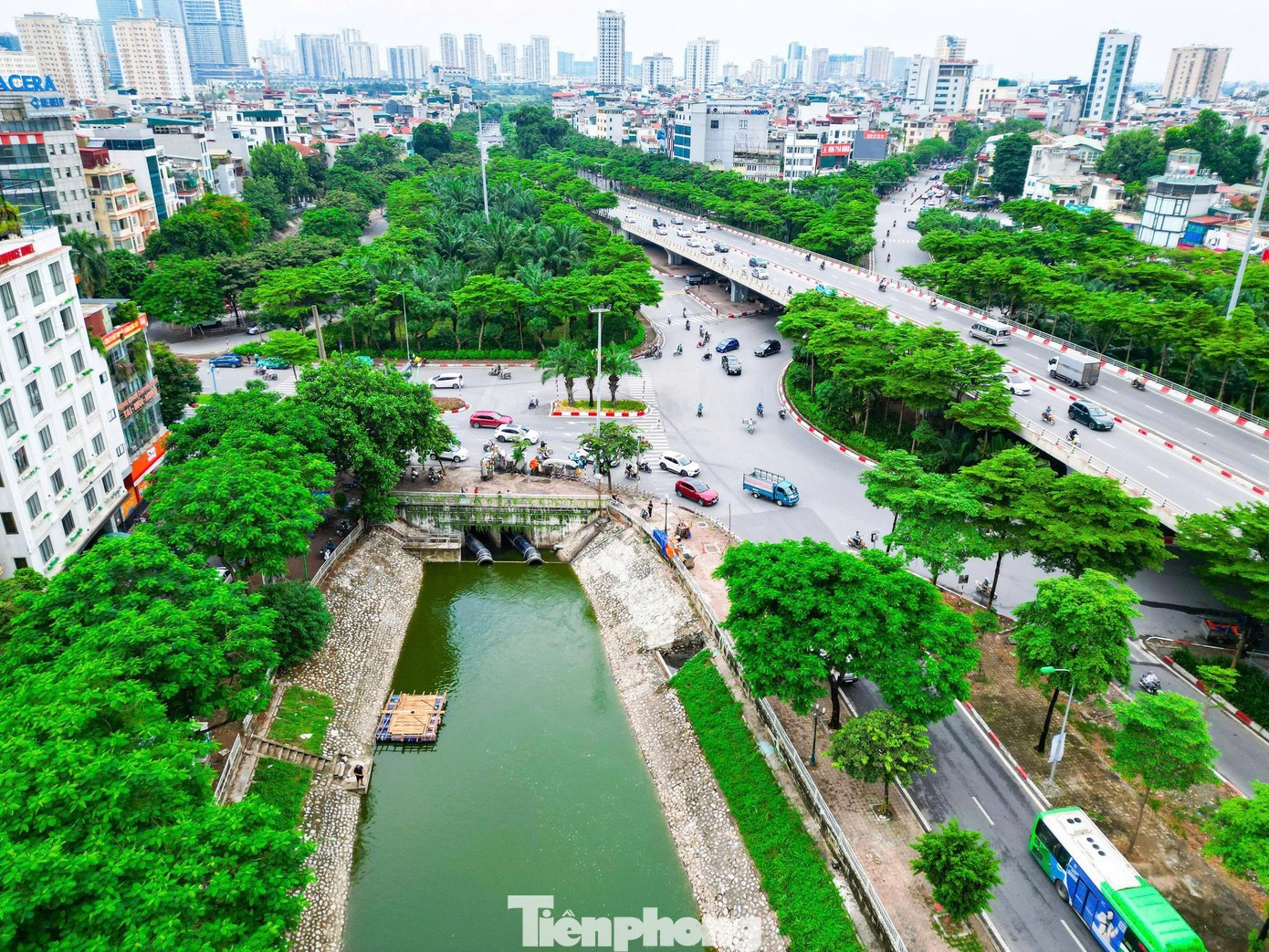
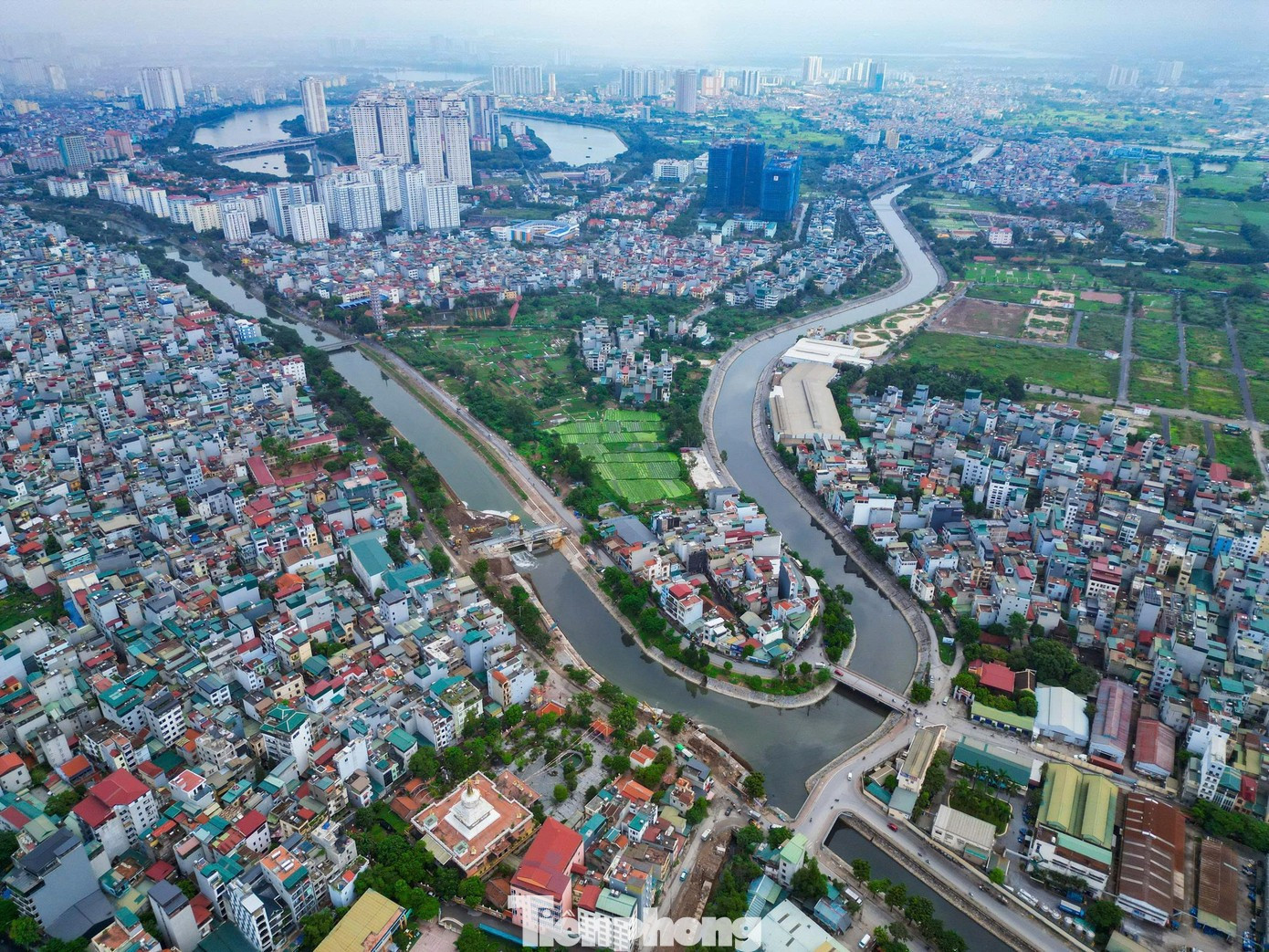
Hanoi’s drainage system is currently being implemented according to the Capital Drainage Plan until 2030, with a vision for 2050 (Decision 725/QĐ-TTg dated May 10, 2013). Through various projects, particularly the Hanoi Drainage Project Phase 1 and 2, the infrastructure in the To Lich River basin (covering approximately 77.5 km² in four inner-city districts) has been largely synchronized.
However, with the current infrastructure, the drainage capacity in the old inner-city districts can only handle rainfall of 310mm/2 days and above 200mm/day, with a 10-year recurrence cycle. For rainfall up to 50mm/hour, no flooding occurs in the city. However, for rainfall exceeding 50mm/hour, the city experiences flooding in 11 to over 100 locations, as seen during the recent Storm No. 10 (Bualoi).

In the western and southern areas along the Nhue River, drainage infrastructure is being developed according to the plan. Drainage primarily relies on agricultural drainage systems, including pumping stations, canals, and rivers.

Given this situation, what measures will the city and the Department of Construction take to address flooding, especially in the southwestern area?
According to the plan, drainage in Hanoi is divided into three main regions: the Left Day, Right Day, and North Hanoi, with 45 drainage hubs and a total pumping capacity of 1,325 m³/s. The completed drainage system will include pumping stations, urban drainage stations, regulating lakes, and drainage canals and rivers.
While the city and relevant departments have made efforts, the investment in drainage infrastructure has lagged significantly behind urban development.
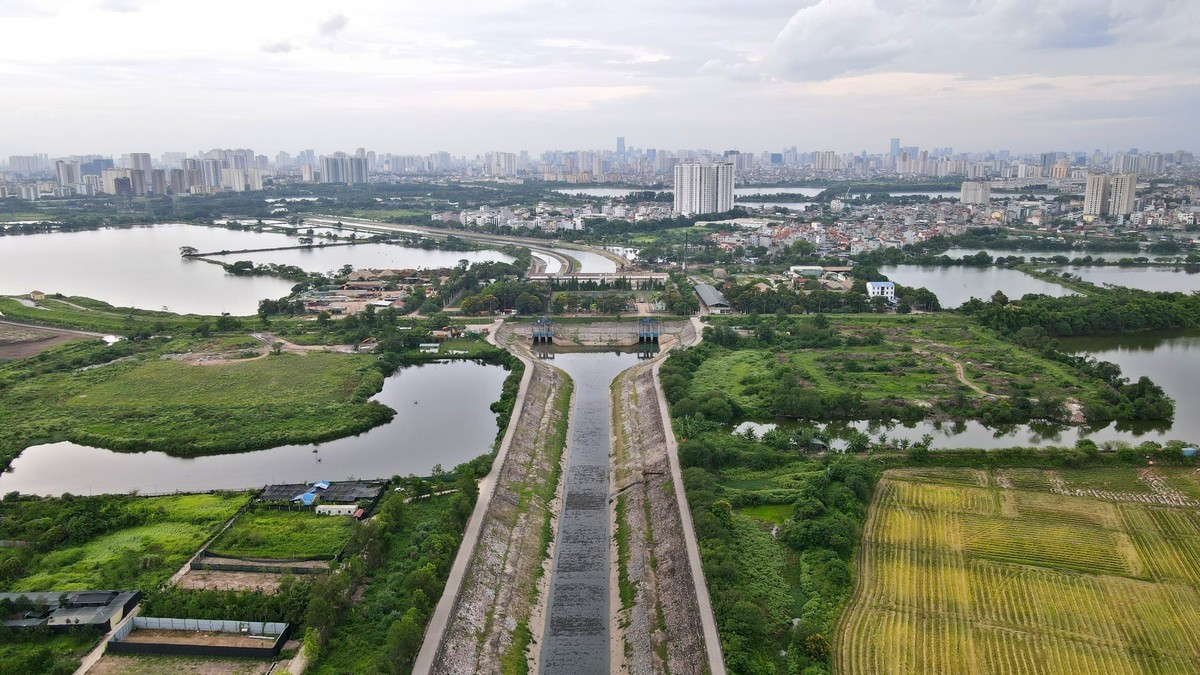
The Yen So pumping station in southern Hanoi has a capacity of 90m³/second, aimed at addressing flooding for rainfall up to 310mm/2 days and nights.
Currently, only 11 drainage hubs are operational, including Yen So, Co Nhue, Dong Bong 1, Dong Bong 2, Bac Thang Long-Van Tri, and Yen Nghia, representing 20% of the planned capacity. The regulating lake system covers approximately 1,010 ha, compared to the planned 5,405 ha, achieving 18.7%.
The urban drainage canal, river, and sewer system is synchronized only in the To Lich River basin. The Left Nhue, Right Nhue, and Long Bien basins are in the preparation phase for investment. In new urban areas, drainage systems are planned but not yet synchronized with the city’s overall drainage infrastructure, including both drainage systems and ground levels.
To implement the plan and address the current complex flooding situation, the Department of Construction has developed both short-term and long-term solutions.
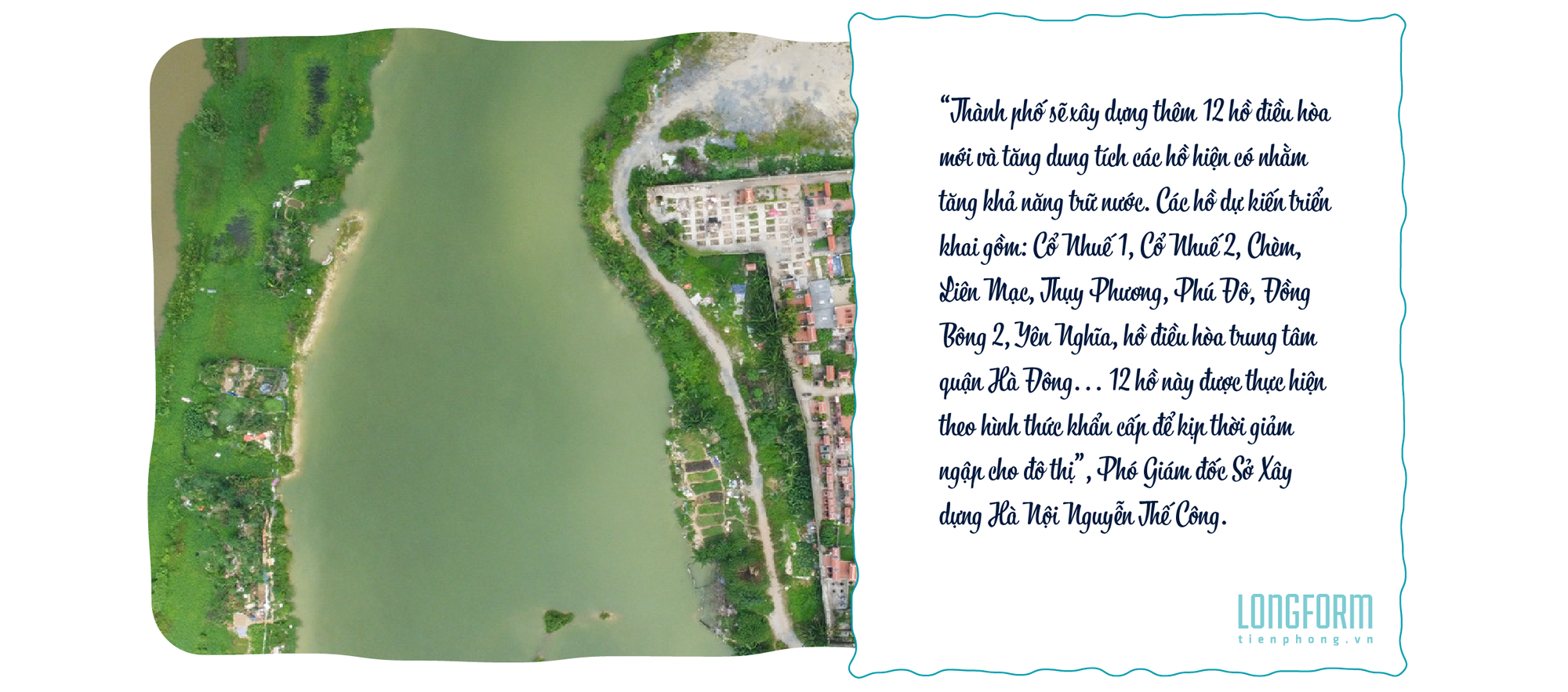
In the short term, the Department of Construction will expedite the ground level and urban drainage plan, complete the localized flooding control plan for the inner city, and propose six key measures to the City People’s Committee. These measures focus on addressing flooding in the To Lich River basin (four inner-city districts) by improving drainage capacity in the To Lich, Lu, Set, and Kim Nguu rivers, increasing the capacity of existing regulating lakes, and adding local flood control infrastructure (including reservoirs, pumping stations, and connecting sewers).
The Department will also address flooding in heavily affected residential areas such as Thang Long Avenue, Resco, Ciputra, Vo Chi Cong, Ngoai Giao Doan, Tay Ho Tay, Long Bien, Gia Lam, and Dong Anh. Solutions include directing drainage to the To Lich, Nhue, and Red rivers.
Additionally, the city will complete drainage hubs for the Nhue River to the Red and Day rivers, enhance connectivity to the Nhue River, and increase capacity at the Yen Nghia pumping station and the Lien Mac hub.
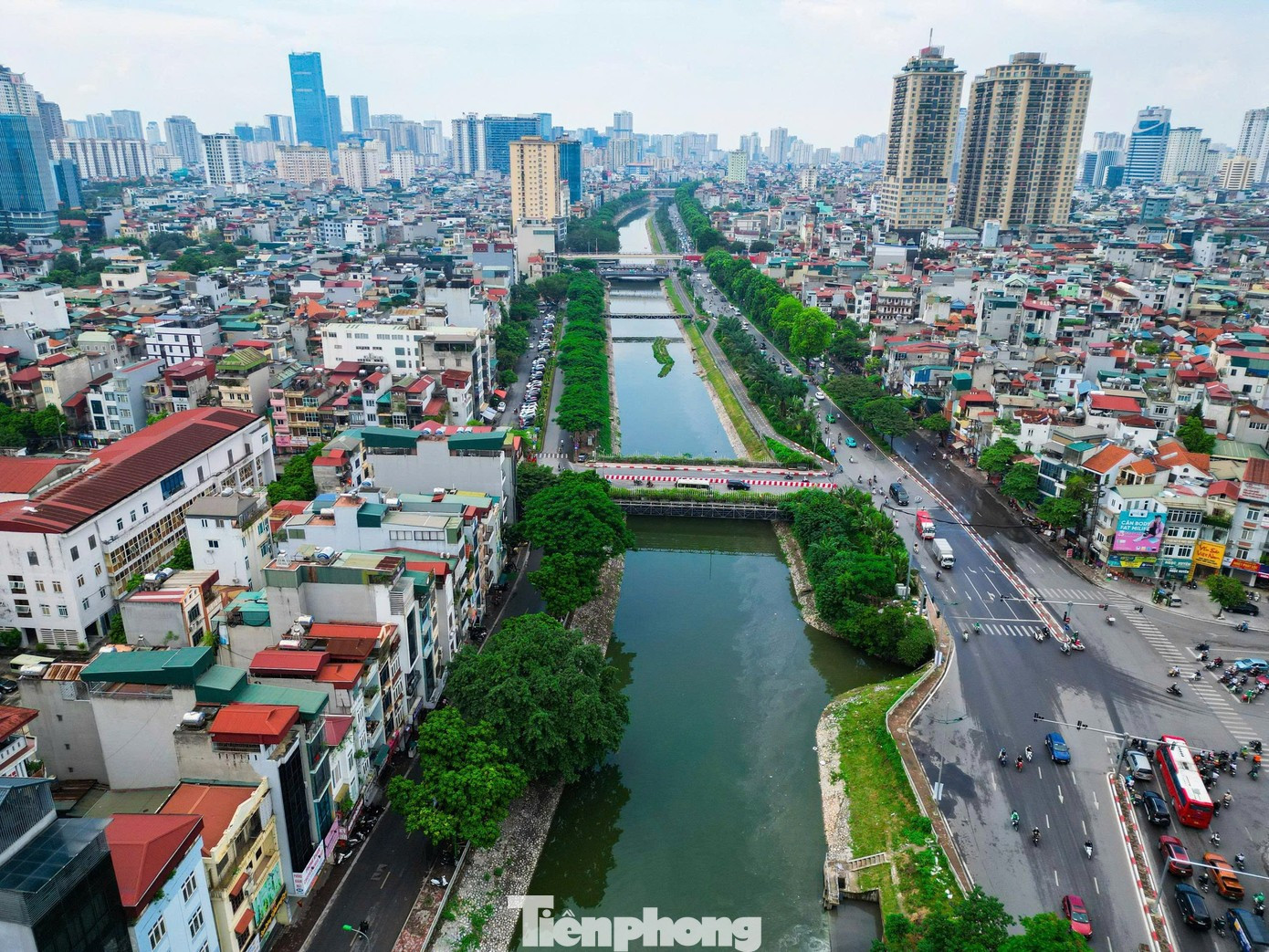

For long-term solutions, the Department of Construction is finalizing the Localized Flooding Control Plan, expected to be submitted to the City People’s Committee for approval in Q4/2025. This plan accounts for rainfall exceeding the current drainage capacity and accelerates local flood control projects, aligned with the Hanoi Ground Level and Drainage Plan until 2045, with a vision for 2065, considering climate change and rainfall above 310mm/2 days.
The city will construct 12 new regulating lakes and expand existing ones to increase water storage capacity. These lakes include Co Nhue 1, Co Nhue 2, Chem, Lien Mac, Thuy Phuong, Phu Do, Dong Bong 2, Yen Nghia, and the central lake in Ha Dong District. These projects will be implemented urgently to reduce urban flooding.
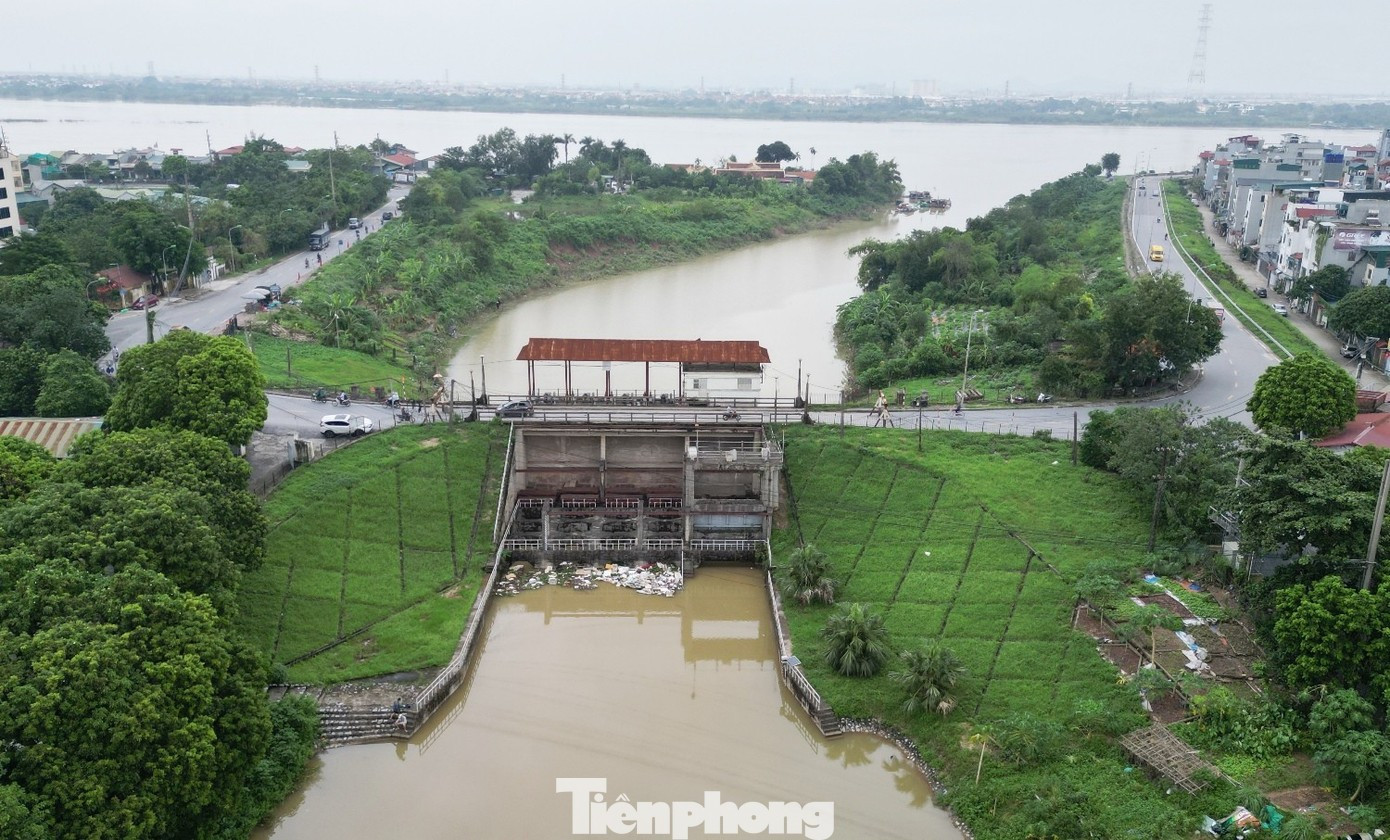
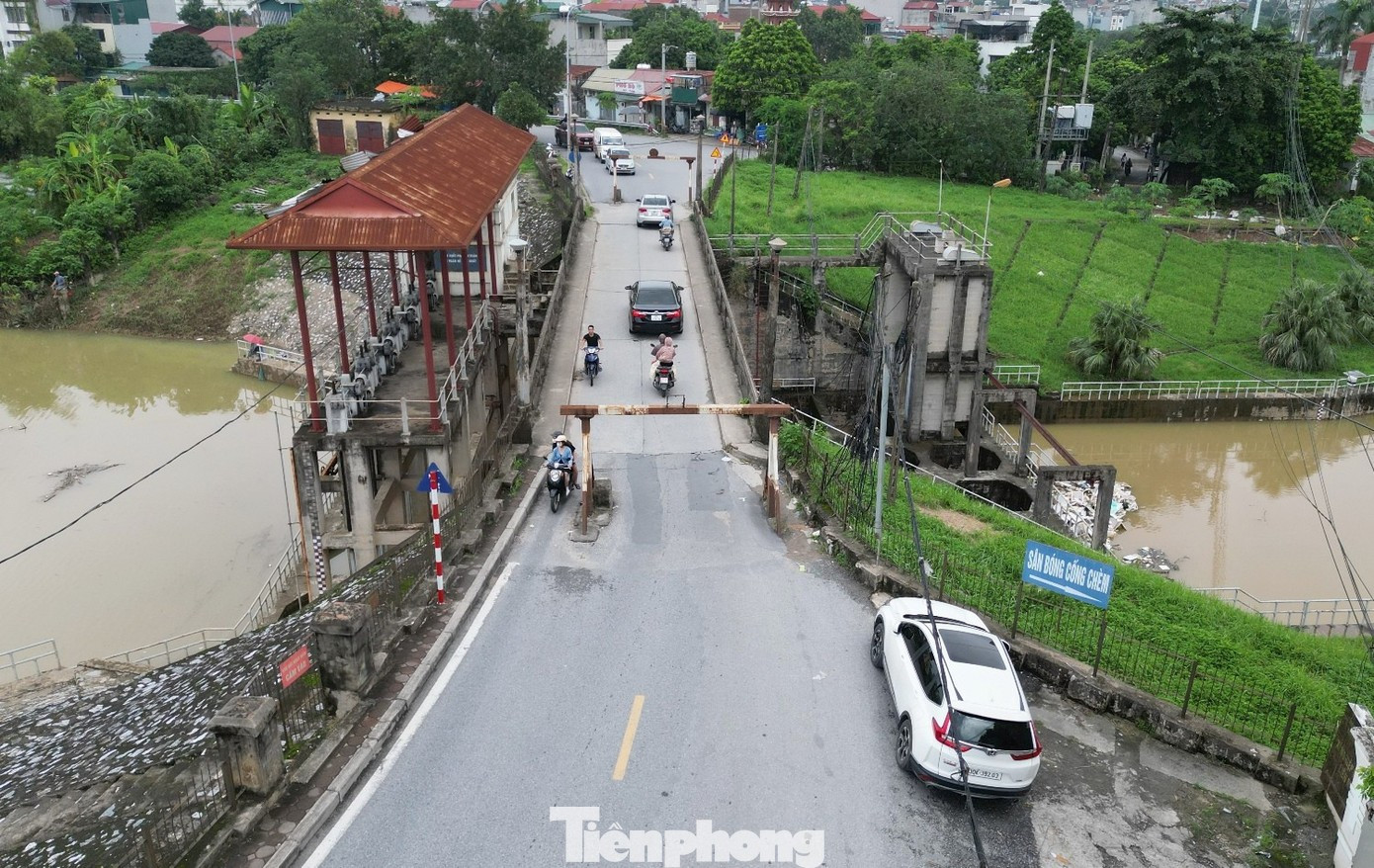
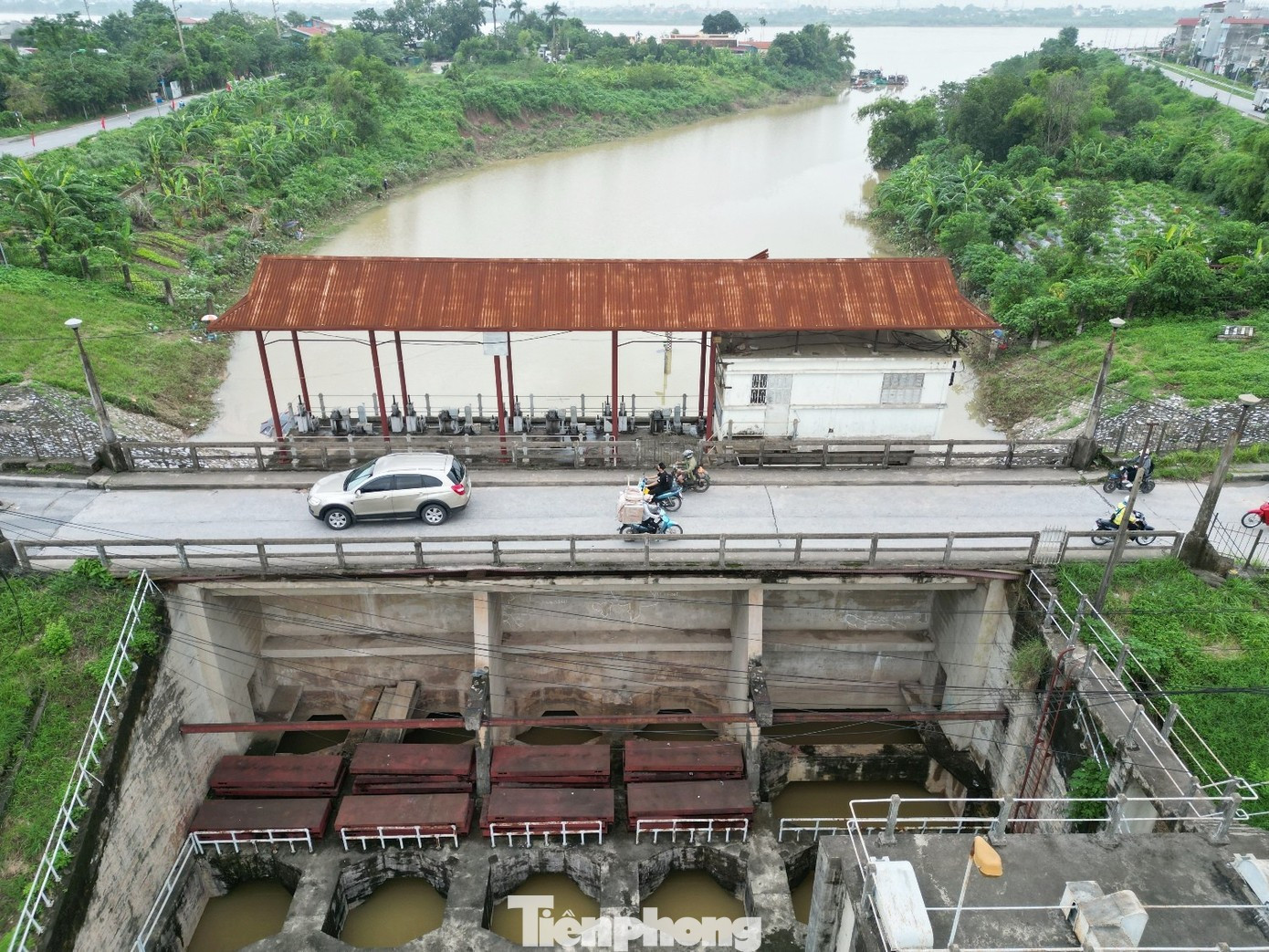
With a pumping capacity of 170 m³/s, the Lien Mac pumping station will be Hanoi’s largest rainwater drainage facility upon completion. The project has a total investment of over 4,200 billion VND.

What are the causes of severe flooding in western urban areas, and what solutions does the Department propose?
Following recent flooding, the Department of Construction and relevant units have inspected urban areas lacking drainage connections to the city’s infrastructure and local pumping stations. Developers in these areas have been instructed to complete canal and sewer systems and invest in internal pumping stations. The Department has also directed immediate flooding control measures for each urban area.
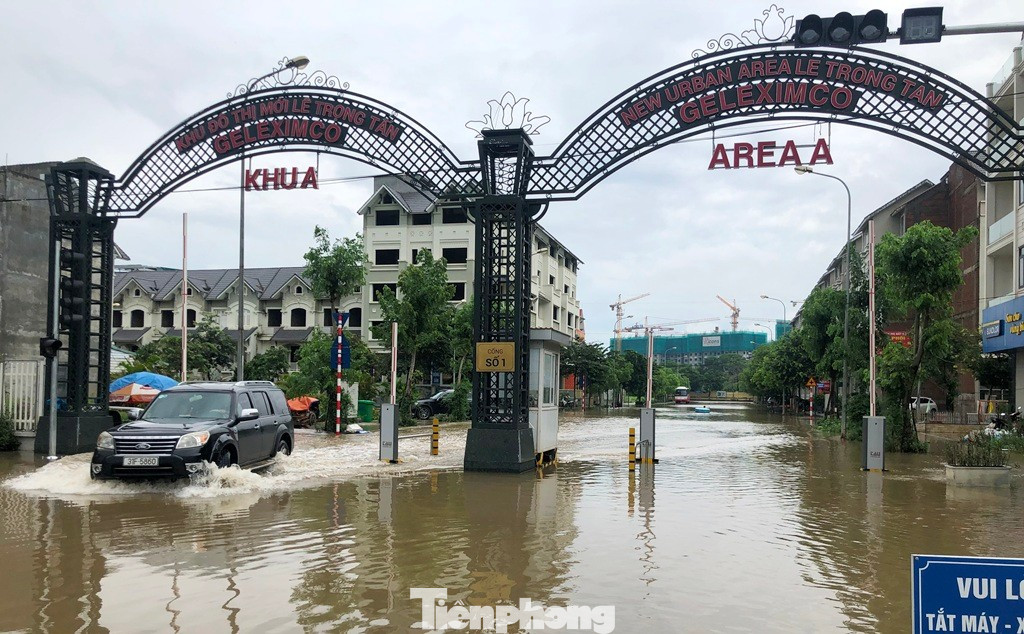
Many western urban areas in Hanoi were submerged for days during recent rains.
Specifically, in the Vo Chi Cong area, drainage will be directed to Tay Ho Tay, increasing capacity toward Ngoai Giao Doan. In Ciputra, measures include lowering the lake water level to 4.0m and pumping water from residential areas.
In Resco and Ecohome (Dong Ngac Ward), the Thuy Phuong canal has been connected to the Nong Lam sewer, with water pumped directly to the Nhue River. In urban areas along Thang Long Avenue, agricultural canals T3A and T3B will be dredged, and the Dong Tep pumping station will be completed to drain water to the Cau Nga River.
With these synchronized and determined measures, we are confident that Hanoi’s flooding situation will significantly improve in the near future.
Thank you very much!
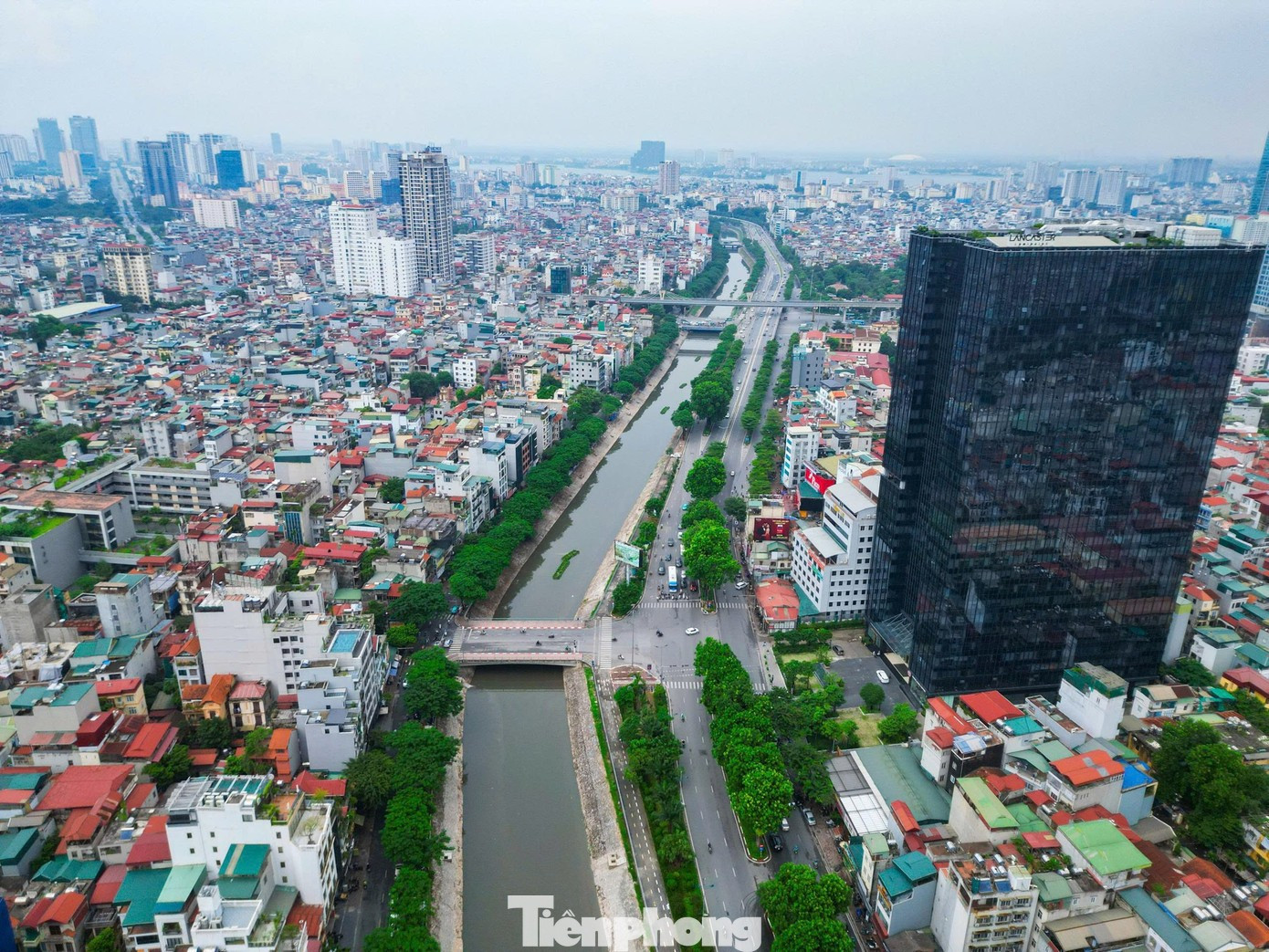
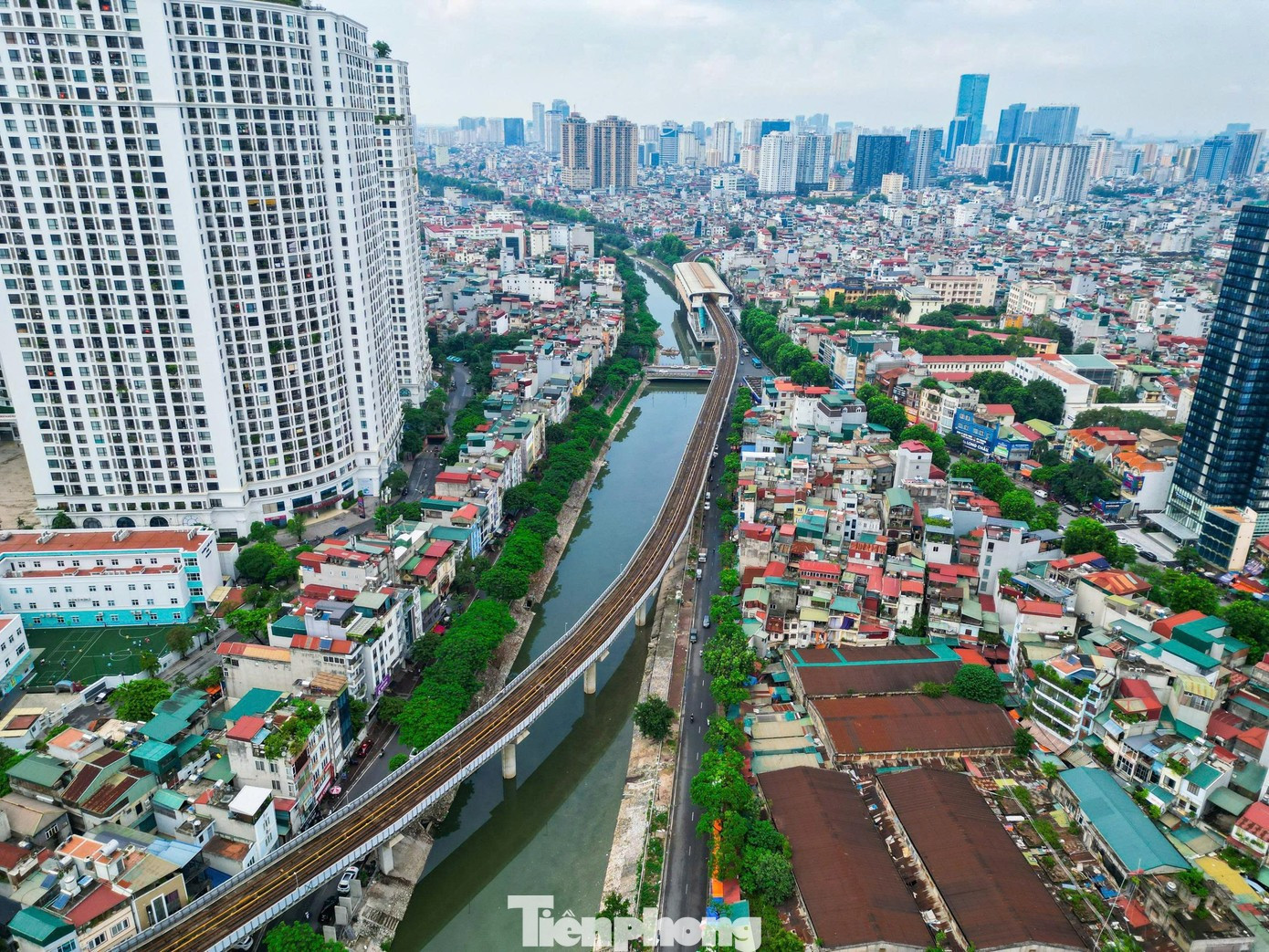
Climate Change Threatens to Erase a Decade of Vietnam’s Economic Growth
The World Bank (WB) warns that without adequate adaptation measures, climate change could slash Vietnam’s GDP by at least 12.5% by 2050 compared to baseline projections. This would effectively erase nearly a decade of growth, significantly hindering the nation’s goal of achieving high-income status by 2045.
Ho Chi Minh City’s Department of Construction Updates on Tidal Surge Developments and Response Measures

Over the past period, as forecasted by the Southern Regional Hydro-Meteorological Center, the combination of the Northeast Monsoon and tidal cycles has caused an unusually high sea level rise. This resonance resulted in a tidal peak of +1.82m, surpassing the Level III alert threshold of +1.6m, leading to flooding in many low-lying areas across Ho Chi Minh City.
Devastating Floods Spark Urgent Calls for Emergency Financial Aid Package

In recent days, we have been deeply saddened to witness the struggles of people across various regions as they endure the devastating impacts of natural disasters and severe flooding. Addressing this urgent situation, National Assembly Deputy Trần Hoàng Ngân has called upon the Government to promptly submit an emergency financial package to the National Assembly. This critical funding aims to address the aftermath of these calamities, restore damaged infrastructure, and ensure social welfare for those affected.
Unlocking Sustainability: Why Circular Water Economy is Essential for Ho Chi Minh City’s Future

Ho Chi Minh City’s water resources are being stretched to their limits, with increasing volumes of wastewater being discharged into the environment. Experts warn that without significant changes in water usage and treatment practices, the city faces an imminent risk of water scarcity.
Trungnam Group Seeks Acquisition of 9 Land Plots as Payment for 10-Trillion-VND Anti-Flooding BT Project Contract
Recently, Trungnam Group (Trung Nam Construction Investment Joint Stock Company) submitted an official document to the leadership of Ho Chi Minh City regarding the land fund allocated for payment under the BT contract for the project “Addressing Tidal Flooding in Ho Chi Minh City Considering Climate Change Factors – Phase 1.”