












Vietnam’s National Action Plan on Air Quality Improvement for 2026–2030, with a vision to 2045, has been approved by the Prime Minister, placing Hanoi and Ho Chi Minh City at the forefront of the green transportation transition.
According to Decision 2530/QĐ-TTg, by 2030, 100% of public transport vehicles in these two major cities must use clean, green, and environmentally friendly energy.
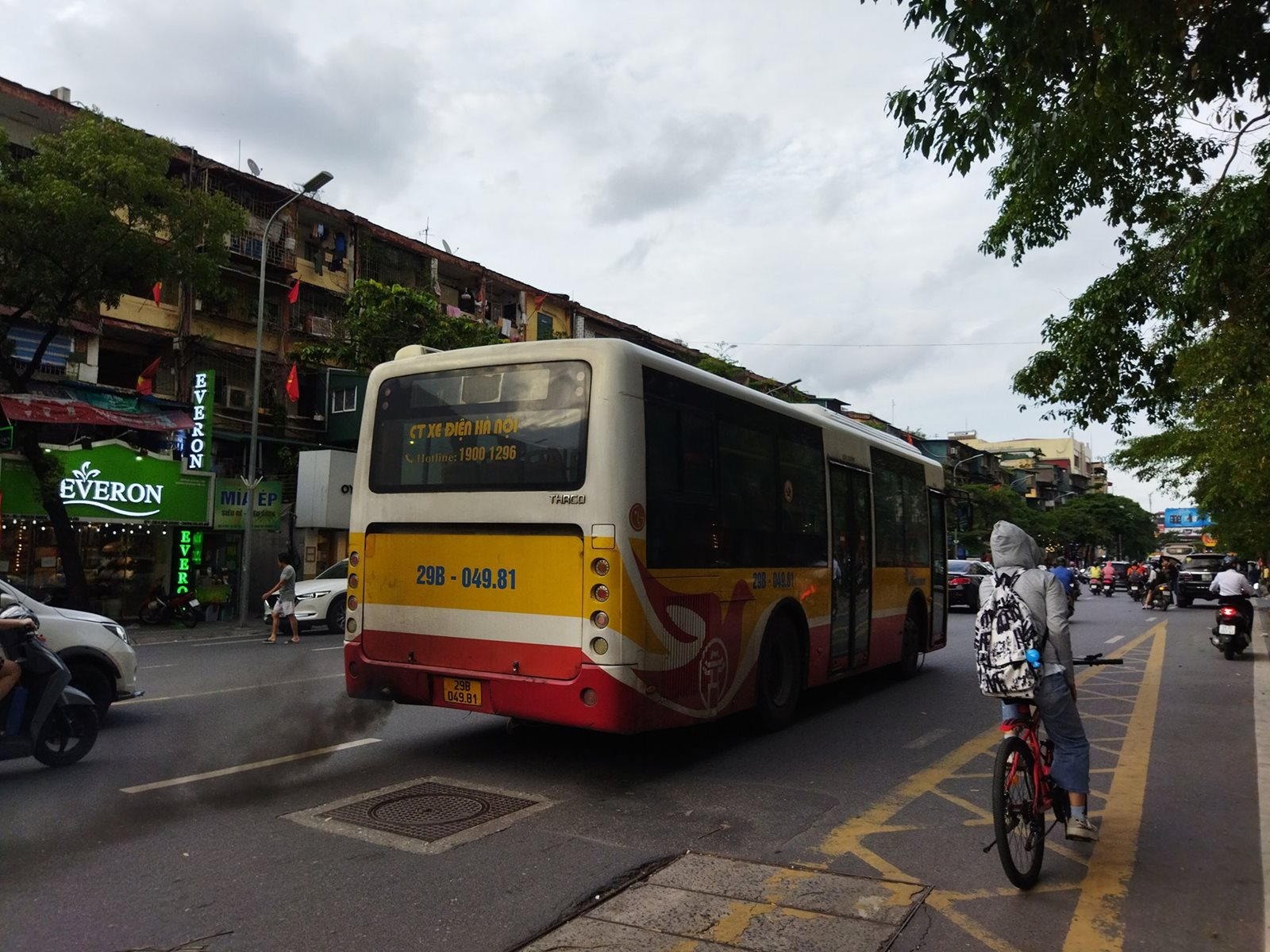
Greening public transport is a critical goal in the effort to achieve net-zero emissions.
Amid concerning levels of PM2.5 fine dust in Hanoi and poor air quality in major urban areas, the plan emphasizes controlling, preventing, and gradually mitigating air pollution while increasing the share of public passenger transport.
The transport system—with buses as its backbone—is set to be upgraded and transitioned to electric, gas, or other clean energy sources, alongside infrastructure improvements, charging stations, and air quality monitoring networks.
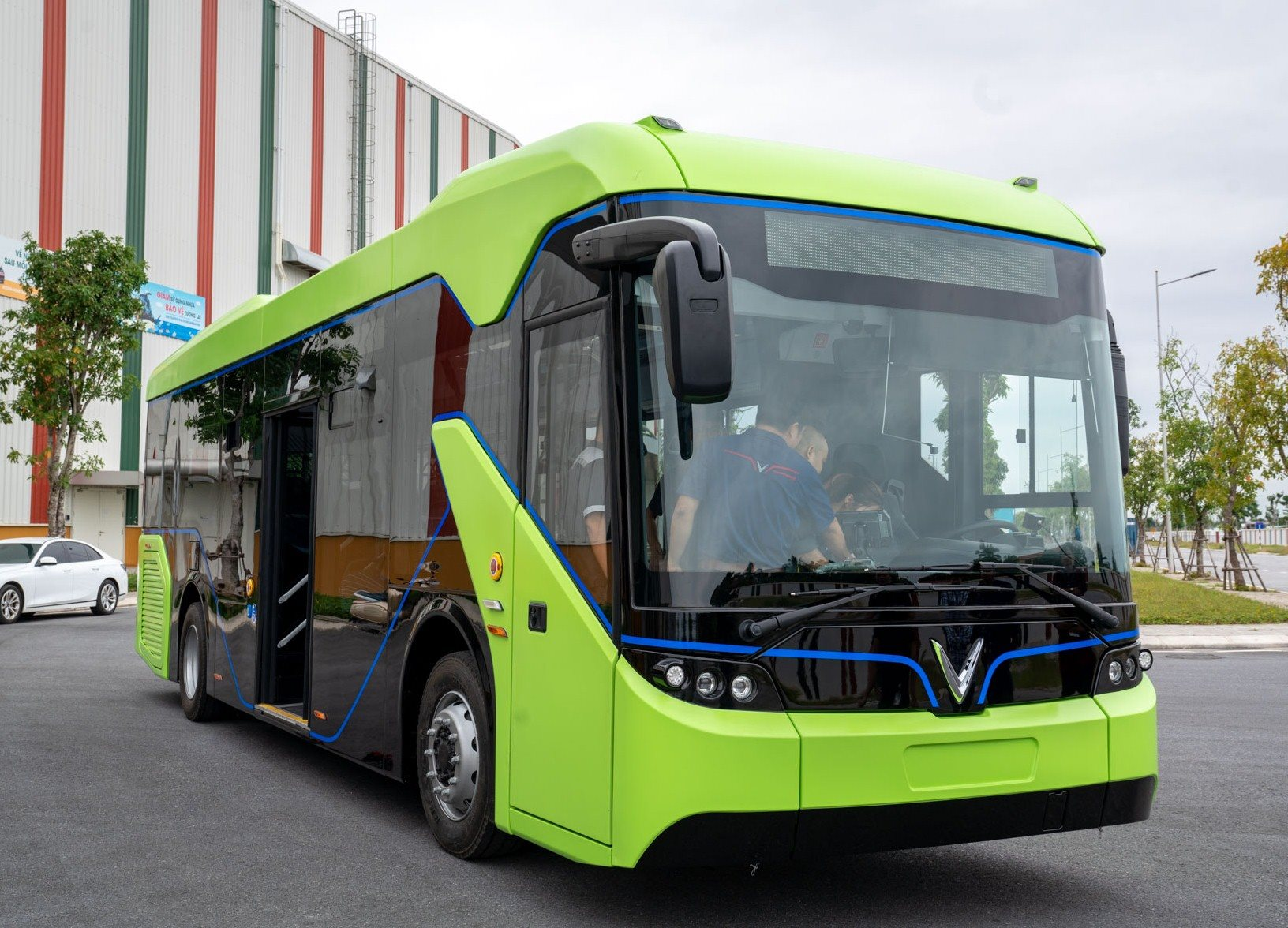
VinBus electric bus operated by VinFast.
Specifically for Hanoi and Ho Chi Minh City, the plan mandates the implementation of policies supporting the transition of public transport and delivery vehicles to clean energy, while enhancing public transport’s role in residents’ daily commutes.
This means that in the coming years, most—and eventually all—current diesel bus routes will be replaced by more environmentally friendly options, such as fully electric, CNG-powered, or other low-emission vehicles.
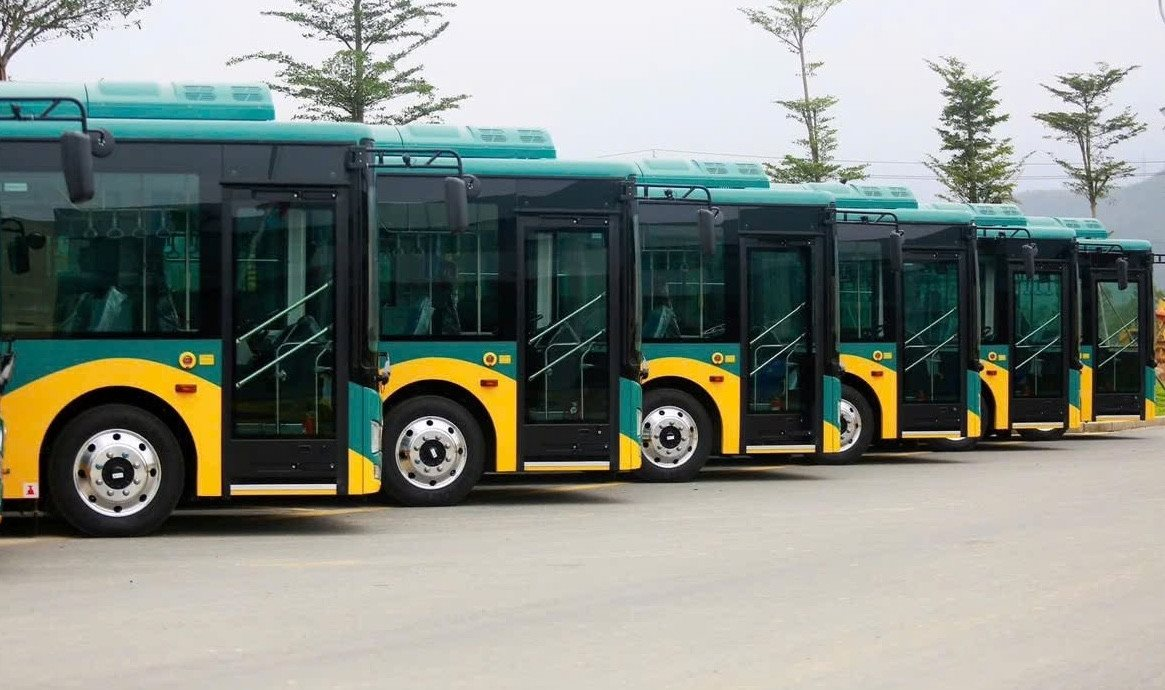
Phuong Trang electric bus connecting Metro Line 1 in Ho Chi Minh City.
The 100% “green” bus target by 2030 does not start from zero.
In recent years, both cities have gradually introduced eco-friendly bus routes, from CNG to electric, laying the groundwork for the upcoming transformative phase.
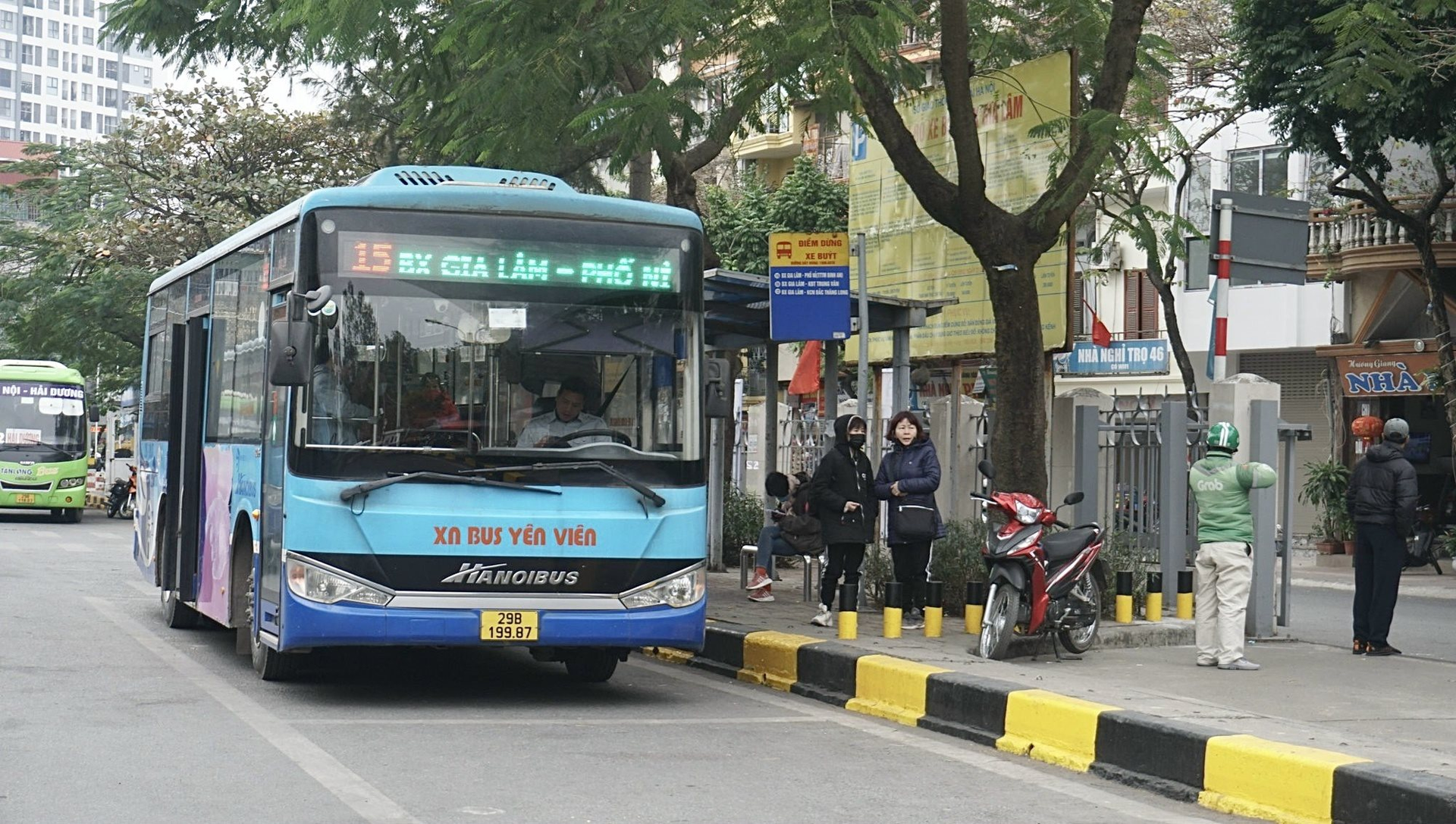
In Hanoi, alongside the comprehensive transition roadmap advised by the Department of Transport, the city has established a stable electric bus network. According to aggregated statistics, VinBus operates dozens of electric bus routes in Hanoi, alongside others managed by Transerco.
Previously, Hanoi also launched CNG-powered bus routes to reduce emissions compared to traditional diesel buses. However, environmental experts note that CNG is only a transitional solution and must eventually be replaced by electric buses for long-term sustainability.
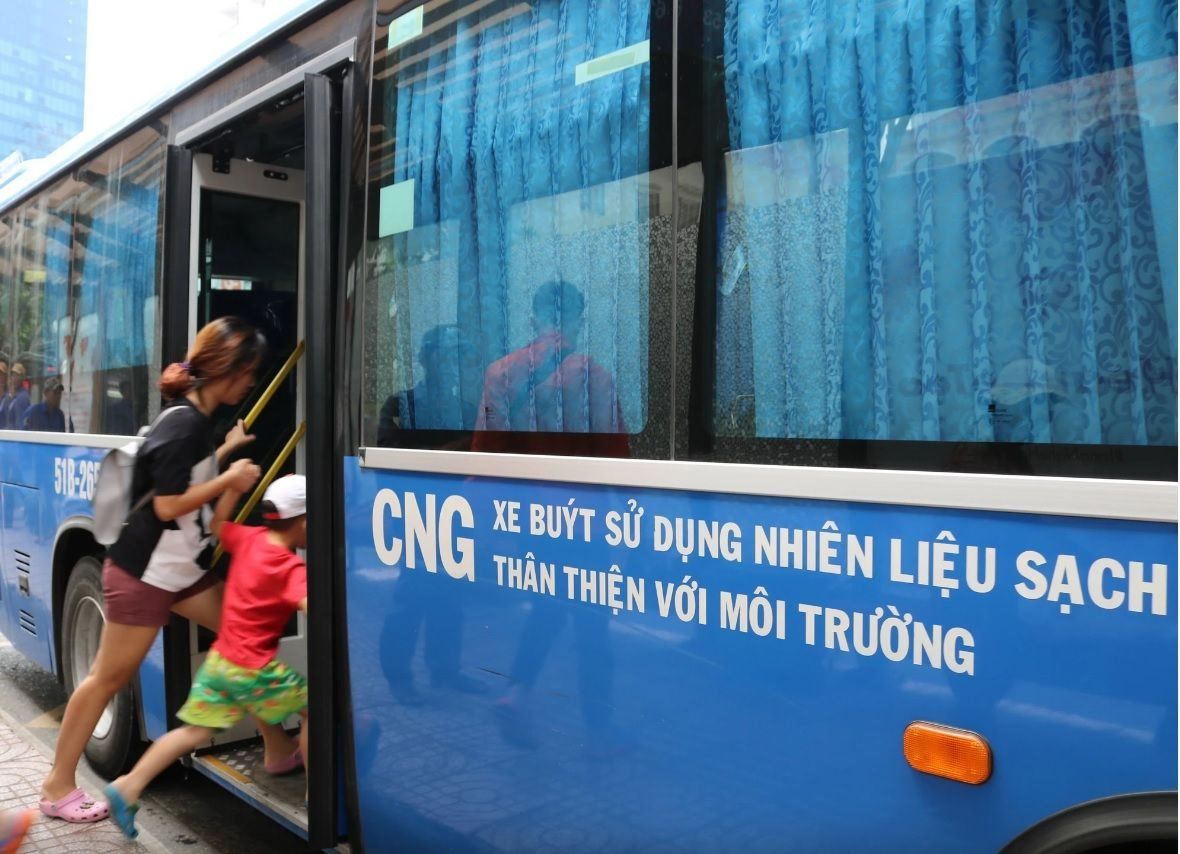
CNG buses have been deployed but are still considered not entirely clean and need to transition to electric.
In Ho Chi Minh City, the “greening” of the bus fleet is underway on a large scale, particularly with CNG and fully electric buses. From August 1, 2025, the city launched 27 new electric bus routes, bringing the total to 613 electric buses, primarily operated by VinBus and Phuong Trang.
By 2030, the city aims to have approximately 3,600 electric buses across nearly 300 routes, fully replacing fossil fuel-powered buses, including CNG.
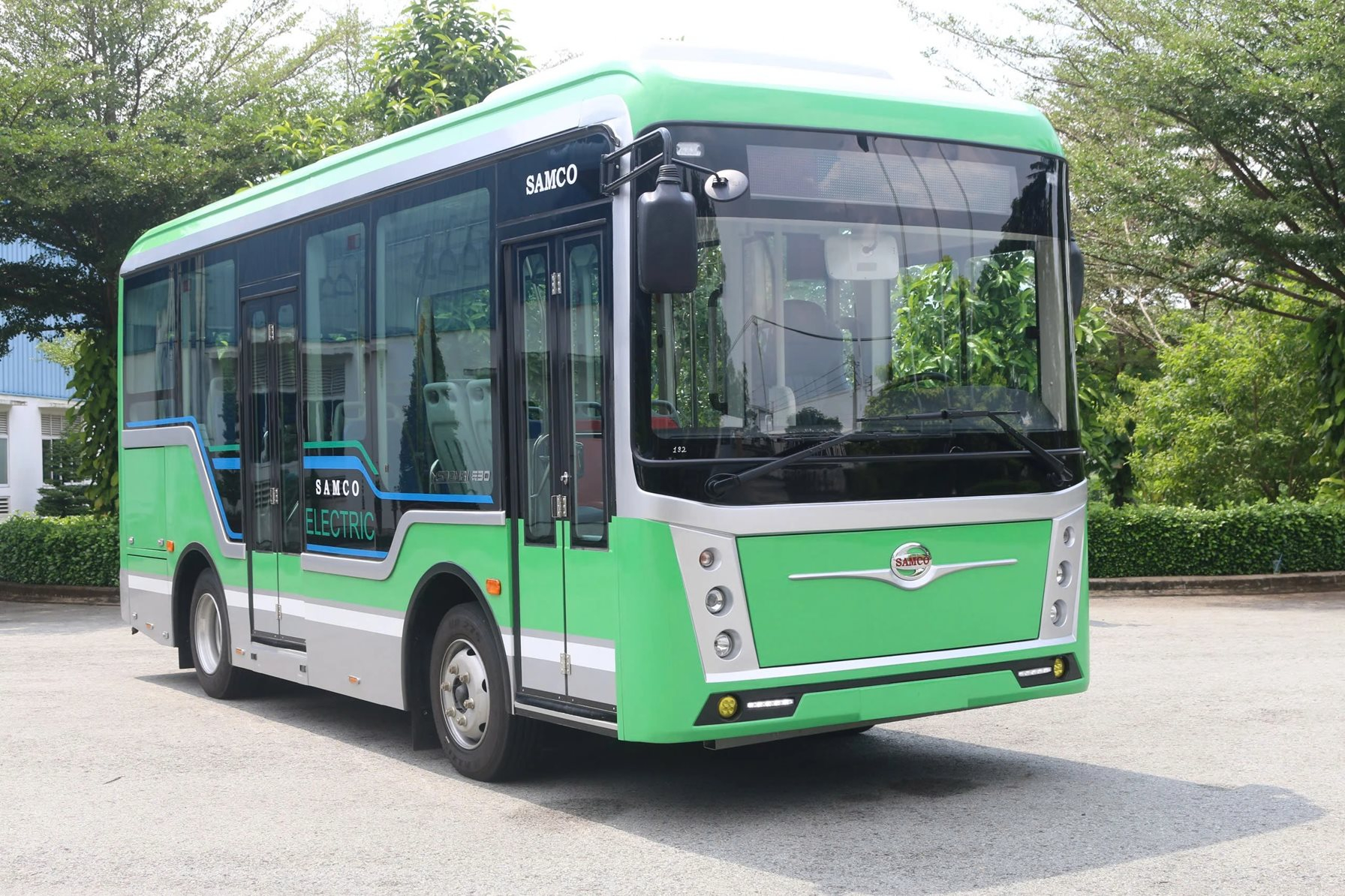
SAMCO has also developed an electric bus prototype.
The rapid expansion of electric buses is helping Ho Chi Minh City build a low-emission public transport network, integrated with metro, BRT, and major transit hubs.
However, to achieve the 2030 goal of 100% clean energy public transport, the city must address challenges such as significant investment in vehicles, charging stations, power grids, and depot space, while keeping fares affordable to encourage public use.
Unlocking Vietnam’s Top 2 Global Rank: A $19 Billion Investment in Innovative Solutions to Tackle the Industry’s Critical Shortage Crisis
This is the industry that generates over $40 billion in annual export revenue for Vietnam.
Chinese Eagle Creates 65,000 Jobs in Vietnam, Set to Launch New Project Impacting 5,000 Lives
Goertek Vina Group has recently partnered with Bac Ninh Province to forge a new collaboration.
OPES Ranked Among Top 5 Best Workplaces in Vietnam’s Insurance Sector

OPES Insurance Corporation has been honored in the 2025 Vietnam Best Places to Work ranking, securing a spot in the Top 50 among medium-sized enterprises and the Top 5 within the insurance sector. This prestigious recognition is awarded by Anphabe, Vietnam’s leading employer branding and workplace environment consulting firm.
From the Classroom to the Boardroom: Celebrating Entrepreneurs Who Started as Teachers

Before venturing into the business world, renowned entrepreneurs such as FPT Corporation Chairman Truong Gia Binh, Shark Lien, and Nguyen Quoc Thai began their journeys as educators.
Accelerating QR Payments: The Inevitable Shift in Vietnam’s Digital Economy

QR code payments have become a staple in Vietnam, driving digital transformation and fostering international connectivity. However, significant challenges remain to be addressed.