According to Mr. Nguyen Nguyen Phuong, Deputy Director of the Department of Industry and Trade of Ho Chi Minh City, the pork trading platform is expected to bring transparency in pricing, safety, and quality, ensuring consumer confidence. It will also facilitate smoother transactions for farmers.
To ensure the platform’s official launch by the end of Q1 2026, the Department of Industry and Trade will initiate a pilot run in December 2025.
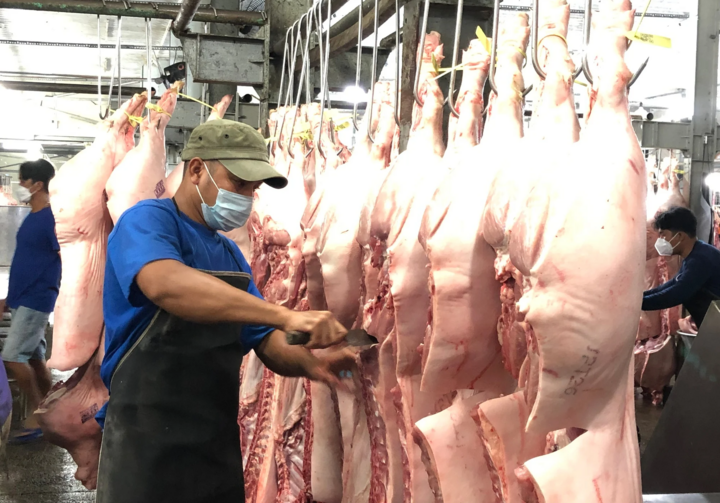
In December, Ho Chi Minh City will pilot the pork trading platform.
“The Department of Industry and Trade has been tasked with contributing to the International Financial Center project in Ho Chi Minh City, including establishing a Commodity Exchange. Given the lack of precedent and practical experience, we proposed pork as the first pilot commodity,” said Mr. Phuong.
The choice of pork as the pilot commodity stems from the department’s previous implementation of a pork traceability program, which has generated comprehensive data meeting international standards for centralized trading.
“Building on this existing data foundation, we boldly proposed the pilot pork trading platform, which has been approved by the city. We are now focused on launching the pilot in December as scheduled,” Mr. Phuong added.
The department is finalizing technical infrastructure, supervision processes, pricing mechanisms, and enterprise connectivity across the supply chain, from feed production to distribution. Several reputable companies in farming, processing, and distribution have registered, ensuring a robust foundation for the platform’s initial operation.
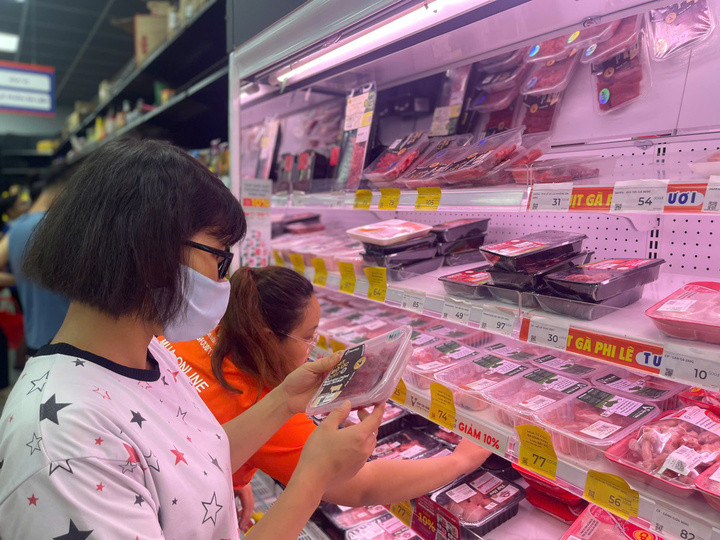
The platform aims to ensure price transparency and protect both farmers and consumers.
The pricing mechanism will be tightly regulated, allowing price increases only when businesses can prove rising input costs. Conversely, during market downturns, businesses may offer promotions to meet demand.
Market dynamics dictate that if prices on the platform exceed external rates, sales will suffer. Thus, platform prices will always reflect real market conditions.
Ho Chi Minh City is the nation’s largest pork consumer, with an annual market value exceeding 25 trillion VND.
Since 2019, the Department of Industry and Trade has collaborated with agencies, businesses, and the Vietnam Commodity Exchange (MXV) to research the pork trading model. The goal is to establish a system ensuring traceability, quality control, food safety, and fair benefits for both farmers and consumers.
Once operational, the platform is expected to reduce intermediaries, enhance price transparency, tighten origin control, and curb speculation. It will modernize the pork industry, aligning it with the standards of a financial and commercial hub, and promote sustainable development.
Regarding price stabilization programs, Mr. Phuong noted that while previously limited to Ho Chi Minh City, the program now includes Binh Duong and Ba Ria-Vung Tau. The department is recalibrating the program to ensure residents in these areas can access stabilized prices, similar to those in Ho Chi Minh City.
In the near term, the department will organize mobile sales in high-density labor and low-income areas of Binh Duong and Ba Ria-Vung Tau, as well as supply goods through local distribution networks.
Participating businesses, with their substantial supply capabilities, are encouraged to extend market stabilization efforts to these two provinces. The department is designing a new 2026 stabilization program, set for April release, with more participating businesses, greater supply, and expanded connectivity across Ho Chi Minh City.
The Fate of the Billionaire Hứa Thị Phấn’s Mega Project
Unveiling the fate of a mega-project in Bình Chánh district (formerly), Ho Chi Minh City, once leveraged by tycoon Hứa Thị Phấn to secure bank loans, remains a compelling question that demands attention. What has become of this ambitious venture?
Surprise: Supermarket Vegetables Cost Nearly Half as Much as Traditional Markets
Amidst the unprecedented surge in vegetable prices due to erratic weather conditions, several supermarkets have steadfastly maintained their green vegetable prices, offering consumers a much-needed respite from the escalating costs.
Ho Chi Minh City Unveils Plan to Simultaneously Complete Three Metro Lines by 2030
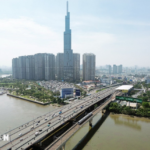
The city is actively developing a PPP funding mechanism, leveraging land resources and implementing Transit-Oriented Development (TOD) around stations to maximize social capital investment.
Ho Chi Minh City: Retail Sales Surge 14.5%, Boosting Lunar New Year Demand for the Year of the Horse

The Department of Industry and Trade of Ho Chi Minh City highlights a key innovation in the second phase of the Collective Promotion Program and Green Tick Responsibility Month: a strategic partnership to promote initiatives across modern urban media platforms.
Groundbreaking of Metro Line 2 and Series of Projects in Ho Chi Minh City to Celebrate the Party Congress
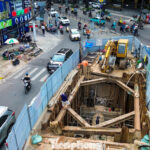
The Ho Chi Minh City Metro Line 2 project (Ben Thanh – Tham Luong) was officially launched to commemorate the 14th National Congress of the Communist Party of Vietnam.