







According to the Vietnam Financial Times (2025), Vietnam’s seaport system currently handles over 80% of the country’s total import-export volume. Among these, the Ho Chi Minh City and Ba Ria – Vung Tau port clusters account for more than 40% of the national output, playing a pivotal role in the logistics chain. The rapid growth of this sector is driving significant demand for living, working, and service spaces for international experts, engineers, and laborers.
From an urban development perspective, the synchronized investment in key highways such as Bien Hoa – Vung Tau, Ring Road 3, and Ben Luc – Long Thanh, along with the expansion of National Highway 51, has transformed the Phu My – Cai Mep – Thi Vai area into a “logistics belt” directly connected to Ho Chi Minh City’s center. This infrastructure completion has laid the foundation for a specialized real estate market—the port city, where investment returns are closely tied to industrial and international trade activities (VnEconomy, 10/2025).
Momentum from Infrastructure and Real Demand
Unlike traditional urban expansion phases, port cities aim for a synergy between production, logistics, and housing. As substantial capital flows into industrial zones near ports, the growing number of foreign experts and engineers is driving a surge in real housing demand and long-term apartment rentals. According to Tien Phong (10/2025), Vietnam’s logistics sector is growing at an average rate of 14–16% annually, becoming one of the highest contributors to GDP. This is why real estate catering to logistics and the expert community in port cities is considered a “sustainable value” segment.
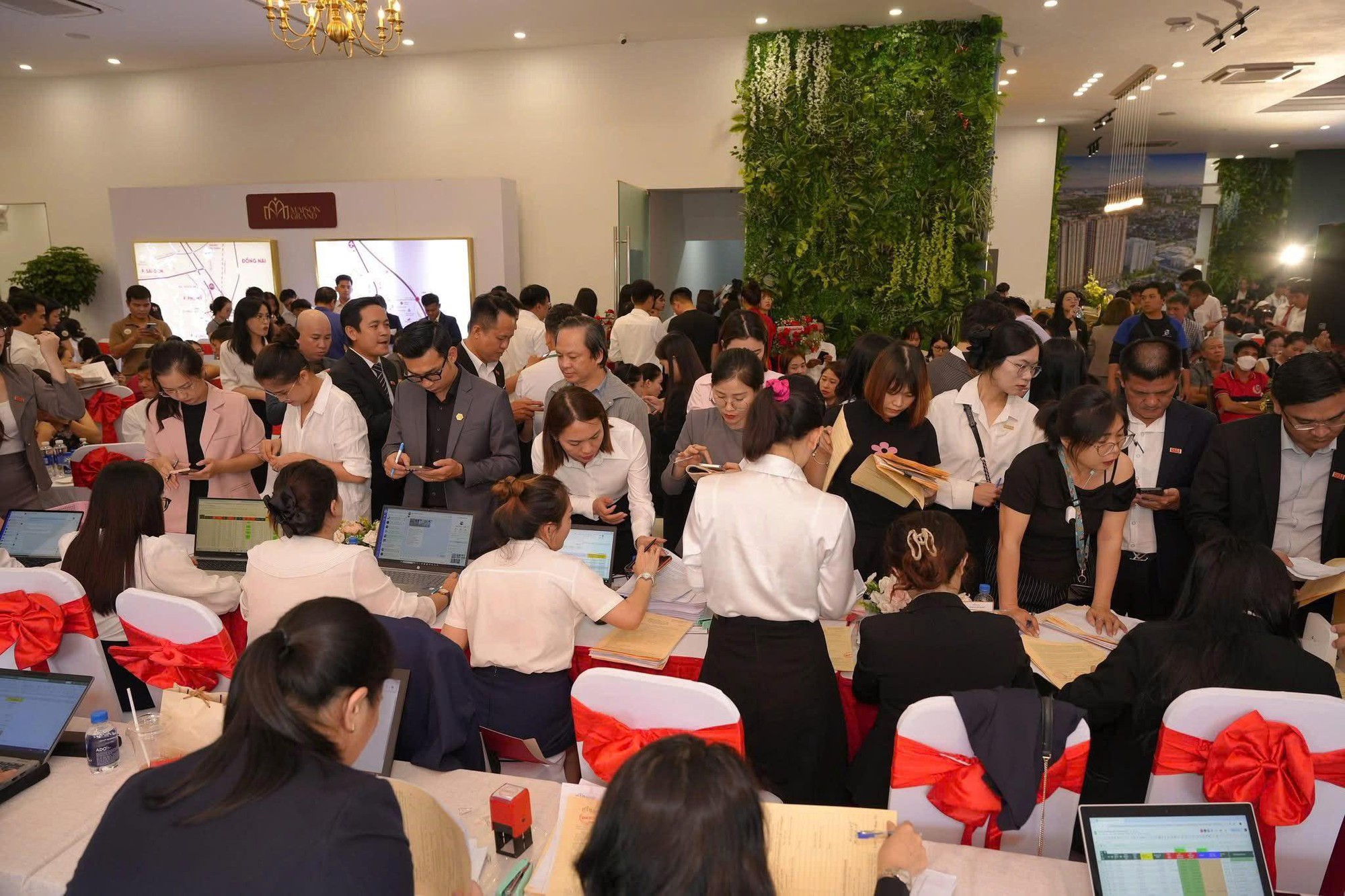
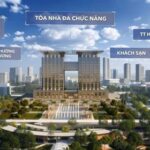
The new phase launch event of Maison Grand attracted a large number of customers and investors.
Recent market reports indicate that the Phu My – Cai Mep – Thi Vai area has seen apartment prices rise by 20–25% in just one year, ranging from 32 to 38 million VND/m² (Cafef, 10/2025). This steady increase, compared to Ho Chi Minh City’s average, reflects genuine residential demand rather than speculative fluctuations.
Simultaneously, the average absorption rate stands at 75–80%, 10 percentage points higher than the city’s overall rate, while new supply has dropped by nearly 40% compared to the same period in 2024 (DKRA Vietnam & Savills Vietnam, Q3/2025). This scarcity makes properties meeting long-term living, rental, and investment criteria highly sought after.
Another notable trend is the emergence of multi-functional apartments, catering to both living and small business needs. This model, popular in international port cities like Singapore and Busan, is gaining traction in the Ho Chi Minh City area.
Maison Grand – A Benchmark for the “New-Generation Port City” Product Line
Experts predict that Ho Chi Minh City’s port real estate will maintain steady growth due to improving inter-regional infrastructure, limited land availability, and rising real housing demand, coupled with urban shifts linked to logistics and international trade. However, this segment requires a long-term investment perspective, focusing on products with practical exploitation potential rather than short-term profit expectations.
In this reshaping market, Maison Grand emerges as a prime example of the new-generation port city product line. Strategically located at Ho Chi Minh City’s trade hub, the project leverages synchronized infrastructure and seamless connectivity to major ports and industrial zones.
Designed with expert residents in mind, Maison Grand offers living spaces that balance privacy with flexible working and long-term rental needs. The project is poised to enhance the port city real estate landscape, where living spaces are intrinsically linked to trade value and sustainable development.
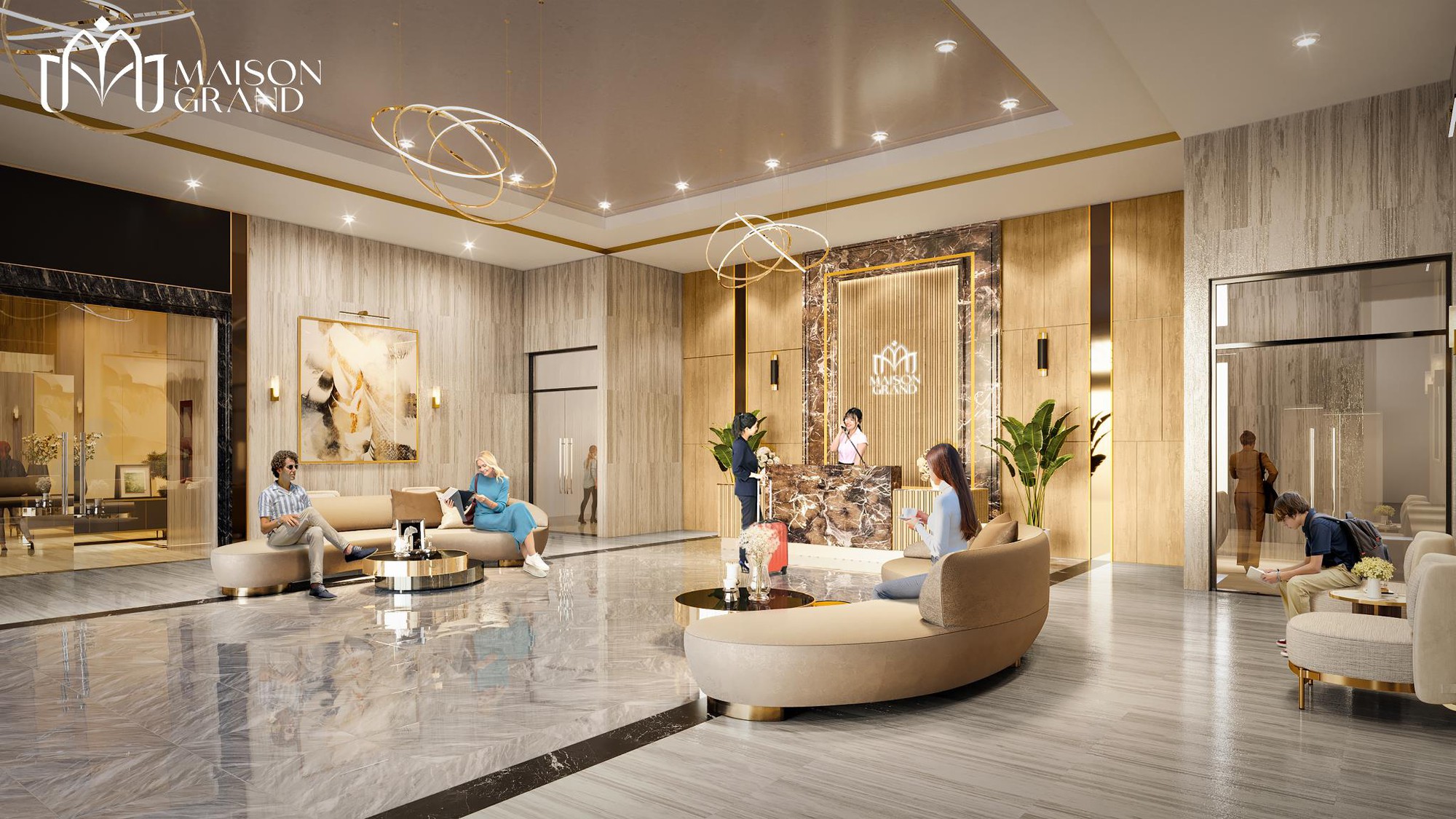
Maison Grand – A Symbol of Expert Living Standards in Phu My.
Ho Chi Minh City’s port real estate market is emerging as a new urban growth engine, where infrastructure, logistics, and urban development converge in harmony. With long-term planning and well-executed projects like Maison Grand, this segment is set to remain a key driver in establishing Ho Chi Minh City as a global port metropolis.
The Billion-Dollar Question: Is Tran De Mega Port Economically Viable?
With an estimated investment of billions of dollars, the economic viability of the Tran De superport remains a critical consideration. Meanwhile, a more feasible alternative has emerged, offering a compelling solution.
T&T Group and Cà Mau Province Sign Landmark Cooperation Agreement to Develop Major Projects

T&T Group and the People’s Committee of Ca Mau Province have signed a Memorandum of Understanding (MoU) to collaborate across multiple key sectors. This partnership paves the way for exploring investments in large-scale projects that will drive the development of infrastructure, urban planning, industrial-logistics, and energy initiatives in Vietnam’s southernmost region.
Da Nang Port Proposes Investment in Lien Chieu Port Terminal
Da Nang Port proposes the construction of Lien Chieu Port without undergoing a land use rights auction for the investment.
Southeast Asia’s Largest SPX Express Sorting Center Under Construction in Hung Yen

Crafted by Frasers Property Vietnam, this bespoke 170,000 sq m facility spans two floors within the prestigious Industrial Center Yen My.
Over 1 Trillion VND Invested in Four Cargo Warehouses at Long Thanh International Airport

The logistics warehouse project at Long Thanh International Airport is designed to support commercial and industrial operations, boasting an impressive cargo handling capacity of approximately 650,000 tons annually.