




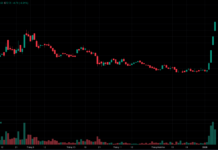











On the morning of November 22nd, Bitcoin plummeted to $80,553, while Ether hit its lowest point in four months. This decline occurred as investors rushed to exit risky assets, fueled by concerns over inflated valuations in tech stocks and uncertainties surrounding potential U.S. interest rate cuts.
Cryptocurrencies, often seen as a barometer of market risk appetite, reflected growing investor fragility. Bitcoin’s continuous price drop coincided with a downturn in AI-related stocks and a spike in the VIX volatility index, signaling heightened market anxiety.
In just one week, Bitcoin shed 12% of its value, erasing all year-to-date gains. Ether’s losses were even steeper, down nearly 19% since the start of 2024.

Global cryptocurrency markets experienced severe turbulence as Bitcoin dropped to its lowest in seven months, nearing the $80,000 threshold.
This downturn follows Bitcoin’s record-breaking surge past $120,000 in October, driven by favorable regulatory developments in several countries.
However, the market remains haunted by last month’s flash crash, which liquidated over $19 billion in trading positions, leaving investors more cautious than ever.
After breaching the $100,000 mark last week and falling toward $80,000, experts warned that this price range aligns with institutional and corporate entry points, potentially triggering intensified sell-offs.
“If this is a risk sentiment story, things could get very ugly, and that’s what the market fears right now,” noted Tony Sycamore, analyst at IG.
Standard Chartered cautioned that if Bitcoin falls below $90,000, half of companies holding Bitcoin as treasury assets would be “underwater,” with holdings valued below acquisition costs.
Such firms might be forced to raise capital or offload crypto holdings, further pressuring market prices.
Publicly traded companies currently hold 4% of circulating Bitcoin and 3.1% of Ether.
Brent Donnelly, Chairman of Spectra Markets, observed, “It’s clear they bought high, and some are now selling low.”
Citi highlighted that $80,000 is the average entry price for Bitcoin ETFs, suggesting a breach could trigger aggressive stop-loss selling.
Over the past six weeks, $1.2 trillion in market capitalization has vanished, according to CoinGecko.
Shares of companies that heavily invested in Bitcoin earlier this year have plummeted. MicroStrategy, down 61% from its July peak, has lost nearly 40% year-to-date. JP Morgan warned of potential MSCI index exclusions, which could spark index fund sell-offs.
In Japan, Metaplanet’s stock has crashed 80% since June.
Donnelly recalled that historical sell-offs in 2018 and 2022 saw Bitcoin lose 75-80%, implying a potential drop to $25,000 if repeated.
“I’m not declaring a crypto winter, but 75-80% corrections have been part of Bitcoin’s history,” he emphasized.
Markets now await U.S. economic data and Fed signals on interest rates. Crypto investors face a critical question: Is this a sharp correction or the onset of a new crypto winter?
Bitcoin Plummets to $80,000 as Fear Takes Hold

Bitcoin’s steep decline continued on November 21st, plummeting near the $80,000 mark and wiping out nearly $890 billion in investor wealth. Many who attempted to “catch the falling knife” by buying the dip have suffered significant losses. The market remains highly volatile, with substantial risks still present.
Proposed Maximum Fine of VND 200 Million for Cryptocurrency Asset Violations

The draft decree outlining administrative penalties for violations in the cryptocurrency and digital asset market proposes a maximum fine of 200 million VND for organizations found guilty of misconduct.
Today’s Crypto Market, November 20: Expert Unveils Surprising Signals for Investors

Experts suggest that the current Bitcoin price dip could mark the final “shakeout” phase, as leveraged investors are compelled to liquidate their positions.
Today’s Crypto Market, November 19: Investors on Edge
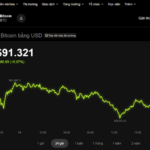
Some forecasts suggest Bitcoin has only a 30% chance of surpassing $100,000 by the end of 2025, while there’s a 50% likelihood it could drop below $90,000.
Over Half a Billion USD Vanishes from the World’s Largest Bitcoin Fund
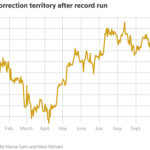
According to data from Farside Investors, investors withdrew a net $523 million from BlackRock’s iShares Bitcoin Trust (IBIT) on November 18th. This marks the largest single-day outflow since the fund’s inception.