


















According to the railway sector’s report, as of noon today (November 23), dozens of trains have been halted along the tracks due to multiple instances of washed-out foundations, rail displacement, and landslides. At Diêu Trì and Tháp Chàm stations alone, five passenger trains remain stranded, including SE1 with 145 passengers and SE8 with 19 passengers, who have been stuck since November 19. With road transportation also paralyzed, the railway sector has provided over 9,400 free main meals and 6,100 supplementary meals to passengers awaiting rescue.
Rescue and recovery efforts are underway across the entire line. In the Diêu Trì – Quy Nhơn area, heavy rainfall has washed away ballast stones, eroding the roadbed by 0.28-0.4 meters and dragging significant amounts of vegetation and debris onto the tracks. Near Km01+877 bridge, a severe landslide has forced authorities to close the entire section since the morning of November 21 for repairs.
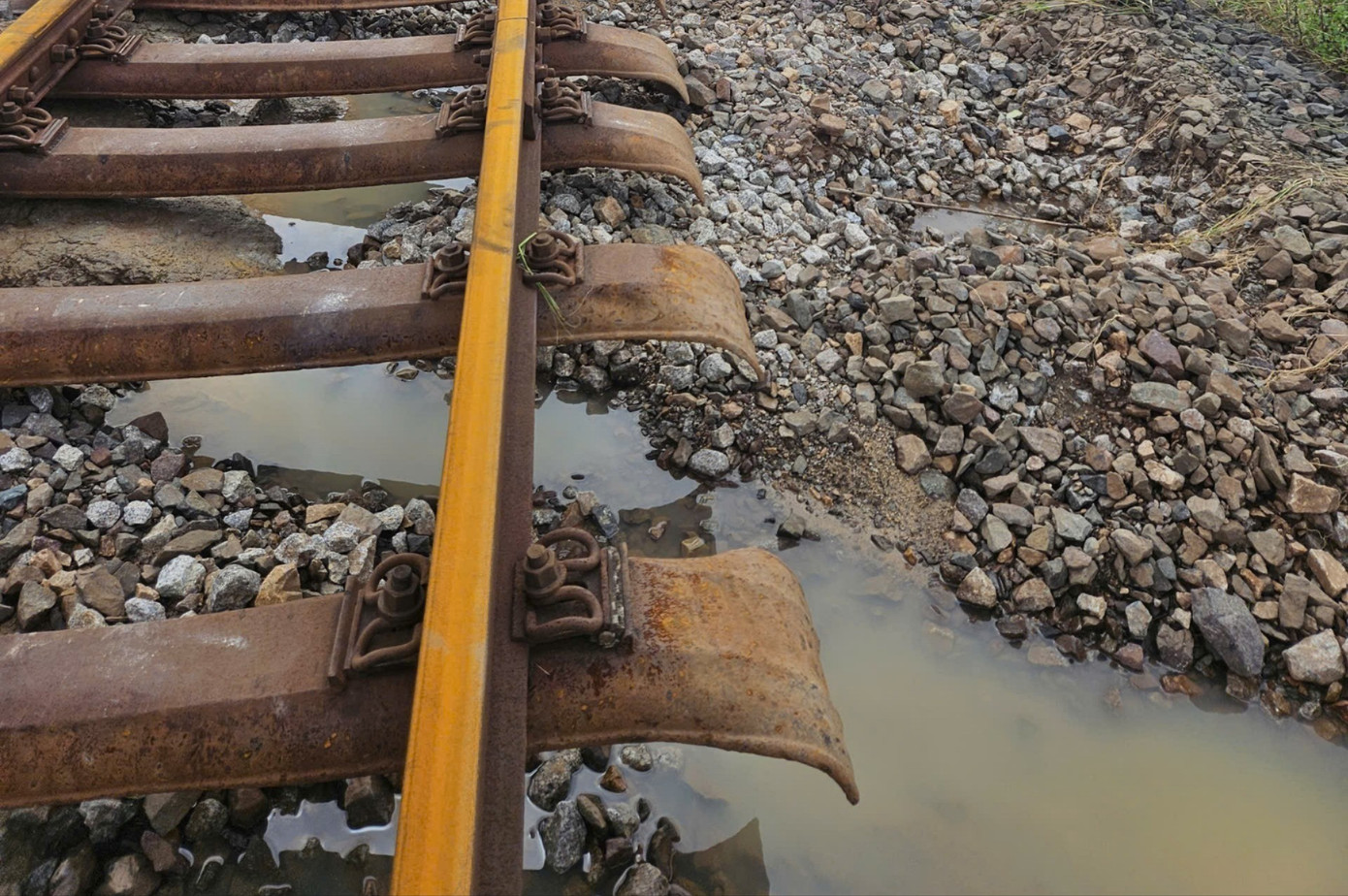
Floodwaters have swept away ballast stones and deeply eroded the railway foundation in several areas. Photo: VNR.
The most critical situation is on the Hanoi – Ho Chi Minh City route, particularly in Gia Lai, Quảng Ngãi, Đắk Lắk, and Khánh Hòa provinces. Numerous sections have experienced landslides ranging from 0.8 to 3 meters, with some areas seeing boulders up to 15m³. At the Vũng Rô tunnel (Km1228+800), debris has completely blocked the tracks, halting all train movement. Between Cây Cầy and Hòa Tân, water vortices have carved out depths of up to 4 meters, dislodging rails and requiring continuous emergency repairs.
In areas where waters have receded, railway teams are actively restoring track foundations, reinforcing embankments, and clearing debris to reopen routes as quickly as possible. In high-risk zones, trains are operating at reduced speeds or temporarily halted to ensure passenger safety.
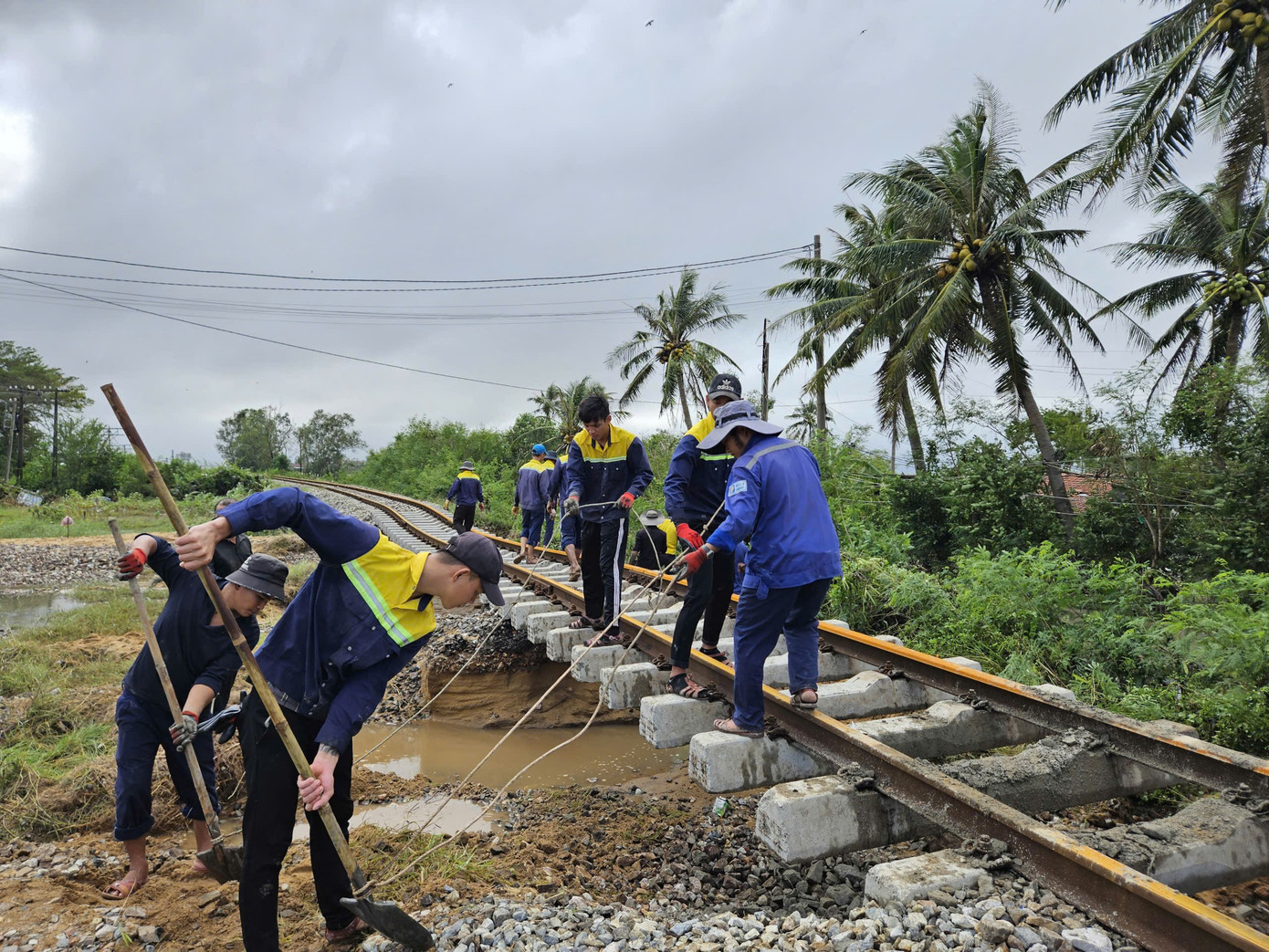
Railway crews are working tirelessly to restore tracks, reinforce embankments, and clear debris, aiming to resume operations promptly. Photo: VNR.
While the railway sector battles these disruptions, the national highway system under local management has also suffered severe damage. The Directorate for Roads reports that as of 10 AM today, 19 blockage points remain on highways in Đắk Lắk, Khánh Hòa, and Lâm Đồng, primarily due to embankment collapses and road fractures.
On Mimosa Pass and D’ran Pass (Lâm Đồng), approximately 70 meters of roadway have been completely destroyed, with depths reaching 40 meters, severely disrupting transportation.
The Vietnam Directorate for Roads has deployed multiple task forces to oversee on-site operations, directing units to mobilize manpower, machinery, and materials for urgent road clearance. Additionally, 5,000 gabions have been provided to localities for temporary reinforcement of hazardous areas. Road management teams are on 24/7 standby to address any emerging issues caused by ongoing rainfall and flooding.
Government and Prime Minister’s Directives and Operations on November 23, 2025

The Government Office has issued a press release outlining the directives and instructions from the Government and the Prime Minister as of November 23, 2025.
Central Vietnam Floods: Suspended Railway Lines and Cracked National Highways
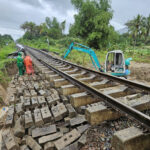
The relentless downpour over the past several days has paralyzed critical transportation routes across Central Vietnam. The North-South railway has suffered severe damage, with dozens of sections experiencing eroded foundations and slope landslides. Major highways from Da Nang to Lam Dong have been buried under landslides, causing structural fractures and rendering them impassable.
Government Provides Emergency Relief of 700 Billion VND to Four Provinces Affected by Flood Damage
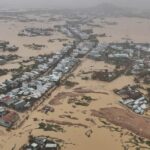
Deputy Prime Minister Nguyễn Hòa Bình has signed Decision No. 2549/QĐ-TTg dated November 21, 2025, approving urgent financial support for the provinces of Khánh Hòa, Lâm Đồng, Gia Lai, and Đắk Lắk to address the damages caused by recent floods.
Red River Swells, Surrounding Riverside Communities

Unrelenting rainfall triggered by Typhoon No. 10 has caused the Red River to swell, submerging crops, isolating mid-river sandbanks, and inundating numerous riverside areas in Hanoi.
Car Flood Damage from Typhoon Bualoi: When Insurance Covers It and When It Doesn’t
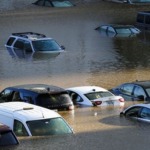
Insurance acts as a financial safeguard for vehicle owners against natural disasters. However, the extent of compensation hinges on the purchased policy and the owner’s response when an incident occurs.