

















According to a forecast by the International Data Corporation (IDC), by 2030, artificial intelligence (AI) is expected to contribute a staggering $5 trillion to the global economy. This field is unlocking unprecedented growth opportunities for nations worldwide, including Vietnam.
However, as AI’s immense data processing power raises critical questions about risks, ethics, and technological boundaries, should its development be slowed down?
This pivotal question will be addressed at the panel discussion titled “AI for Humanity: Ethics and Safety in the New Era,” scheduled for December 2, 2025. Serving as the opening event of the “Science for Life” seminar series within the VinFuture Sci-Tech Week 2025, the discussion will bring together leading AI experts and policymakers to explore responsible AI development and foster international cooperation for global AI governance.
Prof. Toby Walsh, a world-renowned AI expert from the University of New South Wales (Australia) and one of the panelists, emphasized the timeliness of the theme. “Ethics and safety are not barriers to innovation but the foundation for sustainable progress,” he stated.
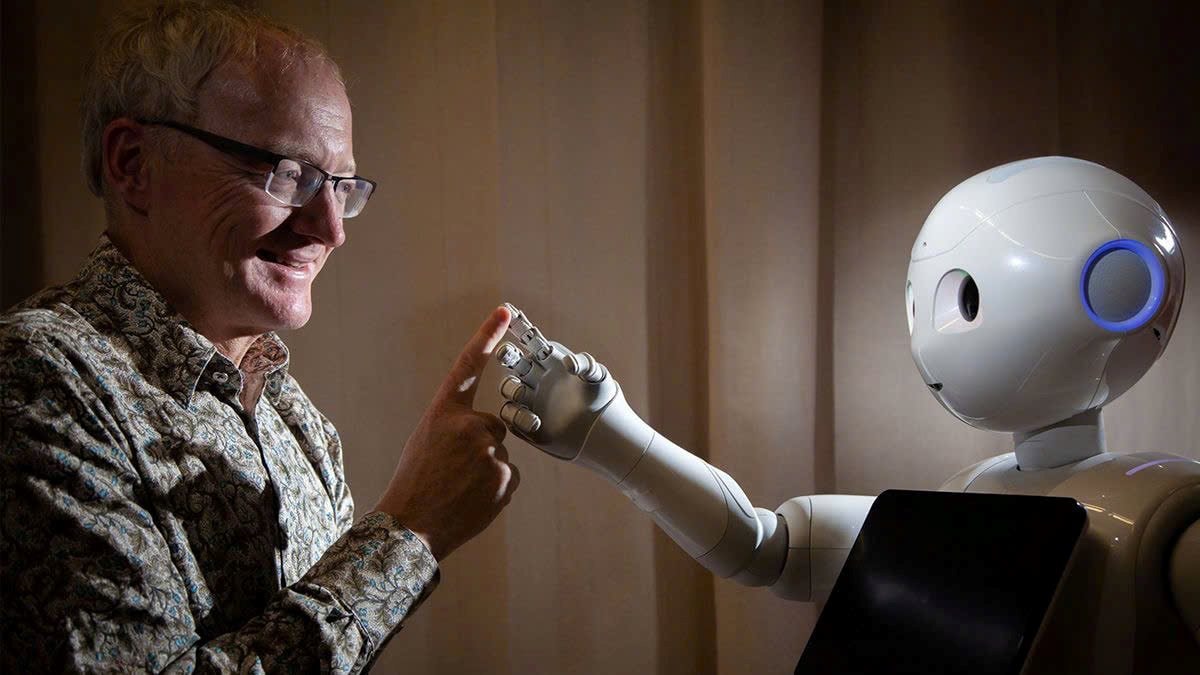
Prof. Toby Walsh, a leading AI expert from Australia. Photo: UNSW
Prof. Walsh highlighted that the focus should not be on slowing AI’s advancement but on steering it toward benefiting humanity. Given AI’s far-reaching impact, he stressed the urgency of aligning its development with human values. “Its effects on Vietnam are no less significant than in the US, China, or Australia. We must prevent a world where ‘safety’ becomes a luxury for the few,” he warned.
Echoing this sentiment, Prof. Edson Prestes from the Federal University of Rio Grande do Sul (Brazil) noted that AI systems developed in one country can rapidly spread globally. “Risks are universal due to widespread adoption, making coordinated international regulations essential,” he asserted.
Vietnam’s Rapid Digital Transformation
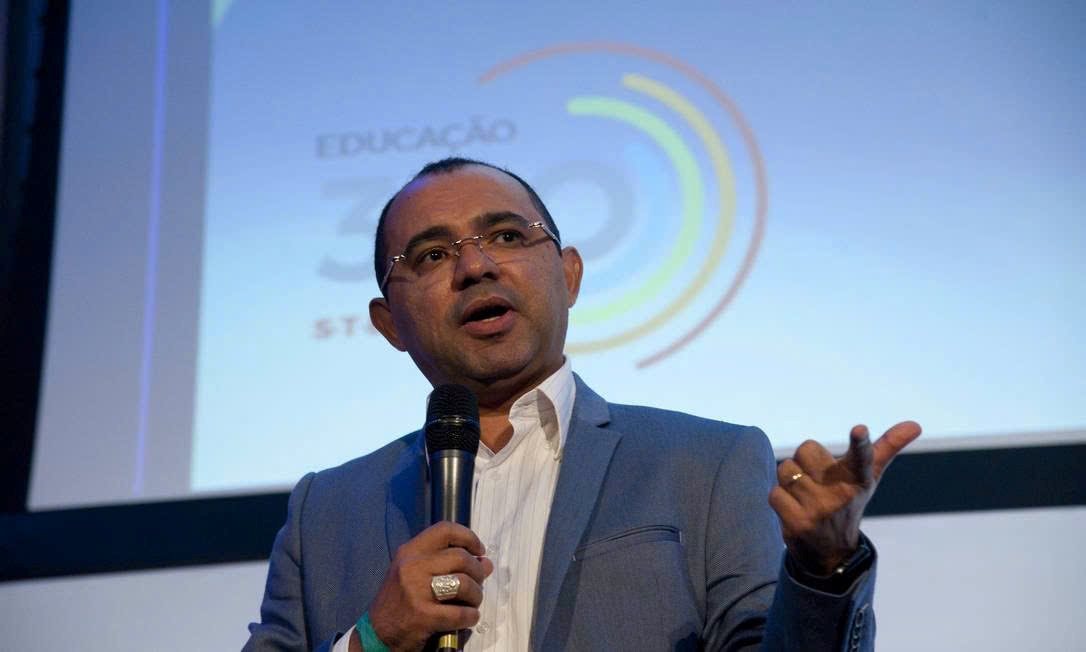
Prof. Edson Prestes emphasizes the need for global participation in ethical AI development. Photo: UFRGS
The panel will also discuss strategies for responsible AI development, with Prof. Prestes stressing the importance of defining each nation’s role in the global AI ecosystem. “Active participation in AI development ensures technological alignment with national values,” he explained.
Prof. Walsh added, “The question is no longer whether AI impacts society, but which values will be embedded within it. Southeast Asia has the opportunity to forge its own ethical path, independent of Silicon Valley or Beijing.”
Prof. Walsh praised Vietnam’s rapid digitalization, stating, “Vietnam’s energy and ambition are remarkable. Its advancements in education, research, and digital transformation in just a few years are impressive.”
Experts believe such discussions will foster fair and responsible AI development in Vietnam, ensuring broader societal benefits.
“AI for Humanity: Ethics and Safety in the New Era”
Part of the “Science for Life” Seminar Series
Time: 13:30 – 16:30
Date: December 2, 2025
Venue: Almaz International Convention Center, Hanoi, Vietnam
Guest of Honor: Mr. Nguyễn Mạnh Hùng, Minister of Science and Technology, Vietnam
Moderator: Prof. Richard Friend, FRS, University of Cambridge, UK, Chair of the VinFuture Award Council
Key Speakers:
Assoc. Prof. César de la Fuente, University of Pennsylvania, USA — Alfred Sloan Fellow (2025), among the top 1% most-cited researchers globally in interdisciplinary fields;
Assoc. Prof. Lưu Anh Tuấn, Nanyang Technological University, Singapore, Executive Director of the AI Research Center at VinUni, Vietnam;
Prof. Edson Prestes, Federal University of Rio Grande do Sul, Brazil, CNPq Researcher and member of the Global Commission on Responsible AI in Military Affairs;
Prof. Leslie Gabriel Valiant, FRS, Harvard University, USA, Turing Award Winner (2010), VinFuture Award Council Member;
Prof. Toby Walsh, UNSW Sydney, Australia, Scientia Professor and Director of UNSW.AI;
Video Contributions:
Prof. Yoshua Bengio, University of Montréal, Canada, Co-founder of Mila, UN Science Advisory Board Member, VinFuture Prize Laureate (2024);
Dr. Vinton Gray Cerf, Google, USA, “Father of the Internet,” VinFuture Prize Laureate (2022);
Prof. Geoffrey Hinton, University of Toronto, Canada, “Godfather of AI,” Nobel Laureate in Physics (2024), VinFuture Prize Laureate (2024).
Prime Minister Proposes Three Strategic Priorities for the World’s Three Major Shifts

On November 23rd, Prime Minister Pham Minh Chinh attended the third discussion session of the G20 Summit, themed “A Fair and Just Future for All,” chaired by South African President Cyril Ramaphosa, the 2025 G20 Chair.
Steep Fines of Up to 1 Billion VND for Administrative Violations in This Sector

At the 10th Session, Minister of Science and Technology Nguyen Manh Hung, authorized by the Prime Minister, presented the Proposal for the Artificial Intelligence Law Project.
Global Experts from the UK, Germany, and Brazil to Convene in Vietnam for Discussions on a $5 Trillion Industry

This is the field poised to inject a staggering $5 trillion into the global economy.
Data Center Investment Surges in Asia-Pacific, Reports CBRE
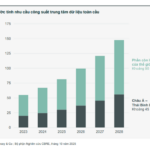
Asia Pacific (APAC) is emerging as the epicenter of global data center investment, according to CBRE. This surge is fueled by skyrocketing demand for data storage and processing, coupled with the rapid advancement of artificial intelligence.
Leveraging AI-Powered UAVs for Advanced Highway Management: Deo Ca Group’s Vision

Dèo Cả Group and China’s Hua Se Group are pioneering a collaborative initiative to integrate UAV technology with artificial intelligence (AI) and digital infrastructure management systems. This partnership aims to revolutionize operational efficiency and innovation across both organizations.