










Currently, Tesla is one of the most renowned names globally in the production of humanoid robots. However, when it comes to the giants in this arena, the spotlight shines on names originating from China.
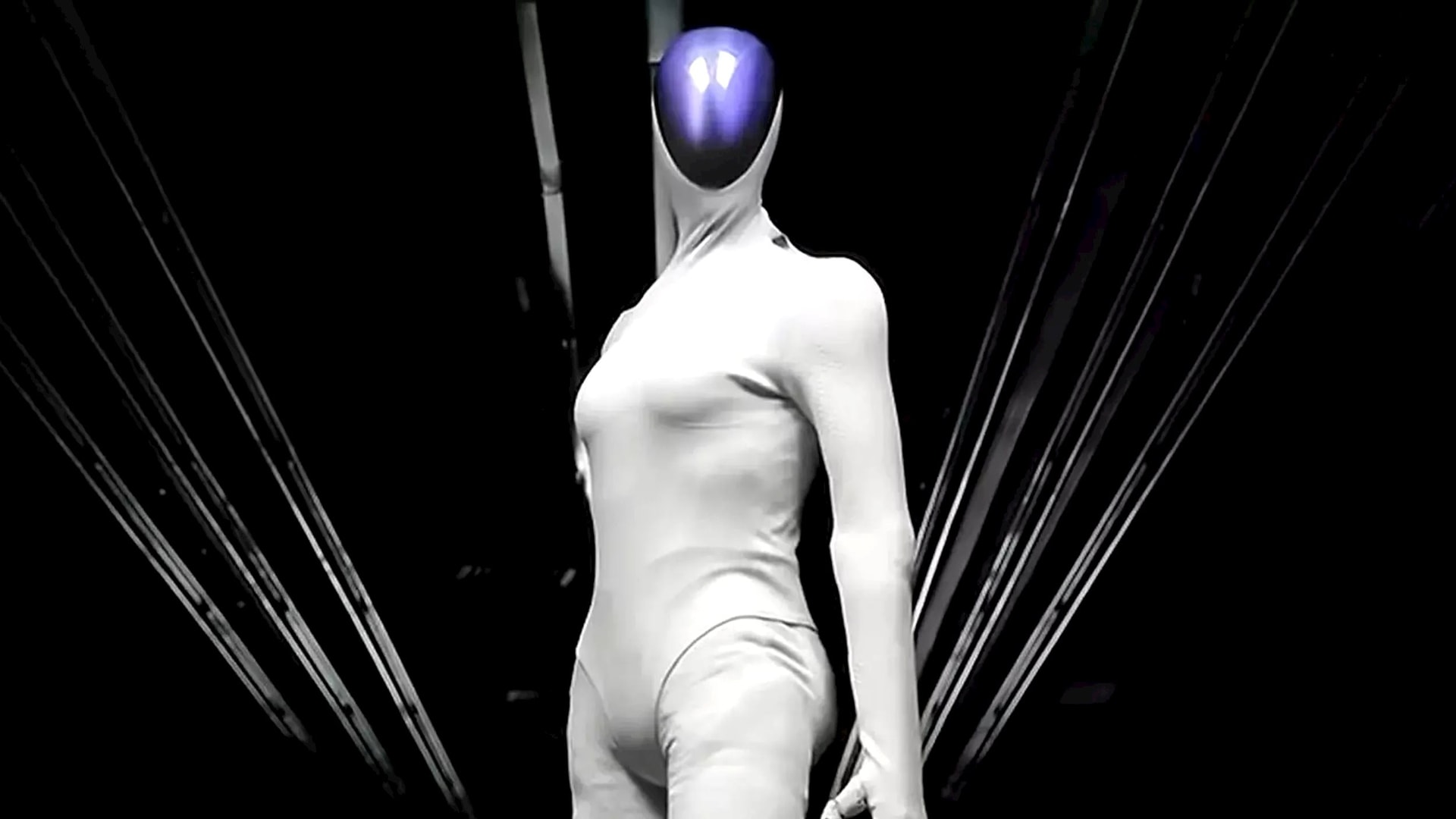
Iron – a humanoid robot with such graceful movements that many speculated the company used real humans for the demo on stage.
Among them, electric vehicle company XPeng is a pioneer. The company plans to begin mass production of its humanoid robot by the end of 2026, aiming to sell millions of units globally.
Over the past few years, XPeng has continuously refined its robotic systems. Initially, the company developed a quadruped robot, with an early design resembling products from Boston Dynamics.
Currently, this robot has evolved to its seventh generation, transforming into Iron. This humanoid robot boasts a design and capabilities very similar to Tesla’s humanoid robot, Tesla Bot.
Iron operates on XPeng’s self-developed Vision Language Action 2.0 AI model. The robot has already been unveiled in China.

XPeng employees disassembled the robot’s leg on stage, revealing its intricate mechanical components to the audience.
To demonstrate its robotic capabilities and dispel suspicions that XPeng’s robot was actually a human in disguise, the company brought Iron on stage and disassembled its leg, allowing the public to witness the complex mechanical components inside.
He Xiaopeng, CEO and co-founder of XPeng, believes that the production cost of humanoid robots like Iron will be comparable to that of automobiles. He also stated, “The market potential for robots is greater than that of cars.”
Additionally, the CEO revealed that the robots will be deployed in XPeng’s stores, offices, and factories by the end of 2026.
According to JPMorgan, XPeng’s next major leap in 2026–2027 hinges on how well its expansive AI ecosystem is integrated. This ecosystem combines robotaxis, humanoid robots, and even flying cars.
A report by the American bank predicts that the humanoid robot segment alone could generate up to $24 billion in value by 2027, assuming these timelines are met. The robotaxi segment could add between $6 billion and $19 billion in value by 2035.
XPeng is not the only company delving into robotics. As reported by the South China Morning Post, Chery – the parent company of Omoda&Jacoo (which is building a car assembly plant in Vietnam) – is collaborating with AI developer Aimoga to create a humanoid robot named Mornine.
Meanwhile, BYD, GAC, and Seres are investing millions of dollars into their own robotics projects. Nio has also announced plans to develop a robotic dog.
Across China, it is estimated that over two million robots are currently operating in factories. This number is expected to rise as automation becomes a cornerstone of industrial strategy.
Thác Bà Hydropower Announces Second Cash Dividend Payout for 2024
The Board of Directors of Bac Ha Hydropower Joint Stock Company (UPCoM: BHA) has approved the payment plan for the second cash dividend of 2024 to its shareholders.
Who’s Outselling Tesla as the World’s Top Electric Vehicle Seller?

In the first eight months of 2025, Chinese manufacturers delivered over 5.5 million electric vehicles, capturing nearly half of the global market share.
Asia’s Billion-Strong Nation Welcomes VinFast and Tesla Simultaneously, but Is the American Giant Falling Behind?
Why is VinFast outpacing Tesla in sales despite both brands emerging on the scene?
Tesla Recalls 10,500 Battery Units Due to Overheating Risks, Threatening Smoke, Fire, and Non-EV Product Expansion Ambitions
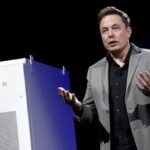
Tesla attributed the issue to a third-party supplier, though specific details were not disclosed.
VinFast Surpasses Tesla in Asian Market, Challenging Elon Musk’s Trillion-Dollar Ambitions
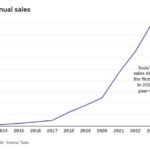
To achieve his trillion-dollar dream, Elon Musk must sell 20 million electric vehicles—a staggering number surpassing Tesla’s entire 17-year sales history.