




From Peak to Trough
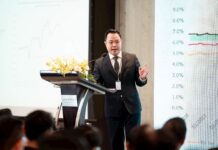
On the afternoon of November 25th, Hoang Anh Gia Lai Joint Stock Company (stock code: HAG) hosted an Investment Roadshow to present the group’s restructuring process and the listing plan for Hoang Anh Gia Lai International Investment Joint Stock Company. Addressing shareholders, Mr. Doan Nguyen Duc (Chairman of HAG) confidently stated, “True gold fears no fire.”
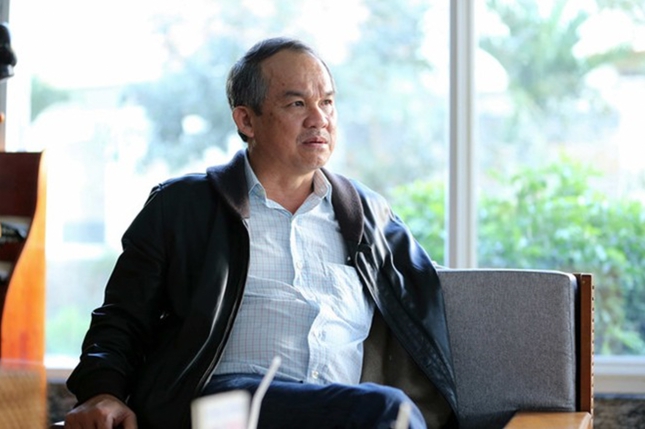
Hoang Anh Gia Lai, under Mr. Duc’s leadership, is improving. Photo: D.T.
To reach this point, Mr. Duc endured a decade of extreme highs and lows. He recalled that the period from 2006 to 2015 marked HAG’s peak and trough. In 2008, when Hoang Anh Gia Lai was listed, Mr. Duc’s stock value reached 6.16 trillion VND. Just a year later, this figure doubled to 12 trillion VND.
Perhaps no one in Vietnamese business has more lessons to share than Mr. Duc. He was the first to own a private jet and the richest on the stock market before plummeting to the depths. In 2012, HAG made a controversial decision to abandon real estate due to a challenging economic climate and soaring lending rates, which peaked at 22%. The company then shifted to agriculture, focusing on rubber (51,000 hectares) and oil palm (28,000 hectares).
However, commodity markets crashed relentlessly. Rubber prices fell from $5,700 per ton (at the start of the project) to a low of $1,100 per ton (at harvest time) and remained depressed for a decade. Oil palm prices dropped from $1,200 per ton to $400 per ton.
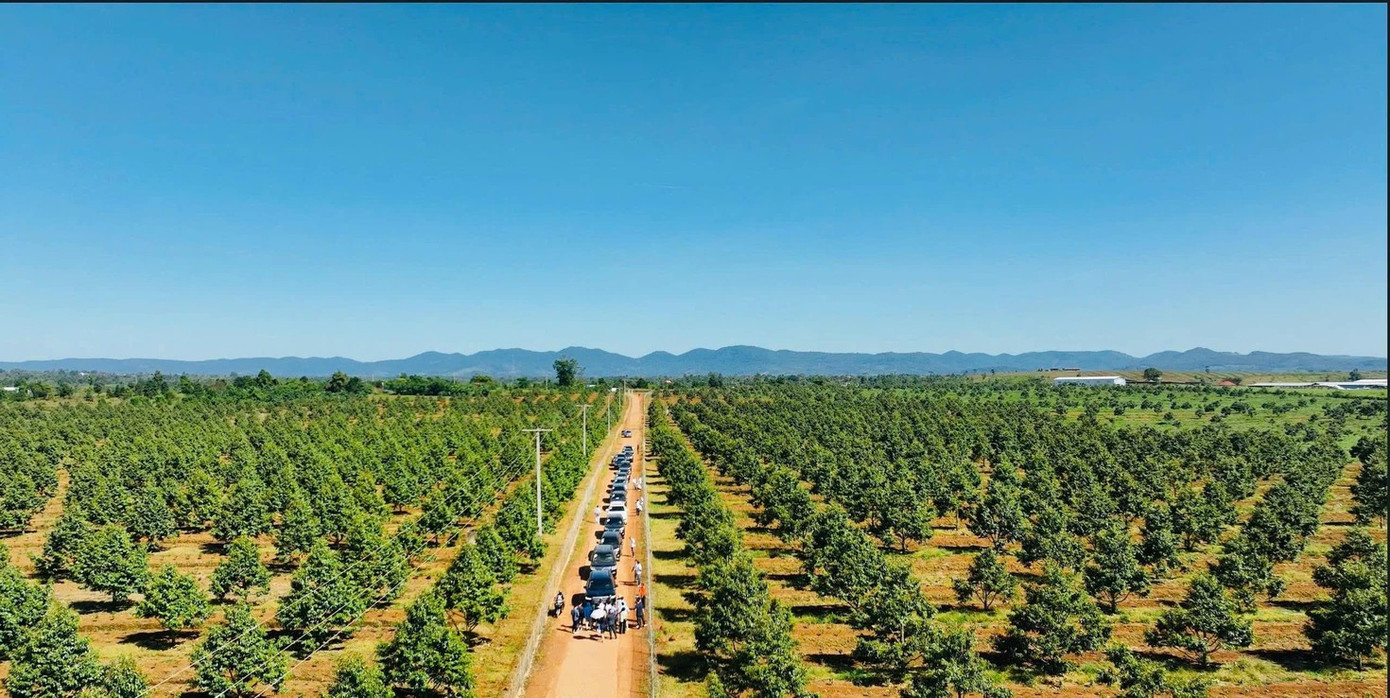
HAG’s agricultural farm.
Revenue fell short of expenses, and Hoang Anh Gia Lai’s financial burden became immense. From 2010 to 2015, HAG spent 8.6 trillion VND solely on interest payments. By 2016, total debt reached 36 trillion VND, and HAG faced a liquidity crisis.
“A debt of 36 trillion VND was considered staggering at that time. The liquidity crisis was a euphemism; in reality, it was a declaration of bankruptcy. The question was, how to proceed? Clearly, HAG had lost credibility with friends, partners, and financial institutions,” Mr. Duc recalled.
At that time, many advisors and friends suggested he create a report to conceal the difficulties, but Mr. Duc dismissed the idea, stating that hiding the problem would lead to failure. Instead, he chose a unique path—saving himself through honesty. He proactively requested government approval for restructuring.
Fortunately, the Governor of the State Bank at the time agreed in principle and urged 10 banks to meet and freeze debt, extending repayment terms. However, this was only a temporary solution. For Hoang Anh Gia Lai to survive, it needed to reduce interest payments, which required selling assets.

HAG’s modern agriculture, with farms fully monitored via high-resolution screens.
HAG entered a phase of aggressive asset sales, selling everything from hydropower plants and sugar mills to real estate projects, even its most valuable asset, Hoang Anh Gia Lai Hospital, retaining only the Hoang Anh Gia Lai Football Academy.
In addition to asset sales, HAG decided on a comprehensive restructuring, shifting from rubber to fruit crops (bananas, durians) for short-term cash flow.
Billion-Dollar Plan
After a decade of restructuring, HAG’s debt has fallen from 36 trillion VND to approximately 6.4 trillion VND. The debt-to-equity ratio has dropped from over 2 times to just 0.4 times. Secured assets have significantly increased. From cumulative losses in the trillions, Mr. Duc now confidently targets a profit of 2 trillion VND annually, asserting that this goal is “within reach.” His more ambitious aim is 5 trillion, or even 10 trillion VND per year in the future.
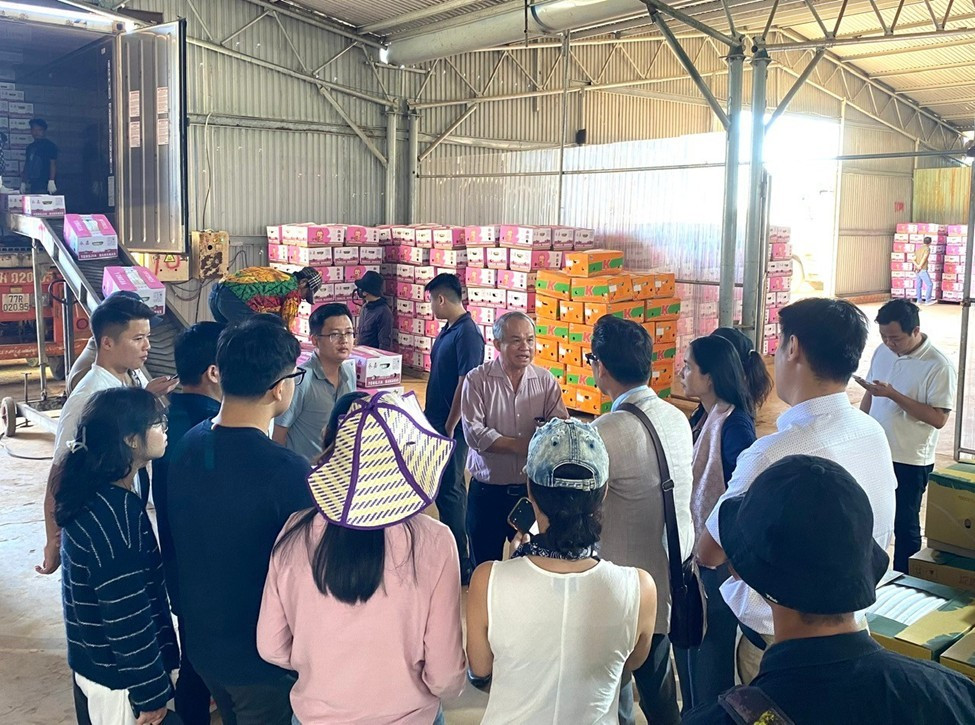
Mr. Duc introduces investors to the Dai Thang Packaging Plant (Paksong, Laos).
“HAG only emerged from the crisis 2-3 months ago. Many investment funds and financial institutions are now eager to collaborate, whereas previously they would decline even a coffee invitation. With HAG’s current assets and efforts, achieving a billion-dollar valuation is not overly challenging; it will take just 3-4 more years,” Mr. Duc asserted.
The HAG Chairman also noted that, in just one year, HAG has transformed more than in the previous nine years. From cumulative losses, HAG has turned a profit. From non-margin stocks to margin-eligible stocks. From lacking substantial collateral to having significant assets. From high debt to low debt, HAG now boasts one of the strongest balance sheets and lowest financial leverage on the stock market.
Bầu Đức’s IPO Pledge for Subsidiary: 30% Annual Growth, 50% Profit as Dividends
At the investor meeting held on the afternoon of November 25th, Mr. Doan Nguyen Duc (Bầu Đức), Chairman of the Board of Directors of Hoang Anh Gia Lai Joint Stock Company (HAGL, HOSE: HAG), unveiled preliminary details about the IPO plans for its subsidiary, HAGL International Investment Joint Stock Company, accompanied by impressive commitments.
Afternoon Technical Analysis, November 25: Consistently Low Trading Volume
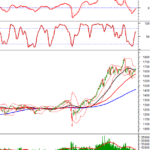
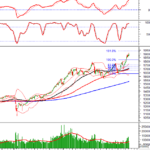
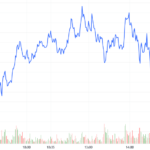
The VN-Index is experiencing modest growth, fluctuating around its 50-day SMA, while trading volumes remain consistently low. Meanwhile, the HNX-Index has entered its sixth consecutive losing session, with the MACD indicator signaling a renewed sell-off.
Durian Delight: Bầu Đức’s Surprising Domestic Venture
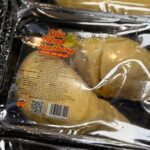
For the first time, Bầu Đức has decided to bring Hoàng Anh Gia Lai’s durian to supermarkets, catering to Vietnamese consumers.
Bầu Đức’s New Venture: Unveiling the Next Big Game
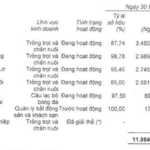
HAG shares have just hit a 10-year high, prompting Chairman Duc to consider listing a subsidiary after making significant progress in resolving the company’s debt issues.
Novaland Group Expands Recruitment Drive with Over 1,000 New Positions Post-Restructuring
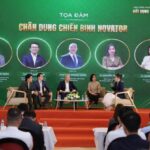
On November 15, 2025, NovaGroup will host its highly anticipated 2nd Talent Seminar of 2025 at Galleria Center, 2Bis Nguyễn Thị Minh Khai, Ho Chi Minh City. This impressive event is expected to draw nearly 1,000 candidates, marking another significant milestone in NovaGroup’s commitment to fostering talent and innovation.