















Hanoi Enters High-Price, Low-Profit Cycle
After two years of rapid growth, Hanoi’s real estate market is showing signs of saturation. Apartment prices in many projects now range between 70-80 million VND/m², while some high-end projects have surpassed 150 million VND/m².
In this context, rental yields for apartments in central districts have dropped to just 2-3% per year, lower than savings account interest rates and far below the previous 5-7% recorded. Meanwhile, the rise of e-commerce has led to increasing vacancy rates in once-bustling streets, reducing the appeal of shophouses and townhouses—formerly lucrative investments.
Supply in Hanoi continues to surge. The Department of Construction recently announced 33 eligible projects for sale, totaling over 30,000 units, including both commercial and social housing. The 2025-2030 social housing plan aims to add tens of thousands more affordable units, significantly expanding options for genuine homebuyers. With this diverse and widespread supply, expectations for sustained price increases in inner-city apartments are becoming more cautious, forcing investors to restructure portfolios during market adjustments.
Regional Infrastructure Boom Creates New Growth Axis in the West
As the inner city becomes saturated, regional infrastructure is drawing investment. The upcoming construction of Metro Line 5 (Van Cao – Hoa Lac) is a pivotal development, opening a new urban corridor from central Hanoi to Hoa Lac and Hoa Binh. Simultaneously, the Hoa Lac – Hoa Binh Expressway and the expanded National Highway 6 are enhancing connectivity, reducing travel times to neighboring cities to just 45-60 minutes.
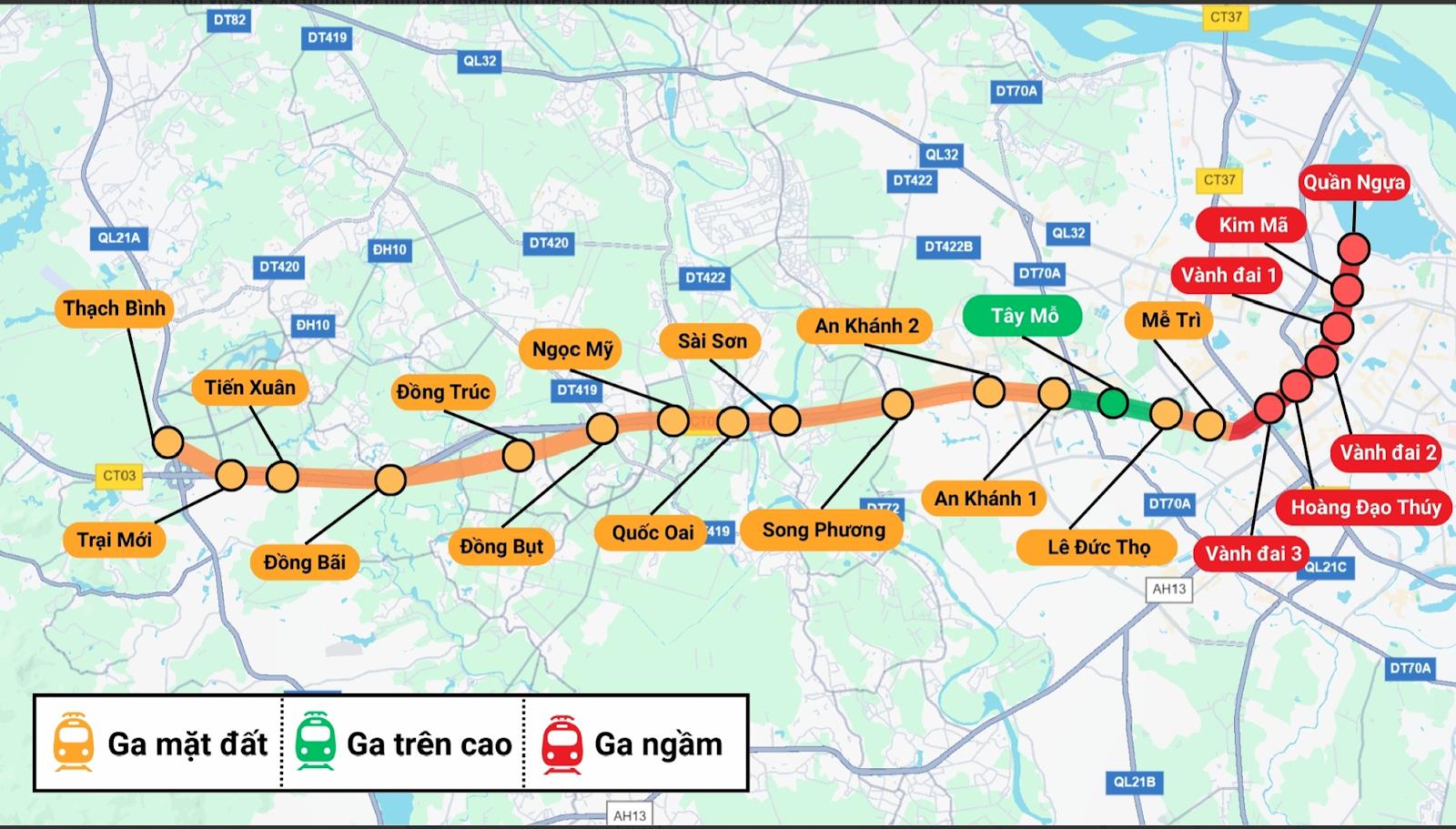
The Van Cao – Hoa Lac Urban Railway project has a total investment of over 65 trillion VND
Improved infrastructure is prompting young families and professionals to consider relocating to satellite cities, offering spacious living, cleaner environments, and seamless work connectivity. The rise of remote work further accelerates this suburban shift, easing cost pressures and infrastructure strain in the inner city.
Former Hoa Binh City Emerges as New Hub with Affordable Prices and Real Demand
As investment shifts, the former Hoa Binh City (now merged with Phu Tho) is emerging as a promising satellite market. Property prices remain accessible, while travel times from Hanoi are shrinking thanks to infrastructure improvements. Unlike speculative hotspots driven by planning rumors, former Hoa Binh City is building a foundation for long-term growth based on genuine residential demand and stable investment.
Located in the administrative center of Thong Nhat Ward, Aqua Garden stands out as a premier project, a “green oasis” in the heart of the city. Strategically positioned on An Duong Vuong Street, directly connected to National Highway 6—a vital link between Hanoi and the Northwest—Aqua Garden spans 27.2 hectares, featuring over 524 products including land plots, villas, townhouses, and shophouses. Post-merger, this location has become a critical connection point for the Thong Nhat administrative center.
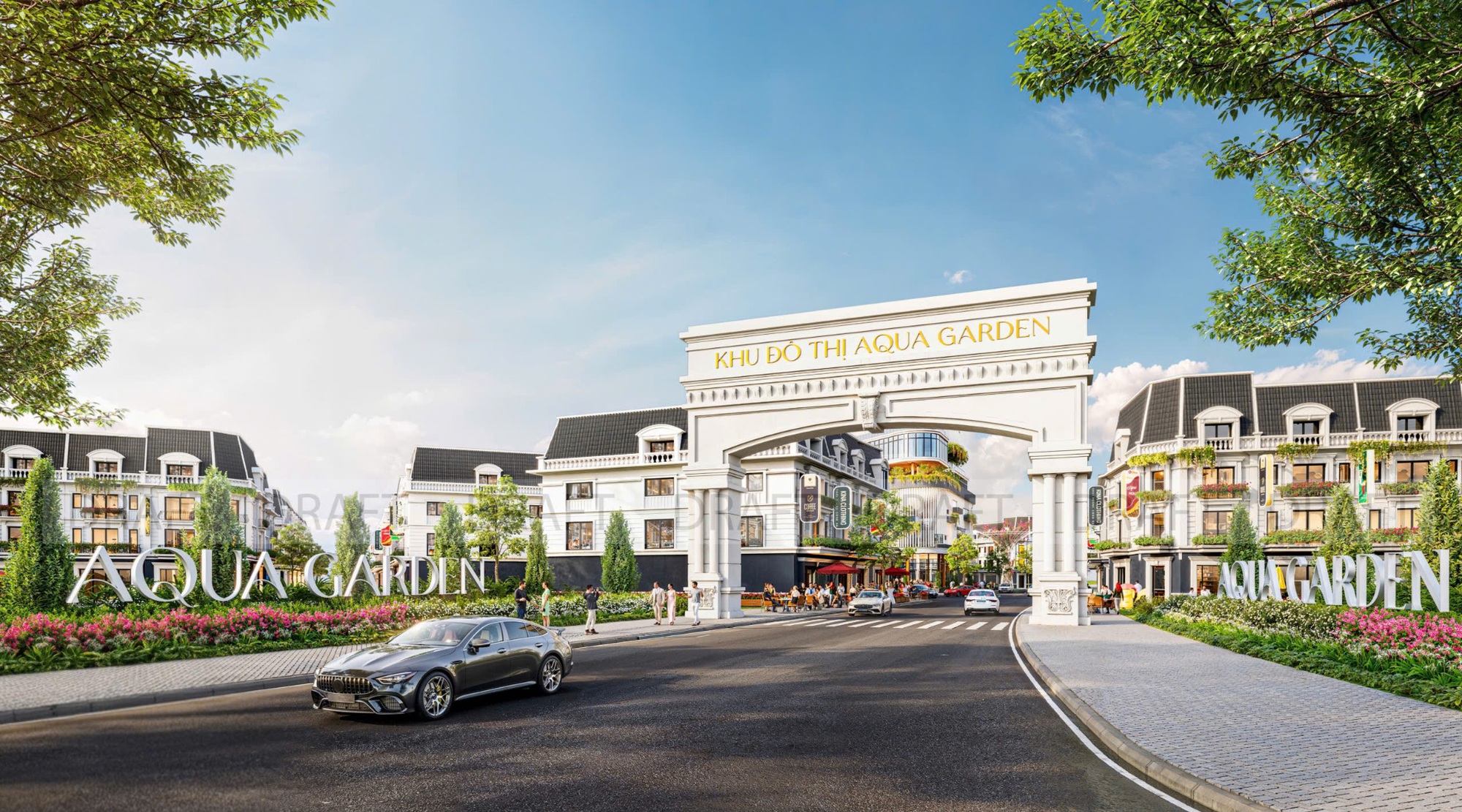
The entrance of Aqua Garden on An Duong Vuong Street
Aqua Garden’s appeal lies in its eco-urban model, featuring low-density construction, harmonious green spaces, and water features, alongside a well-planned internal utility system. More than just a land project, it’s designed as a model eco-city where residents enjoy a balanced lifestyle: waking up to nine themed parks, strolling along the Tho Cam stream in the afternoon, and enjoying quiet, secure evenings with family.
With Hanoi’s limited land for large-scale eco-projects, Aqua Garden offers a clear choice: spacious living, competitive pricing, and strong growth potential tied to infrastructure. Starting at just 19 million VND/m², it’s an attractive option for both first-time investors and families seeking a second home or long-term residence. As Metro Line 5 and connecting routes progress, experts predict significant and sustainable price appreciation.
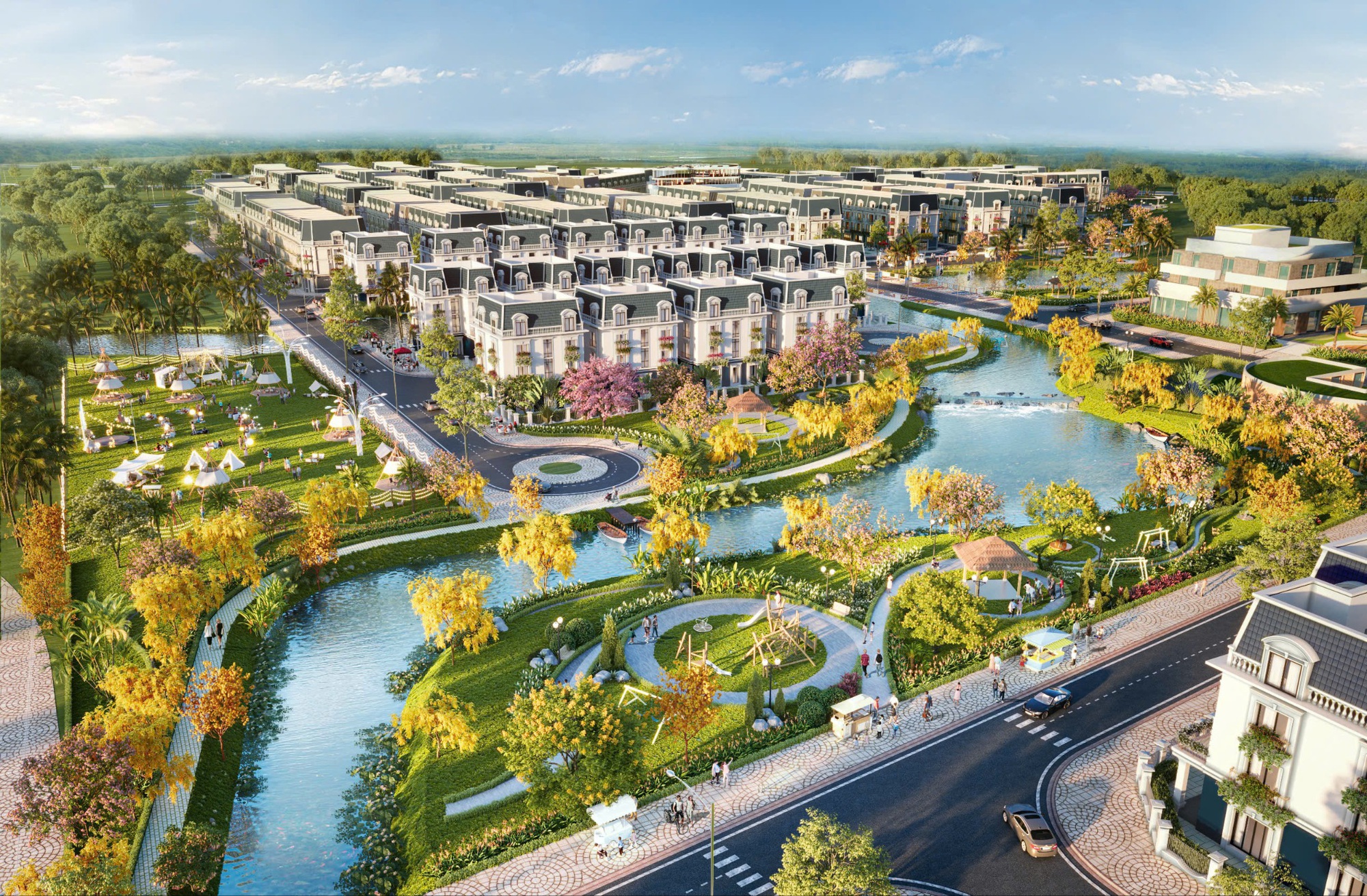
Aqua Garden is the only remaining well-planned urban area in the core of Thong Nhat Ward
As Hanoi’s market adjusts, peripheral real estate—especially projects with real utility, transparent legal status, and infrastructure benefits—is attracting savvy investors. Thong Nhat Urban Area – Aqua Garden combines key advantages: full legal compliance (individual land titles), strategic location, strong regional connectivity, unique eco-planning, and competitive pricing.
Now is the time for forward-thinking investors to seize opportunities in satellite cities, poised to become the new growth hubs of Western Hanoi for years to come.
Surprising Real Estate Trends Forecast for Hanoi and Ho Chi Minh City in 2026
“According to Mr. Tran Minh Tien, Director of Market Research and Customer Insight Center at One Mount Group, ‘2026 will witness the parallel growth of two major markets: Hanoi maintaining its stability, while Ho Chi Minh City enters a new acceleration phase.’”
Low-Rise Real Estate in Hanoi: A Sustainable Asset in the Shifting Capital Flow
In the year-end portfolio restructuring, low-rise real estate in Hanoi emerges as a compelling choice, offering both capital safety and the potential to benefit from the new infrastructure cycle.
Accelerating Efforts to Hand Over Entire Cà Mau – Đất Mũi Expressway Land by Mid-December
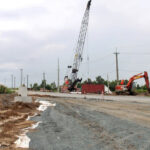
Cà Mau province is striving to complete 100% of the land clearance for the Cà Mau – Đất Mũi expressway by December 15th. To date, the province has allocated over 771 billion VND for land acquisition, with the remaining funds to be reviewed and fully arranged as directed by the Prime Minister.
“Phase 1, 2 of Ring Road 2 Set to Begin Construction; Phase 3 Still in Deep Slumber”

Sections 1 and 2 of Ring Road 2 are set to commence construction in December, while Section 3 remains undeveloped after years of suspension, awaiting land clearance to resume.
Unlocking Public Investment Capital: Ministry of Finance Resolves Allocation Bottlenecks
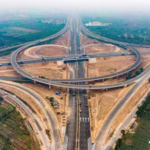
Unlocking Vietnam’s 2025 public investment potential, nearly VND 300 trillion remains unallocated. The Ministry of Finance and local authorities are racing to streamline processes, ensuring every dong of public funds is actively deployed and not left idle.