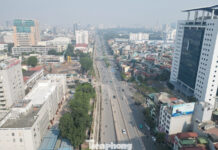














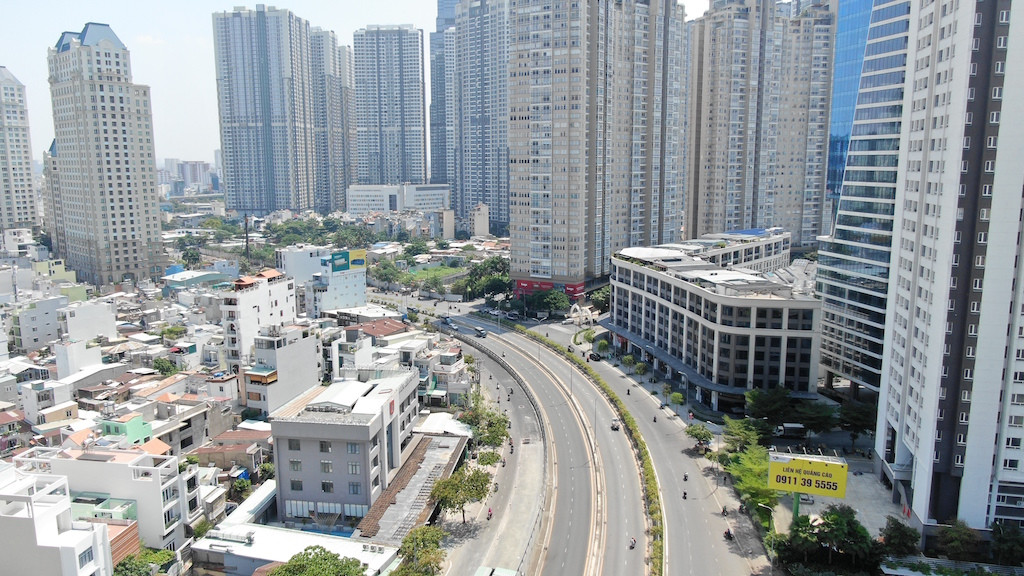
Stretching 3.2 kilometers in length and approximately 30 meters in width, Nguyen Huu Canh Street accommodates six lanes of traffic, connecting Ton Duc Thang to Dien Bien Phu. It has been operational since 2003.
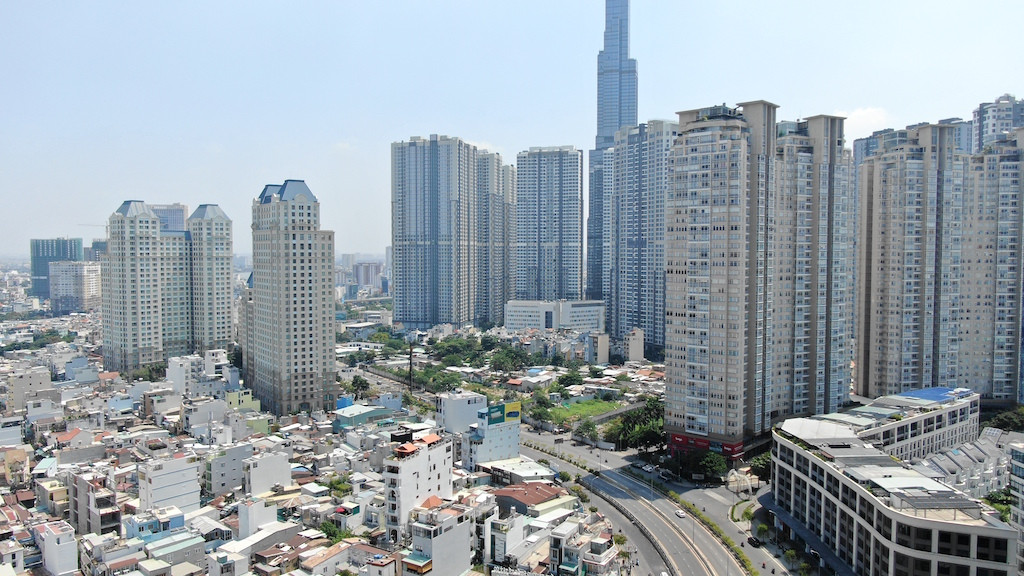
Given its prime location adjacent to the former District 1 in Ho Chi Minh City, numerous apartment complexes have rapidly emerged along this street.
Nguyen Huu Canh Street is lined with nearly a dozen closely spaced apartment complexes.
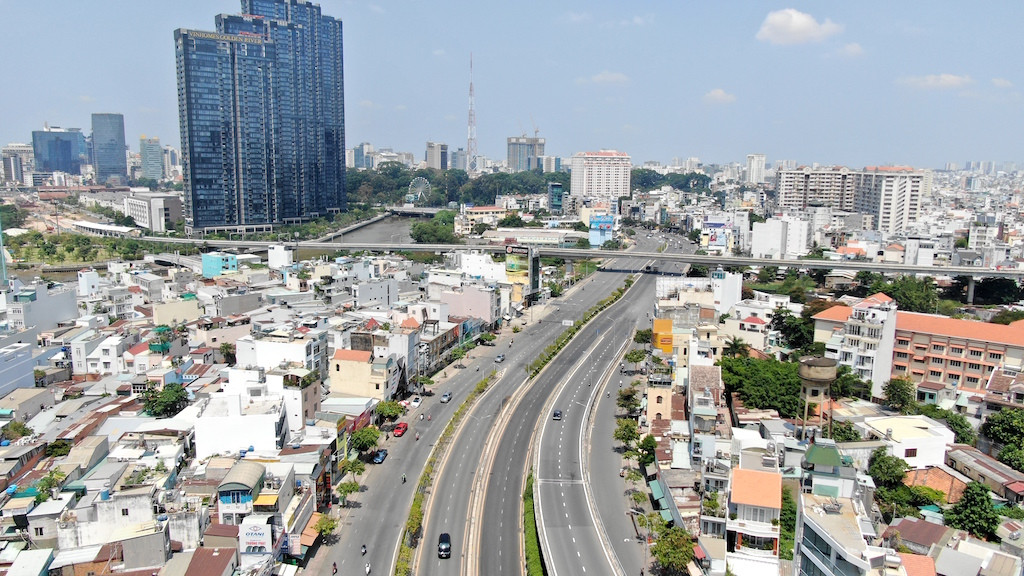
The infrastructure along Nguyen Huu Canh Street is well-developed.
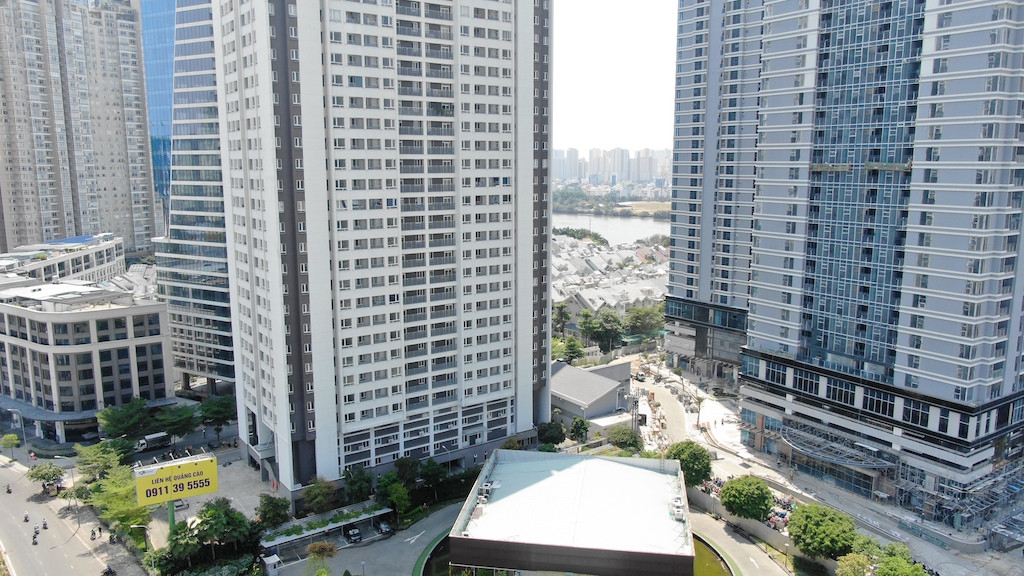
Most of the apartments on Nguyen Huu Canh Street fall into the mid to high-end market segment.
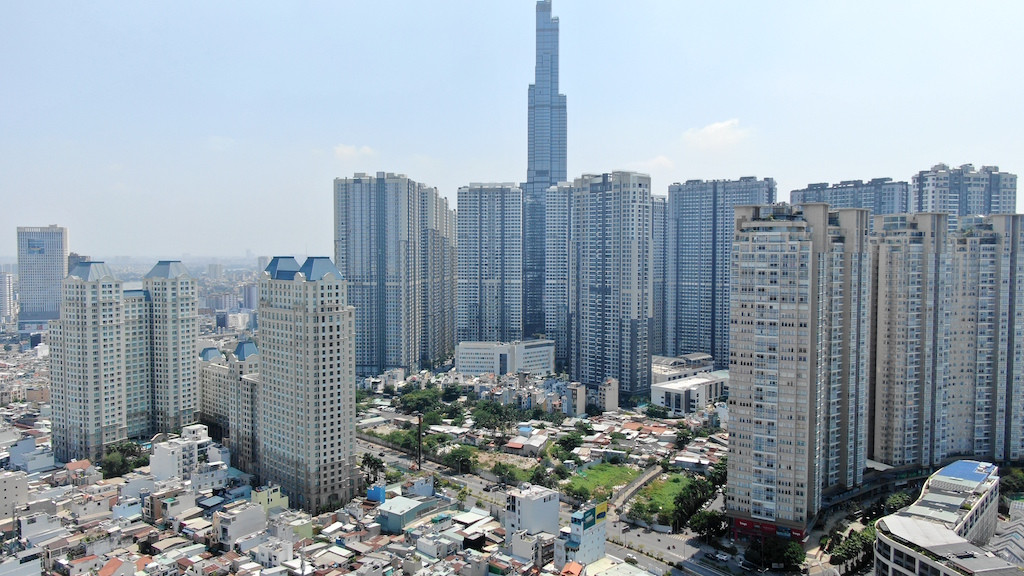
Just six projects and apartment complexes along this street house nearly 20,000 residential units.

Additionally, the area boasts hotels, schools, shopping centers, villas, and hospitals catering to these projects.
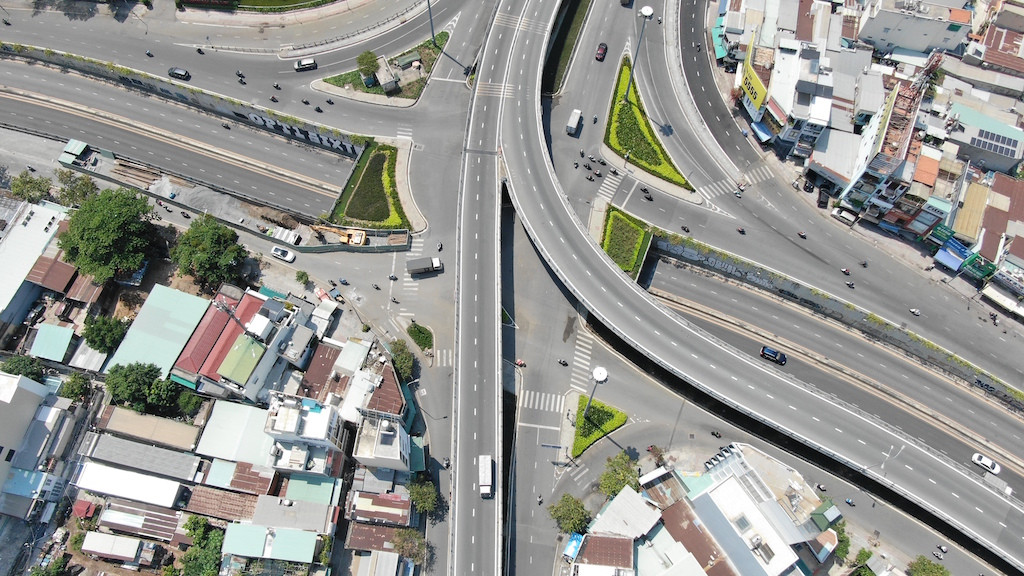

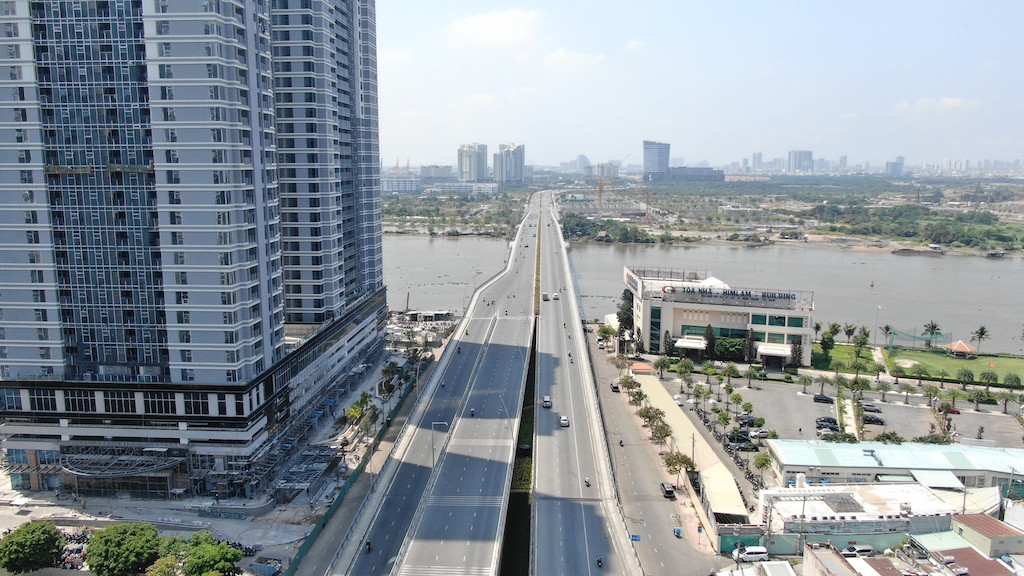
Intersections and overpasses along Nguyen Huu Canh Street.
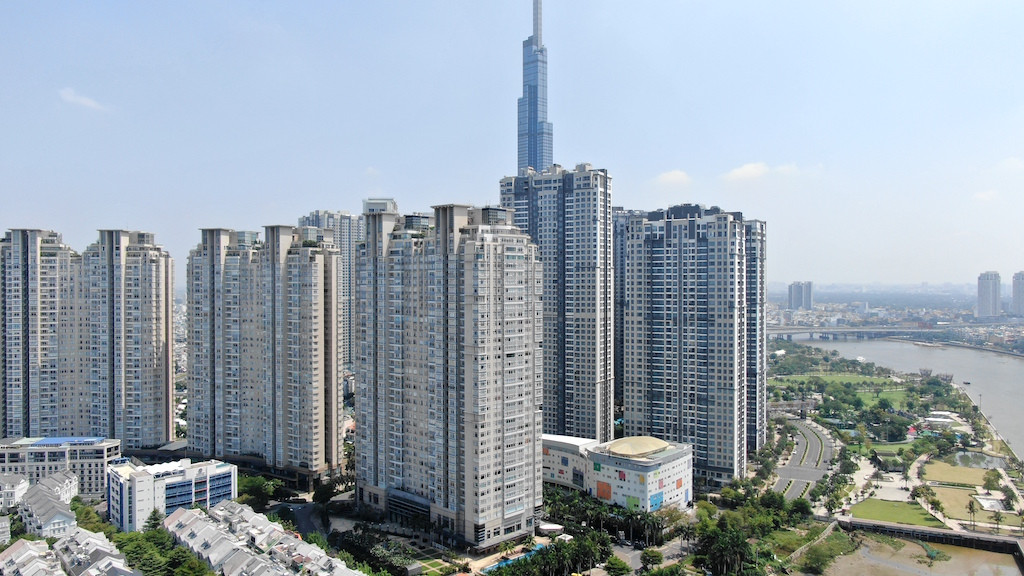
Assuming an average of three residents per apartment, the apartment complexes on Nguyen Huu Canh Street house nearly 100,000 residents.
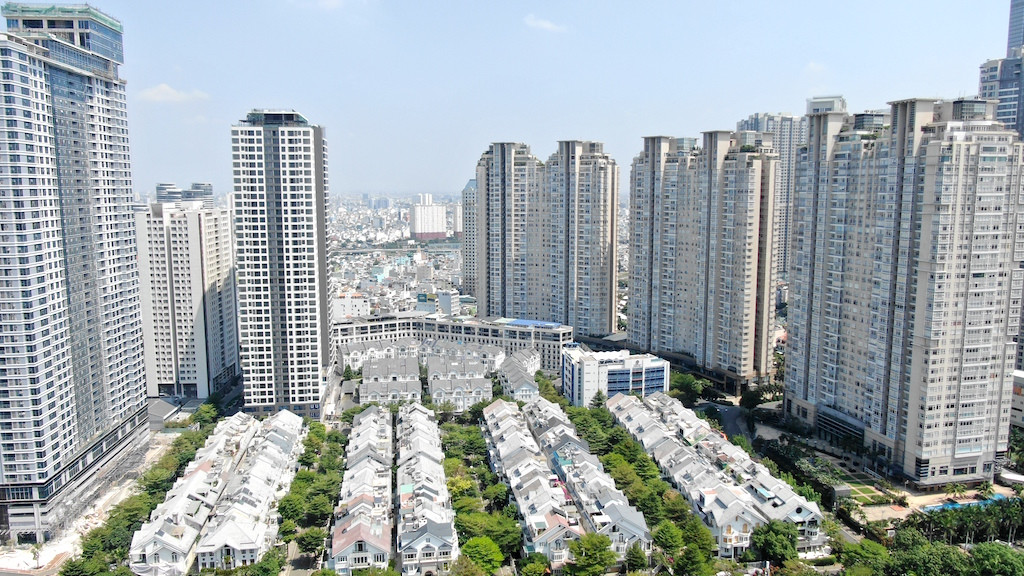
Projects along Nguyen Huu Canh Street include The Manor, SunWah Pearl, Saigon Pearl, and Centennial Bason.
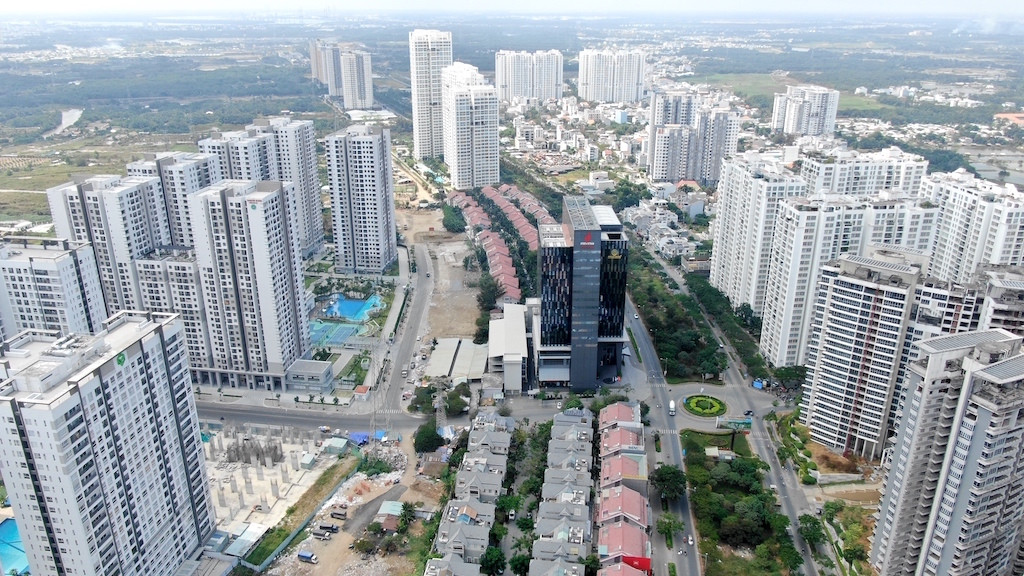
Nguyen Huu Tho Street spans approximately 13 kilometers, starting from Kenh Te Bridge (former District 7) and ending at the Hiep Phuoc Industrial Zone (former Nha Be District).
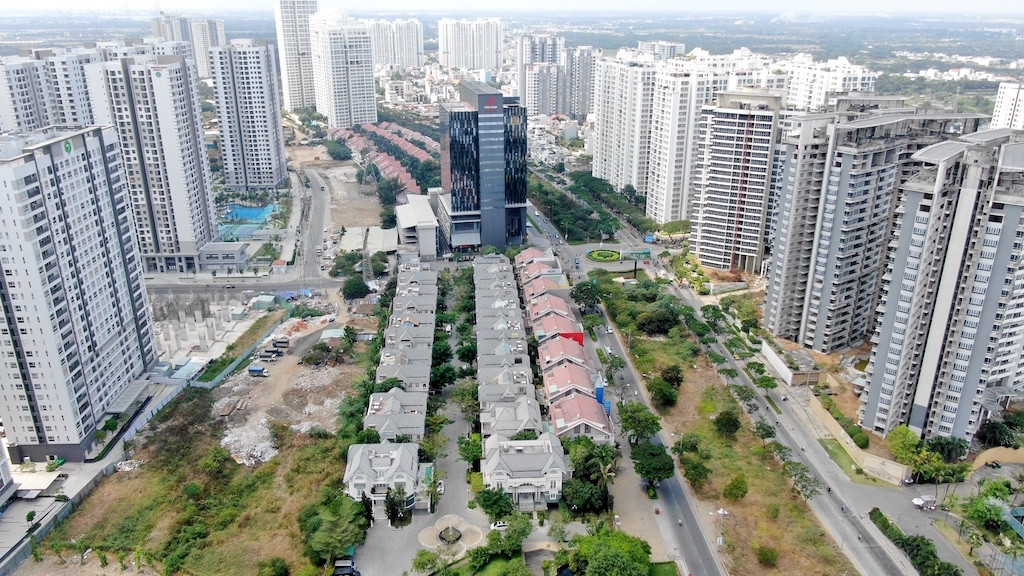
This street hosts nearly 50 real estate projects with tens of thousands of apartment units.
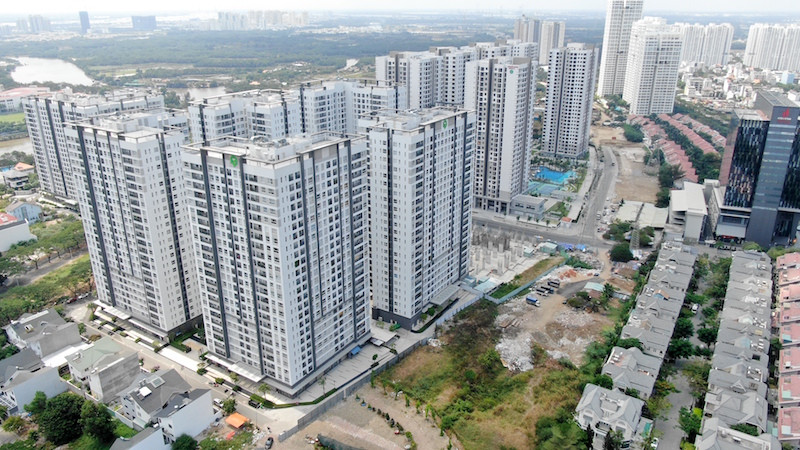
Nguyen Huu Tho Street is experiencing one of the fastest rates of apartment development in Ho Chi Minh City.
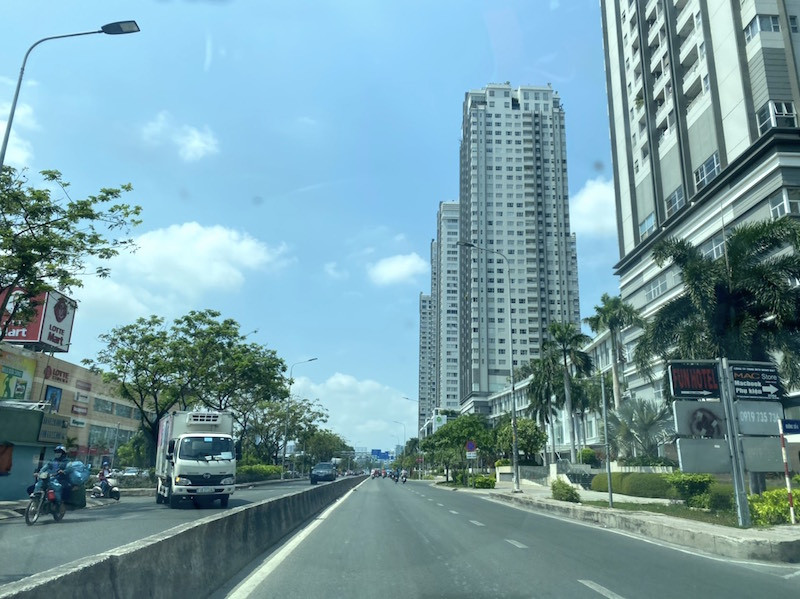
Both domestic and international real estate companies are investing here. Notable projects include Sunrise City and Sunrise Riverside (Novaland), Dragon City (Phu Long), Hung Phat Silver (Hung Loc Phat), and Hoang Anh Gia Lai.
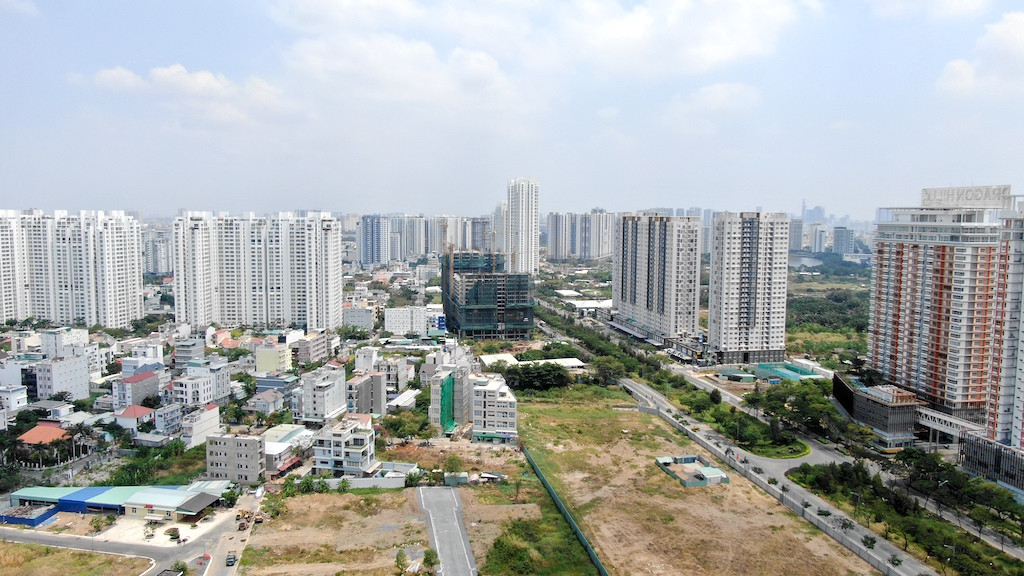
The average price of apartments along this street ranges from 70 to 150 million VND per square meter.
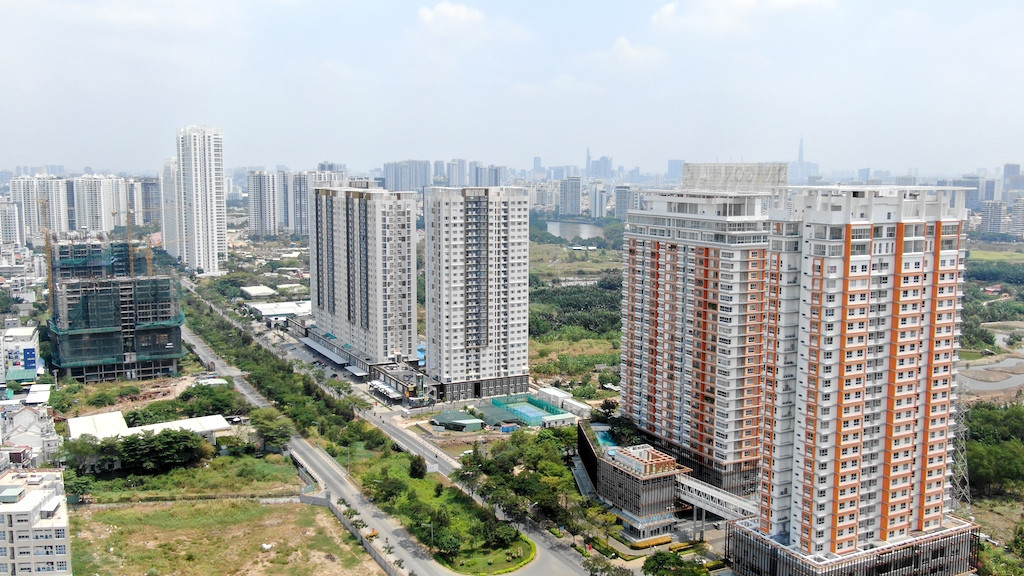
Pictured are the Saigon South Residences and the Dragon Hill Residence complex.
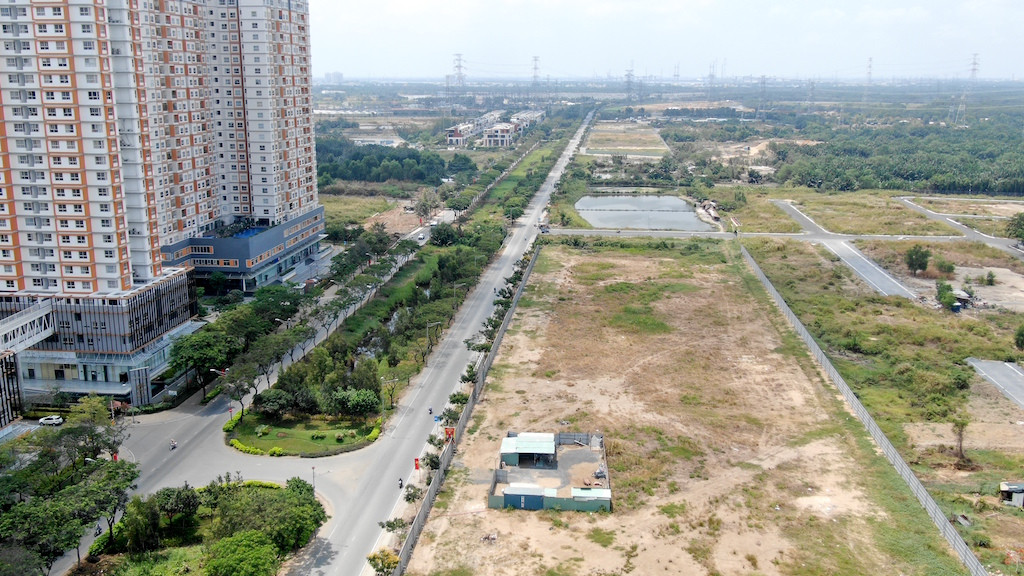
Beyond the completed and operational projects, many land plots and apartment projects along Nguyen Huu Tho Street are still under construction.
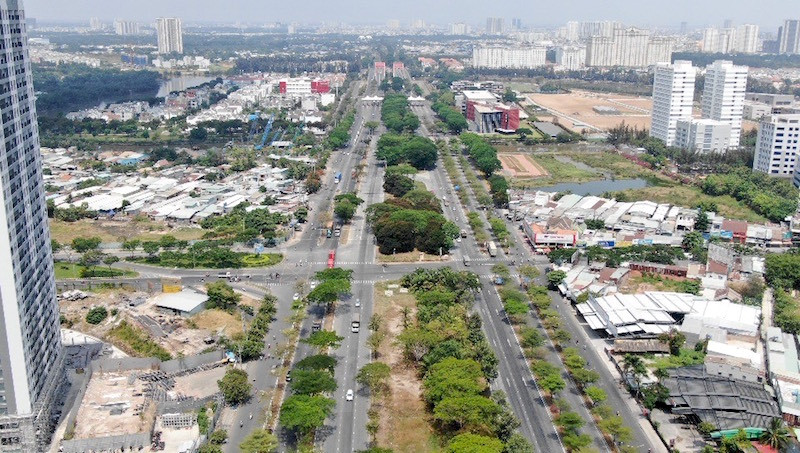
The rapid proliferation of real estate projects along this route is placing significant pressure on the area’s traffic infrastructure.
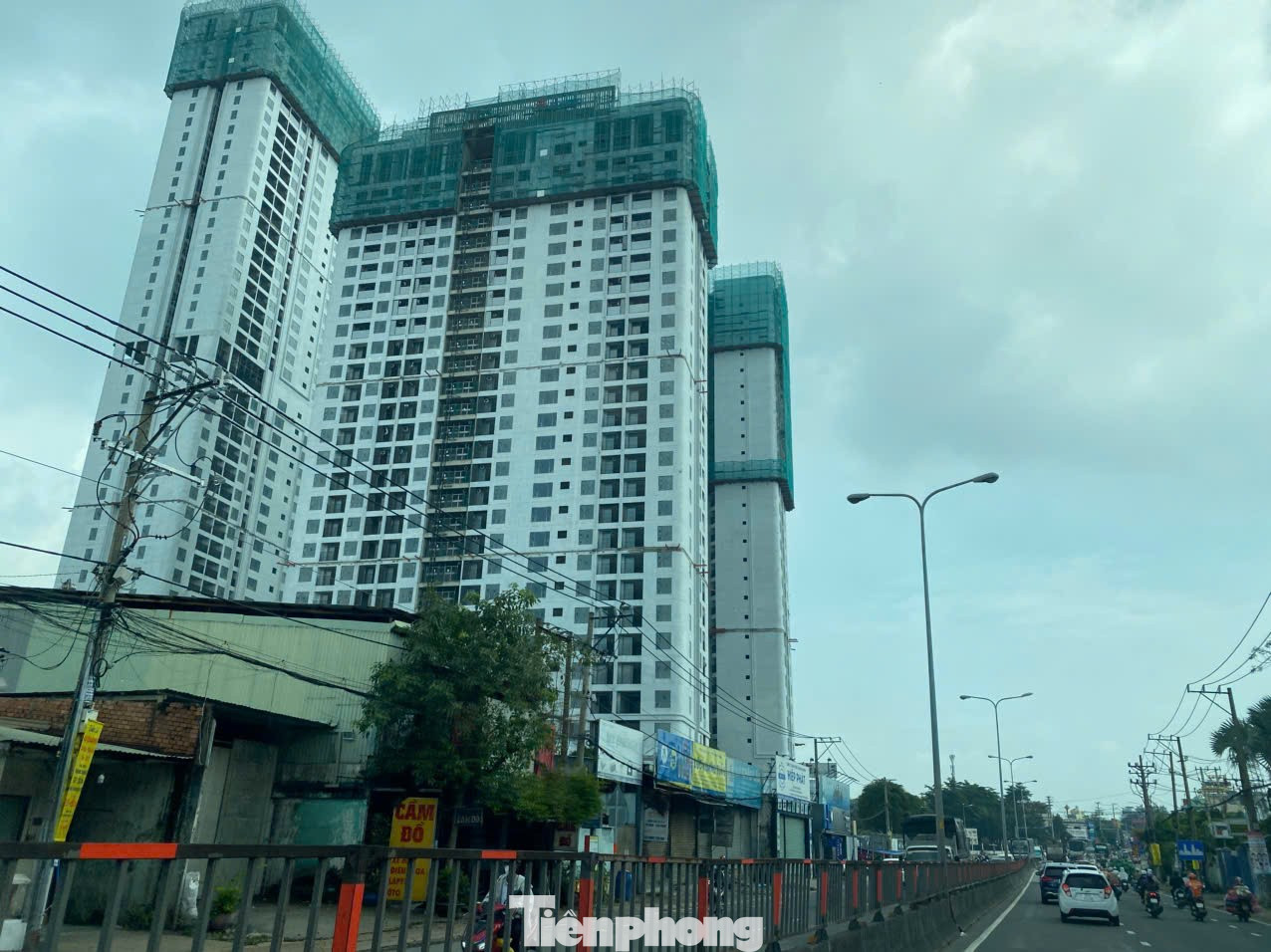
Another road bearing the burden of tens of thousands of apartments is National Highway 1K, connecting Ho Chi Minh City to Dong Nai.
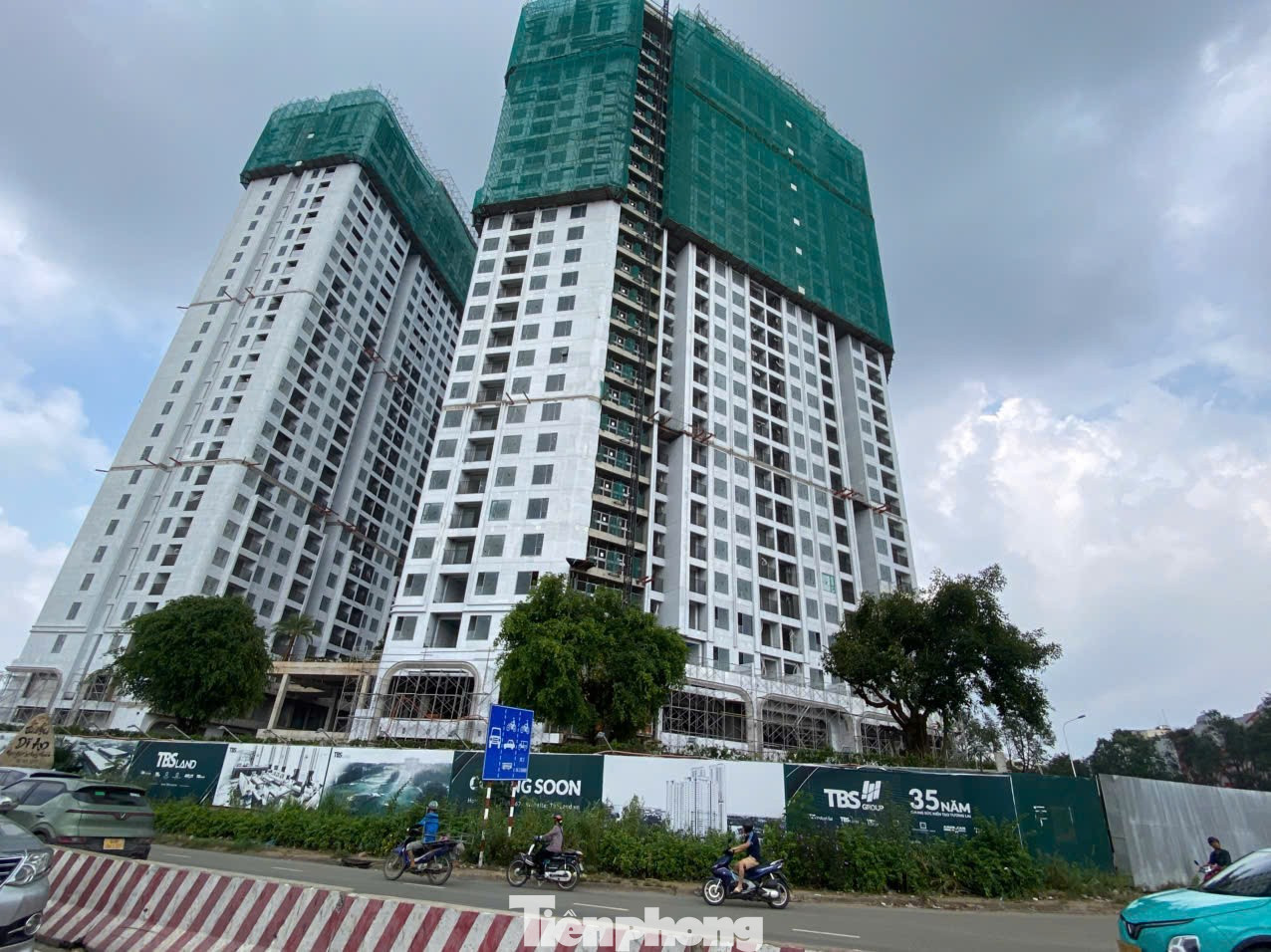
Pictured is a TBS Group project, which has nearly completed its rough construction but has not yet been launched for sale.
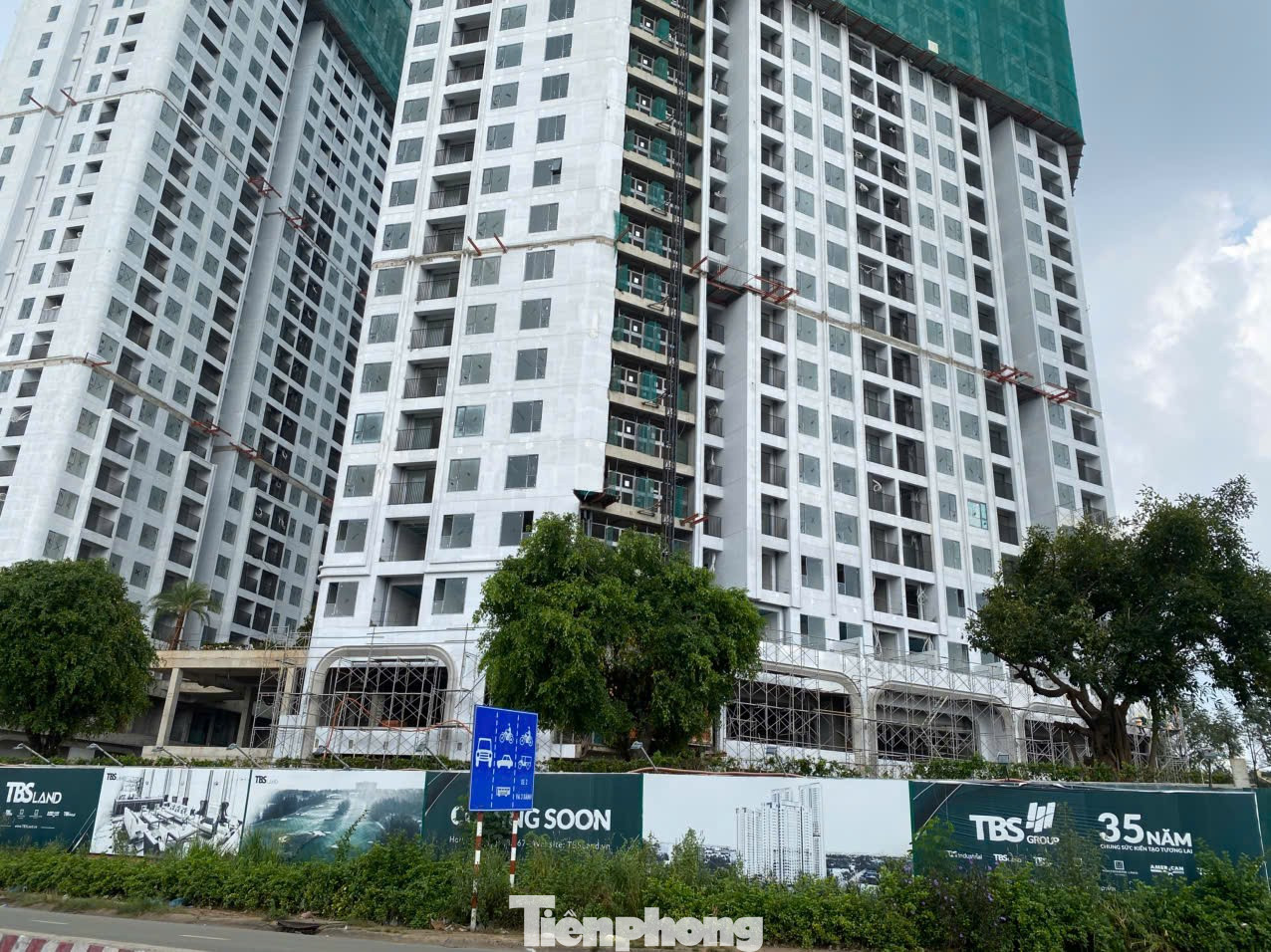
TBS Group owns extensive land holdings in the former Binh Duong area.

Pictured is a real estate project by Phuc Dat.
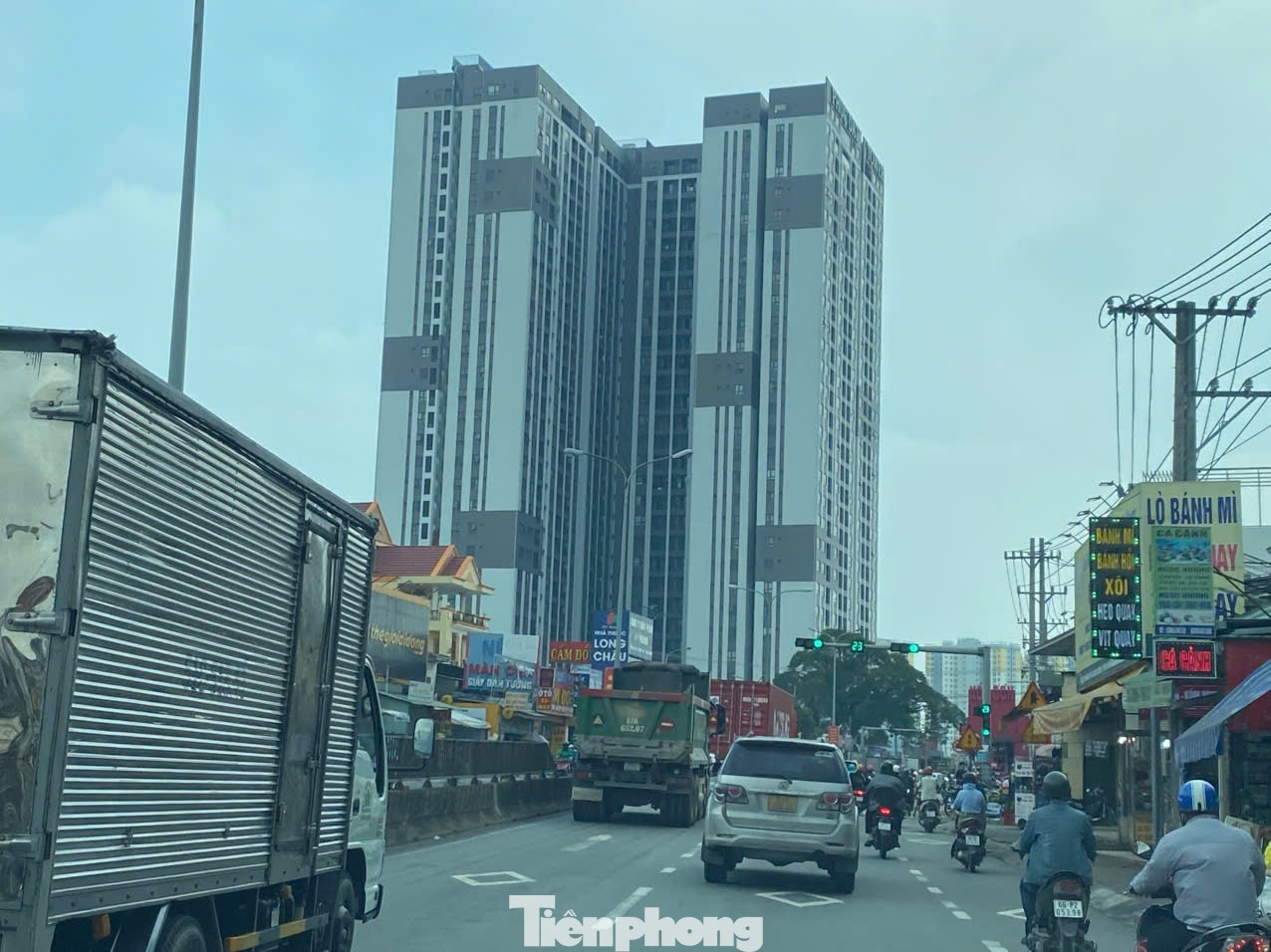
This project has been handed over to residents for several years.
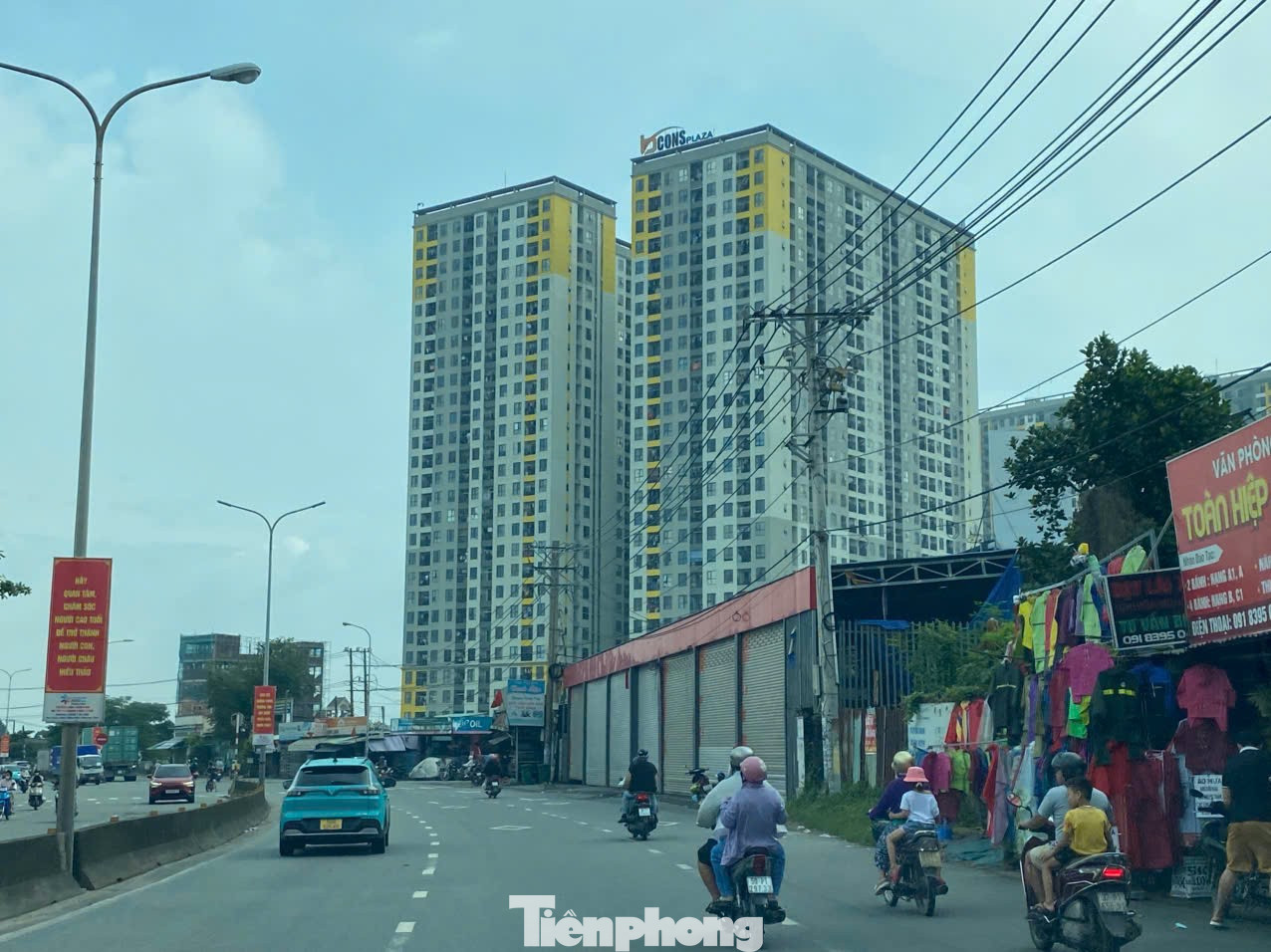
Another emerging player in the real estate market is Bcons Group.

Currently, Bcons Group has numerous projects along National Highway 1K.
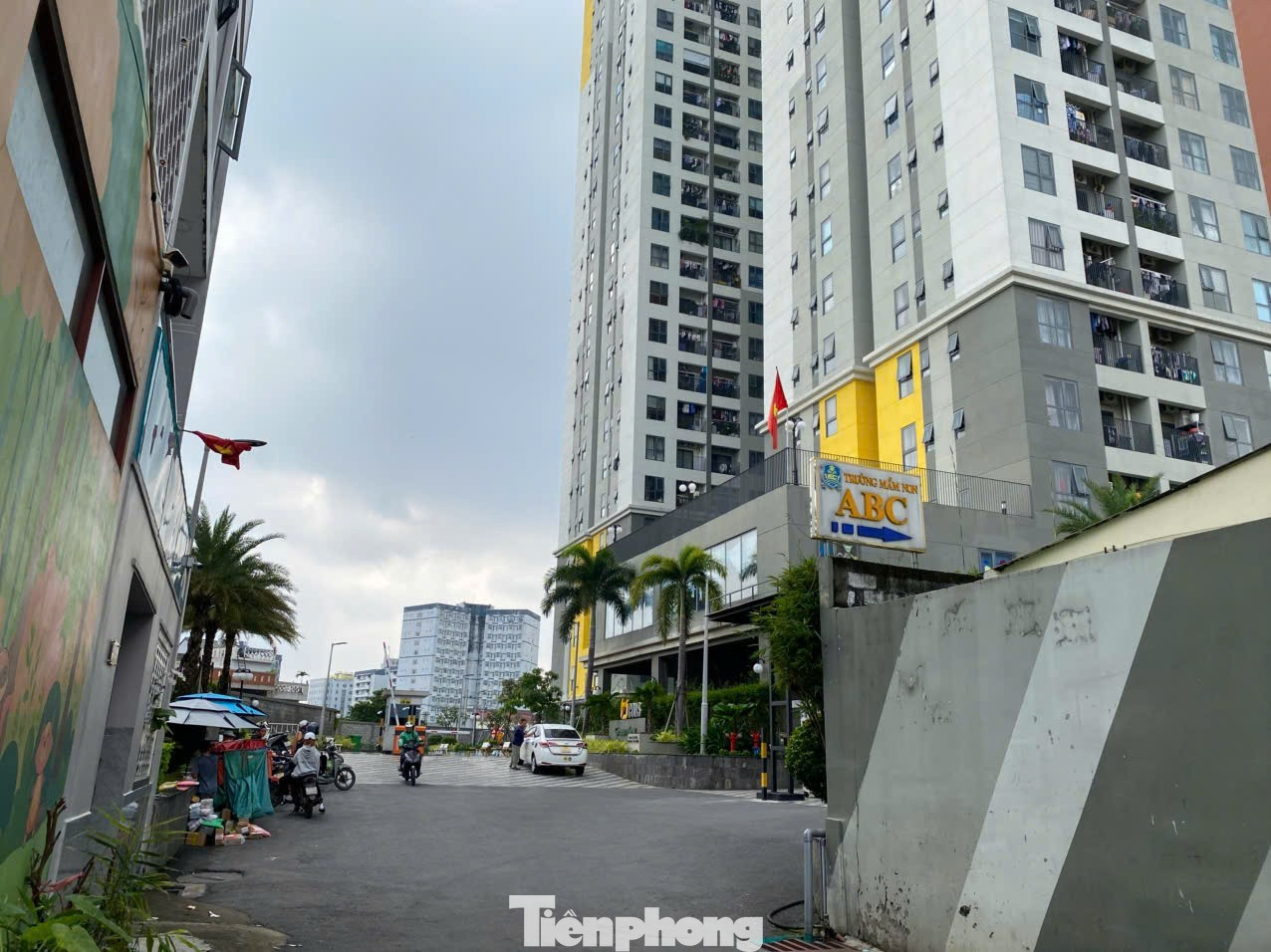
Each apartment on National Highway 1K is priced between 1.8 and 2.6 billion VND.

The proliferation of apartments on National Highway 1K is making affordable housing more accessible to residents.
Vietnam’s Wealthiest City Unveils Plans for a World-Class 4-Level Interchange with a $514 Million Investment
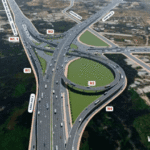
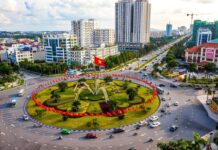
This intersection is meticulously designed as a four-level, grade-separated interchange, seamlessly integrating a central roundabout for enhanced traffic flow.
Panoramic View of the Saigon River Overpass Connecting Ho Chi Minh City and Tay Ninh Ahead of Its Official Opening
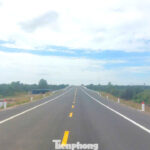
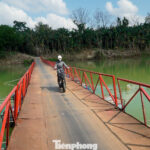
The Thanh An Bridge, spanning the Saigon River and connecting Thanh An Commune in Ho Chi Minh City with Hung Thuan Commune in Tay Ninh Province, has been successfully completed and is set to officially open to traffic soon.
The Scale of the Ben Thanh – Can Gio Metro Project
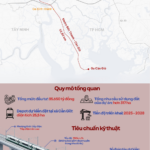
The 53-kilometer metro line, with an investment of over 85 trillion VND, stretches from Ben Thanh through Districts 1, 4, 7, and the former Nha Be District, crossing the Soai Rap River to reach Can Gio.
100 Real Estate Projects in Ho Chi Minh City Awaiting Land Use Fee Payments

Ho Chi Minh City currently has approximately 100 commercial real estate and housing projects awaiting land use fee announcements and additional payment notifications. Prominent developers like Novaland, with 13 projects, and Hung Thinh Land, with 8 projects, are among those affected. Consequently, the regulation mandating additional payments for delayed land use fee calculations will impose a significant financial burden on these businesses.
Deputy Prime Minister Urges Accelerated Work on Ring Road 3, Aiming for December 19 Completion Amid Favorable Weather Conditions

Inspecting the Belt 3 project, Deputy Prime Minister Mai Văn Chính urged leveraging favorable weather conditions, implementing extended work shifts, and maximizing equipment utilization around the clock to meet the December 19 deadline while maintaining stringent quality standards.