Amid the global wave of Industry 4.0, where digital technology, artificial intelligence (AI), and big data are reshaping logistics and port management, this panel discussion serves as a platform for domestic and international experts and businesses to share insights. The goal is to develop a smart logistics system and enhance national competitiveness.
Ho Chi Minh City focuses on building a modern, smart, and green logistics ecosystem.
Mr. Bùi Xuân Cường, Vice Chairman of Ho Chi Minh City People’s Committee, highlighted the global shift toward green and digital transformation. Logistics and ports are pivotal in boosting national competitiveness, ensuring supply chain resilience, and achieving sustainable development goals.
As Vietnam’s leading economic hub and a key maritime gateway, Ho Chi Minh City is advancing a modern, smart, and green logistics ecosystem. This strategy aligns with major port clusters like Cái Mép, Cát Lái, Hiệp Phước, Thị Vải, and the Cần Giờ International Transshipment Port—a breakthrough project for the city’s maritime economy.
The city is also synchronizing logistics infrastructure planning, integrating digital technology and AI into operations, and committing to carbon reduction under green port criteria.
Mr. Cường emphasized regional connectivity and public-private partnerships to establish regional logistics hubs, linking ports with industrial zones for enhanced efficiency.
He expressed hope that the discussions would lead to concrete projects and long-term collaborations, positioning Vietnam and Ho Chi Minh City as a regional leader in green, smart, and digitally connected logistics.
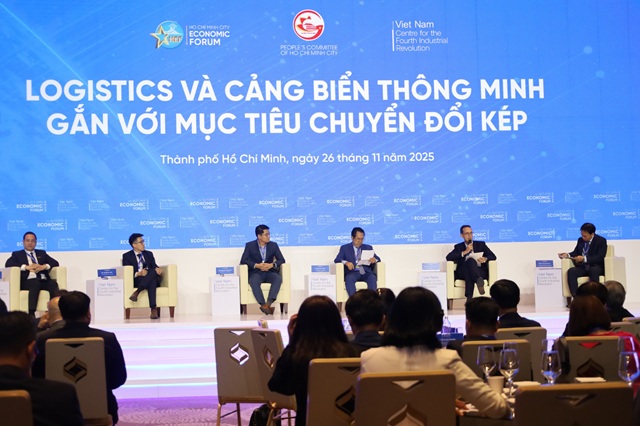
The panel discussion “Smart Logistics and Ports for Dual Transformation” on November 26, 2025.
|
Logistics as a strategic differentiator
Opening the session “Global Perspectives on Smart Logistics,” Prof. Thomas Sim, Chairman of the International Federation of Freight Forwarders Associations (FIATA), emphasized that logistics is no longer just a support function but a strategic differentiator. National competitiveness relies on digitization for transparency, speed, and green transformation.
Prof. Sim outlined three pillars of a smart logistics ecosystem: digital infrastructure (focused on Port Community Systems), sustainability, and smart port ecosystems. He cited Singapore’s Tuas Port as a model and recommended three shifts for Vietnam: building an integrated smart port ecosystem via PCS and multimodal connectivity; accelerating green logistics with renewable energy; and enhancing workforce development through partnerships with FIATA and UN.
Mr. Bùi Văn Quỳ, Chairman of the Asia-Pacific Port Services Network (APSN) Advisory Board, highlighted three global maritime trends: digitization, decarbonization, and regional connectivity. With only 72 smart or semi-automated ports worldwide (less than 10%), China leads in adoption. He defined “green ports” as reducing paperwork and transitioning to renewable energy sources like wind, solar, or hydrogen.
Vietnam, though lacking fully automated ports, is progressing with projects like Lach Huyen Terminals 7 and 8. APSN plays a key role in setting green and smart port standards within APEC.
Ms. Đặng Minh Phương, Chairwoman of the Ho Chi Minh City Logistics and Port Association, outlined Vietnam’s logistics sector, contributing 4-5% to GDP with 14-16% annual growth. Valued at $40-42 billion (projected to reach $72 billion by 2030), Vietnam has 34 seaports, with three in the global top 30 container ports.
Opportunities arise from supply chain shifts (“China + 1”), trade growth, and free trade agreements. However, challenges include infrastructure bottlenecks, high logistics costs, regional coordination gaps, and slow digital transformation. By 2035, Vietnam aims for world-class infrastructure, green development, and smart systems through regional planning, PPPs, and workforce training.
In the “Smart Logistics and Ports for Dual Transformation” discussion, Mr. Benjamin Lim, Senior Director of Strategy at YCH Group, praised Vietnam’s Superport potential, emphasizing multimodal transport and warehouse technology. He shared Singapore’s training initiatives and a digital logistics platform for SMEs.
Need for integrated regional logistics planning
Mr. Lê Duy Hiệp, Vice Chairman and CEO of Transimex Corporation, noted Vietnam’s logistics sector size at $70-76 billion (16.8% of GDP). Despite global digital transformation, only 5,000 of 40,000 logistics firms operate internationally, with 75% being SMEs facing investment challenges. These SMEs need clear digitalization roadmaps and suitable solution providers.
Mr. Hiệp proposed integrated logistics planning for Ho Chi Minh City, Binh Duong, and Ba Ria-Vung Tau to avoid fragmentation. He introduced “urban logistics” for megacities over 10 million, warning of conflicts between logistics infrastructure and residential spaces, as seen in Bangkok or Manila. A structured urban logistics ecosystem is vital for sustainable development.
– 16:01 26/11/2025
Ho Chi Minh City Ready to Lead as a Testing Ground for Innovative Economic Strategies, Says Party Secretary Tran Luu Quang
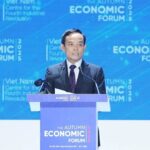
Ho Chi Minh City stands ready to lead as a pioneering hub, fostering the incubation of innovative strategies, birthing groundbreaking ideas, and disseminating successful models across the nation and beyond.
China, South Korea Experts Outline Fastest Path for Ho Chi Minh City to Become a Megacity
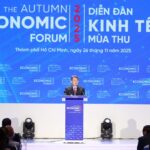
As Ho Chi Minh City evolves into a megacity, international experts suggest that fostering a robust innovation ecosystem and strengthening collaborations are essential steps to propel its growth and global competitiveness.
Prime Minister Urges Banking Sector to Channel Capital into Priority Areas, Cut Costs, and Leverage Technology to Lower Interest Rates
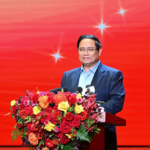
On the afternoon of November 24th, in Hanoi, Prime Minister Pham Minh Chinh attended and delivered a speech at the 9th Patriotic Emulation Congress of the Banking Sector (2025-2030), organized by the State Bank of Vietnam.
SHB and Vietnam Chemical Group Sign Strategic Cooperation Agreement
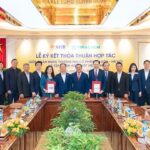
The partnership between SHB and Vinachem marks a significant new chapter in the relationship between these two leading enterprises, while also driving sustainable, modern, and integrated socio-economic development.
FPT Poised to Lead as Master Architect for Science, Technology, and Innovation Development in Quang Ninh
At the Quang Ninh Province Conference on Science, Technology Promotion, Innovation, and Digital Transformation, Mr. Nguyen Van Khoa, CEO of FPT Corporation, outlined a new vision for collaboration between businesses and local governments. He emphasized FPT’s readiness to take on the role of “chief architect” in shaping the province’s digital future.