During the 28th session held on the afternoon of November 26, the Hanoi People’s Council adopted a Resolution establishing the Land Price List for the first time, effective from January 1, 2026, across the city.
According to the Resolution, the Land Price List is divided into 17 zones instead of the previous district and ward classifications. The list categorizes land into three types: non-agricultural land, agricultural land, and unused land.
Non-agricultural land is further classified into four positions based on specific criteria: Position 1 applies to plots with at least one side adjacent to a street or alley; Position 2 applies to plots with at least one side adjacent to an alley, lane, or pathway of 3.5 meters or wider; Position 3 applies to plots with at least one side adjacent to an alley with a width between 2 meters and 3.5 meters; Position 4 applies to plots with at least one side adjacent to an alley narrower than 2 meters.
Under the new Land Price List, non-agricultural land prices have increased by 2-26% compared to current rates. Urban areas saw an average increase of 2%, while suburban and rapidly developing areas experienced increases ranging from 15% to 26%. Agricultural land prices peaked at 290,000 VND/m², remaining unchanged from current levels.
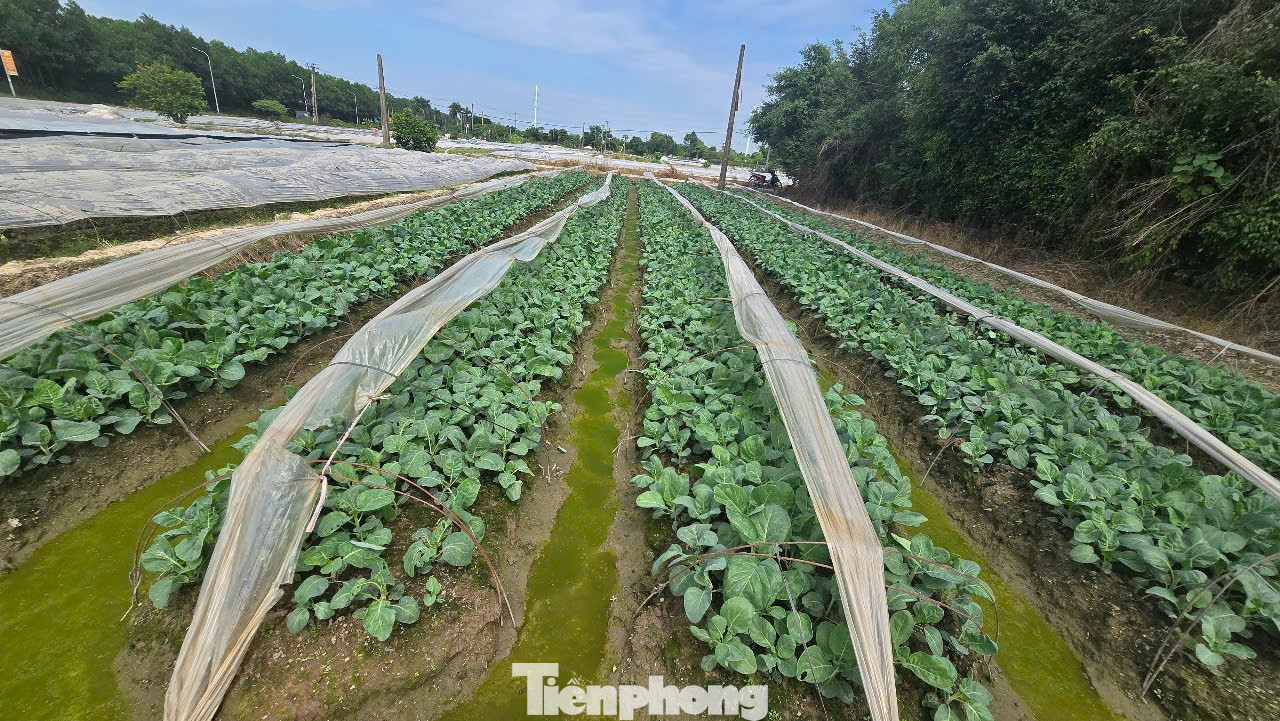
Agricultural land prices remain at a maximum of 290,000 VND/m², unchanged from current rates.
Presenting the Review Report, Mr. Trần Khánh Hưng, Deputy Head of the Economic-Budget Committee of the Hanoi People’s Council, urged the City People’s Committee to review agricultural land types across wards and communes to ensure the Land Price List aligns with current land realities.
Additionally, the City People’s Committee must clarify the impact of the new Land Price List on the city’s economic development, land clearance for projects, and the balance of interests among the state, citizens, and investors.
In its explanatory report, the City People’s Committee stated that the zoning in the Land Price List was based on economic development levels, technical infrastructure, road characteristics, and the profit potential of each area to accurately reflect market prices.
The Committee noted the lack of detailed information on specific agricultural land types in each ward and commune, which could lead to inaccuracies or inconsistencies if classified individually.
Furthermore, agricultural land boundaries may change over time, complicating updates to the Land Price List. Therefore, the list categorizes agricultural land by group and general area to ensure stability and ease of application.
The City People’s Committee emphasized that the new Land Price List adheres to market principles, meets practical needs, and reduces disparities between listed land prices and transaction prices, thereby enhancing policy coherence and real estate market transparency.
Moreover, the modest price increases ensure a balanced budget and do not disrupt business operations, production, or economic development for organizations and individuals.
Implementing New Land Price List Effective January 1, 2026: Preventing Adverse Effects

The newly released land price list, effective from January 1, 2026, is expected to closely reflect market values. However, it has raised concerns among experts, who fear it may significantly increase investment costs, drive up selling prices, and potentially limit access to housing for the general public.
Challenges in Land Clearance: Agricultural Land Prices Expected to Peak at 290,000 VND/m²
According to the proposal, the highest agricultural land price in Hanoi for 2026 is set at 290,000 VND per square meter. However, many argue that at this proposed rate, land clearance for projects within the city will face significant challenges.
Hanoi Proposes Up to 26% Land Price Hike: New Land Valuation Must Remain Neutral
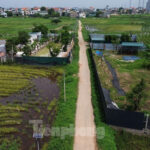
Determining land valuation to establish a “neutral” pricing framework that balances the interests of all stakeholders remains a complex challenge. Adjusting legal documents related to taxes, fees, and charges associated with land use could help mitigate the drawbacks of rising land prices and better protect citizens.
Projected Hanoi Land Prices to Peak at 702 Million VND/m² by 2026

The Hanoi Department of Agriculture and Rural Development has recently drafted a proposal for the establishment of a land price list, set to be announced and implemented starting January 1, 2026.
Why Hanoi Plans to Cap Agricultural Land Prices at 290,000 VND/m²
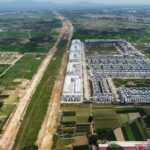
According to the first draft of the land price list, set to be announced and applied from January 1, 2026, Hanoi anticipates that the highest agricultural land price will remain at 290,000 VND per square meter.