Unblocking the Bottlenecks
On November 26, as part of the 2025 Autumn Economic Forum, a parallel thematic discussion was held under the theme “Smart Logistics and Ports for Dual Transformation.”
During the session, Mr. Benoit de Quillacq, Managing Director of MSC Vietnam Co., Ltd., emphasized that reducing carbon emissions and digitizing logistics operations are inevitable trends in global maritime transport. Vietnam has the potential to develop green and smart port models if it can overcome bottlenecks in connectivity and infrastructure.
According to MSC representatives, the Cai Mep port area is currently connected to the Ho Chi Minh City ICD via waterways. However, the transit time from Cai Mep to downtown Ho Chi Minh City sometimes equals the travel time from Singapore to Cai Mep. This issue needs to be addressed to enhance competitiveness and optimize the supply chain.
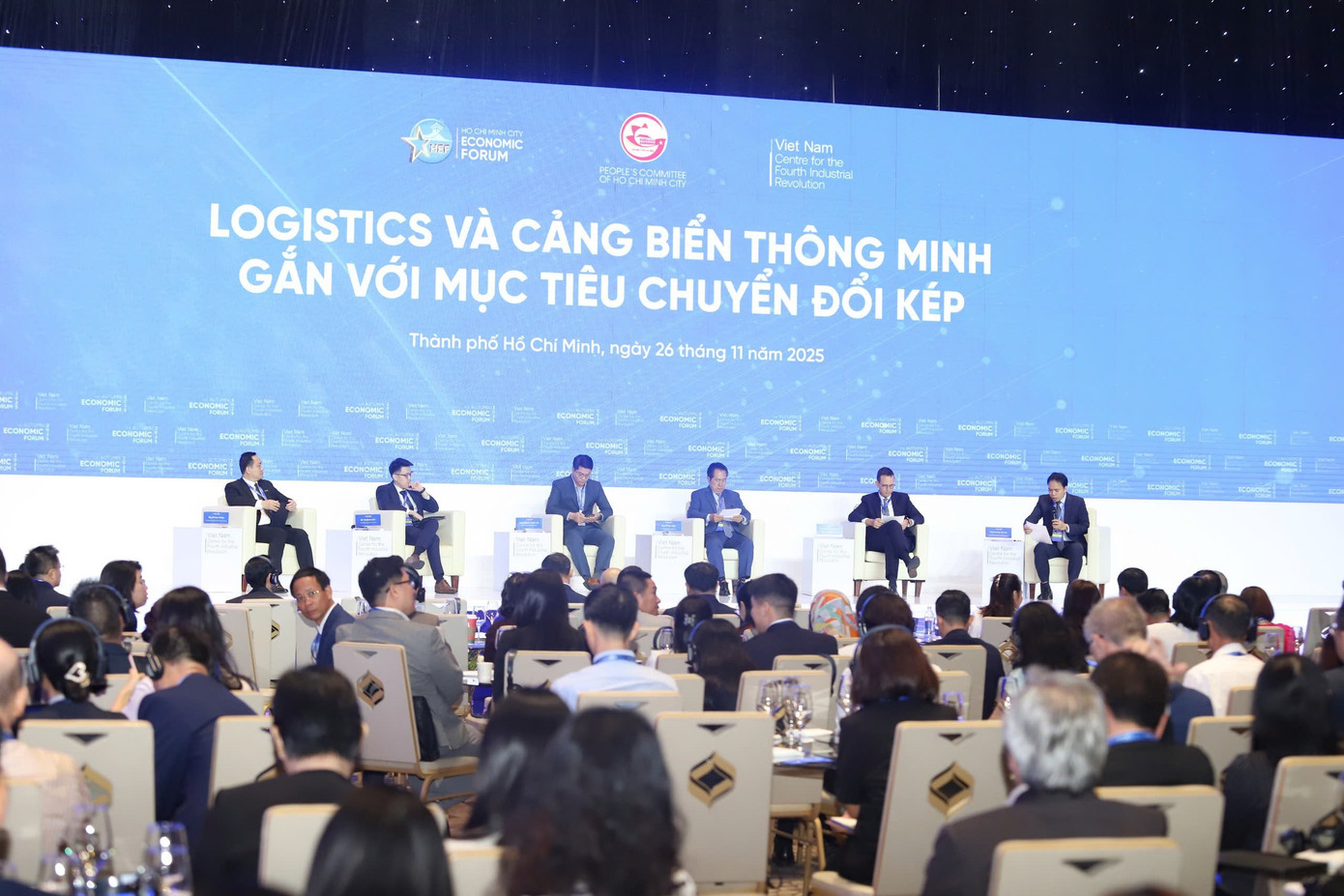
Overview of the discussion session.
Mr. Benoit de Quillacq stressed the importance of ensuring barges operate on schedule to maintain a smooth flow of goods. Inland connectivity must be given as much attention as offshore connections, as any inland delays will impact the entire supply chain.
Vietnam is directly competing with major regional ports like Shanghai and Singapore. Currently, only two domestic container ports can accommodate ultra-large vessels. According to MSC representatives, this is a positive sign but still insufficient to meet demand as market scale and vessel sizes continue to grow. MSC expressed hope to bring larger ships to Vietnam, noting that this requires ports to have adequate capacity.
MSC also stated that their strategy does not focus on transshipment but on delivering goods directly to Vietnam to better serve domestic customer needs.
Mr. Benjamin Lim, Senior Director of Strategy at YCH Group, assessed that Vietnam has the opportunity to become a regional logistics hub. YCH recently restructured its strategy, shifting to the development of a “superport” model, which requires multi-modal infrastructure connectivity. In terms of human resources, YCH is supporting the training of young Vietnamese talent by sending students to Singapore for nine months to study areas like warehouse management.
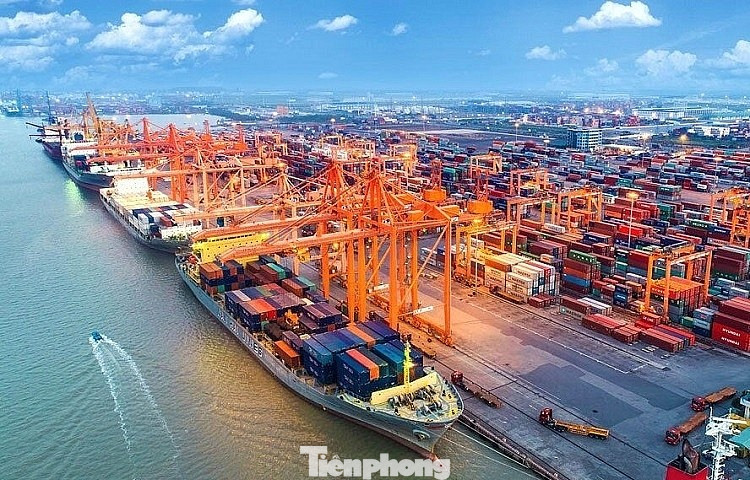
Vietnam and Ho Chi Minh City have the potential to become regional logistics hubs.
From a domestic enterprise perspective, Mr. Le Duy Hiep, Vice Chairman of the Board and CEO of Transimex, noted that Vietnam’s logistics sector is valued at $70-76 billion, with logistics costs accounting for about 16.8% of GDP. However, out of 40,000 logistics companies, only about 5,000 operate internationally, with 75% being small and medium-sized enterprises (SMEs).
According to Mr. Hiep, SMEs face significant challenges in investing in digital transformation and need a realistic roadmap along with practical solution providers. He also proposed “rezoning” to integrate logistics development plans for Ho Chi Minh City, Binh Duong, and Ba Ria-Vung Tau into a unified framework to avoid fragmentation and enhance connectivity.
Comprehensive Solutions
Ms. Dang Minh Phuong, Chairwoman of the Ho Chi Minh City Logistics and Port Association, observed that Vietnam’s logistics sector has grown rapidly, contributing 4-5% to GDP and growing at 14-16% annually from 2007 to 2023. She projected that the port economy market will reach $52 billion by 2025 and $72 billion by 2030, with an average growth rate of 6.6%.

Cargo handling at Cat Lai Port, Ho Chi Minh City.
However, infrastructure capacity and traffic congestion remain significant challenges. To achieve the goal of building a modern, green, and competitive port and logistics system by 2030-2035, Ms. Phuong proposed three pillars: developing world-class infrastructure and connectivity; promoting green and sustainable development; and building a smart and digital ecosystem.
Speaking at the discussion, Mr. Bui Xuan Cuong, Vice Chairman of the Ho Chi Minh City People’s Committee, noted that green and digital transformation are significantly impacting the global economy, with logistics and ports playing a pivotal role in ensuring smooth supply chains and enhancing national competitiveness.
As the country’s largest economic hub, Ho Chi Minh City serves as a maritime gateway and a critical trade connection between Vietnam and the world. The city is focusing on developing a modern, smart, and green logistics ecosystem, linked to key port clusters such as Cai Mep – Thi Vai, Cat Lai, and Hiep Phuoc.
Notably, the Can Gio International Transshipment Port project is identified as a strategic initiative, acting as a “catalyst” for Ho Chi Minh City’s and the nation’s maritime economic development.
Banking Sector Hit by Widespread Layoffs

In the midst of a robust digital transformation, banks are undergoing significant workforce reductions. Experts suggest that as the year progresses, these cuts will extend across more institutions, not as a sign of decline, but as a strategic preparation for an upcoming growth cycle.
Autumn Economic Forum 2025: Driving Dual Transformation in Logistics and Maritime Ports
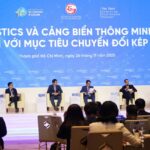
The parallel session of the 2025 Autumn Economic Forum, themed “Smart Logistics and Seaports Linked to Dual Transformation Goals,” took place on the morning of November 26th.
Ho Chi Minh City Ready to Lead as a Testing Ground for Innovative Economic Strategies, Says Party Secretary Tran Luu Quang
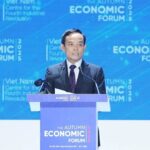
Ho Chi Minh City stands ready to lead as a pioneering hub, fostering the incubation of innovative strategies, birthing groundbreaking ideas, and disseminating successful models across the nation and beyond.
China, South Korea Experts Outline Fastest Path for Ho Chi Minh City to Become a Megacity
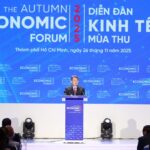
As Ho Chi Minh City evolves into a megacity, international experts suggest that fostering a robust innovation ecosystem and strengthening collaborations are essential steps to propel its growth and global competitiveness.
Prime Minister Urges Banking Sector to Channel Capital into Priority Areas, Cut Costs, and Leverage Technology to Lower Interest Rates
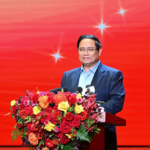
On the afternoon of November 24th, in Hanoi, Prime Minister Pham Minh Chinh attended and delivered a speech at the 9th Patriotic Emulation Congress of the Banking Sector (2025-2030), organized by the State Bank of Vietnam.