Export Surge Propels Vietnam’s Agricultural Sector to New Heights in Demanding Markets
According to the latest data from the General Department of Customs (Ministry of Finance), Vietnam’s fruit and vegetable exports reached approximately USD 7.05 billion in the first 10 months of 2025, marking a notable 14.6% growth compared to the same period last year. This growth is particularly significant as it extends beyond traditional markets like China, with impressive strides in some of the world’s most demanding markets, which require high-quality standards and stringent control processes.
With a 10-month export value of USD 7.05 billion, Vietnam’s fruit and vegetable industry is on track to achieve the ambitious target of USD 8.5 billion. While robust growth opens up significant opportunities, it also necessitates improvements in quality, traceability, and product diversification.
Specific figures highlight a shift in export market dynamics. Exports to the U.S. reached USD 454.5 million, soaring by 58.3%. South Korea also saw strong growth of 18.1%, totaling USD 264.1 million, with a notable increase in processed products, indicating growing acceptance of Vietnam’s value-added goods. In Europe, major economies recorded double-digit growth, with the Netherlands at 31.8%, the UK at 50.8%, and Germany at 54.5%. The Middle East, particularly the UAE with imports of USD 97.4 million (up 51.8%), confirms that the market diversification strategy is on the right track. The Ministry of Industry and Trade asserts that this lays a solid foundation for Vietnam’s fruit and vegetable sector to reach the USD 8.5 billion export goal for the year.
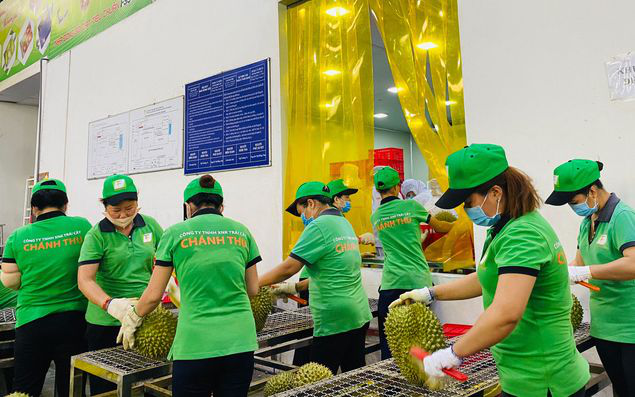
Many exporters are proactively investing in high-quality growing regions and adopting advanced cold storage technologies.
Overhauling the Agricultural Supply Chain to Compete on Quality
Currently, state management agencies are working closely with the Vietnam Fruit and Vegetable Association to adjust export strategies. This includes developing raw material zones compliant with VietGAP and GlobalGAP standards, investing in packaging facilities and cold storage, and expanding into markets like the U.S., EU, and Middle East to reduce reliance on traditional markets. In discussions with reporters, leaders from the Import-Export Department (Ministry of Industry and Trade) emphasized that diversifying products—from frozen fruits to pre-cut and canned goods—is key to enhancing export value and boosting the competitiveness of Vietnamese agricultural products globally.
According to the Vietnam Fruit and Vegetable Association, exporters have been proactive in investing in production. Many key exporters of products like durian, bananas, mangoes, and coconuts are investing in high-quality growing regions, implementing advanced cold storage technologies, and standardizing planting zone codes to meet strict traceability requirements. Deep-processing companies are focusing on value-added products such as canned goods, dried snacks, and ready-to-eat items to cater to the convenience demands of Western markets, aligning with the “healthy” and eco-friendly consumption trends. Logistics firms are also upgrading cold storage systems and optimizing cold chain transportation to ensure product quality from farm to table. Mr. Nguyen Thanh Binh, Chairman of the Vietnam Fruit and Vegetable Association, remarked, “Vietnamese businesses have entered a phase of smart exporting, shifting focus from quantity to quality, value-added products, and market sustainability.”
Adding to this, leaders from the Import-Export Department (Ministry of Industry and Trade) stressed that diversifying products—from frozen fruits to pre-cut and canned goods—is the “golden key” to enhancing export value and boosting the competitiveness of Vietnamese agricultural products globally, especially as developed countries increasingly favor convenience and processed foods.
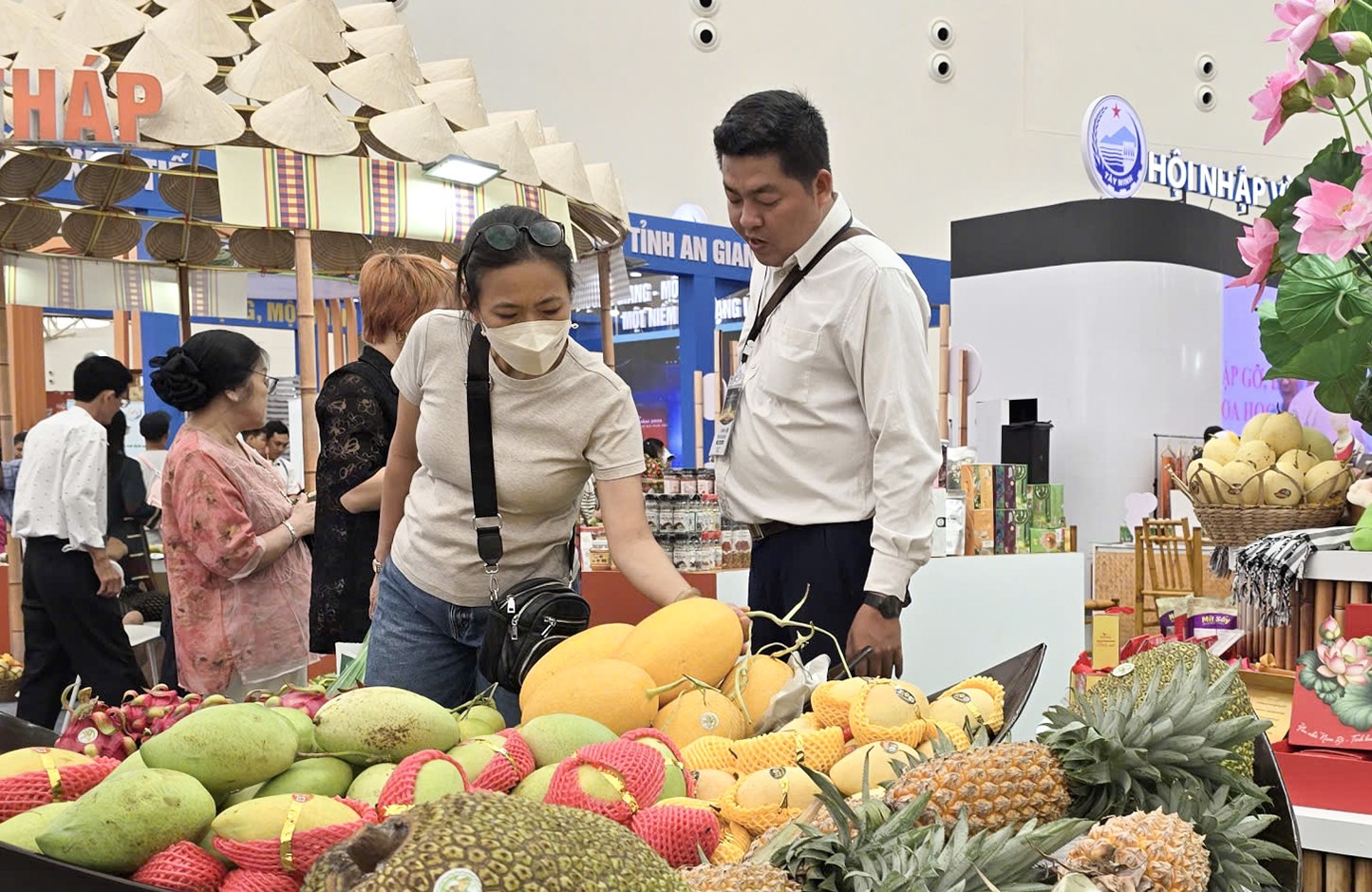
From a business perspective, Ms. Truong Thi Thanh, owner of a company specializing in deep-processed agricultural products for the European market, detailed the challenges: “To meet the EU’s stringent standards, we had to overhaul our entire process, from partnering with farmers at the seeding stage to control pesticide residues, to investing in multi-billion-dong cold drying and vacuum packaging lines. The initial investment is substantial, but it’s the only path to break free from low-cost raw exports and build sustainable brand trust in demanding markets.” She emphasized that proactively addressing non-tariff technical barriers and establishing planting zone codes are critical for a company’s survival and growth.
Meanwhile, agricultural product distributors note that success isn’t just about selling products but also about maintaining a stable supply chain with consistent quality year-round. These companies prioritize partners capable of supplying large volumes and adhering to international certifications, as consumers seek real value: safety, high quality, and transparent origins.
Economic experts caution that while exports to China remain significant, diversifying into the U.S., EU, and Middle East is essential to mitigate risks from geopolitical shifts, tariff changes, and seasonal fluctuations. Price pressures, cold chain transportation costs, and the need for high-standard raw material zones pose significant barriers, potentially leaving smaller businesses behind without timely state support or integration into robust value chains.
Financial Incentives and Value Chain Linkages
To achieve the USD 8.5 billion target and sustain growth, Vietnam’s fruit and vegetable sector requires strategic moves and stronger policy support. According to Mr. Binh, there’s a need to increase investment in internationally certified raw material zones, develop synchronized processing and cold storage infrastructure, conduct focused international trade promotions, provide financial incentives for technology adoption and traceability solutions like blockchain and IoT, and streamline quarantine and customs procedures.
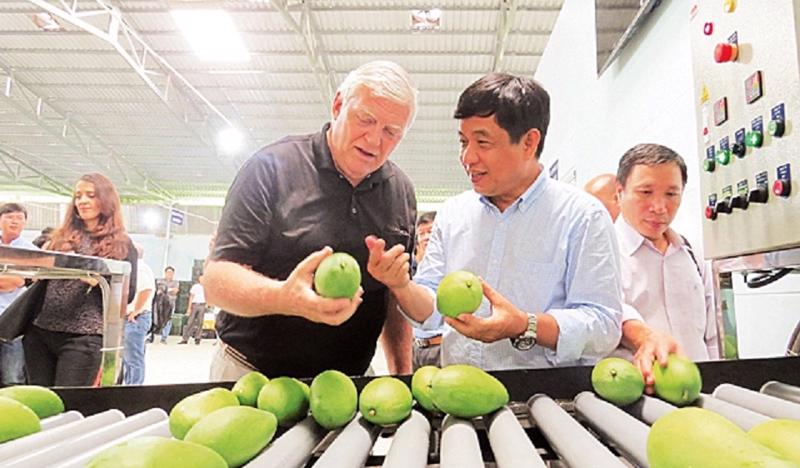
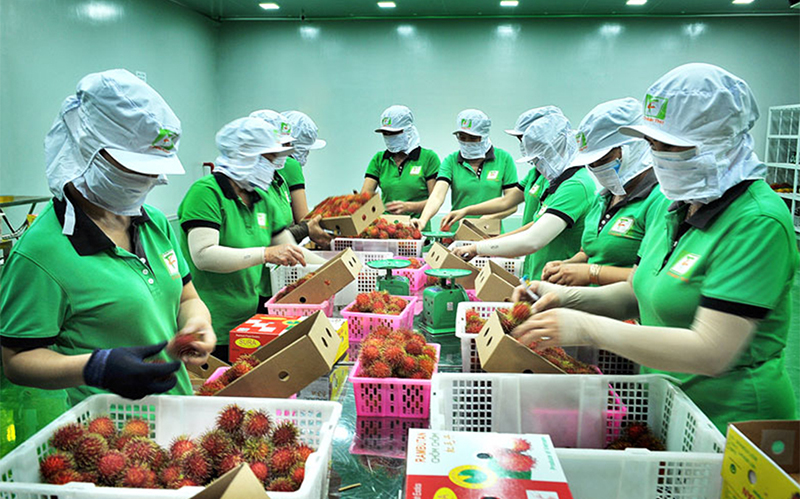
Vietnamese fruits are exported to demanding markets
The 2025 export results exceeded expectations, marking significant progress in both value and market reach. To realize the USD 8.5 billion target sustainably, the sector must continue innovating across growing regions, quality, processing, and market strategies, with support from management agencies, business linkages, and modern technology adoption.
From a market economics perspective, Mr. Tran Manh Hung emphasized the role of financial policies in driving sustainable exports: “We need clearer and more timely tax and fee incentives for businesses investing in deep processing, cold storage technology, and cold chain logistics. Expedited VAT refunds for high-standard exports would provide businesses with working capital, easing financial pressure from investing in internationally certified growing zones.” Streamlined tax refund policies are seen as crucial leverage to prevent capital lock-up.
Additionally, Mr. Hung suggested that the government should encourage and support new-model cooperatives, closely linked with lead firms, to create specialized, large-scale raw material zones capable of supplying consistent volumes for major contracts with the U.S. or EU. Without such linkages, traceability would be compromised, and the risk of product returns would persist. He also proposed enhancing R&D in post-harvest processing to develop higher-value products like fruit powders, natural extracts, or functional foods, thereby solidifying Vietnam’s “upgraded” position in the global agricultural map.
Agricultural Enterprises Unanimously Petition for VAT Reforms
According to several associations, while the new tax law was designed to support production, business operations, and ease burdens on enterprises, in practice, certain regulations inadvertently act as barriers. This is particularly evident for unprocessed agricultural, forestry, and aquatic products—sectors that contribute tens of billions of USD annually to Vietnam’s export turnover.
Vietnam’s Textile Industry Poised to Generate $46 Billion in 2023, Capturing 138 Export Markets

Despite facing numerous challenges in 2025, Vietnamese businesses have successfully maintained stable production while consistently securing their market share across 138 global export destinations.
Vietnamese Agricultural and Aquatic Products Gain Broader Access to U.S. Markets

Vietnamese businesses exporting goods to the United States are optimistic about potential tariff reductions or exemptions, which could significantly enhance their competitiveness in the American market.
Vietnam’s 10-Month Export Surpasses $390 Billion

The United States remains Vietnam’s largest export market, boasting a remarkable trade value exceeding $126 billion.
Vietnam Announces $58 Billion Figure, with Significant Contribution from China

This is Vietnam’s remarkable achievement in just 10 months of 2025.