Amidst the towering condominiums and gleaming glass office buildings, many visitors to Hong Kong are left with a common question: Why does one of Asia’s most modern cities still rely on bamboo scaffolding? A stroll past any construction or renovation site reveals dense bamboo frameworks enveloping buildings, forming a thin yet extensive network from the ground to the highest floors.
While other nations have fully transitioned to steel or aluminum, bamboo—a seemingly archaic material—remains a staple in Hong Kong’s skyline. Why is this so?
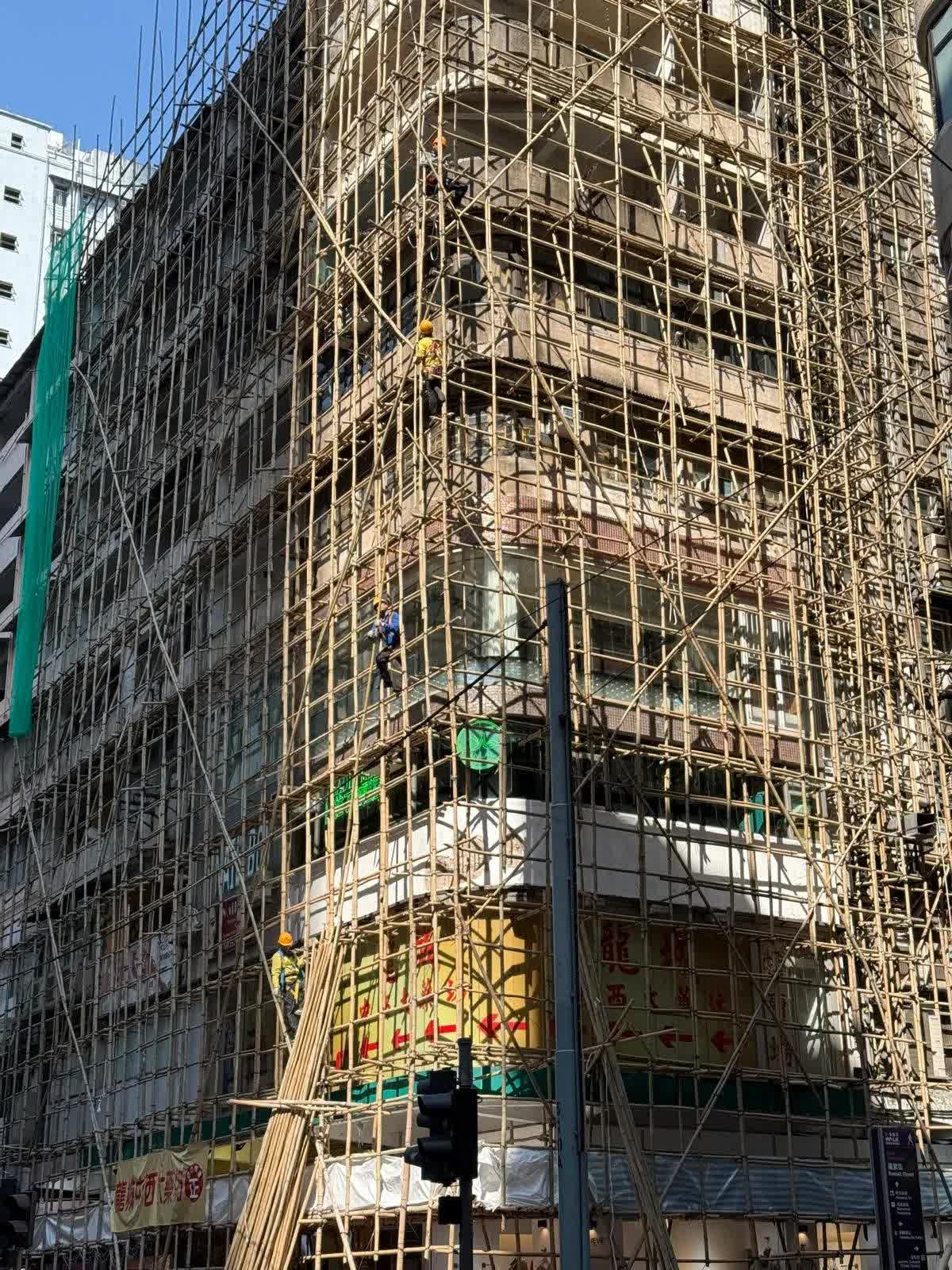
Image: SCMP
Why is Bamboo Scaffolding Still Preferred?
According to the South China Morning Post (SCMP), bamboo was once a ubiquitous building material across Asia, but Hong Kong remains one of the few places where it persists in modern times. Its continued use is primarily due to bamboo’s inherent properties: lightweight, flexible, and easy to transport. In a densely populated city with narrow streets, bulky metal scaffolding is often impractical, while bamboo can be carried by motorcycle, on foot, or even by hand into tight spaces.
Technically, bamboo boasts a high strength-to-weight ratio, allowing scaffolds to adhere flexibly to building surfaces. Bamboo poles are bound together with specialized nylon ropes, eliminating the need for screws or modern machinery while forming a sturdy framework. This flexibility is crucial for navigating complex building facades or hard-to-reach areas where metal scaffolding falls short.
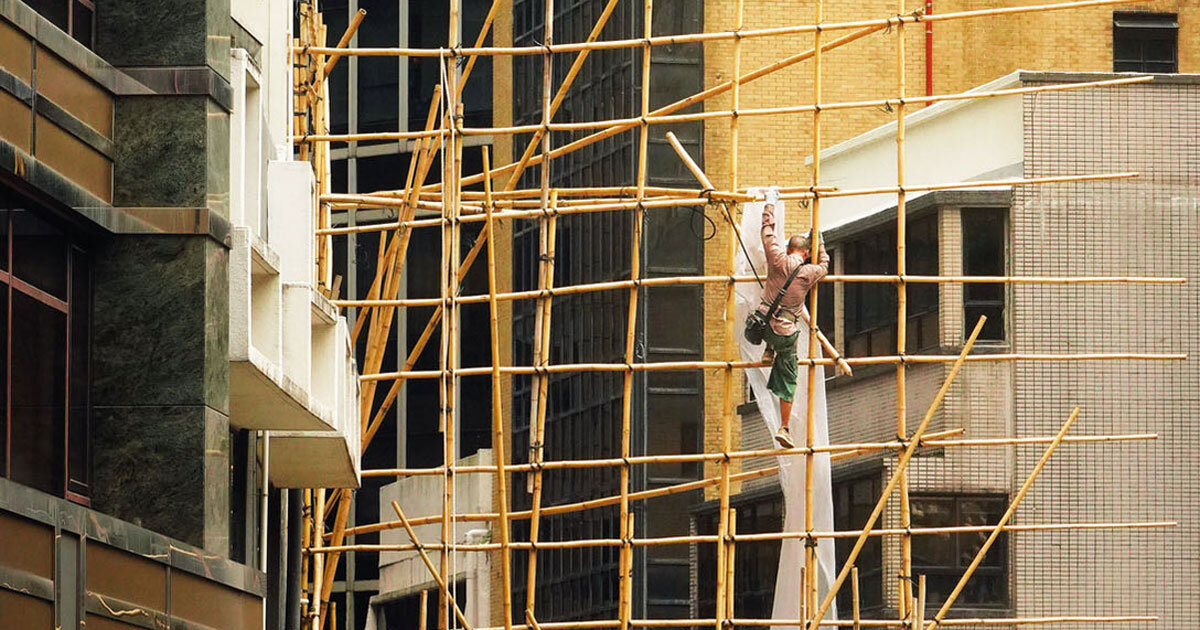
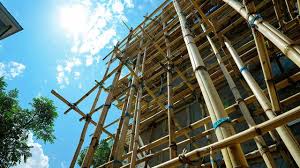
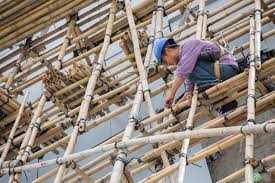
Image: ST
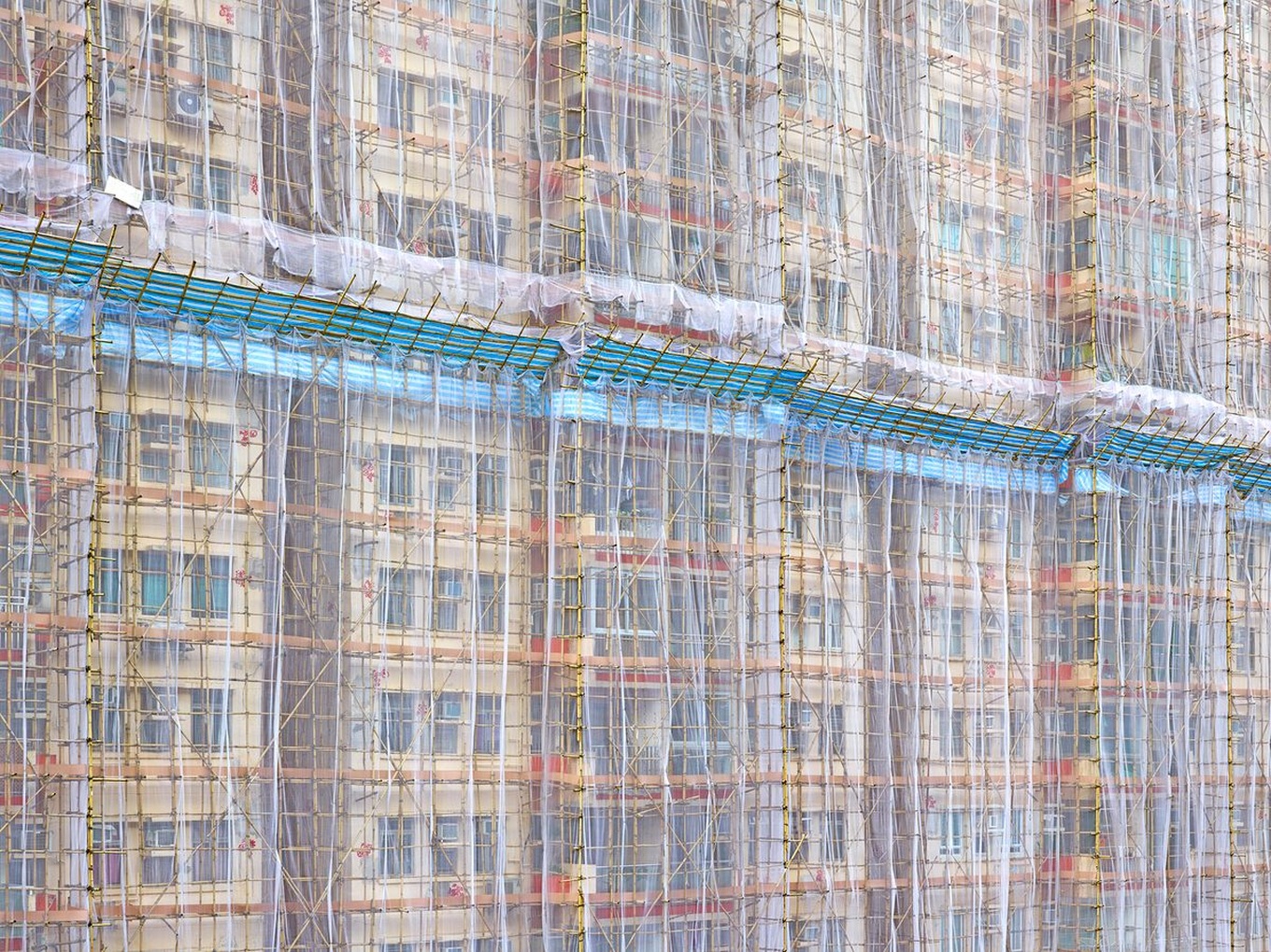
Image: Atlas Obscura
Economics also plays a role. Bamboo grows rapidly, is easily harvested, and is significantly cheaper than steel. In Hong Kong, where hundreds of buildings require annual maintenance, waterproofing, glass replacement, or repainting, bamboo scaffolding offers substantial cost savings for contractors and developers.
ArchDaily analyses highlight bamboo’s sustainability advantages: it can be reused multiple times, and after dismantling, it can be repurposed for smaller projects.
Lastly, traditional craftsmanship is a significant factor. Hong Kong’s bamboo scaffolding trade requires years of training to master. Each knot and load-bearing point relies on generational hand-crafted techniques, making bamboo scaffolding not just a material but a cultural heritage. For many locals, the sight of workers scaling towering bamboo frameworks is an iconic symbol of the city.
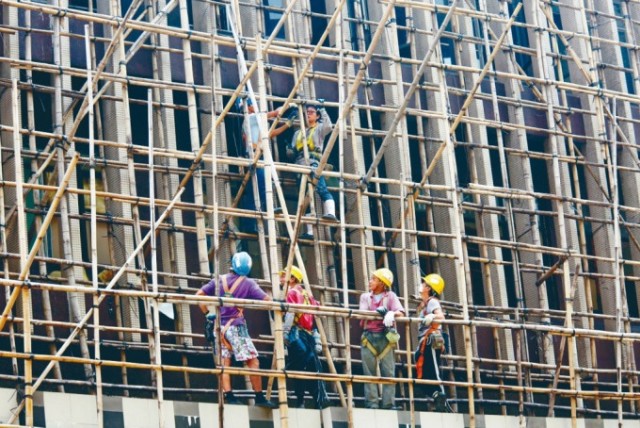
Image: Time Out
Bamboo Scaffolding in Hong Kong Today: Widespread but Facing Challenges
While prevalent in construction, bamboo scaffolding no longer dominates as it once did. According to SCMP, it remains widely used for high-rise residential buildings, especially during exterior repairs, brick replacement, glass installation, or air conditioner fitting. Buildings ranging from 20 to over 40 stories are often enveloped in bamboo frameworks and distinctive green netting—a familiar sight to locals.
However, modern materials pose challenges to this tradition. As a natural material, bamboo lacks the uniformity of steel. To meet rising safety standards, many contractors now combine bamboo with metal frames to enhance load-bearing capacity. Some high-rise projects, particularly those with extensive glass facades, prioritize metal scaffolding for standardization.
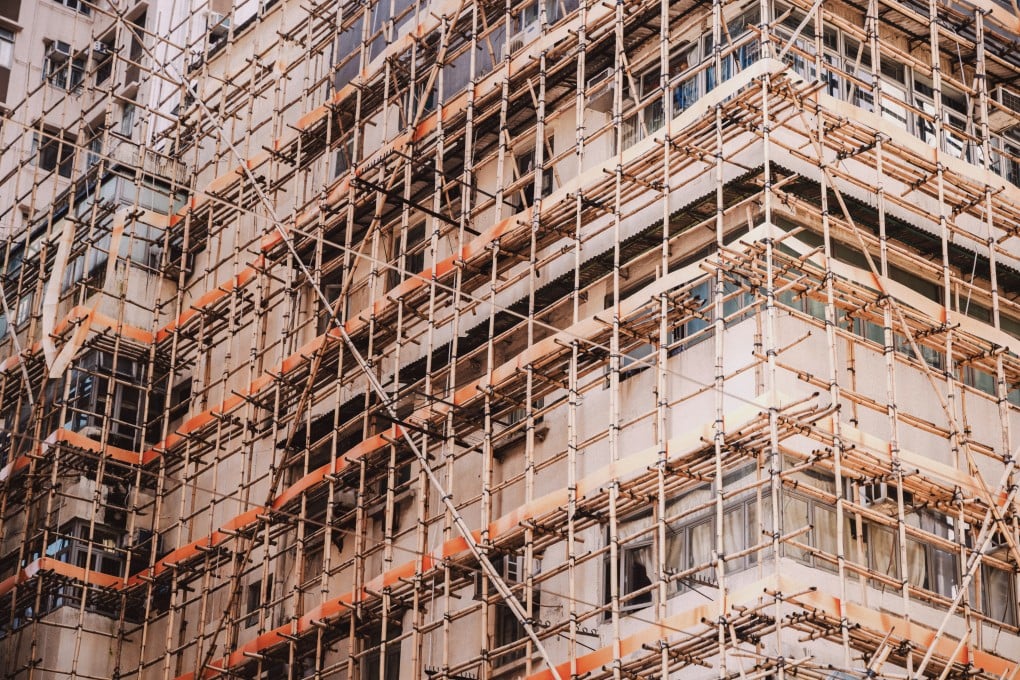
Image: CN Daily
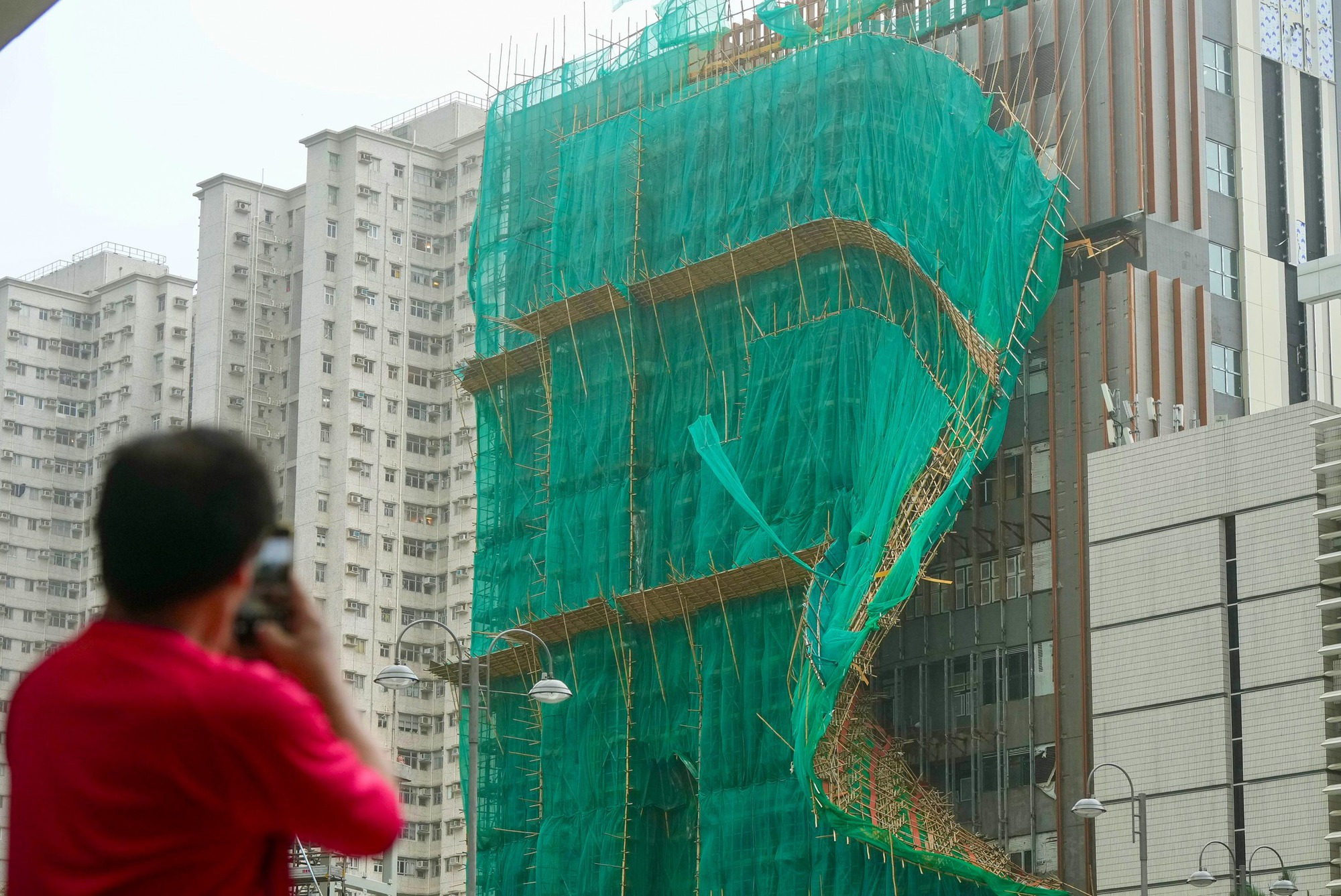
Image: SC
Another challenge is the labor force. Bamboo scaffolding demands courage, skill, and precision, yet fewer young workers are willing to enter the trade due to its high risk. Meanwhile, the aging workforce is dwindling, raising concerns about the craft’s survival.
Recently, a devastating fire in Hong Kong’s Tai Po district claimed thousands of lives. While the cause remains undetermined, bamboo scaffolding and nylon netting surrounding buildings under renovation were cited as factors accelerating the fire’s spread. International media highlighted bamboo’s flammability and the increased fire risk when combined with nylon netting.
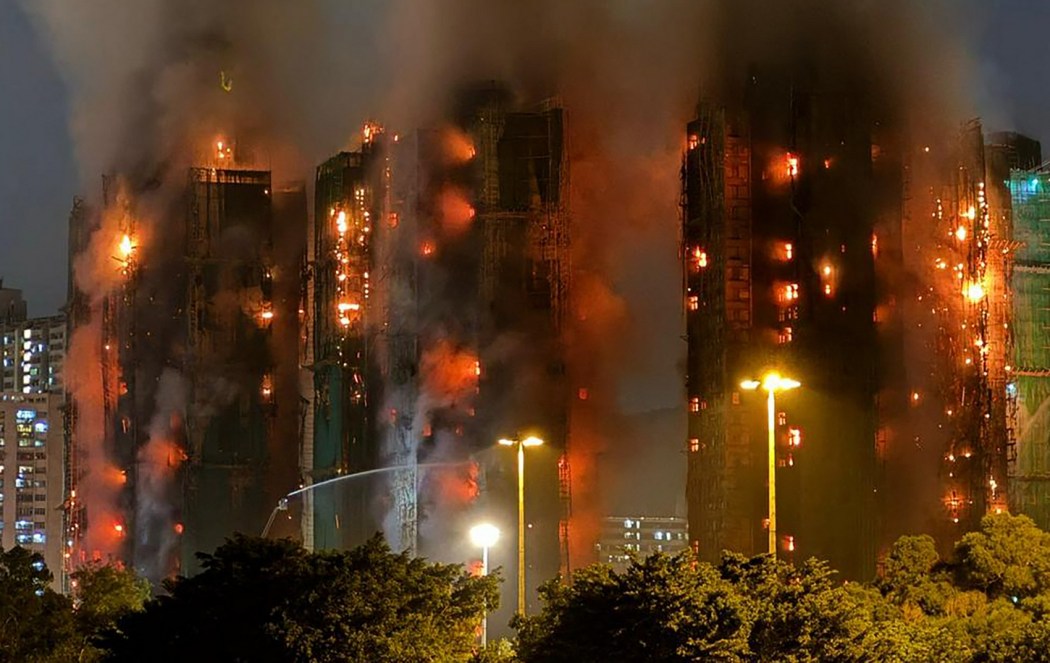
Residential buildings in Tai Po, where the fire occurred, were under renovation and surrounded by bamboo scaffolding (Image: HKFP)
This tragedy has sparked debates about the safety of bamboo scaffolding in dense urban environments, especially during renovations and under dry, windy conditions—factors that exacerbated the fire’s severity.
Green, Smart, and Safe: Gia Nghĩa – Bảo Lộc – Phan Thiết Highway Revolutionizes Mountainous Travel

The consortium of Trung Nam Group, Indel Corp, and Trung Nam E&C, the proposed investor for the Gia Nghia – Bao Loc – Phan Thiet Expressway project, recently held a meeting with the Advisory Council, Expert Group, and consulting firm TEDI SOUTH. The purpose of the meeting was to finalize the architectural design direction and structural solutions for the entire route.
Unlocking Vietnam’s Top 2 Global Rank: A $19 Billion Investment in Innovative Solutions to Tackle the Industry’s Critical Shortage Crisis
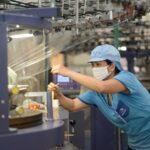
This is the industry that generates over $40 billion in annual export revenue for Vietnam.
The Resurgence of HAGL and the OCBS Architect’s Imprint on the New Strategic Landscape

In recent days, the name of Hoang Anh Gia Lai Joint Stock Company (HAGL) has been reignited through vivid imagery showcasing its potential and initial achievements following a decade of restructuring.
Masan Consumer: Surging Growth Hand in Hand with Sustainable Development

In the fiercely competitive fast-moving consumer goods (FMCG) sector, Masan Consumer Corporation (Masan Consumer, UPCoM: MCH) stands out as a rare gem in Vietnam’s market. The company not only sustains profitability at the highest levels in the region but has also been recognized by S&P Global as one of the world’s leading sustainable FMCG enterprises.
“Unilever: 30 Years of Partnership for a Healthier, Greener, and More Sustainable Vietnam”

On November 12th, Unilever celebrated its 30th anniversary in Vietnam with a grand event in Hanoi, themed “30 Years of Service – Vietnam is Home.” This milestone commemorates three decades of the company’s commitment and growth alongside the nation.