Professor and Academician Dao The Tuan (1931–2011) was one of Vietnam’s leading agricultural scientists. His pioneering research in nitrogen, disease-resistant crop varieties, and agricultural systems played a pivotal role in modernizing and sustaining Vietnam’s agriculture. His life and career exemplify a relentless pursuit of knowledge, deep patriotism, and unwavering dedication to science and community.
Transforming Phosphate into Nitrogen
Born into a distinguished intellectual family, with historian Dao Duy Anh as his father and an educator and social activist as his mother, Prof. Dao The Tuan early displayed a talent and passion for science. His research career began with nitrogen, focusing on methods to convert phosphate into nitrogen by fertilizing water hyacinth and water fern with phosphate. These findings were presented at the 1963 Beijing Science Conference and published in two books: Superphosphate Fertilizer and Its Application and Measures to Enhance the Efficiency of Chemical Fertilizers.
At that time, farmers faced a severe shortage of fertilizers, particularly nitrogen-based ones. This scarcity significantly impacted rice quality and yield.
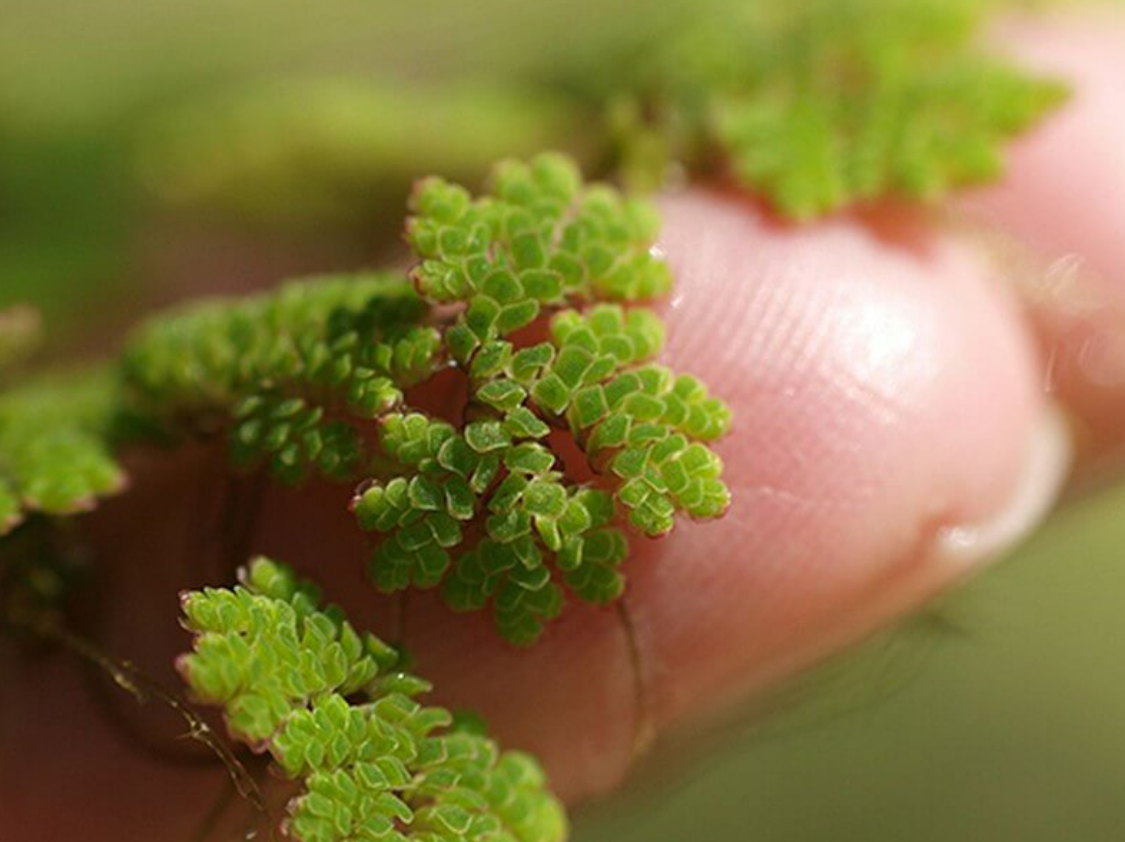
Cultivating water hyacinth to produce nitrogen.
He and his team embarked on a critical mission: converting phosphate fertilizer into nitrogen by cultivating water hyacinth. This method utilized existing phosphate fertilizer combined with wood ash to grow water hyacinth, which was then buried in the soil to replace fertilizer, providing essential nitrogen and nutrients for the spring rice crop.
“This farming method became widely adopted in northern Vietnam. Spring rice yields increased rapidly, contributing to a rise in northern rice production from 3.2 to 5 million tons by the time of southern liberation. This significantly supported food supply efforts for the south,” shared Prof. Dr. Mai Van Quyen, Chairman of the Science and Technology Council at Binh Dien Fertilizer Joint Stock Company, on Dan Tri.
Developing Disease-Resistant Rice Varieties
Prof. Dao The Tuan and his team made significant contributions by developing disease-resistant rice varieties and proposing suitable farming practices, such as potassium fertilization and mud-stirring weeding. Varieties like Northwest White Glutinous, 813, I1, and A10 became essential solutions for northern farmers, opening new avenues for crop protection.
From 1965, Prof. Dao The Tuan adopted a systemic approach to study high-yield rice physiology. He analyzed photosynthesis and mineral nutrition processes, laying the groundwork for intensive rice cultivation achieving 10 tons/ha in the 1970s. These findings were summarized in Physiology of High-Yield Rice Fields.
Starting in 1970, he focused on the physiological basis for selecting high-yield varieties, introducing numerous new rice varieties: NN75-10 (X1) resistant to leaf blight, CN2 ultra-short for early summer crops, CR203 resistant to brown plant hoppers, and acid-tolerant varieties V14 and V15.
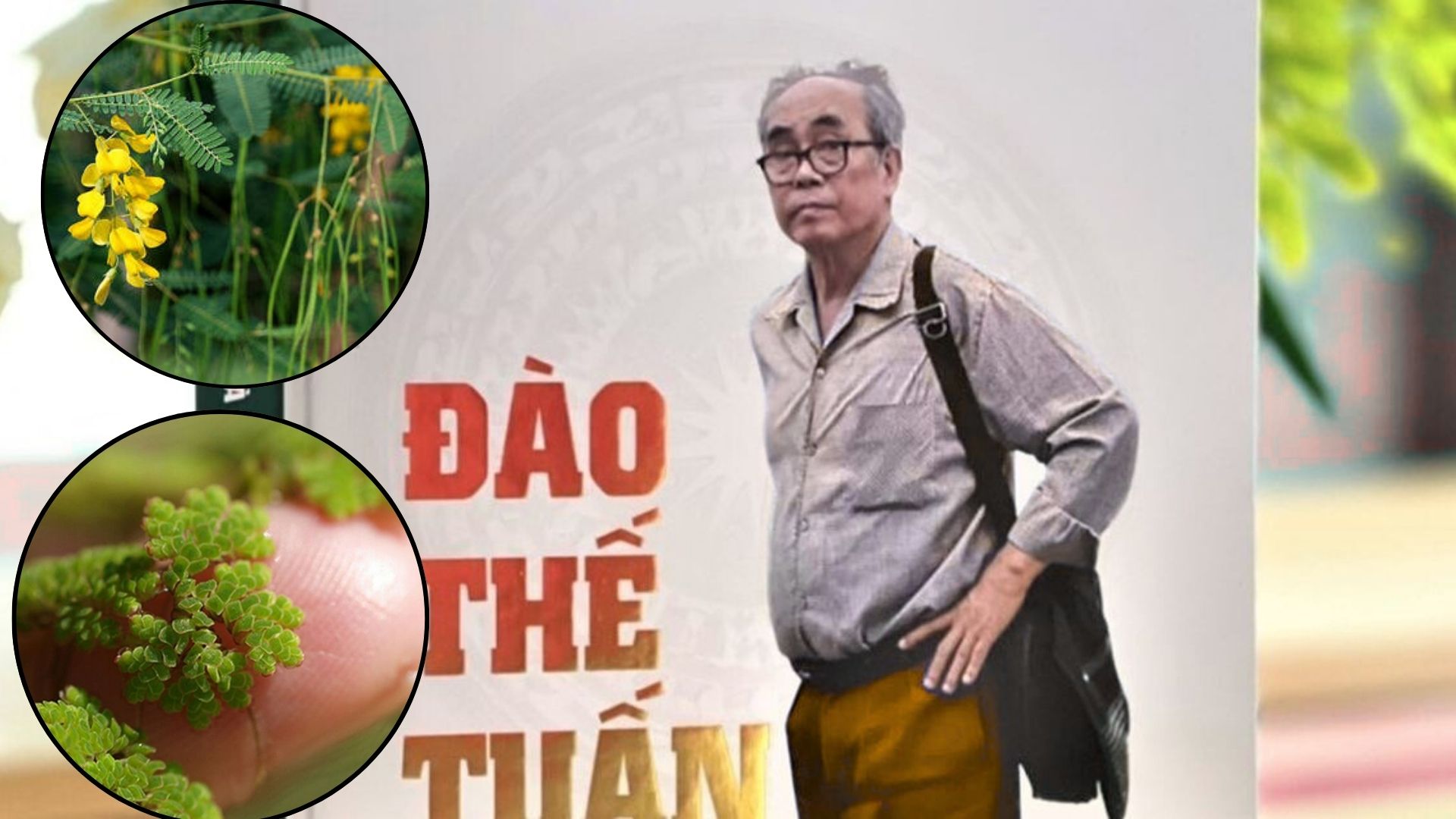
Prof. Dao The Tuan.
Additionally, he researched and developed maize (No. 6, S1, S2) and soybean (AK02, AK03) varieties, contributing to crop diversification and agricultural productivity.
In the late 1970s, Prof. Dao The Tuan expanded his research into agricultural ecosystems, implementing farming systems in challenging areas such as floodplains, saline-alkali soils, and rain-fed rice fields prone to drought.
In the early 1980s, he initiated systemic research in agriculture, from rice fields to cropping systems and entire agricultural systems. He also collaborated with the French National Institute of Agricultural Research on the Red River Basin Agricultural Systems Program, with results summarized in Agricultural Ecology—Vietnam’s first textbook on agricultural ecology.
International and National Recognition
For his immense contributions to agriculture, Prof. Dao The Tuan received international accolades, including: Academician of the Soviet Academy of Agricultural Sciences (1985), French Order of Agricultural Merit and Palme Académique (1991), René Dumont International Award (2003), and the French Legion of Honour.
In Vietnam, he was awarded the Ho Chi Minh Prize (2005), Labor Hero of the Renewal Period (2000), and the Ho Chi Minh Order (2002).
In early 2023, Hanoi named a street in Long Bien District after Dao The Tuan to honor his contributions. With his research achievements, technical innovations, and strategic vision, Professor and Academician Dao The Tuan remains a symbol of Vietnamese agricultural science, significantly advancing modern and sustainable agriculture.
This article uses materials from: Vietnam Academy of Agricultural Sciences Information Portal
Transforming Feed Formulation to Reduce Greenhouse Gas Emissions

The livestock industry emits a significant amount of greenhouse gases, largely from the respiratory, digestive, and waste processes of the animals. To mitigate this, a shift in feed composition is necessary. This involves reducing the use of plant-based proteins, predominantly soy, and increasing the utilization of alternative feed ingredients that have a lower environmental impact in terms of greenhouse gas emissions.