Ho Chi Minh City Accelerates Investment Plan for Can Gio Bridge
Recently, Vice Chairman of Ho Chi Minh City People’s Committee, Bui Xuan Cuong, urged the Department of Construction to expedite the completion of dossiers for two investment plans for the Can Gio Bridge. These plans include:
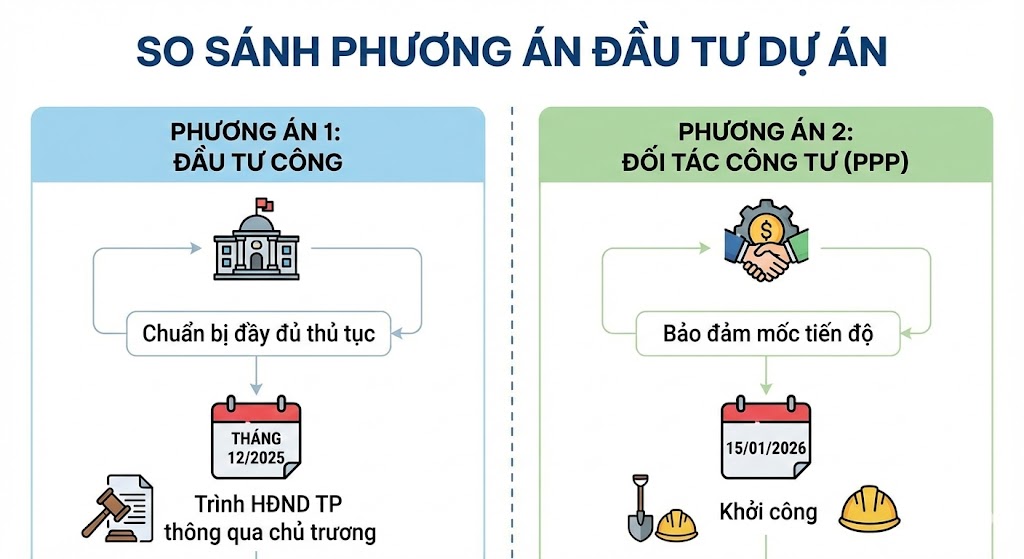
Earlier, Mr. Do Tuan Anh, Deputy General Director of Masterise Group, told Tien Phong newspaper that the company is collaborating with Vingroup to develop a synchronized transportation system connecting downtown Ho Chi Minh City with the Vinhomes Can Gio seaside megacity.
The company has proposed to become the investor for the Can Gio Bridge construction, ready to break ground in January 2026 and commit to completion by early 2028.
Mr. Tuan Anh noted that Can Gio is entering a “once-in-a-century” phase as Ho Chi Minh City intensifies its maritime strategy. The biggest bottleneck for decades has been transportation connectivity, particularly the reliance on Binh Khanh ferry. Building the Can Gio Bridge will definitively address this limitation, reducing travel time from over 2 hours to less than 50 minutes, while unlocking large-scale urban, tourism, and logistics development.
11,000 Billion VND Project, Expected Completion by 2028
The Can Gio Bridge is identified as one of the strategic infrastructure projects in the southern area of Ho Chi Minh City, playing a pivotal role in completing the city’s maritime transportation axis. The project aims to construct a road across the Soai Rap River, entirely replacing the overloaded Binh Khanh ferry. Upon completion, the bridge will directly connect Can Gio district with downtown Ho Chi Minh City, providing strong impetus for economic, social, tourism, and logistics growth.
The project includes the main bridge and access roads at both ends, with a total length of 7.3 km. The cross-section design features 4 motor vehicle lanes and 2 mixed lanes. The total investment is estimated at approximately 11,000 billion VND.
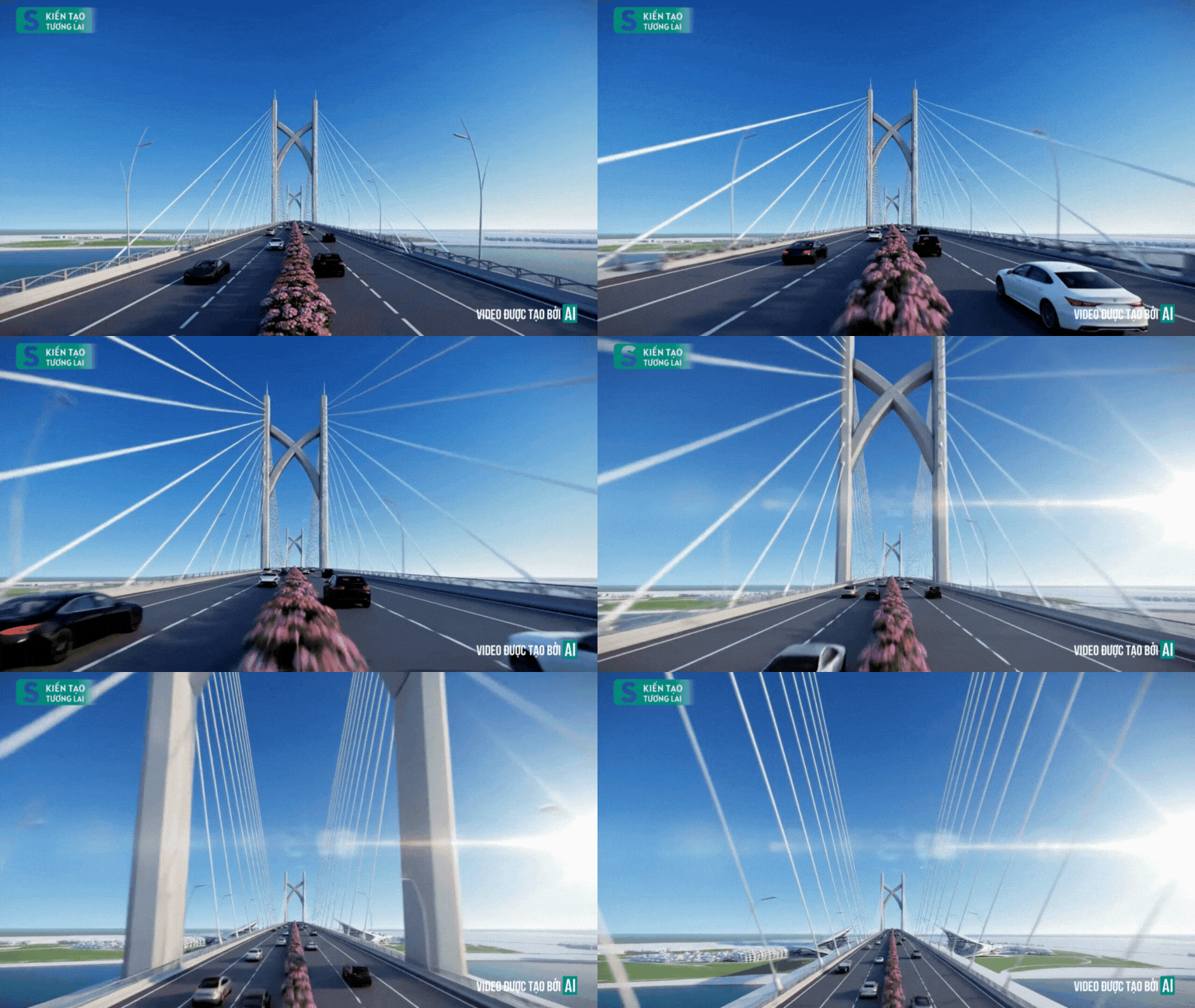
Future Can Gio Bridge envisioned by AI, based on official design
The route starts from Road 15B, passes through Nguyen Binh Road (Nha Be District), crosses the Soai Rap River, and connects to Rung Sac Road in Can Gio District. The bridge’s location is about 3 km south of the Binh Khanh ferry terminal, aligning with the urban and tourism development direction of the Can Gio area.
The main bridge is designed with a modern cable-stayed structure, featuring a 55-meter clearance for large vessels—equivalent to the Binh Khanh Bridge on the Ben Luc – Long Thanh Expressway—ensuring safe navigation. In addition to the main bridge, the project includes components such as the Cha River Bridge (640.5 m long, 29.5 m wide), Tac Cha River Bridge (64.2 m long, 40 m wide), and two Muong Ngang Creek Bridges (64.2 m long, each 7.75 m wide).
Once operational, travel time from downtown Ho Chi Minh City to Can Gio will be reduced to just 40–50 minutes, completely replacing the Binh Khanh ferry, which often experiences congestion during peak hours. More importantly, the Can Gio Bridge will directly connect to the Ben Luc – Long Thanh Expressway via the 2,900 billion VND Rung Sac interchange, forming a strategic transportation axis to the East Sea. It will also be the largest cable-stayed bridge in Ho Chi Minh City, contributing to the city’s new architectural symbol.
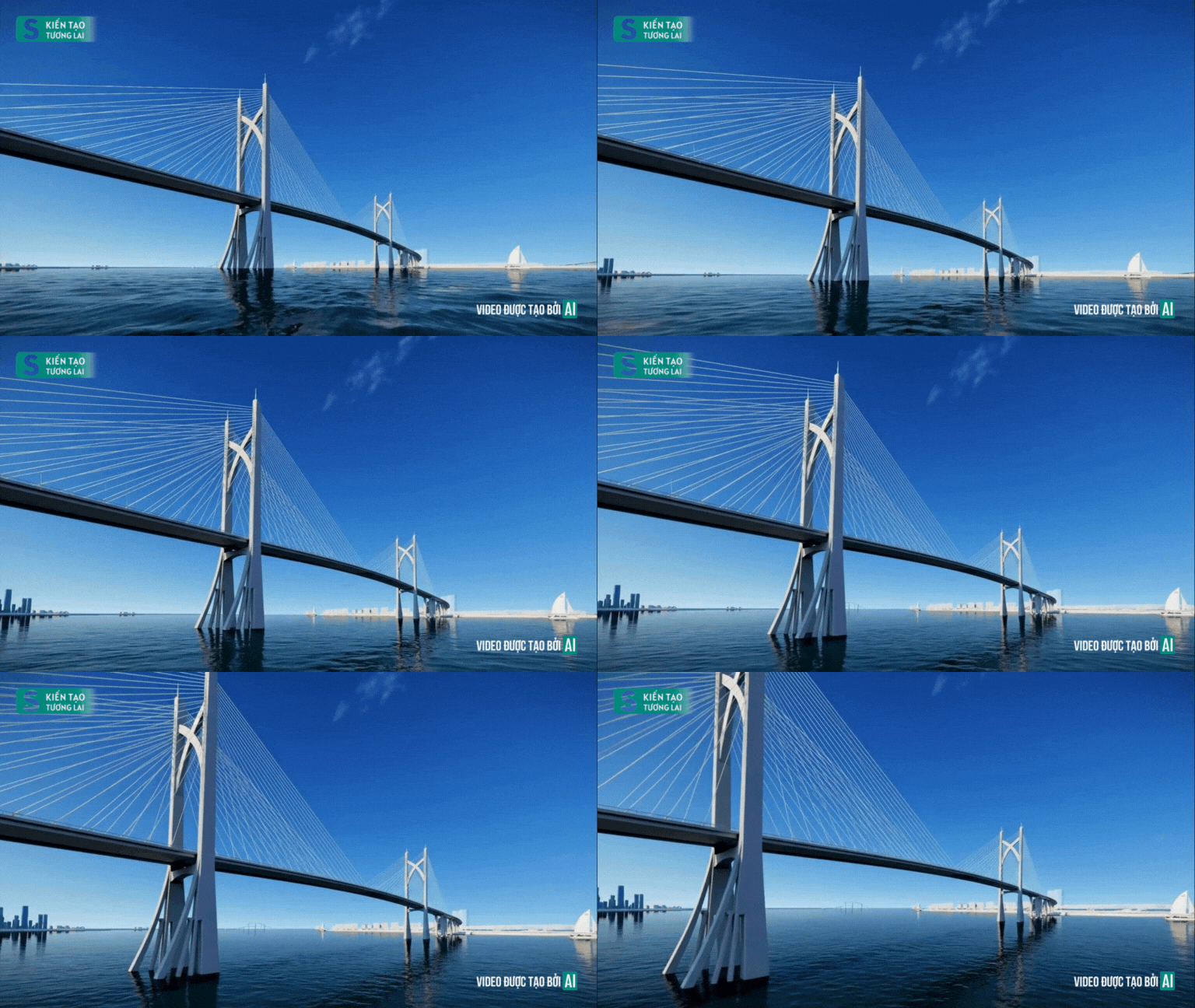
Future Can Gio Bridge envisioned by AI, based on official design
According to experts, the Can Gio Bridge project holds special significance for two major projects shaping the region’s future: the 2,870-hectare Can Gio seaside tourism urban area developed by Vingroup, expected to attract 9 million visitors annually.
Furthermore, the construction of the Can Gio Bridge will open the door for the early operation of the Can Gio international transshipment port, connecting trade to downtown Ho Chi Minh City and other provinces. Experts anticipate this port will be a “gold mine,” helping Ho Chi Minh City—Vietnam’s wealthiest urban center—maintain its role as a regional and Asian logistics hub, akin to Hong Kong (China) and Singapore.
“The completion of the Can Gio Bridge will pioneer direct transportation connectivity to the southern coastal area of Ho Chi Minh City, revitalizing this region,” said Nguyen Dinh Hung, Deputy Director of Ho Chi Minh City Department of Planning and Architecture, at the announcement of the selected architectural design for the Can Gio Bridge.
Exclusive Launch: 817 Premium Apartments in Mizuki Park’s Final Compound Phase Now Available for Sale
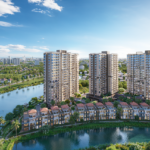
On November 21, 2025, the Ho Chi Minh City Department of Construction announced that 817 apartments in block CC5 of the Nguyen Son Residential Area project (commercially known as Mizuki Park), Phase 4, are eligible for the sale of future housing.
Vietnamese National Assembly Approves Amendments to Resolution 98 on Pilot Mechanisms and Special Policies for Ho Chi Minh City’s Development

The National Assembly is set to review and amend Resolution 98, piloting special mechanisms and policies for Ho Chi Minh City’s development. Additionally, tailored policies will address challenges and bottlenecks related to projects, land issues, inspection conclusions, audits, and court rulings in Ho Chi Minh City, Da Nang City, and Khanh Hoa Province.
What is the Most Expensive Road in Ho Chi Minh City According to the New Land Price List?
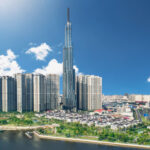
The highest land prices in the current land price table are attributed to three prestigious streets: Nguyen Hue, Le Loi, and Dong Khoi, each commanding an impressive rate of 687.2 million VND per square meter. The consulting unit’s surveyed price for the new land price table stands at 954.3 million VND per square meter, while the proposed price for implementation from January 1, 2026, remains at 687.2 million VND per square meter.
“Ho Chi Minh City: Individual Detained After Using Found Credit Card to Purchase Phone”

Upon finding a credit card, Bui Thi Thanh Thuy proceeded to use it for purchasing a mobile phone.
Ho Chi Minh City and the Promise of a National Sandbox
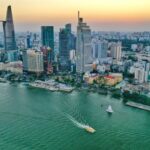
Amidst the vibrant discourse of the 2025 Autumn Economic Forum in Ho Chi Minh City, a resounding message emerged: Vietnam’s leap into the new era hinges on transitioning to a “green-digital” growth model. Prime Minister Pham Minh Chinh emphasized at the forum, “Green transformation in the digital age is not merely a trend but a strategic imperative for swift and sustainable national development.”