Gone are the days when the iPhone X made headlines with its staggering $1,000+ price tag. Today, most flagship smartphones routinely exceed the $1,000 mark (often reaching $30 million VND in Vietnam), and even mid-range devices are priced around $800 (approximately 20 million VND).
Of course, the market still offers more affordable options, and Chinese smartphone manufacturers have proven they can deliver competitive pricing while offering experiences that rival high-end models. However, regardless of the device you own, future price hikes are inevitable.
The steady rise in smartphone prices is nothing new, but companies are adept at gradually adjusting prices to avoid shocking consumers. Yet, in the near future, we may witness more significant increases than we’ve grown accustomed to, driven by a familiar culprit.
Soaring Memory Chip Costs
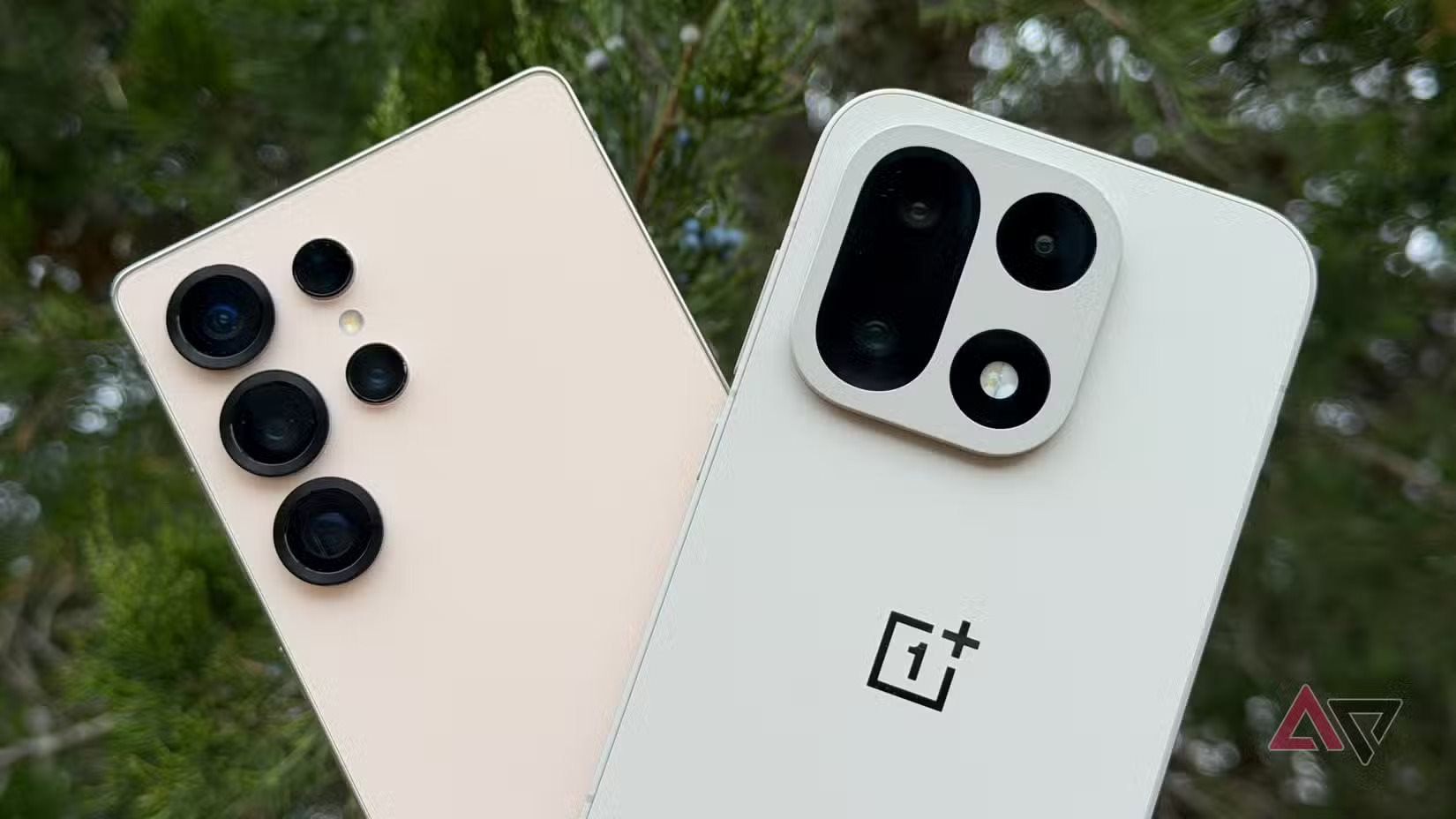
During an earnings call on November 18, Xiaomi warned that rising memory chip costs would push smartphone prices higher. This isn’t just a warning for consumers. Even if manufacturers raise prices, the increase may not fully offset the higher costs, forcing all smartphone makers to accept reduced profits unless they take additional measures.
This is a significant price surge. Reports suggest Samsung has increased memory chip prices by up to 60%. While much of this supply is destined for data centers, smartphones are also major consumers of these chips. The driving force behind this? AI.
AI processing demands substantial memory hardware. As the demand for new AI-focused data centers skyrockets, memory chip manufacturers face a critical challenge.
The rapid expansion of AI infrastructure remains unstable. Speculation about an “AI bubble” is widespread, making chipmakers hesitant to ramp up production until they’re confident the market won’t collapse unexpectedly.
The impact of this increased demand is felt everywhere, but it’s in the smartphone segment where we’re seeing the most dramatic price increases, even for Samsung devices.
Smartphones Could See Substantial Price Hikes

It’s easy to assume Samsung’s Galaxy lineup would be immune to price increases; after all, if Samsung manufactures the chips, shouldn’t other buyers bear the brunt of the higher costs?
However, given the magnitude of the price hike, it’s unlikely the company can absorb the additional costs without passing them on to consumers.
Memory chips aren’t the only components affected—nearly every part inside your phone has seen significant price increases over the past year, including camera modules.
Until supply catches up with demand, we’ll likely see smartphone prices surge as they did in the previous decade.
When manufacturers raise prices, the increase typically hovers around $100 (a few million VND). However, next year, this could be the minimum increase. Consumers should brace for even higher price hikes. So, what can we do?
How to Prepare for Rising Smartphone Prices?

According to Jon Gilbert of Android Police, the advice is to buy a new smartphone now. Alternatively, if you’ve purchased a new phone in the past two years, hold onto it.
The silver lining is that today’s smartphones are more durable than ever. If you own a Galaxy S25, you can confidently use it for several more years without needing an upgrade.
The key takeaway is that you don’t need to buy a new phone in 2026.
Hardware innovation in smartphones has slowed in recent years; the most significant advancements are now in software.
Whether you should buy a new phone now, keep your current one, or accept potential price increases depends on your personal circumstances.
However, regardless of your situation, carefully evaluate your current smartphone. It’s likely to serve you well for at least a few more years. The most economical solution is to keep your current device as long as possible.
If you must replace your phone within the next year, consider a more affordable older model.
Xiaomi Chairman Warns: Smartphones to Become Significantly More Expensive Next Year

Amidst stagnant wages, prices are skyrocketing, leaving many struggling to keep up with the soaring cost of living.
“Curbing Cocoa Cravings: Consumers Face Tripled Chocolate Prices”
According to farmers in the provinces of Ben Tre and Dak Lak, the price of a kilogram of dried cacao beans ranges from 150,000 to 160,000 VND, with peaks of up to 210,000 VND.
“Post-Flood: Curbing Price Hikes, Combating Inflation”

Inflation has eased and market prices have stabilized. However, according to experts, the unpredictable nature of floods and their potential impact need to be considered in the coming months. If the production and business activities in the areas affected by the third storm can be quickly restored, and supply-demand connections are re-established, leading to stable prices, inflation can be kept under control and this year’s GDP growth target can be achieved, or even exceeded.
Mastering the Art of Price Control

The manufacturing, supply, and distribution businesses are tactfully reducing related expenses to keep prices stable as consumers continue to spend cautiously.