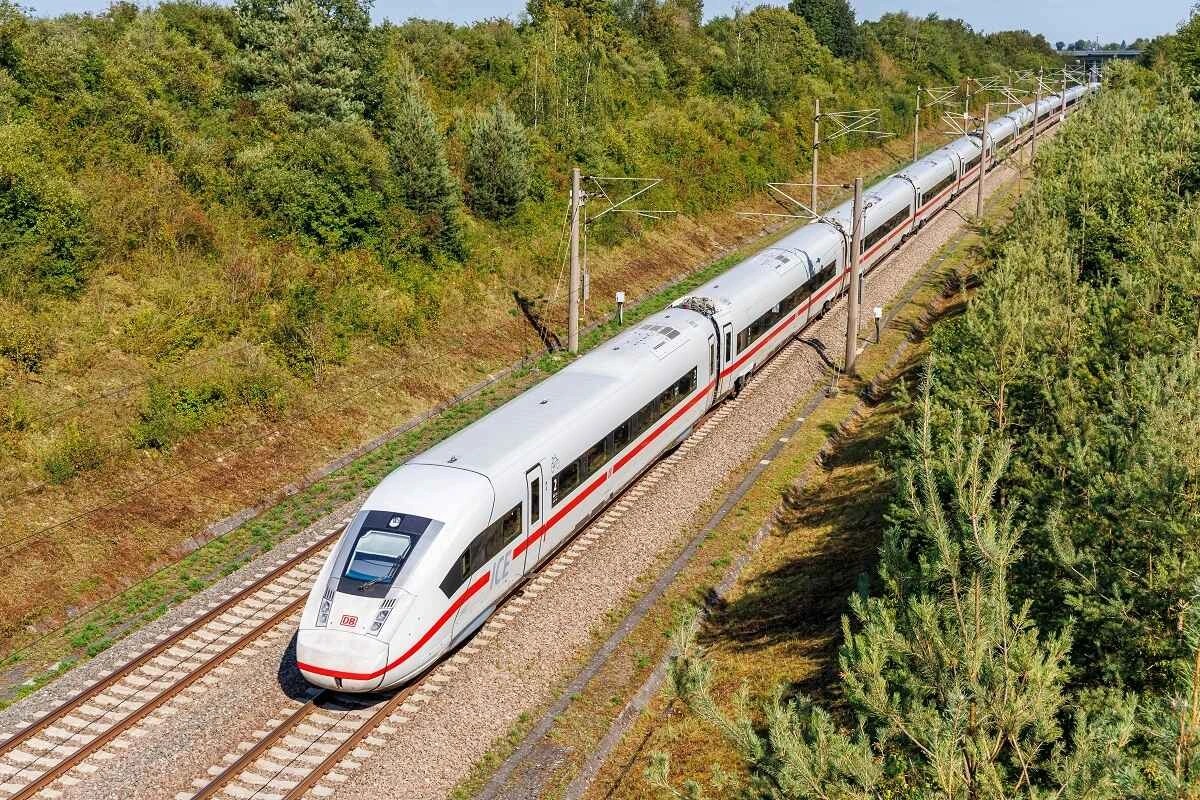
The North-South High-Speed Railway project, with an estimated investment of over $67 billion, presents an unprecedented capital mobilization challenge in Vietnam’s infrastructure sector.
According to Nguyen Quang Thuan, Chairman of FiinGroup, the primary challenge of the North-South High-Speed Railway project lies in establishing a transparent and professional implementation mechanism, coupled with comprehensive reforms in Vietnam’s capital market. The success of this mega-project hinges on the chosen investment model, private sector involvement, and operational efficiency.
Thuan emphasizes that the core issue is not merely about “capital” or “money,” but rather the establishment of a transparent, professional, and clear project selection and implementation mechanism, alongside comprehensive reforms in Vietnam’s capital market.
If the government invests 100% through public investment, it gains control over implementation and capital mobilization but faces higher execution risks, increased public debt, and non-professional operational responsibilities. This also puts pressure on exchange rates and foreign reserves due to international capital mobilization.
Under the Public-Private Partnership (PPP) model, the project is executed through a contract between the government/competent authority and the investor/project enterprise. While this model shares financial burdens and allocates implementation and operation phases, it struggles with finding private partners and complex decision-making processes for construction, operation, and maintenance.
The Build-Operate-Transfer (BOT) model, with Project Finance, places capital mobilization responsibility on the investor. The government must commit to land clearance, foreign currency guarantees for the investor, and revenue schemes, without investing in projects that risk the main project’s revenue. The BOT model allows the investor to construct, operate, recover capital, and then transfer the project to the government.
The advantage of the BOT model is that the government avoids large capital mobilization, linking investor responsibility to operational efficiency. However, the challenge lies in selecting private enterprises with not only financial capacity but also the ability to establish and operate a Project Company, ensuring the mega-project’s success by engaging all relevant stakeholders.
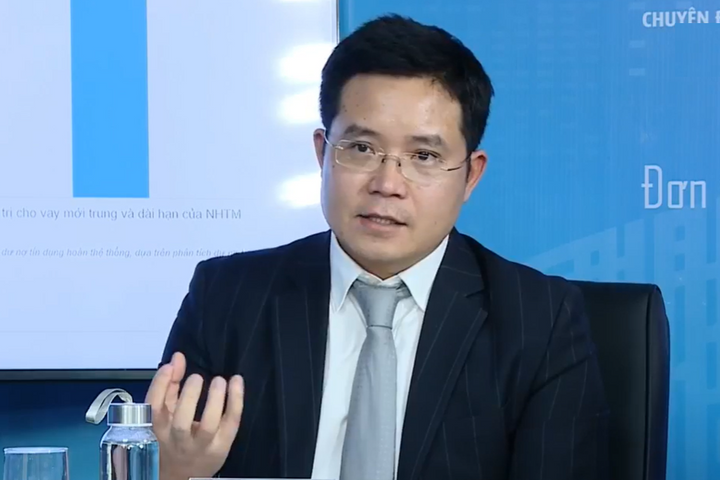
Nguyen Quang Thuan, Chairman of FiinGroup and FiinRatings.
Thuan suggests that a Project Finance structure with private investment and government participation (through investment institutions like SCIC and/or SOEs) is the most viable option for this mega-project.
Private sector resources, no matter how substantial, struggle to mobilize other parties, especially international financial institutions, without initial government investment of around $12-15 billion.
The key is whether the Project Company (SPV) can mobilize approximately $12 billion initially. This is a critical perspective for international investors, as such initial capital contribution is standard for infrastructure projects under this financing model.
This scale of capital is essential to make the project’s risk acceptable to international financial institutions, encouraging their participation. The government could assign one or several private enterprises as primary investors, with the state potentially contributing initial capital if private enterprises cannot mobilize the required $12 billion.
For the remaining $50 billion in loans, FiinRatings suggests a structured allocation: 30% from domestic commercial banks (approximately 2% of the total system’s outstanding loans), 20% from infrastructure bonds for domestic financial institutions and insurance companies (about 10% of the total AUM of the fund management and insurance sectors in Vietnam), 20% from international bonds (including $5 billion with government guarantees, and the rest from traditional partners like WB, ADB, and JBIC), 20% from long-term (30-50 years) or perpetual bonds issued to the public, and 10% from other sources.
The core issue lies in crafting related policies, which are decisive factors. From project formation, hiring professional international consultants, selecting investors, and designing legal frameworks and policies, these steps are crucial to ensure a clear policy environment and risk assessment.
The government may consider guaranteeing international debt/bonds to attract foreign institutional investors, which would increase public debt. However, Vietnam’s foreign debt ratio remains low compared to regional peers, with a significant portion being concessional loans from WB and ADB.
Reforming the capital market, particularly for infrastructure bonds (government and corporate), is essential. This reform should not only focus on issuance conditions for participating enterprises but also on unlocking capital and creating a long-term investment mechanism for investors.
Upgrading Vietnam’s national credit rating to reduce international capital costs is vital. Currently rated BB+ (high risk), Vietnam faces higher capital costs compared to regional competitors like Malaysia, the Philippines, Indonesia, and Thailand, which are rated BBB- or higher.
Improving the credit rating will not only reduce capital costs but also attract long-term investment, fostering economic growth and enhancing Vietnam’s international market position.
In conclusion, a model where domestic private enterprises lead investment and capital mobilization through Project Finance, with government participation in the Project Company, is more feasible. However, to engage all stakeholders and mobilize domestic and international capital, comprehensive reforms in the capital market are necessary, not just for the North-South High-Speed Railway project.
Unveiling the Enigma: Hanoi’s Female Tycoon’s $67 Billion Mega-Project Proposal

This company’s core business is unrelated to the high-speed rail industry.
Weighing the Options for a $60 Billion Project: THACO’s Financial Backing vs. Vingroup’s Rapid Execution

THACO and VinSpeed have both proposed to lead the $61 billion North-South high-speed railway project, offering a 20% equity and 80% loan financing structure. However, their approaches to capital mobilization, construction timelines, and risk allocation differ significantly, presenting two distinct options with unique advantages and drawbacks.
The Fierce Race for Vietnam’s North-South High-Speed Rail Project: How Vinspeed and THACO’s Commitments and Proposals Differ
Two industry giants, VinSpeed (Vingroup) and THACO, made significant commitments at the meeting regarding the North-South high-speed rail project.
High-Speed Rail Project: Company Urges Immediate Action with $100 Billion Funding Pledge

Mr. Truong stated that he has submitted an urgent petition regarding his exclusion from the North-South High-Speed Railway project meeting. He has requested a direct meeting to present and clarify his investment proposal and capital plan.
Expanding the Ho Chi Minh City – Trung Luong – My Thuan Expressway with a $1.56 Billion Investment

The Ministry of Construction has approved the investment project for the expansion of the Ho Chi-Minh City – Trung Luong – My Thuan Expressway under a public-private partnership model, with a total investment of over 36.170 trillion VND.