Proposal for an Independent Negotiation Council
On the afternoon of December 1st, the National Assembly held a plenary discussion on the draft Resolution outlining mechanisms and policies to address challenges in the implementation of the Land Law.
During the session, Delegate Hà Sỹ Đồng (Quảng Trị Province) and several others focused on a key issue: the mechanism for land reclamation when a project achieves over 75% land area and 75% consent from land users.
Delegate Đồng emphasized that while this is a significant step forward, it is also highly sensitive, directly impacting citizens’ property rights protected by the Constitution. Inadequate regulations could lead to prolonged disputes, social unrest, and a lack of consensus.
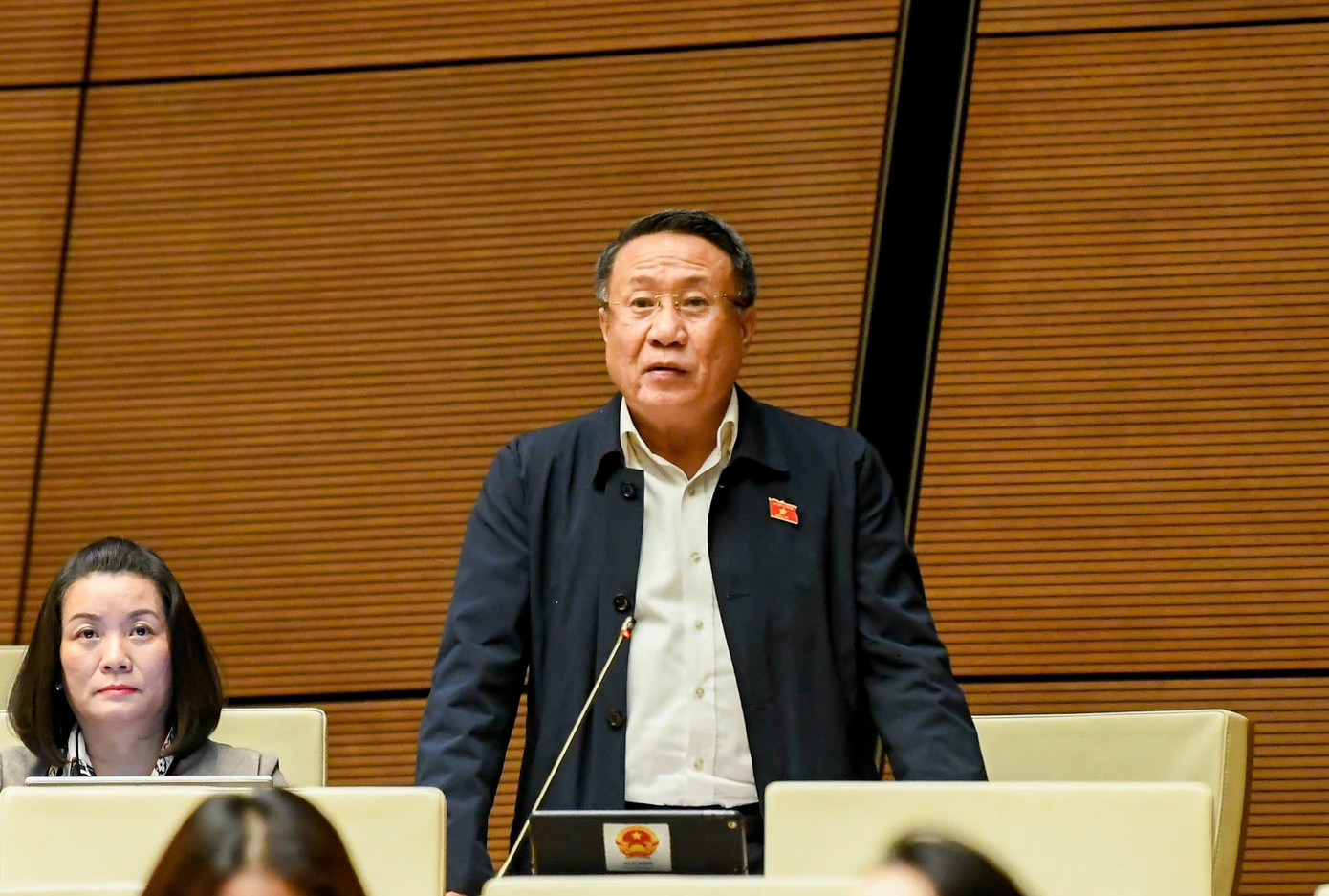
Delegate Hà Sỹ Đồng. Photo: Như Ý.
He suggested either raising the threshold to 80-85% for greater legal security and public acceptance or limiting its application to national key projects, strategic infrastructure, and long-stalled compensation cases. According to Đồng, the focus should be on fair compensation mechanisms, transparent dialogue, resettlement policies, and independent oversight.
“I propose legally mandating an independent negotiation council, engaging reputable land valuation firms, and ensuring full transparency in documentation. Citizens must feel respected and assured their rights are protected before land is reclaimed for development,” he stated.
Sharing similar concerns, Delegate Trần Văn Tiến (Phú Thọ Province) questioned the feasibility of the 75% dual-threshold requirement. He argued that the choice of 75%, rather than 60%, lacks empirical justification.
“The drafting committee should assess how many projects currently meet both criteria. Preliminary data shows very few do, consistent with past pilot results,” Tiến noted.
He highlighted the challenge of determining compensation, criticizing both state-set prices and average negotiated rates as impractical. “Land is collectively owned by the people, represented by the state. Any mechanism must uphold this principle,” he stressed.
Commitment to Study Viable Solutions
In response, Minister of Agriculture and Environment Trần Đức Thắng confirmed that the draft resolution empowers provincial People’s Councils to decide on land reclamation when investors achieve the 75% thresholds. Article 3, Clause 7, presents two compensation options based on delegate feedback.
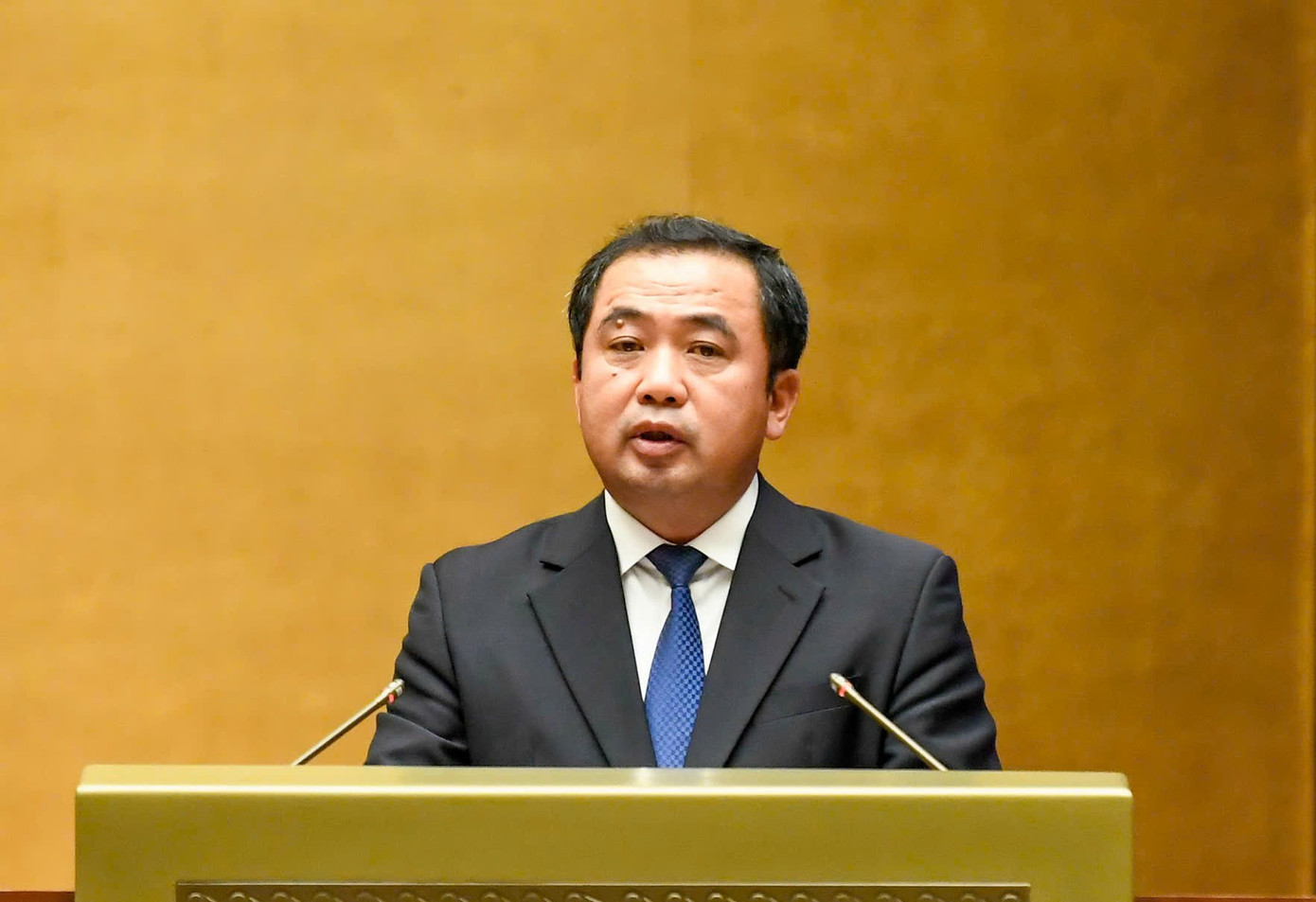
Minister Trần Đức Thắng. Photo: Như Ý.
Option 1 follows standard state compensation procedures, while Option 2 ensures landowners receive the average negotiated rate plus any shortfall, with investors covering the difference as a project cost.
“The government will collaborate with relevant bodies to select the optimal approach based on today’s discussions,” Thắng assured.
Concerns were also raised about reclaiming land before finalizing compensation packages, which could disrupt lives and increase grievances. Thắng clarified that this mechanism would apply only to critical national projects, urgent public investments, or those with majority consent.
“Detailed regulations will ensure democratic, fair, and transparent processes that safeguard landowners’ rights,” he concluded.
Land Reclamation: Protecting Citizens from Unfair Losses

Land laws and resolutions truly come to life when citizens are no longer displaced or burdened by land loss, but instead receive support to thrive and improve their quality of life.
Lawmaker Proposes Citizens Receive Compensation Difference When Land Acquisition Prices Fall Below Agreed Rates

Every member of the National Assembly unanimously supported the proposal that citizens should receive the difference if the land compensation price is lower than the agreed-upon value.
Unblocking Land-Related Bottlenecks: A Comprehensive Solution

The National Assembly is considering the adoption of a resolution introducing new mechanisms and policies regarding land reclamation and land valuation. These measures aim to address existing challenges and meet the practical demands of the current situation.
Dong Nai: Criticism Directed at the People’s Committees of Dong Tam, Tan Loi, and Nghia Trung Communes
The People’s Committee of Dong Nai Province has issued a reprimand and corrective action to three units for failing to meet their implementation deadlines: the People’s Committees of Dong Tam, Tan Loi, and Nghia Trung communes.
Đà Lạt Valley Flower Estate Owner Loses Over 1.5 Hectares of Land to Lâm Đồng Province’s Reclamation
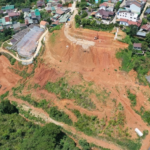
The People’s Committee of Lam Dong Province has officially reclaimed the entire 15,214 square meters of land previously allocated to Saigon Construction and Investment Trading Company Limited. This land, originally designated for the development of the Da Lat Flower Valley residential project, is now fully under the province’s control.