At a workshop providing feedback on the proposal for gradual universal healthcare coverage, Ms. Tran Thi Trang, Director of the Health Insurance Department at the Ministry of Health, stated that Vietnam is entering a phase requiring significant innovation in its healthcare system.
With a population exceeding 101 million, Vietnam has achieved a health insurance coverage rate of 94.29%. However, out-of-pocket expenses remain high, accounting for approximately 40% of total healthcare costs. Annually, there are over 183 million medical visits, with average costs per visit increasing by about 10%.
While service capacity has significantly improved—average life expectancy is 74.7 years, vaccination rates are nearly 95%, and there is a network of 13,395 healthcare facilities including 1,665 hospitals—disparities in service quality across levels persist. Primary healthcare facilities are deteriorating, facing staff shortages, and only 14.6% of health insurance consultations occur at commune health stations.
Although the Health Insurance Fund has grown steadily, the current contribution rate of 4.5% of the base salary is insufficient to expand benefits. Critical services such as routine health check-ups, early disease screening, nutrition services, and chronic disease management remain uncovered.
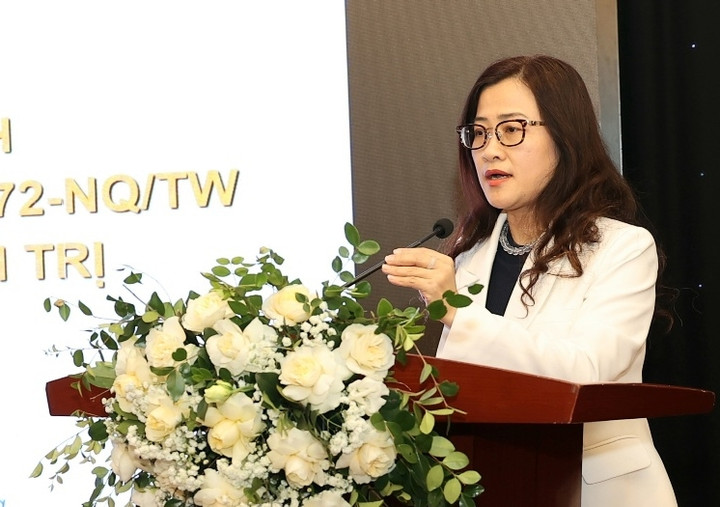
Ms. Tran Thi Trang outlines the roadmap for implementing universal healthcare coverage.
Emerging challenges such as population aging, climate change, pandemics, disruptions in medical supply chains, and advancements in medical technology necessitate innovative approaches in financing, payment methods, and service delivery.
Implementing a phased policy of free healthcare is essential to reduce financial burdens, enhance healthcare equity, and ensure “no one is left behind.”
According to Ms. Trang, the policy will be rolled out in stages, beginning with primary healthcare and targeted groups, to ensure feasibility and resource allocation.
Initially, priority will be given to vulnerable populations, including the poor, near-poor, low-income earners, persons with disabilities, the elderly, and retirees. Coverage will expand based on budget availability and social funding mobilization.
The Ministry of Health is developing policy options to define the scope of free healthcare, focusing on essential services. The goal is to gradually reduce and eventually eliminate copayments (currently 5–20%), while expanding both treatment and preventive benefits. Primary healthcare facilities, especially commune health stations, will receive enhanced benefits and unlimited reimbursements due to their lower treatment costs.
The Ministry is also reviewing the list of medications, supplies, and procedures requiring out-of-pocket payments to alleviate financial strain on patients. Free services will be introduced at primary care levels before extending to higher-level essential services.
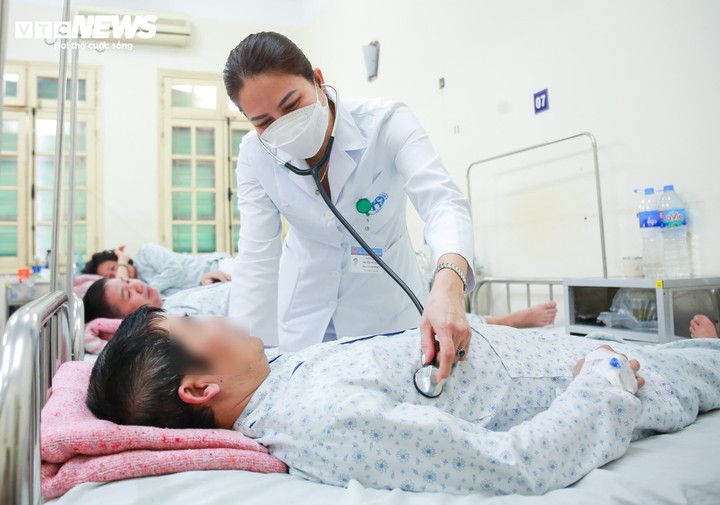
A patient receives treatment at a hospital in Hanoi. (Photo: Nhu Loan)
Ms. Trang emphasized that the Health Insurance Fund faces significant pressure, regardless of the free healthcare policy. Contribution rates have remained unchanged for over a decade, while healthcare demands, disease patterns, and insurance benefits have increased. Raising the contribution rate from 4.5% to 6%, as proposed, is necessary to ensure fund sustainability.
To avoid impacting affordability for individuals and businesses, adjustments will be phased in. Groups with higher payment capacity will receive less or no government subsidies, while vulnerable groups will continue to receive state support to ensure equitable access.
Most countries with free healthcare maintain some copayments to prevent service overuse. Vietnam will study international models to adopt a system suited to its financial constraints and healthcare utilization patterns.
Deputy Minister of Health Nguyen Manh Ha noted that despite high health insurance coverage, Vietnam still faces risks of poverty due to illness, particularly among those with chronic or severe conditions. Out-of-pocket expenses for healthcare remain high.
Gradually implementing free healthcare is imperative to safeguard public health rights. This socioeconomically significant initiative will particularly benefit the poor and vulnerable, promote equitable healthcare access, foster sustainable healthcare development, and reduce treatment abandonment.
By 2030, Vietnam aims to achieve universal healthcare coverage with a basic free benefits package, expanding coverage based on income and payment capacity.
Ministry of Health Launches Nationwide Free Vaccination Roadmap

The Ministry of Health is taking pivotal steps toward achieving universal periodic health check-ups and free vaccinations for all citizens—a deeply humane policy with a direct impact on tens of millions of households.
100% Health Insurance Premium Support for Individuals Aged 65 to 75

The Ho Chi Minh City Social Insurance Agency (BHXH TPHCM) requests all local authorities to compile a list of permanent residents aged 65 to under 75 and submit it to the local BHXH office by November 25, 2025.
JVC Invests in New Pharmaceutical Venture
The Board of Directors of Vietnam Investment and Pharmaceutical Joint Stock Company (HOSE: JVC) has approved the establishment of a subsidiary with a chartered capital of 250 billion VND. Named Vietnam Pharmaceutical Investment and Trading Joint Stock Company, this subsidiary will primarily focus on pharmaceutical trading. JVC will hold a 98% stake in the new entity.
Free Regular Health Check-Ups for Citizens Starting 2026, Basic Hospitalization Fee Waived by 2030

From 2026 onwards, Vietnamese citizens will benefit from annual complimentary health check-ups, as outlined in the National Assembly’s draft resolution on mechanisms and policies to effectively implement Resolution 72.
Ho Chi Minh City to Allocate 2.138 Trillion VND for Health Insurance Coverage of Students and the Elderly

The Ho Chi Minh City People’s Committee has proposed maintaining the highest current support levels for health insurance contributions for the elderly and students, while also increasing assistance specifically for students. This decision recognizes students as the future workforce and cornerstone of the nation’s progress.