Mr. Nguyen Van Tuan, an investor from Hanoi, is considering a VND 1 billion loan package with a fixed interest rate of 7% for the first two years, allowing early repayment without penalties. He plans to use this loan, combined with his own capital, to purchase a 100 m² plot of land in the outskirts of Hanoi, valued at VND 1.5 billion. The land was previously listed at VND 2 billion but saw a significant price drop due to the owner’s urgent need for capital. Tuan believes that within six months to a year, the price could rise to VND 2-3 billion.
“I believe real estate remains a solid investment channel. A 30-50% price increase in a short period is still possible if the market enters a positive phase as many predict,” Tuan emphasized.
However, experts argue that the era of “speculative waves” is over. Projects relying on planning rumors, lacking legal clarity, or with incomplete infrastructure are virtually illiquid. In contrast, projects with clear legal status, well-developed infrastructure, and catering to genuine housing needs continue to attract buyers.
Previously, real estate investors could profit simply by entering the market. Now, the market is highly segmented. Long-term vision, selecting projects with sound legal frameworks, and locations with potential remain profitable. However, those expecting quick flips are likely to face capital lock-ins.
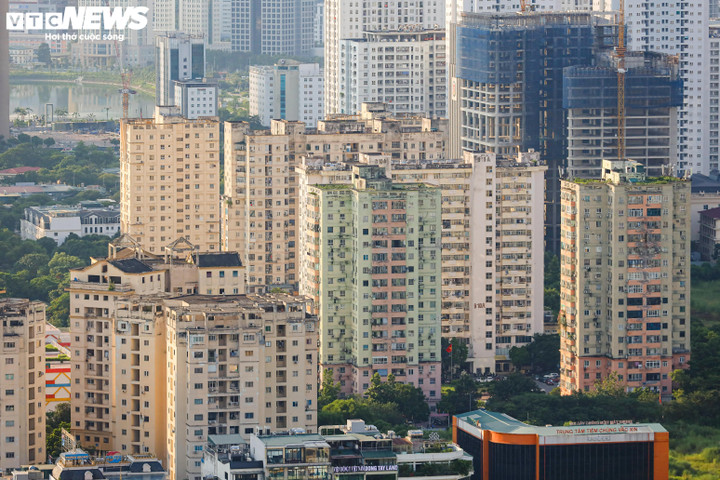
Experts advise investors to shift from quick flips to a mid-term strategy of holding land and assets for 2-3 years, awaiting infrastructure completion. (Illustrative image)
Experts explain that current property prices across all segments are already high, eliminating opportunities for doubling assets as seen previously. Investors must adopt long-term strategies or adjust their investment preferences and explore new directions.
Leveraging financial leverage for short-term gains is now highly risky.
Ms. Do Thi Thu Hang, Senior Director of Consulting and Research at Savills Hanoi, notes that with property prices having surged over the years, expectations of doubling profits are no longer realistic. Instead, returns are now measured in percentage points, requiring investors to carefully consider investment regions, capital flow, and exit timing.
“To achieve significant profit margins like before, investors must anticipate and invest in areas poised to become administrative hubs, where real housing demand will emerge. For example, in provinces or cities undergoing mergers, as residents and officials relocate, rental and purchase demand will become evident,” Hang illustrates.
Mr. Nguyen Van Dinh, Vice Chairman of the Vietnam Real Estate Association, identifies three key factors diminishing opportunities for short-term, speculative investments:
First, stringent credit control policies and legal regulations from the State Bank create barriers to quick buy-and-sell transactions.
Second, average lending rates of 9-11% per annum make leveraging loans for speculation risky.
Third, market psychology has shifted, with buyers prioritizing genuine housing needs and long-term liquidity. Small-scale investors are also more cautious after witnessing many individuals face capital lock-ins.
Mr. Dinh Minh Tuan, Director of PropertyGuru Vietnam in the Southern region, attributes the decline in speculative investors over the past two years to the market’s stabilization and increased transparency. Government and regulatory bodies have introduced stricter project licensing, credit control, and anti-speculation measures.
Additionally, the market has experienced a challenging phase with reduced liquidity, price declines, and cautious buying behavior, further curbing speculative activities.
Tuan observes a shift among investors toward long-term, stable strategies. Limited supply over the past 2-3 years, coupled with steady demand growth, has increased the number of genuine buyers and investors seeking monthly rental income, reducing opportunities for large-scale speculation.
Meanwhile, Mr. Pham Duc Toan (EZ Property) predicts that from 2026 onward, increased supply will help balance the market. Only well-located, timely investments will yield sustainable returns. Investors are moving away from quick flips, adopting mid-term strategies of holding land and assets for 2-3 years, awaiting infrastructure completion.
Conversely, some buyers still exhibit FOMO (Fear of Missing Out) during large-scale launches. Many are lured by promotions and gifts, overlooking their financial capabilities.
Khải Hoàn Prime Surges in Popularity Ahead of Official Sales Launch

Khải Hoàn Prime Resort Apartment has officially announced its tax details and is now eligible for signing Sales and Purchase Agreements by December 2025. Amidst the scarcity of high-quality properties in Ho Chi Minh City, this development stands out as a highly promising option for both homeowners and investors alike.
Bầu Đức Celebrates Breakthrough at Landmark Real Estate Comeback Project on HAGL’s Long-Forgotten 15-Year-Old Prime Land

This pivotal milestone paves the way for the project to advance to the investment policy appraisal stage.
The Beltway-Highway Metropolis: The New Investment Magnet in Southern Vietnam

The rapid development of Ring Road 3, Ring Road 4, and the inter-regional highway system is reshaping the urban growth map of Southern Vietnam.
Gold Coast Vũng Tàu: The 1,300-Hectare Mega City Captivating Southern Vietnam’s Market

On November 28th, in Ho Chi Minh City, the developer of the Gold Coast Vũng Tàu project hosted the Mega Showcase event, themed “Where Vision Meets Grandeur.” The event drew 150 leaders from top distribution agencies in the Southern region, underscoring the allure and stature of the Gold Coast Vũng Tàu metropolis.
Park Residence: Modern High-Rise Apartments by Sun Group in South Hanoi

Today’s homebuyers seek more than just a place to live; they desire a “quality living space” where they can enjoy modern conveniences, foster community connections, and thrive in a healthy, civilized environment.