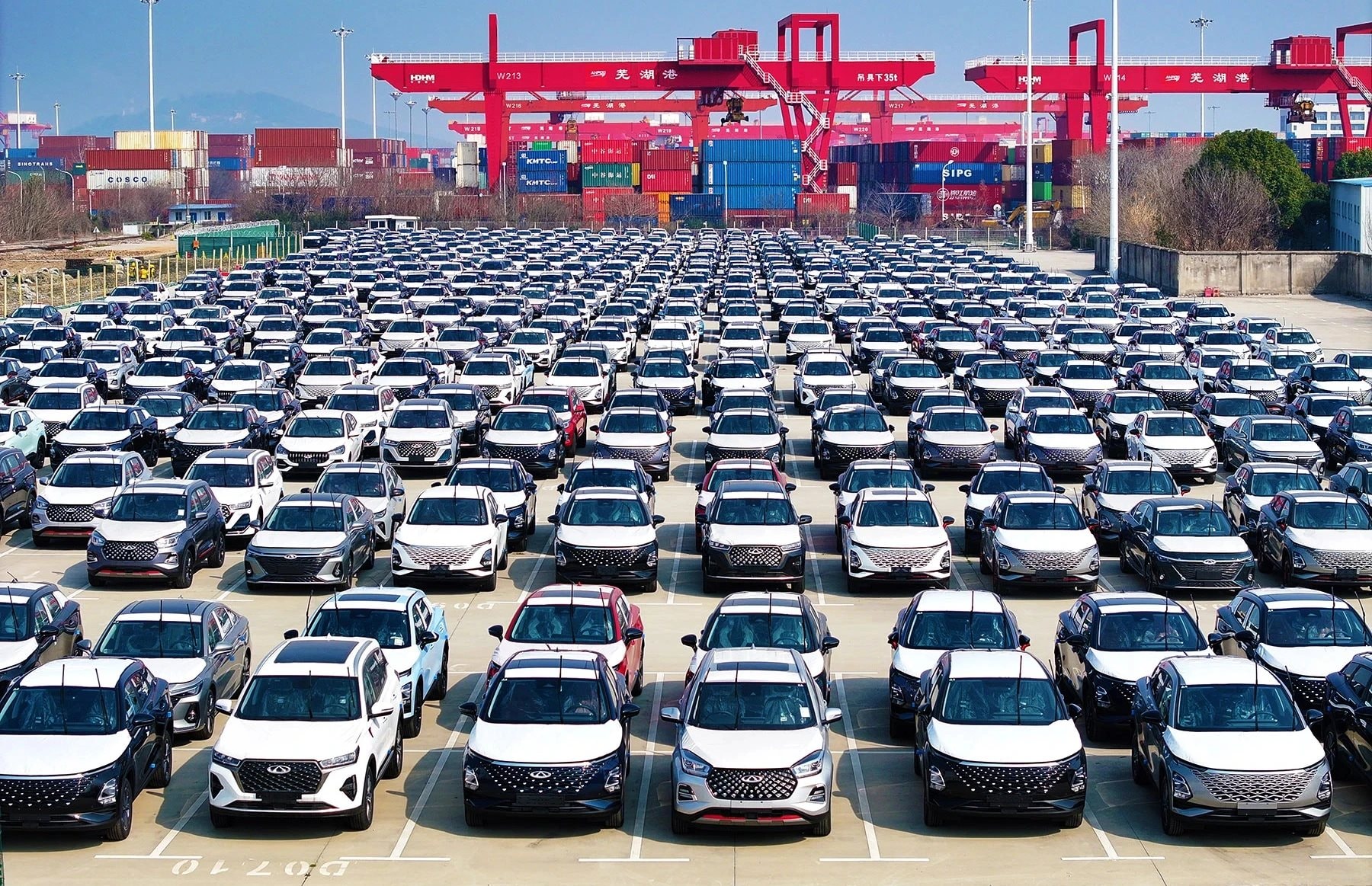
China’s Electric Vehicle (EV) market is experiencing a significant boom, prompting Western governments to implement measures to curb the influx of Chinese EVs into their markets.
While Western nations focus on restricting Chinese EVs, they overlook a critical trend: Chinese automakers are quietly flooding emerging markets with internal combustion engine (ICE) vehicles.
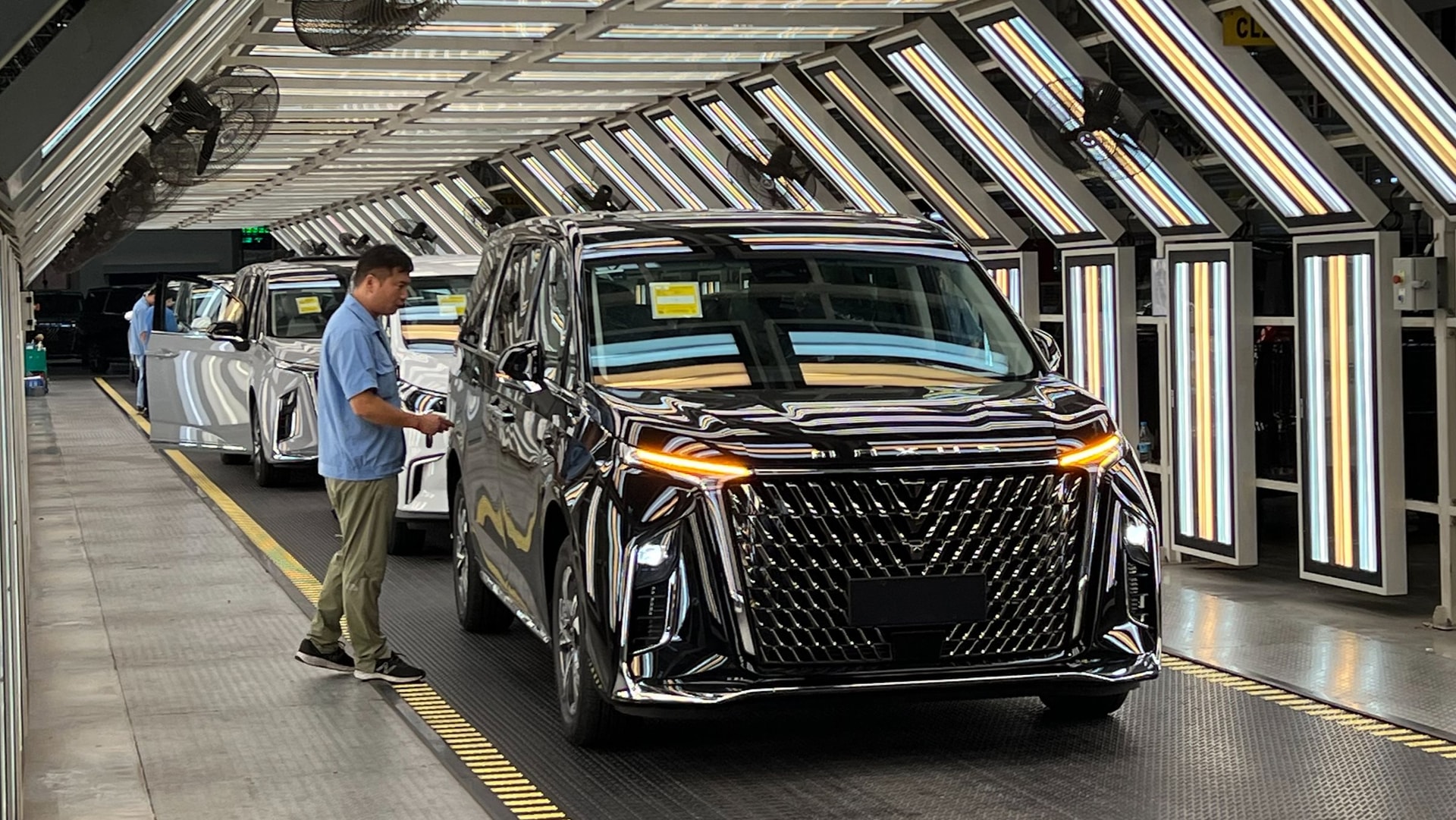
Chinese automakers are steadily gaining global market dominance.
This shift is driven by the growing dominance of EVs in China’s domestic market. Beijing’s long-term electrification policies and EV subsidies have sparked a fierce price war, significantly reducing ICE vehicle sales at home.
Despite losing ground to EVs, Chinese ICE manufacturers are not retreating. Instead, they are exporting millions of gasoline-powered vehicles to markets once dominated by European brands.
According to Reuters, since 2020, three-quarters of China’s total auto exports have been ICE vehicles. China’s exports have surged from 1 million units annually to a projected 6.5 million this year, positioning it as the world’s top auto exporter.
Chinese automakers target regions with underdeveloped EV infrastructure and budget-conscious consumers, including Eastern Europe, South America, Africa, and Southeast Asia.
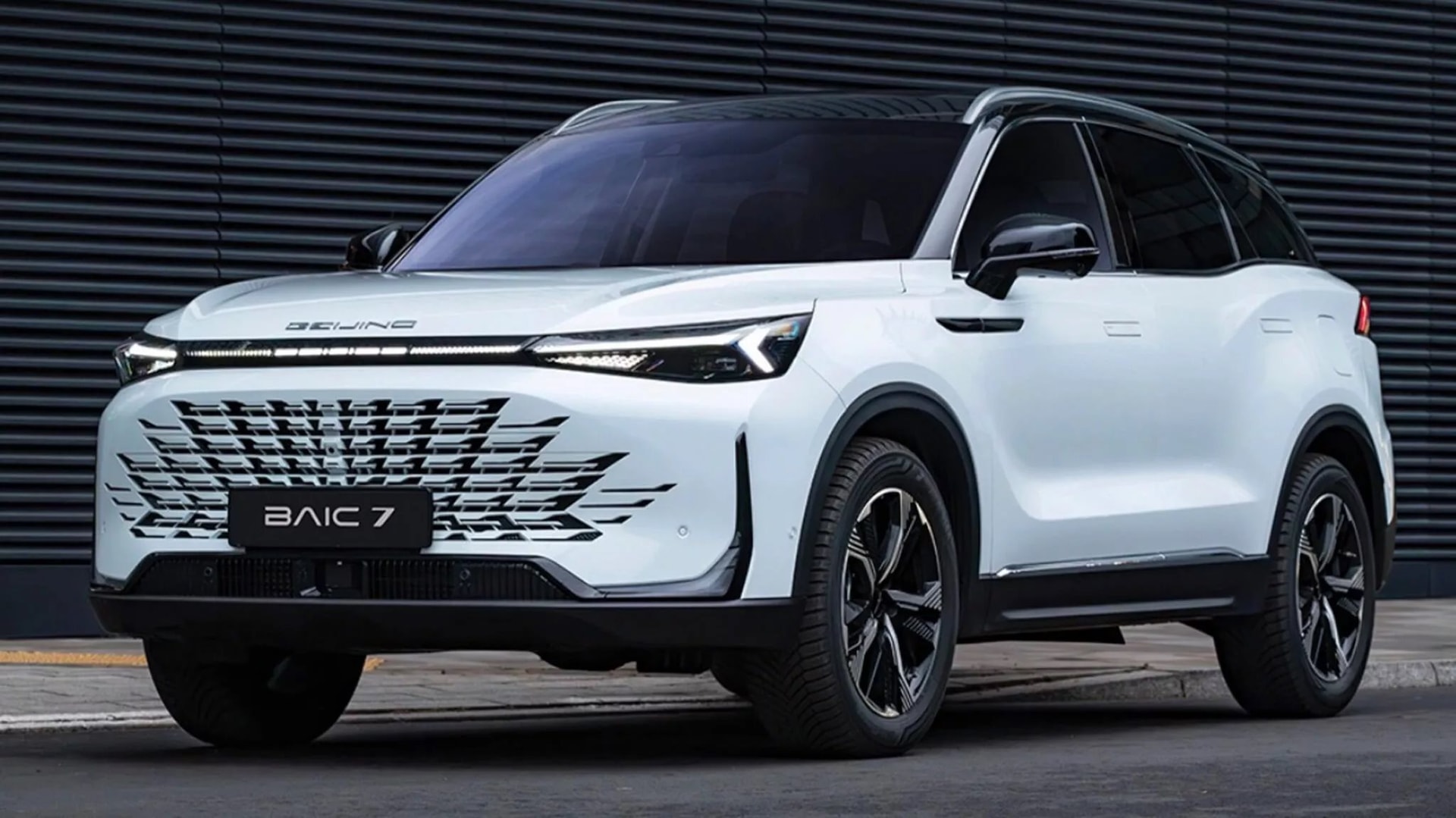
The Beijing X7, a model warmly received in the Vietnamese market.
Historically, Chinese brands like SAIC, Dongfeng, BAIC, and Changan relied on joint ventures with companies like GM, Nissan, and Honda. However, these partnerships are weakening. For instance, SAIC-GM’s China sales have plummeted from over 1 million to around 400,000 units annually.
In contrast, overseas markets tell a different story. Last year, SAIC exported over 1 million vehicles, while Chery’s global sales soared from 700,000 in 2020 to over 2.5 million in 2024, predominantly ICE vehicles.
Western automakers now acknowledge a surprising challenge: their Chinese competitors are outpacing them, not with EVs, but with affordable ICE vehicles.
In Mexico, Chinese brands hold 14% market share, taking customers from Chevrolet and Ford. In South Africa, they control 16% of the market, with minimal EV sales. In Chile, one-third of new car sales are Chinese, mostly ICE vehicles.
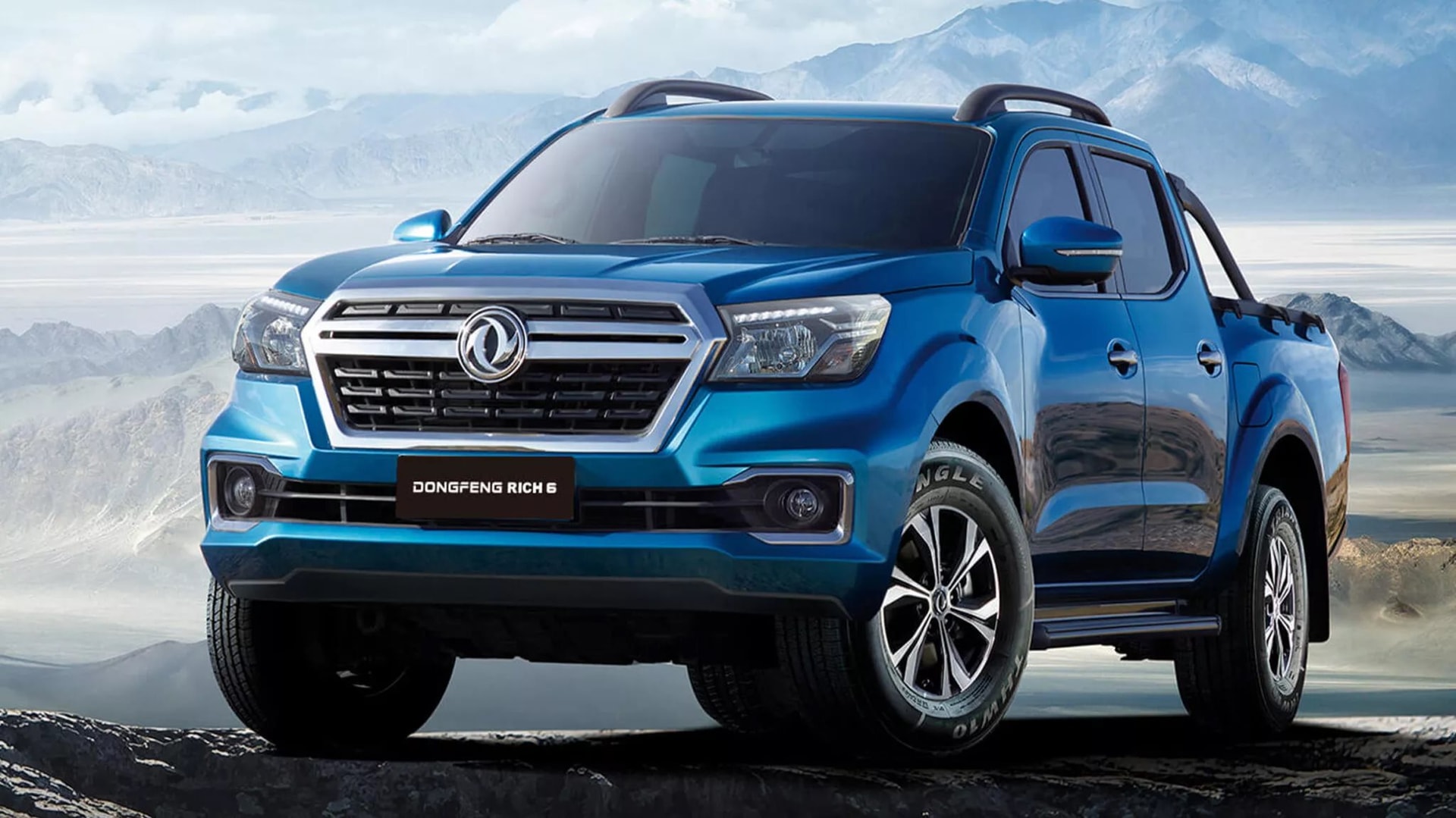
A Chinese pickup truck model.
In Vietnam, major Chinese automakers like MG, BYD, Geely, and Omoda-Jaecoo have made significant inroads since 2022-2023, launching various models, including EVs, hybrids, and ICE vehicles. These models offer competitive pricing, advanced technology, and attractive designs.
Consultants predict that Chinese automakers will add 4 million overseas sales by 2030. Combined with domestic growth, this could give China nearly one-third of the global auto market within five years.
“Shocking Forecast: Chinese Automakers Poised to Dominate—5 Out of Top 10 Global Car Manufacturers by 2028, Leaving Toyota, Honda, Volkswagen, and Tesla on Edge”
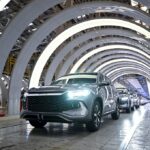
McKinsey’s forecast emerges amid the remarkable strides of China’s automotive industry, both domestically and on the global stage.
Vietnamese Fruit and Vegetable Exports Stun the Global Market

This year’s fruit and vegetable exports have not only surprised with a resurgence in growth but have also made a strong impression on demanding markets, achieving double-digit growth rates.
Tesla’s Missed Opportunity: Chinese EV Sales Surge with 40% Lower Prices as US Giant Lags Behind Without Showroom Expansion
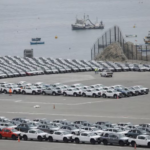
Unveiling a new haven for Chinese electric vehicles, this destination emerges as the ultimate solution amidst mounting barriers in the US and European markets.
BRICS Nations No Longer a ‘Paradise’ for Chinese Cars: Sales Plummet 58%, Over 200 Showrooms Shut Down, Marking the End of Easy Profits

After years of explosive growth, China’s automobile exports to Russia are now experiencing a sharp decline.
Vanguard’s Investment Allocation Plans Following Vietnam’s Market Upgrade: Brokerage Insights
Following Vietnam’s market upgrade, ACBS anticipates that ETFs tracking the aforementioned indices will allocate their portfolios to the Vietnamese market in accordance with their respective weightings.