Recently, the management board of HH Linh Đàm apartment complex (Hoàng Liệt ward, Hanoi) issued a notice stating they will no longer accept electric vehicles for parking in the basement of the 12 apartment buildings due to fire hazards.
The management explained that electric motorcycles and bicycles pose a high risk of fire if there is an electrical short circuit or improper charging practices.
In the event of an incident in the basement, the fire could spread rapidly, generating toxic smoke and hindering evacuation, endangering the lives and property of residents. Additionally, the number of vehicles has exceeded the safe capacity designed for the buildings.
Therefore, the management announced that from December 1st, they will temporarily stop accepting new registrations for electric vehicle parking; and from January 1, 2026, they will no longer accept electric vehicles in the basement of the 12 HH apartment buildings.
This announcement has caused frustration among thousands of residents. Mr. Nguyễn Trường Lê pointed out that Hanoi has recently issued a roadmap to ban gasoline vehicles, initially within the Ring Road 1, and encourages residents to switch to electric or new energy vehicles. Therefore, the management’s decision not to allow electric vehicles in the basement contradicts the city’s policy. Moreover, if electric vehicle parking is prohibited, residents will have nowhere to park, as the surrounding urban area lacks parking facilities.

The complex of 12 HH Linh Đàm apartment buildings
According to Mr. Nguyễn Văn Hưng, a resident of HH3C building, the management’s ban on electric vehicles is understandable. Firstly, the 12 buildings have not yet been certified for fire safety, so the infrastructure is inadequate. Additionally, if an electric vehicle catches fire, it would be extremely difficult to extinguish, and the management would undoubtedly bear primary responsibility. Therefore, they are refusing to park electric vehicles to minimize fire risks and ensure their own safety.
It is known that HH Linh Đàm apartment complex consists of 13 buildings ranging from 30 to 44 floors, with nearly 10,000 apartments (housing approximately 40,000 residents). However, each building exceeds the design by 5-10 floors and has only one basement, so the complex has not yet been certified for fire safety, and apartments have not been issued land use rights certificates.

The basement of HH Linh Đàm apartment complex
Contradicting the City’s Policy
Lawyer Đinh Đức Duy, Director of Minh Nghiêm Law Firm (Hanoi Bar Association), believes that the decision to temporarily stop accepting electric vehicles in HH Linh Đàm apartment complex should be reviewed based on the construction and design documents of the complex.
According to Lawyer Duy, Article 144 of the 2023 Housing Law stipulates that parking spaces in apartment buildings are intended to serve owners, regardless of the type of vehicle, whether it be cars, two-wheeled motor vehicles, three-wheeled motor vehicles, bicycles, or vehicles for people with disabilities. Electric vehicle charging areas are to be arranged according to construction standards and regulations.
This regulation reflects the state’s policy to ensure residents’ rights to use electric vehicles while imposing obligations on developers and management units to construct and maintain technical infrastructure that meets safety requirements.

Lawyer Đinh Đức Duy, Director of Minh Nghiêm Law Firm
Thus, if the design and construction documents of the building comply with standards, residents have the right to park and charge their vehicles within the complex. Any measures that restrict or directly affect the legal rights and interests of residents can only be applied if there is a clear legal basis, within the authorized scope, and in accordance with the law.
Furthermore, the state has issued numerous programs and plans to encourage the development of clean energy vehicles. Therefore, banning electric vehicle parking not only lacks legal basis but also contradicts the state’s general policies.
If the management is concerned about fire risks, they should implement safety measures such as: designating standard parking and charging areas, setting reasonable charging times, installing warning systems, and enhancing fire safety system inspections and maintenance.
Conversely, residents also have the responsibility to comply with safety regulations, maintain their vehicles according to manufacturer recommendations, and charge their vehicles properly and in designated areas. This is a shared responsibility requiring cooperation between the management and residents to ensure the safety of the entire community.
“The apartment management cannot base their decision on subjective fears to implement an extreme measure like completely banning electric vehicles. Instead, the management should shift from a ‘ban’ mindset to one of ‘management and safety assurance’ in accordance with regulations.”
Revoked: Hanoi’s Most Populous Apartment Complex Lifts E-Bike Parking Ban
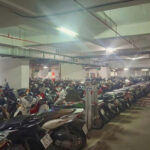
The Hoàng Liệt Ward People’s Committee has mandated that the management board of HH Linh Đàm apartment complex must not refuse to provide parking services for electric vehicles. Additionally, the management is required to enhance patrols, implement dedicated charging areas, and ensure all fire safety equipment is operational to minimize the risk of fire incidents.
Prime Residential Complex in Hanoi Mandated to Provide Electric Vehicle Parking Solutions

The local authorities of Linh Đàm Ward have requested the management unit of the HH Linh Đàm apartment complex to ensure that they do not refuse electric vehicle parking services. Additionally, they are required to develop a plan for organizing designated parking areas.
Seamless Transition: Supporting Your Shift from Gasoline to Electric Vehicles

As of July 1, 2026, Hanoi will implement a timed ban on gasoline-powered motorbikes within the Ring Road 1 area. Residents are eagerly awaiting support packages, while electric vehicle companies are accelerating their efforts to prepare resources and infrastructure.
VinFast’s Three New Registered Models Go Viral: Are Lux SA and Lux A Making a Comeback?

VinFast has recently filed for design patent protection for a brand-new sedan model and two innovative SUV designs.
VinFast Considers Gasoline Engines to Extend Electric Vehicle Range
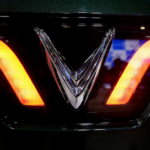
VinFast, the Vietnamese electric vehicle manufacturer, is exploring the integration of small gasoline engines into select electric models to enhance battery charging and extend driving range, according to Reuters. This strategic shift marks a partial departure from the company’s current all-electric vehicle focus.