






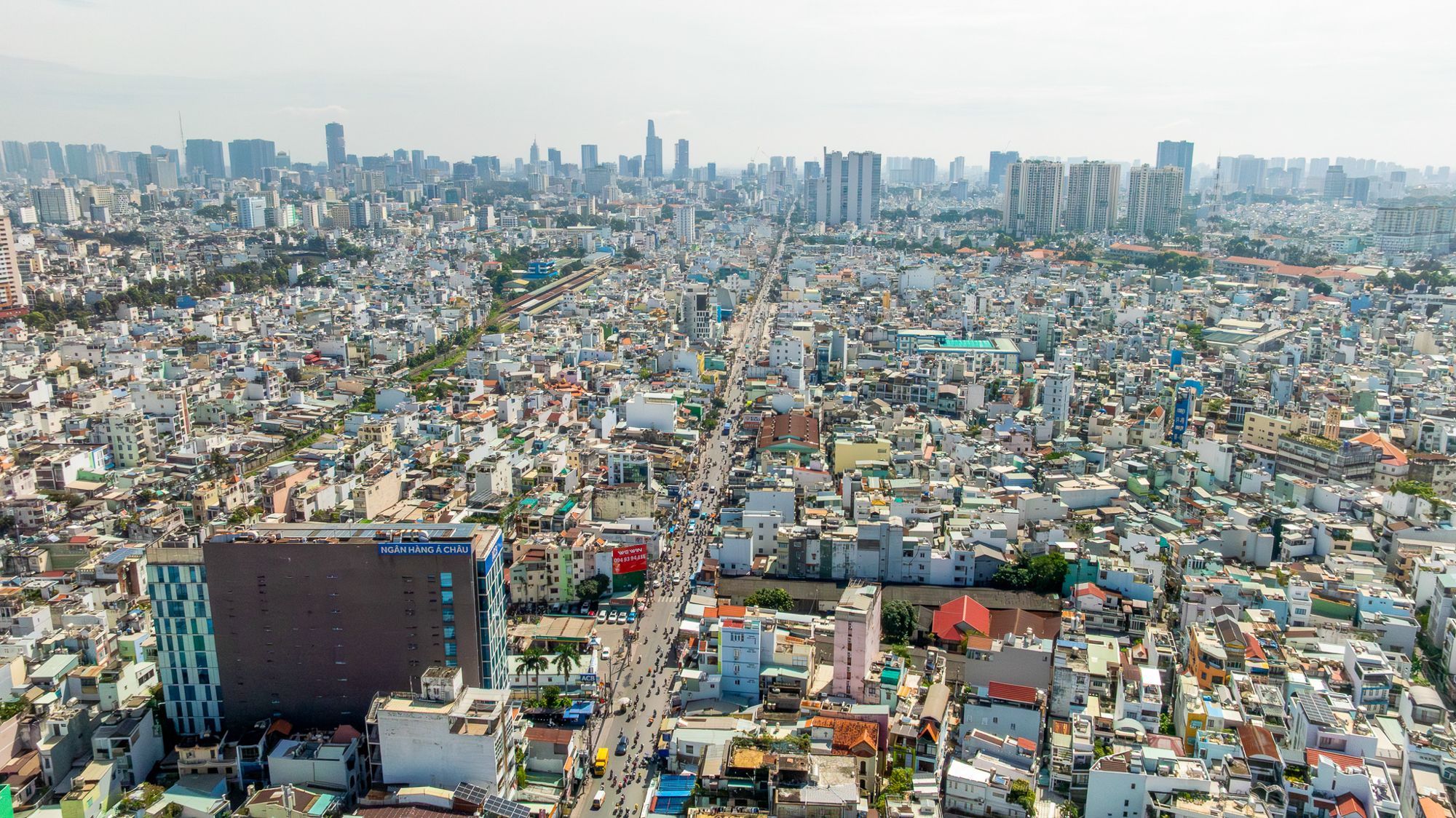
According to the master plan, Metro Line 2 will span approximately 48 km with over 40 stations upon completion of all three phases. The Ben Thanh – Tham Luong section, over 11 km long with 10 stations, is expected to break ground in January 2026.
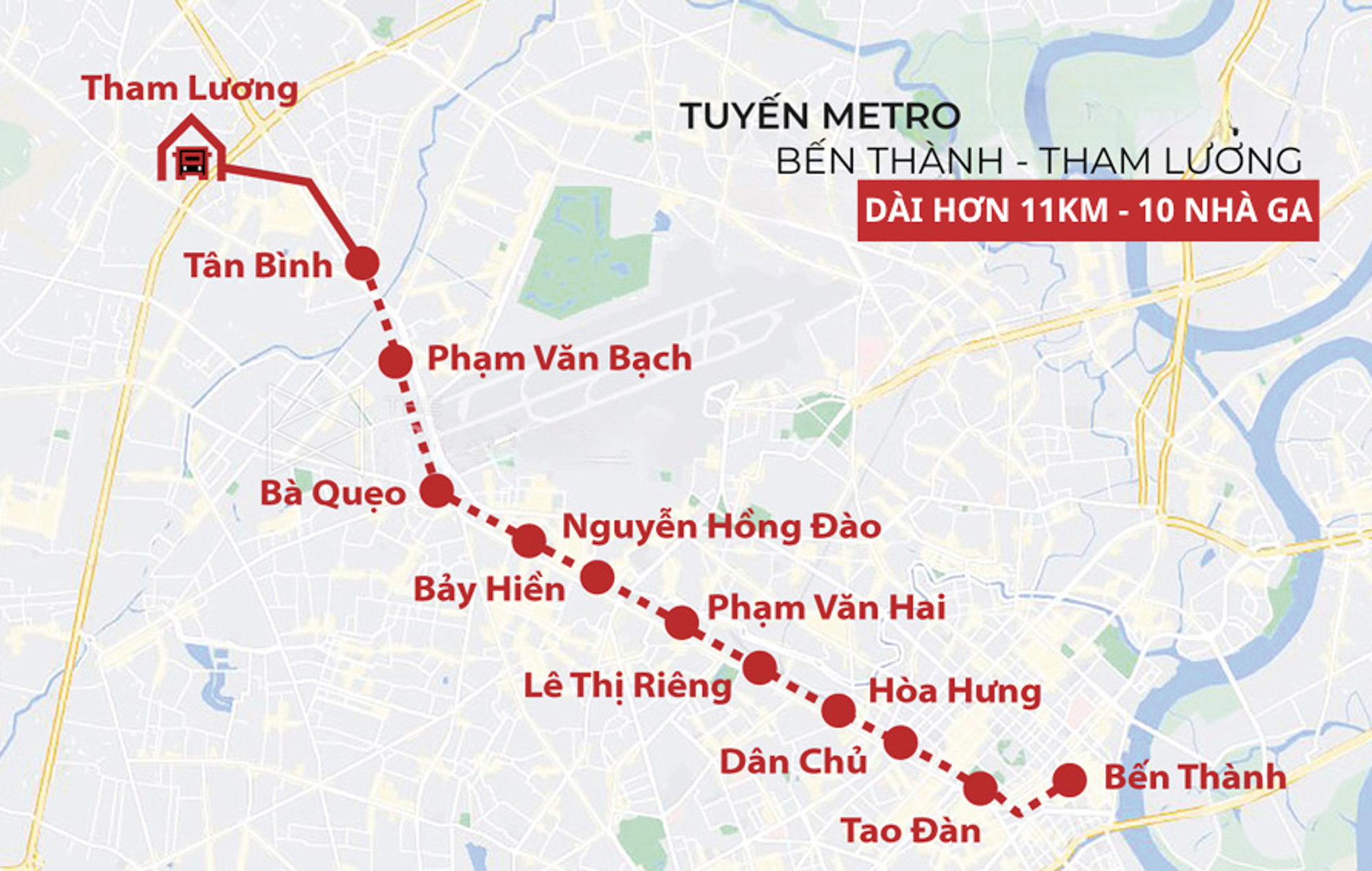
The entire route includes about 9.2 km of underground track, with a maximum design speed of 40 km/h, and 2 km of elevated track, with a maximum design speed of 80 km/h. The extensive underground section, running through densely built areas, poses significant technical, safety, and construction challenges.
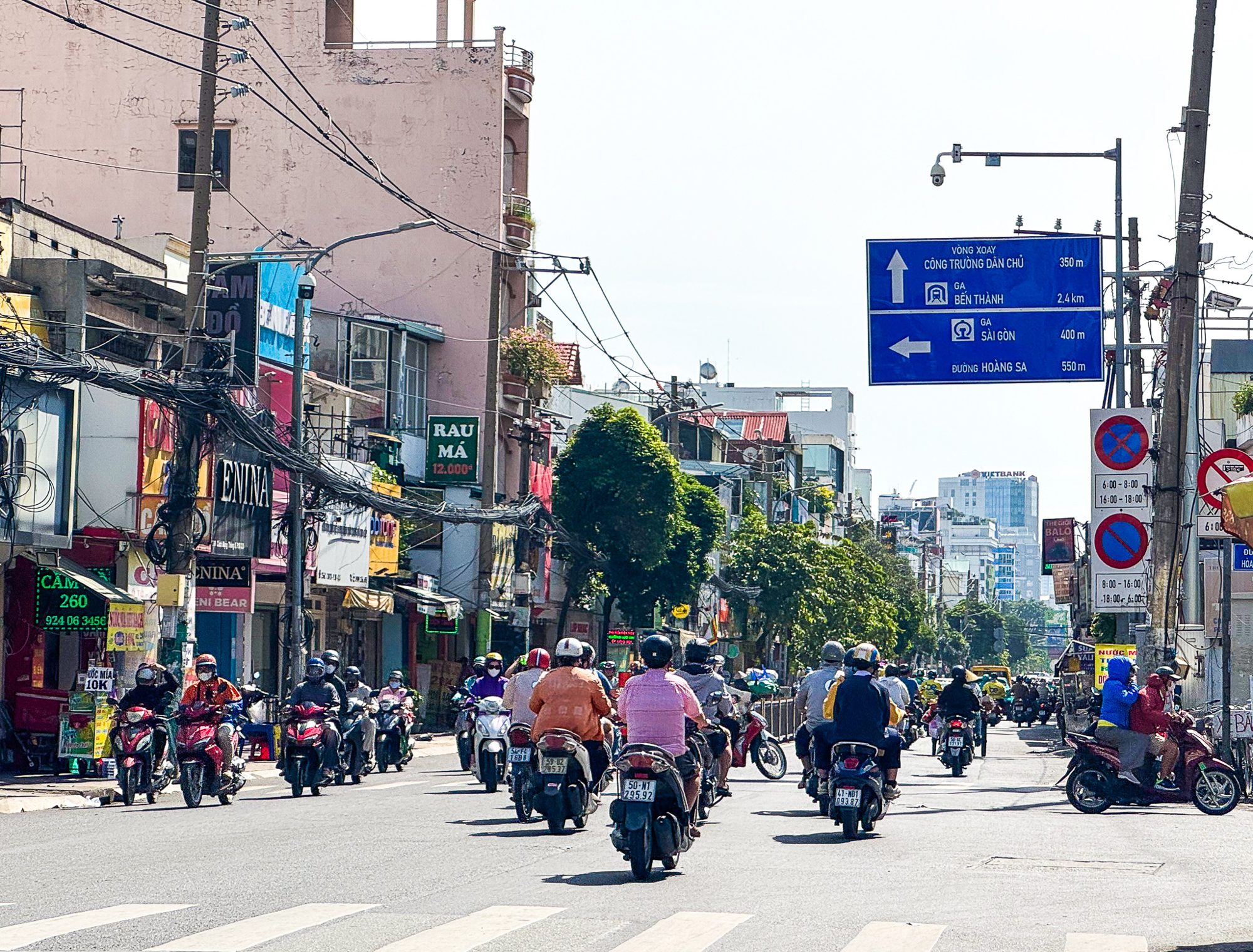
Once operational, the Ben Thanh – Tham Luong line will swiftly connect the city center, airport, and northwestern region, reducing travel time to approximately 15 minutes. It will also alleviate congestion on the frequently gridlocked Cach Mang Thang Tam – Truong Chinh axis during peak hours.
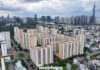
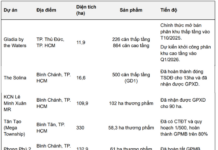
Beyond transforming transportation, Metro Line 2 is expected to boost real estate along the route, particularly near stations. The line passes through several developing areas with major projects such as The One Central HCM, Vinhomes Golden River, and An Suong urban area.
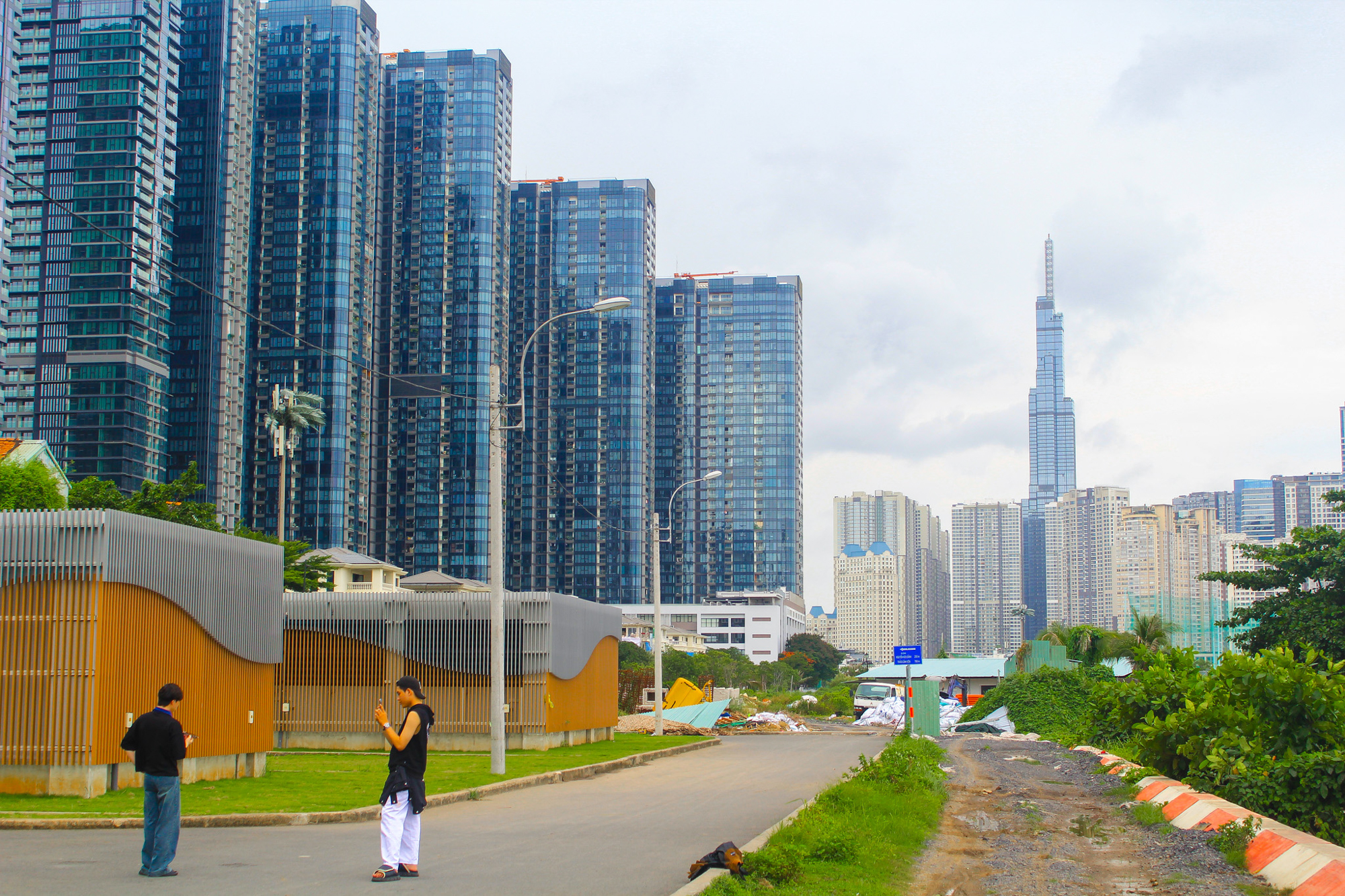
Previously, when Metro Line 1 became operational, property values significantly increased. Real estate near Line 1 stations saw price hikes of 1.5 to 3 times before and after the line’s launch. For instance, at Vinhomes Golden River, near Ba Son station, apartment prices rose from approximately 80–150 million VND/m² in 2017–2020 to around 160–375 million VND/m² today, nearly doubling in value.
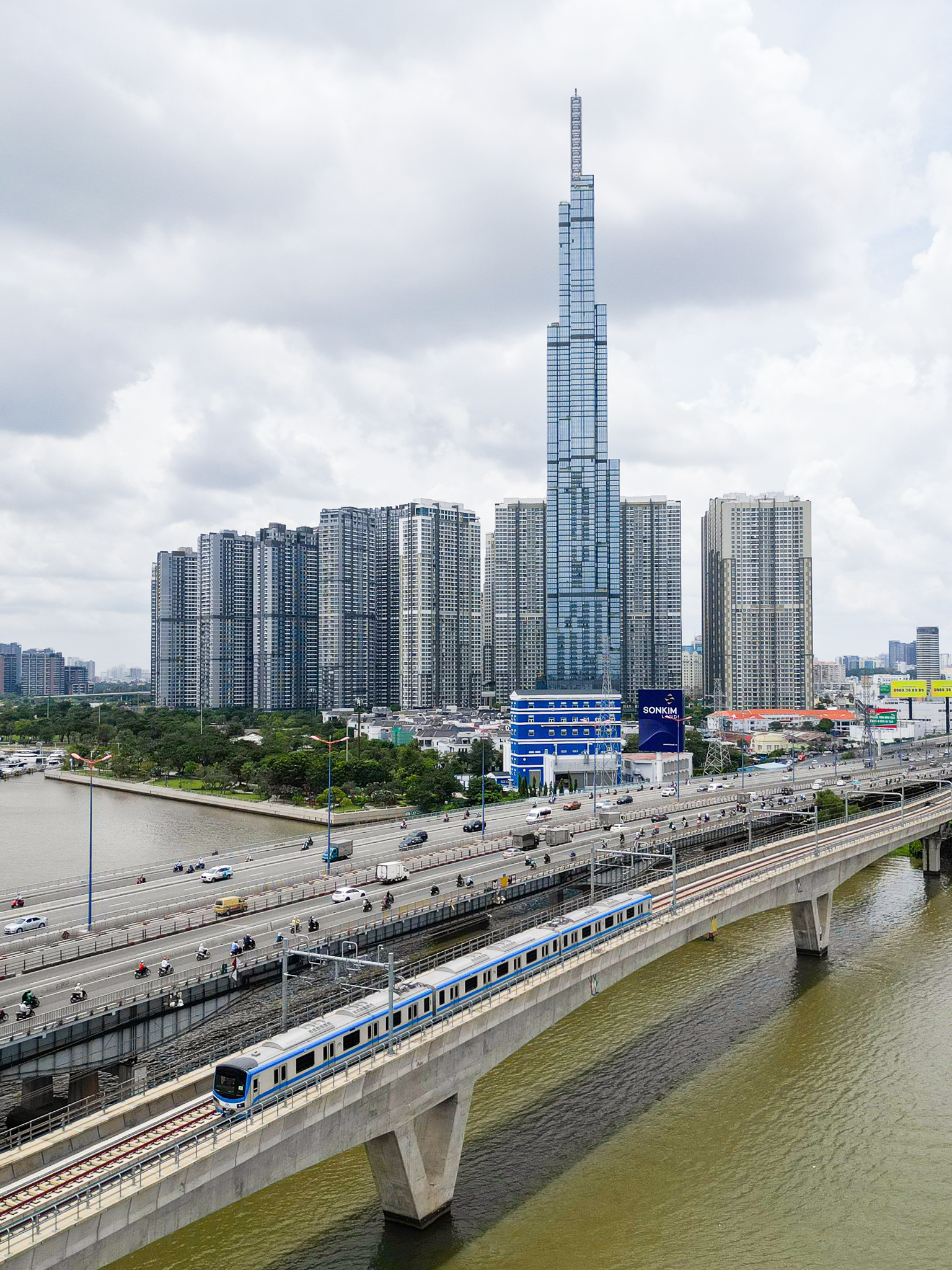
Leading global real estate consultancies Savills, CBRE, and Knight Frank have released detailed reports in 2024–2025 confirming that properties near metro stations are priced 15–30% higher than those farther away, with greater long-term appreciation potential.
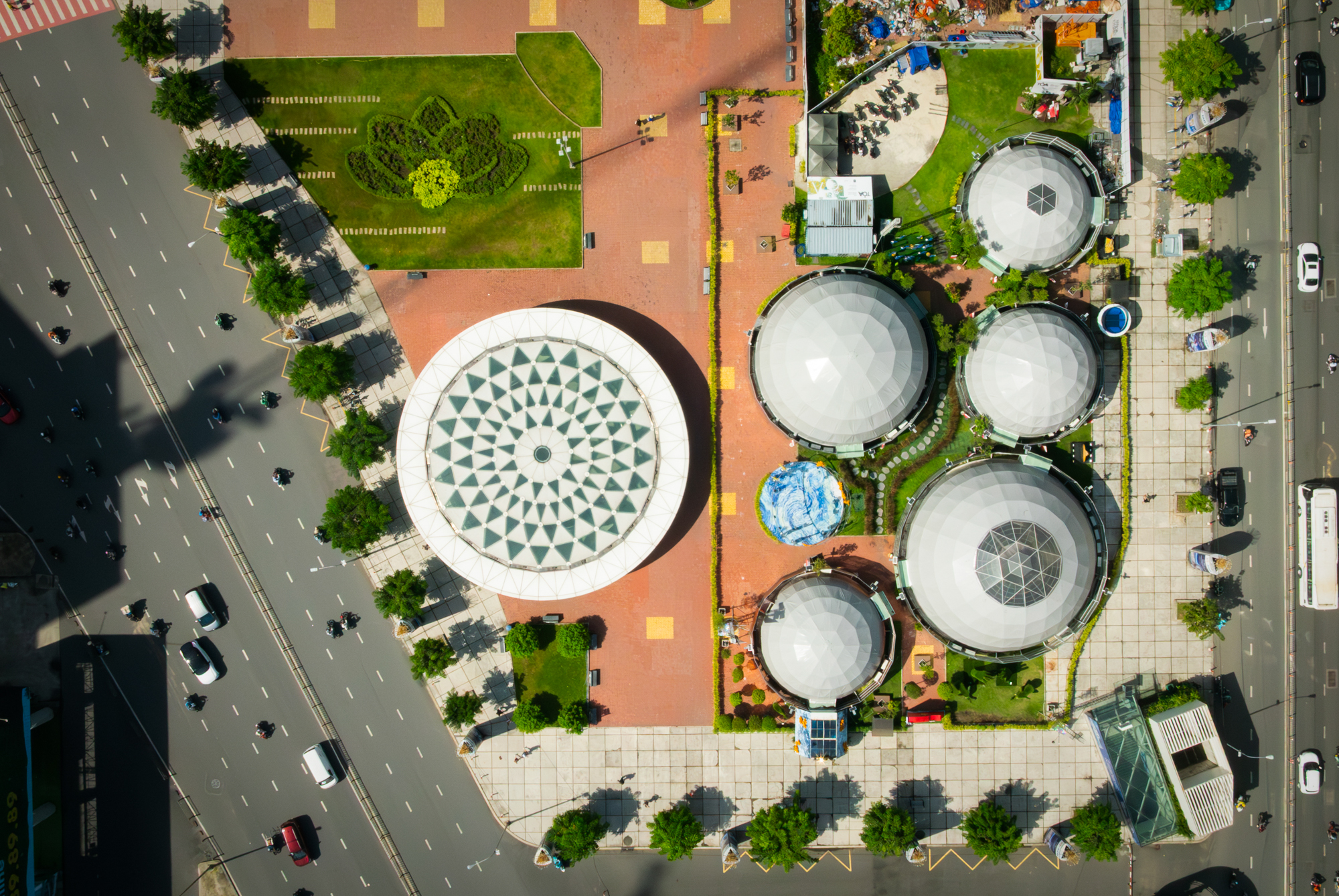
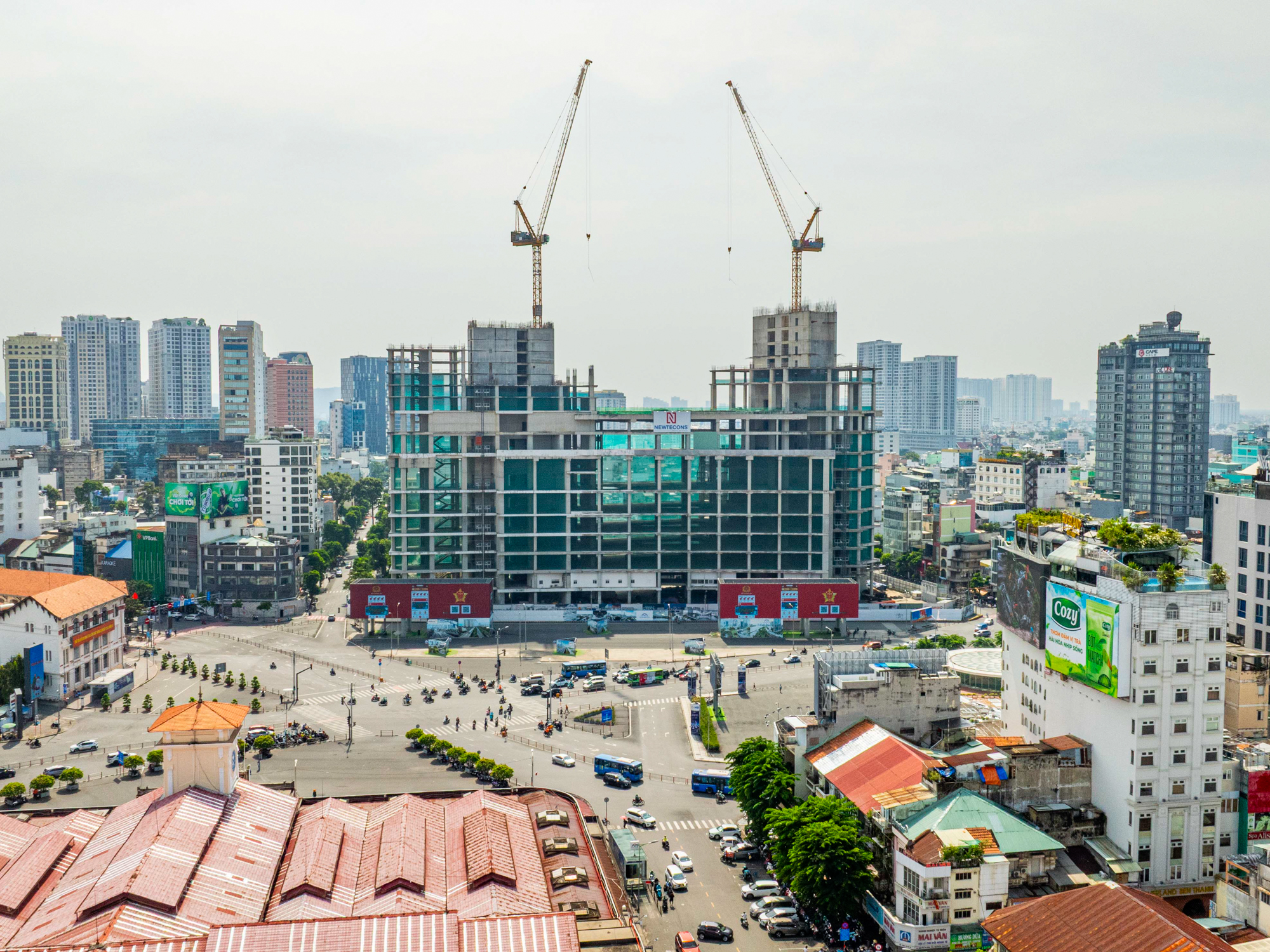
At the line’s starting point, Ben Thanh Station will serve as a central hub for Ho Chi Minh City’s metro network. The area around Ben Thanh Market, a major intersection, has grown accustomed to temporary barriers and fencing for underground construction and related infrastructure projects.
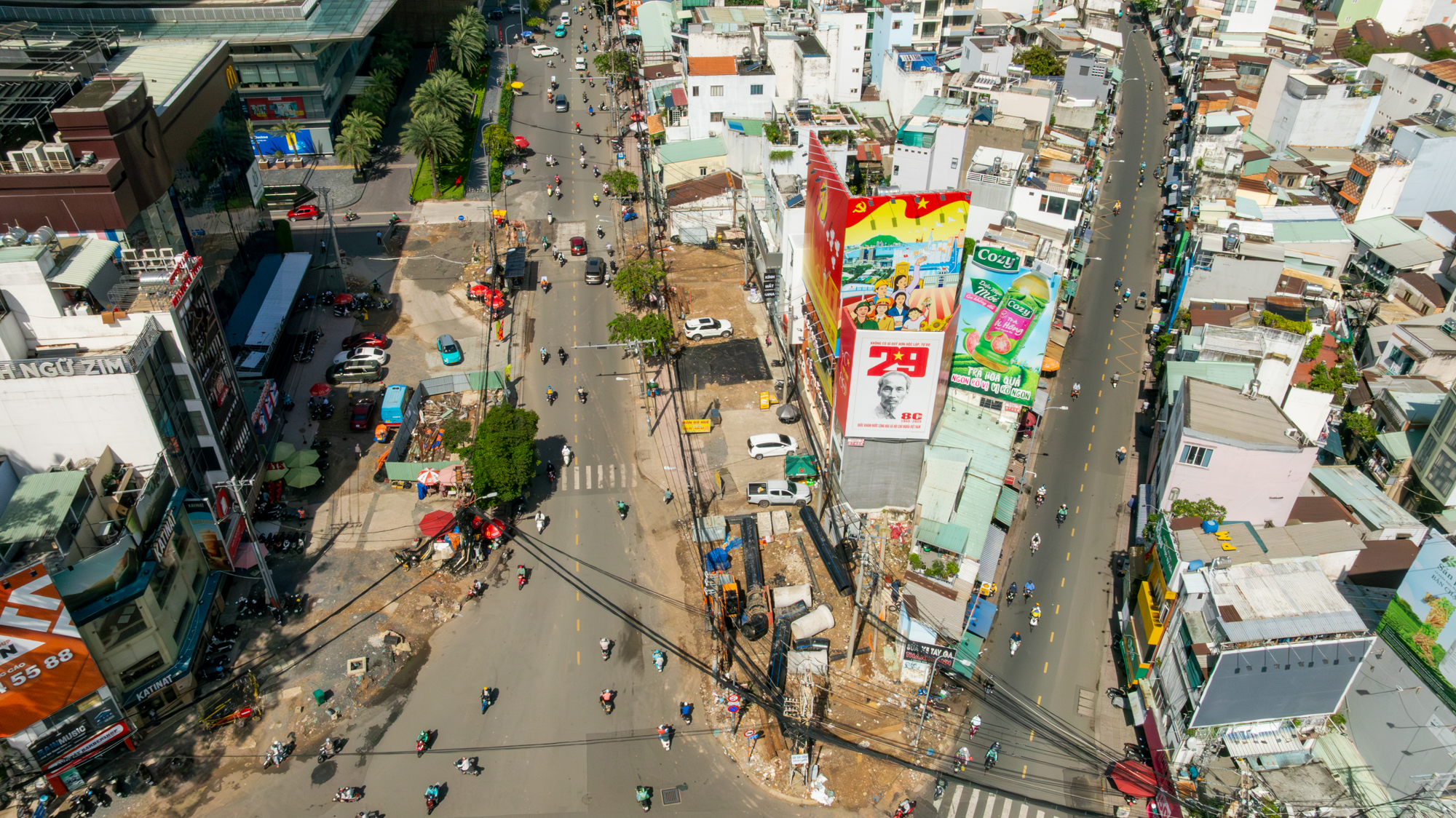
Along Cach Mang Thang Tam Street, from the Dan Chu roundabout to Le Thi Rieng Park, land for the project has been largely handed over. Many residents and businesses have relocated to make way for construction.

Clearing, utility relocation, and tree removal are nearly complete. Cable systems, pipelines, and manholes have been adjusted and reorganized, awaiting the project’s official start for tunneling, station construction, and ancillary works.

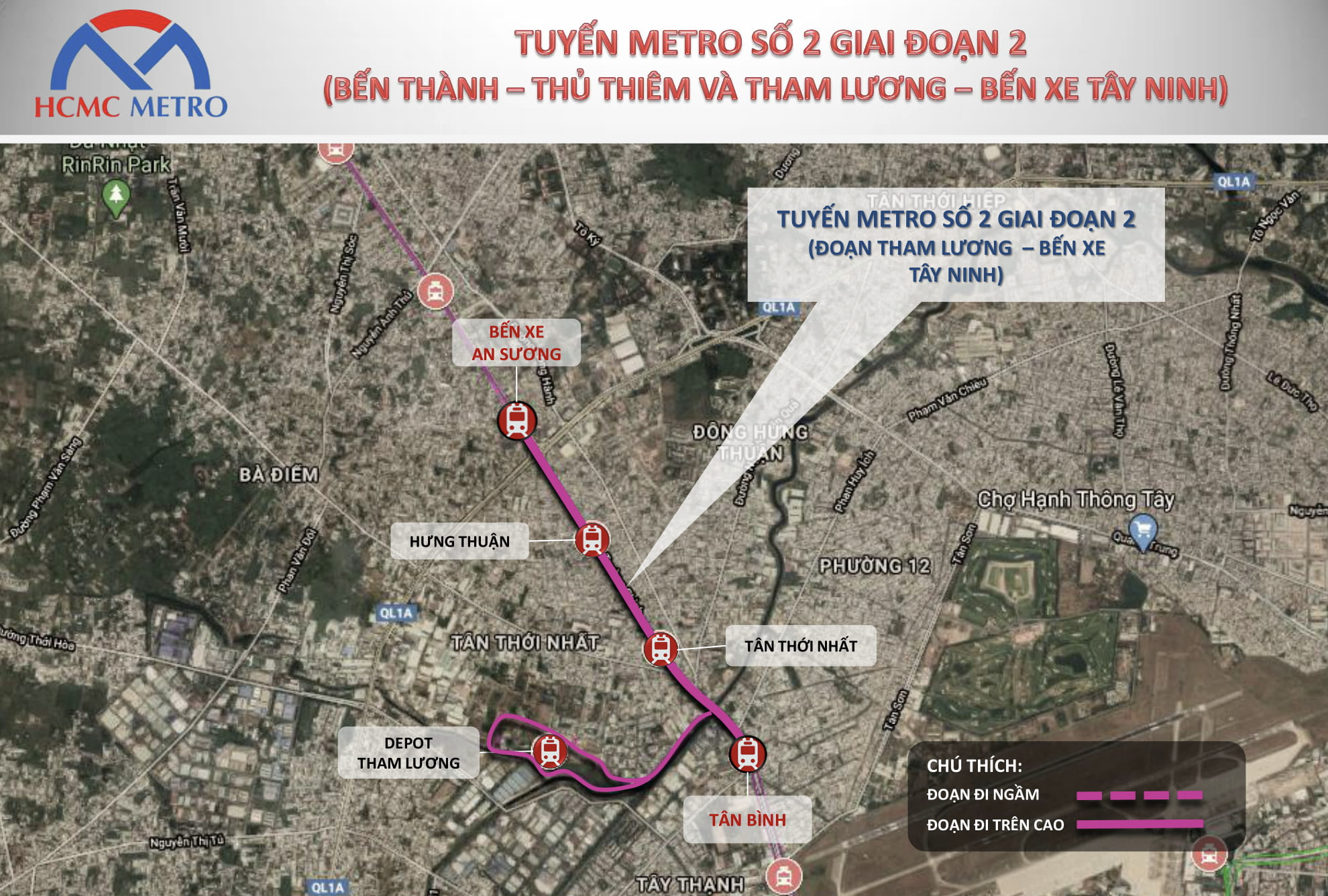
Long-term plans for the Ben Thanh – Tham Luong segment represent only Phase 1 of Metro Line 2. Following its completion, Phase 2 will extend the line with two branches: Ben Thanh – Thu Thiem and Tham Luong – An Suong Bus Station, enhancing connectivity between the city center, eastern districts, and the northwestern gateway.

In Phase 3, the line will extend further northwest into the former Cu Chi district, completing Metro Line 2 as the east-west backbone of Ho Chi Minh City’s urban rail network. Concurrently, the city is advancing Metro Lines 3a, 5, 4, and 4b, aiming to establish an 8-line network totaling over 200 km as per the master plan.
Fire Safety Inspection in Ho Chi Minh City Uncovers Construction Violations
Over the past three months, authorities in Ho Chi Minh City have conducted fire prevention and fighting inspections at over 4,300 establishments, uncovering numerous violations related to construction regulations.
Proposed Dong Nai 2 Bridge Project Connecting Ho Chi Minh City Gains Investor Approval

The People’s Committee of Dong Nai Province has officially approved an investor’s proposal for the Long Hung Bridge (Dong Nai 2 Bridge) construction project, to be implemented through a Public-Private Partnership (PPP) model.
Ho Chi Minh City Chairman Demands Transparency on Delayed Projects

Our team meticulously monitors and reallocates capital from underperforming projects to those with higher disbursement potential, ensuring optimal resource utilization. We prioritize transparency and accountability by rigorously enforcing discipline and publicly disclosing projects that fall behind schedule.
Ho Chi Minh City Set to Launch Series of Metro and Rail Projects Starting 2026

Ho Chi Minh City is accelerating the development of multiple metro and rail projects, aiming to complete a modern transportation network by 2035.
Decaying Old Apartments in Ho Chi Minh City Still Fetching $20,000 per Square Meter

In the heart of Ho Chi Minh City, aging apartments with shrinking spaces and deteriorating quality still command staggering prices, often reaching hundreds of millions of dong per square meter.