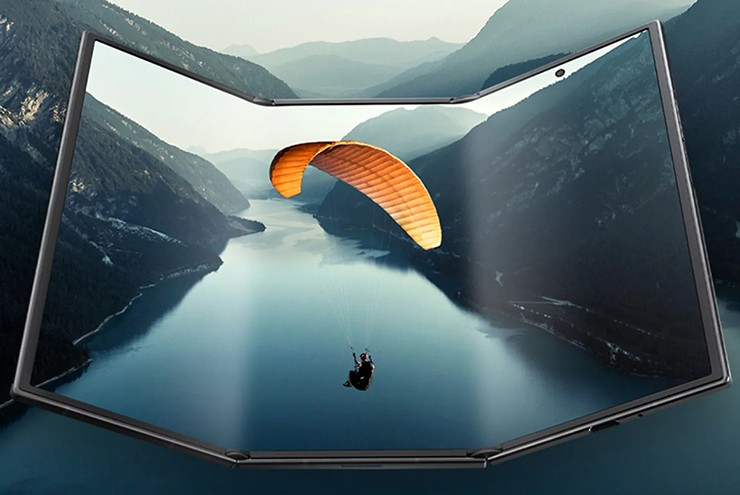
The most striking feature of the Galaxy Z TriFold is its triple-folding mechanism, equipped with two ultra-durable titanium hinges. Unlike its competitor, the Huawei Mate XT, Samsung has opted for a design that folds both edges inward, safeguarding the 10-inch main display inside, while a 6.5-inch secondary screen is positioned on the device’s rear. To ensure durability, the device boasts a premium aluminum frame, along with IP48-rated water and dust resistance, mirroring the standards set by the Z Fold7 and Z Flip7.
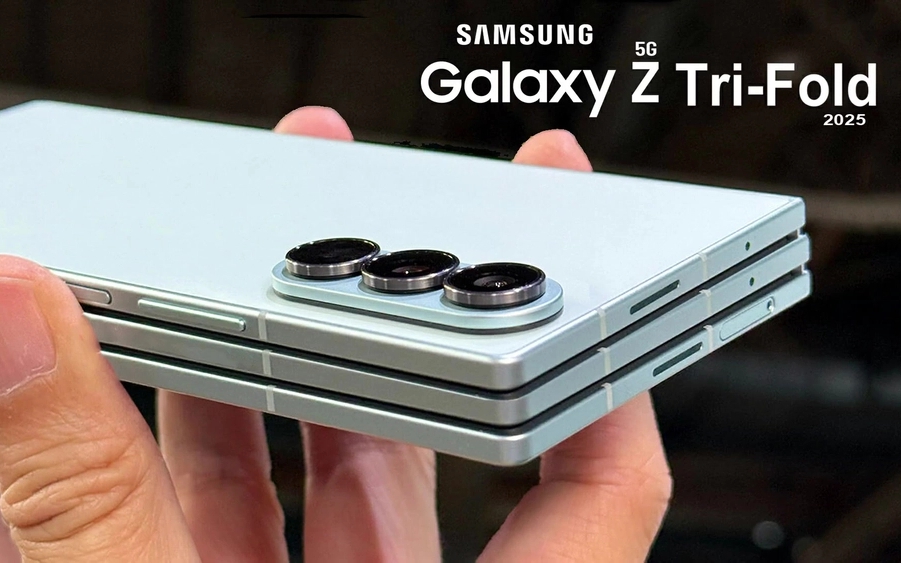
The device’s dimensions and weight are a testament to engineering prowess. When fully unfolded, the Z TriFold achieves an astonishing thickness of just 3.9 mm, expanding to 12.9 mm when folded—approximately 4 mm thicker than the Z Fold7. Weighing in at 309 grams, it significantly surpasses the 215 grams of traditional dual-fold models. Samsung has also integrated a vibration alert system and on-screen notifications to prevent improper folding, thereby protecting the display from damage.
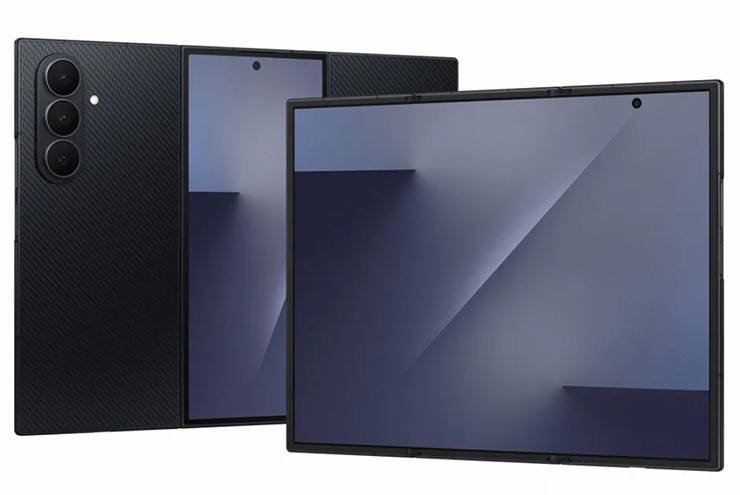
Upon unfolding, users are greeted with a vast 10-inch workspace, boasting a resolution of 2,160 x 1,584 pixels, adaptive refresh rates from 1 to 120 Hz, and a peak brightness of 1,600 nits. The 6.5-inch external display features a cinematic 21:9 aspect ratio, shielded by Corning Gorilla Glass Ceramic 2. Both screens incorporate a 10-megapixel punch-hole selfie camera.
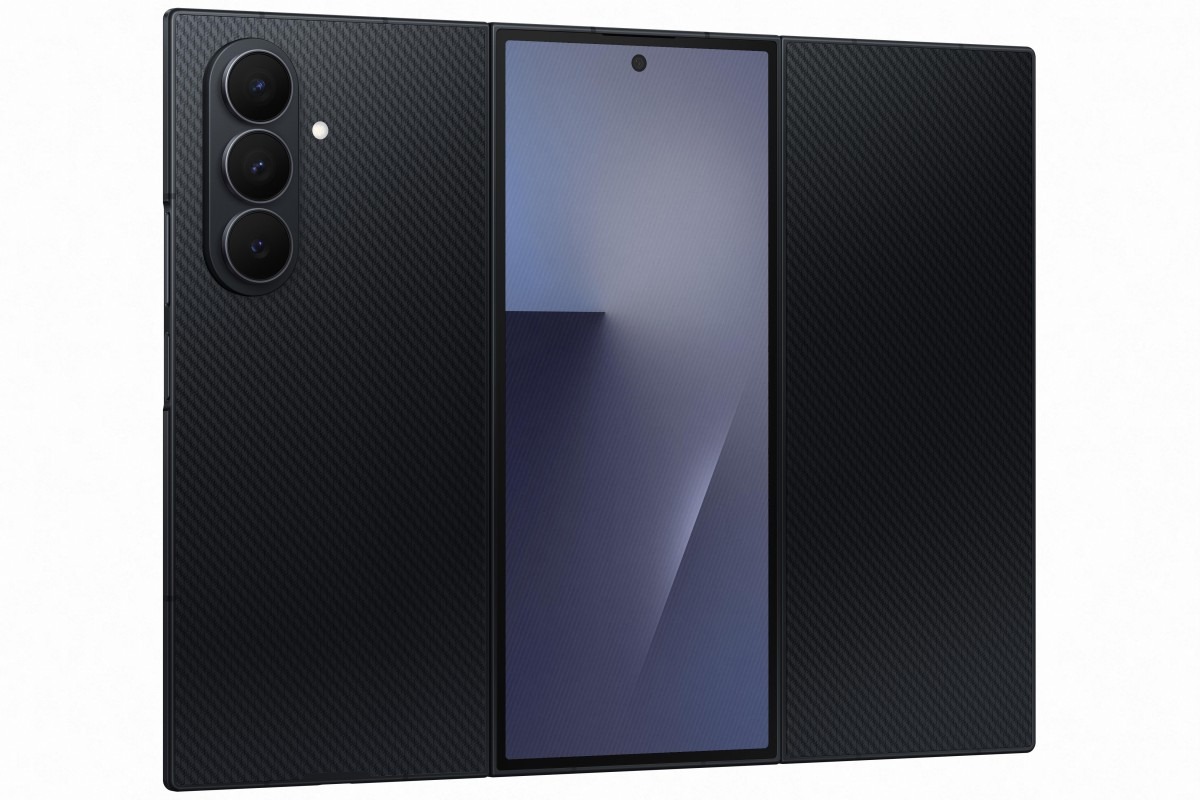
Powering the Galaxy Z TriFold is the exclusive Snapdragon 8 Elite processor for Galaxy devices, paired with 16 GB of RAM and up to 1 TB of internal storage. While this chip is one generation behind the latest Snapdragon 8 Elite Gen 5, it effortlessly runs the optimized OneUI 8 (based on Android 16). Users can simultaneously run three full-sized apps vertically. Notably, this marks the first Samsung device to feature standalone DeX mode, transforming the phone into a full-fledged mobile computer when paired with a keyboard and mouse, eliminating the need for an external display.
Beyond its display prowess, the Z TriFold is a photography powerhouse, inheriting the Z Fold7’s camera system. It features a 200-megapixel Isocell HP2 main sensor, a 12-megapixel ultra-wide lens, and a 10-megapixel 3x telephoto lens. To power its three displays, Samsung has equipped the device with a 5,600 mAh triple-cell battery, distributed across the three rear panels, supporting 45W wired and 15W wireless charging.

However, a notable drawback confirmed by Samsung is the absence of S Pen support, a feature previously beloved in the Galaxy Z Fold series.
The Galaxy Z TriFold is set to launch in South Korea on December 12, available exclusively in black. It will subsequently debut in key markets such as China, Singapore, and the UAE. U.S. consumers will have to wait until Q1 2026 to acquire the device. While the official price remains undisclosed, tech enthusiasts speculate it will surpass the Z Fold7’s starting price of $2,000, making it a financially daunting purchase.
Revived in Vietnam: The Ultimate Performance-Price King Smartphone Returns with Top-Tier Chip, Bose Audio Tech, and Segment-Leading Battery for Just $730

POCO reintroduces its F Series to Vietnam with the F8 Pro, emphasizing performance, design, and entertainment experiences, while expanding its product ecosystem with the launch of the POCO Pad M1 tablet.
Flagship Killer Unveiled: 8 Elite Chip, 165Hz Display, 7,800mAh Battery, All Under $420

This Chinese smartphone redefines the mid-range segment, packing powerhouse specs at an unbelievably affordable price.
HONOR Magic V5 Lands in Vietnam: World’s Thinnest Foldable Smartphone Challenges Galaxy Z Fold7 at $1,900

HONOR representatives have expressed high expectations for the Magic V5 foldable model, highlighting its ultra-slim design, Guinness World Record-breaking durability, large battery capacity, and an array of advanced AI technologies.
Galaxy S26 Ultra Unveiled with Fresh Design and Galaxy Z Fold7-Inspired Camera Array

Introducing the Galaxy S26 Ultra: stunning new renders and 360-degree videos reveal a reimagined camera module, a sleeker profile, and a slightly larger footprint compared to the S25 Ultra, months ahead of its official launch.
The World’s Most Powerful Phone Arrives in Vietnam: What’s All the Hype About?
The latest smartphone has arrived in Vietnam, and it’s set to take the tech-savvy community by storm.