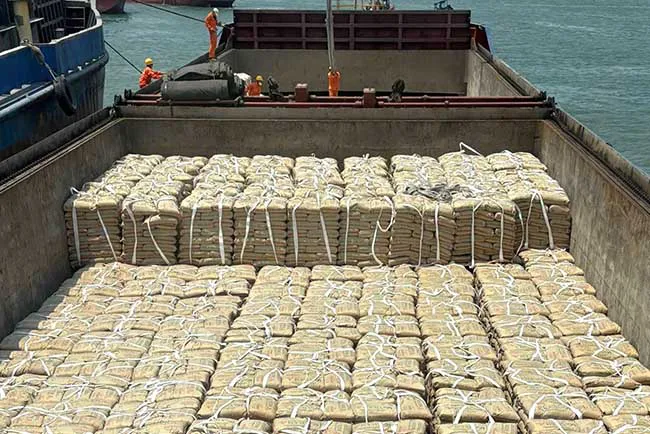
According to statistics from the Customs Department, Vietnam’s cement and clinker exports in the first 10 months of 2025 reached nearly 30 million tons, equivalent to over $1.11 billion, marking an 18% increase in volume and a 15% rise in value, but with a nearly 3% decrease in price compared to the same period in 2024.
In October 2025 alone, exports were estimated at 3.47 million tons, valued at $128.43 million, showing significant growth in both volume and value compared to the same month last year.
Recent trends in cement and clinker exports indicate a steady improvement. Production volumes are inching up, export values continue to rise, and cement companies are successfully maintaining traditional markets while expanding into new export destinations. This stability is crucial for the cement industry to strengthen its recovery and adapt to oversupply pressures and global trade fluctuations.
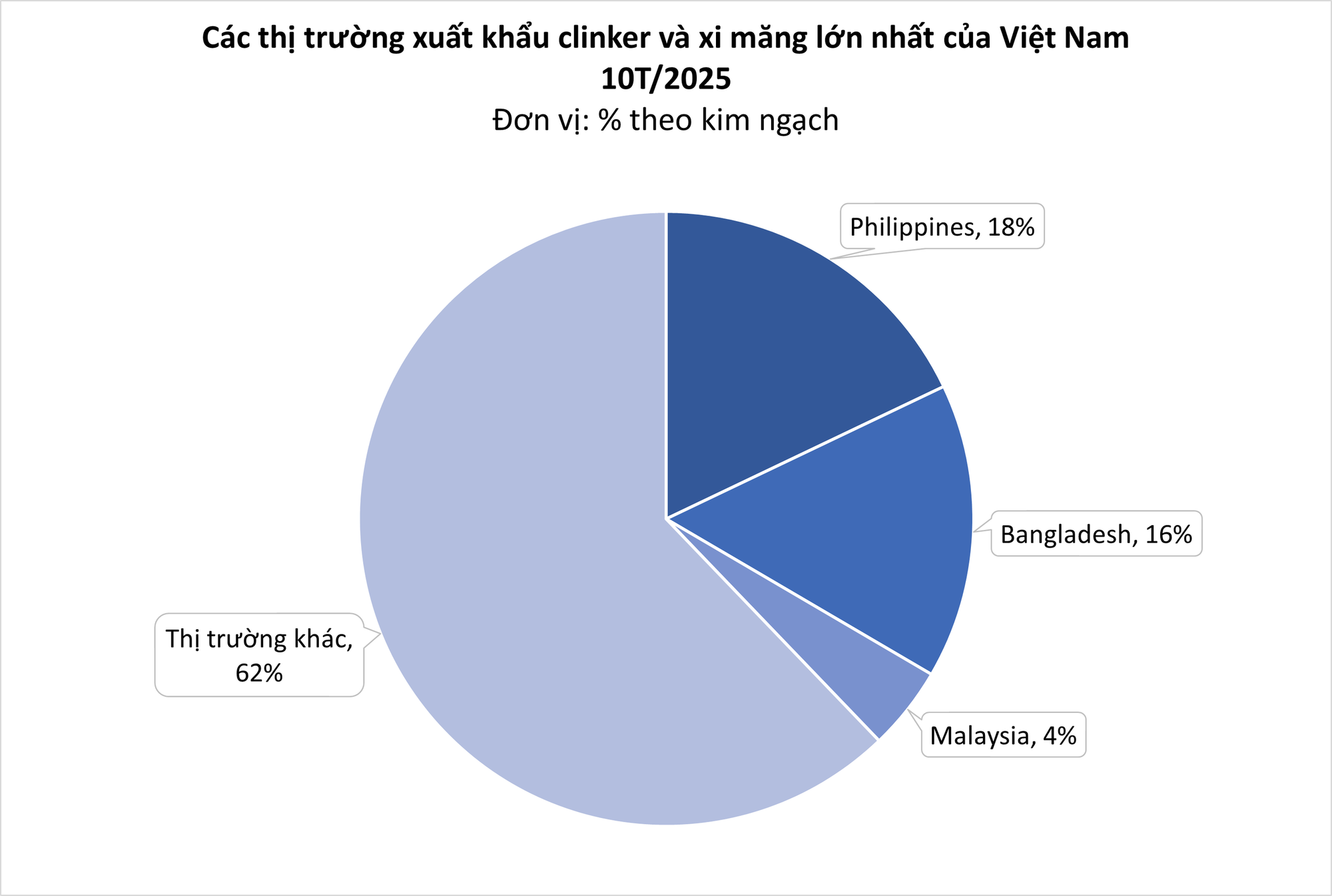
The Philippines remains the largest importer of Vietnamese cement and clinker, accounting for nearly 18% of the total export volume and value, with 5.22 million tons exported, worth over $199 million, despite a 21% decrease in volume and a 25% drop in value.
Bangladesh follows as the second-largest market, importing 5.3 million tons of cement and clinker, generating $172 million, an 8% increase in volume and a 10% rise in value compared to the same period in 2024. Malaysia ranks third, with imports reaching 1.4 million tons, valued at $49 million.
Notably, Laos has significantly increased its imports from Vietnam, with a 371% surge in volume and a 360% increase in value compared to the same period last year.
The growth in exports, coupled with improved domestic consumption driven by accelerated public investment projects and residential construction, has led many manufacturers to report profits again. As we enter the fourth quarter, the prospects for recovery are expected to become more evident, supported by favorable weather conditions and increased public investment disbursement, which will boost demand for construction materials.
The reduction in the export tax rate for clinker cement from 10% to 5%, effective from late May 2025 until the end of 2026, is positively impacting export activities. Additionally, manufacturers are actively seeking new customers and markets.
International cement trade is showing signs of revival, driven by rising demand in many import markets and increased new export orders from domestic producers. However, export competition is intensifying, particularly with countries like Thailand, Indonesia, and China, which are also grappling with surplus production and seeking to expand their export market shares.
Key export markets such as the Philippines, Bangladesh, Malaysia, Taiwan, and the United States are tightening technical regulations and imposing anti-dumping duties or environmental barriers.
For instance, since July 2025, Taiwan has imposed anti-dumping duties ranging from 13.59% to 23.20% on Vietnamese cement. This decision will remain in effect for five years, from July 2025 to July 2030.
Nevertheless, the increase in trade protectionism and anti-dumping measures is prompting many exporters to adjust their strategies, reduce dependence on specific markets, and explore potential markets with high import demand.
Vietnam’s Billion-Dollar Material Floods Laos at Rock-Bottom Prices: 5% Import Tax, 100 Million Tons Annually
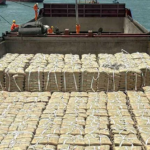
Vietnam boasts the world’s third-largest production volume of this commodity.
Vietnam Floods Laos with Hundreds of Thousands of Tons of High-Priced Goods: 5% Export Tax Cements ASEAN Dominance
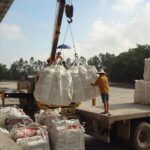
With production surpassing both the United States and Russia, Vietnam proudly stands as the world’s third-largest producer of this commodity.
Steel Exports Face Challenges: Nam Kim Reports 24% Drop in Q3 Profits
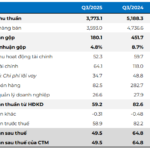
Nam Kim Steel JSC (HOSE: NKG) has released its Q3 business results, revealing significant declines across key performance indicators.
Global Trade Forum 2025: Unlocking Strategies, Empowering Businesses

The 2025 Trade Forum, organized by VietinBank, offers a dynamic platform for businesses to enhance their competitive edge in the global market. Through insightful policy updates, trend analyses, and strategic insights, the forum equips enterprises with the knowledge and understanding needed to navigate the complex world of international trade.
International Trade Remains a Bright Spot Amidst Global Commerce’s Turbulent Times

In a complex geopolitical landscape, amidst escalating trade tensions, rising non-tariff barriers, and stringent environmental standards, Vietnam’s foreign trade performance remains robust. The country continues to assert its role as a pivotal driver of economic growth, showcasing resilience and dynamism in the face of global challenges.