More Banks Increase Deposit Interest Rates
In the early days of December 2025, several banks have adjusted their deposit interest rates upward. BVBank increased online savings rates by 0.05%-0.3%/year across various terms; Vietinbank also raised online savings rates from 0.4% (for 1-2 month terms) to 0.6%/year (for 6-11 month terms); MB increased bank interest rates online from 0.35% (for 3-5 month terms) to 0.6%/year (for 1-2 month terms).
Previously, in November alone, 22 banks raised deposit interest rates by 0.2-0.6%/year for terms ranging from 3 to 12 months. These banks include: VPBank, MB, HDBank, GPBank, BVBank, Sacombank, BaoViet Bank, PVCombank, LPBank, Cake by VPBank, MBV, Bac A Bank, Vikki Bank, Nam A Bank, NCB, VIB, TPBank, OCB, Techcombank, VCBNeo, VPBank, and VietinBank. Notably, five banks increased rates twice within the month.
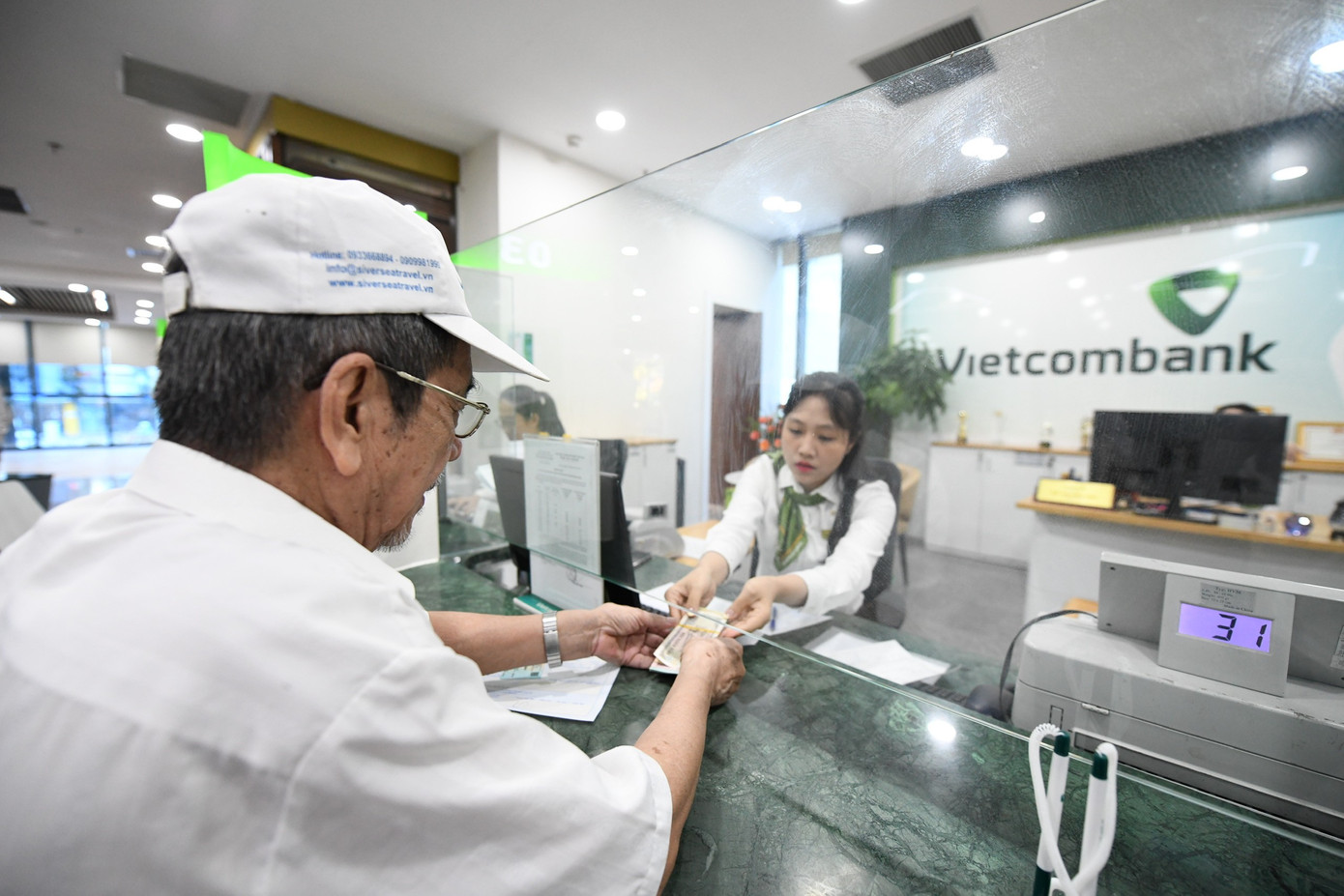
Deposit interest rates surge in the final months of the year
Alongside increases in popular deposit terms, many banks have also raised rates for 12-13 month terms, but these apply to customers depositing very large amounts. PVcombank offers a 9%/year rate for 12-13 month terms when customers deposit at the counter and maintain a minimum balance of 2 trillion VND. HDBank offers an 8.1%/year rate for 13-month terms and 7.7%/year for 12-month terms, with a minimum balance requirement of 500 billion VND.
Top 5 Banks with the Highest Deposit Interest Rates
PVcombank: 9%/year for 12 months; 5%/year for 6 months; 4.1%/year for 3 months; VPBank: 6.5%/year for 12 months; 6.3%/year for 6 months; 4.6%/year for 3 months; Bac A Bank: 6.5%/year for 12 months; 6.4%/year for 6 months; 4.75%/year for 3 months; HD Bank: 7.7%/year for 12 months; 5.5%/year for 6 months; 4.3%/year for 3 months; VietA Bank: 6.5%/year for 12 months; 6%/year for 6 months; 4.4%/year for 3 months.
Not only have deposit interest rates increased, but overnight interbank lending rates have also surged. According to data from the Vietnam Interbank Market Research Association, the average interbank lending rate—where banks borrow from each other—rose by 0.8-1.62%/year on December 1st across most terms of one month or less, except for the two-week term. Specifically, the overnight rate—which accounts for the majority of interbank transactions—climbed to 7%/year, the highest since November 2022. Other rates, such as one week, remained at 7.3%/year, two weeks held steady at 6.1%/year, and one month increased to 6.95%/year.
Mid-sized Private Banks Attracting Deposits
In an interview with Tien Phong, Mr. Nguyen Minh Tuan, CEO of AFA Capital and Co-founder of the Vietnam Financial Advisors Community (VWA), stated that as of December 3, 2025, the overnight rate had reached 7.5%/year. More notably, all terms from one week, two weeks to 1, 3, 6, 9 months, and even one year, are in the 6.1-7.5%/year range. When interest rates rise across all terms, it indicates that liquidity shortages are no longer localized but have spread to medium and long-term terms, reflecting significant stress.
According to Mr. Tuan, the entire banking system’s credit is expected to grow by 20% by year-end, far exceeding the 16% target, while deposits from individuals are only increasing by about 16%. Credit growth outpacing deposits has left the banking system in a state of “lending beyond deposit capacity,” forcing many banks, particularly mid-sized private banks, to continuously raise deposit interest rates to attract funds. Meanwhile, state-owned banks maintain lower interest rates, creating a disparity in capital competition and compelling weaker banks to further increase deposit rates.
Mr. Tuan analyzed that a critical point is that despite the State Bank’s significant injection of approximately 360 trillion VND through the Open Market Operations (OMO) channel since the beginning of the year—at a rate of only 4%/year—banks still borrow from each other on the interbank market at 6%/year.
“This reveals two issues: first, the system lacks core long-term capital, not just short-term liquidity; second, not all banks have sufficient eligible assets, primarily government bonds, to pledge for OMO loans. Therefore, despite substantial liquidity injections, the system’s absorption capacity is limited, and interbank rates remain high,” Mr. Tuan explained.
Mr. Tuan added that interest rate trends have also impacted exchange rates. When domestic interest rates are high, according to interest rate differentials, the Vietnamese dong faces less depreciation pressure. Meanwhile, Market 1 interest rates (deposit and lending rates for individuals and businesses) have risen significantly. “The core issue lies in the imbalance between credit and deposits, the lack of long-term capital, the shortage of eligible assets to access cheap capital from the State Bank, and the existing pressure on exchange rates,” Mr. Tuan noted.
Banking Sector Reaches New Heights: A Record-Breaking Milestone Achieved

This is unprecedented in history.
Businesses Deposit Over 8.35 Quadrillion into Banks

As of the end of September 2025, corporate deposits in the banking system surpassed 8.35 quadrillion VND, marking an 8.91% increase compared to the end of 2024. This figure also exceeded individual deposits by a significant margin of 518 trillion VND.
Record-Breaking Deposits: Vietnamese Citizens Flood Banks with Unprecedented Cash Inflows

Record-breaking deposits flood banks as interest rates soar, igniting a fierce battle for savings at year-end.
VPBank Pushes Savings Interest Rates to the Maximum Limit

VPBank has raised its deposit interest rates for the second time in less than a week.
Why Is Credit Growth So High?
Numerous banks have already exhausted their credit limits for the year as early as the beginning of November. Experts suggest that this year’s credit growth of approximately 18% reflects a robust economic recovery, with no significant concerns apparent at this stage.