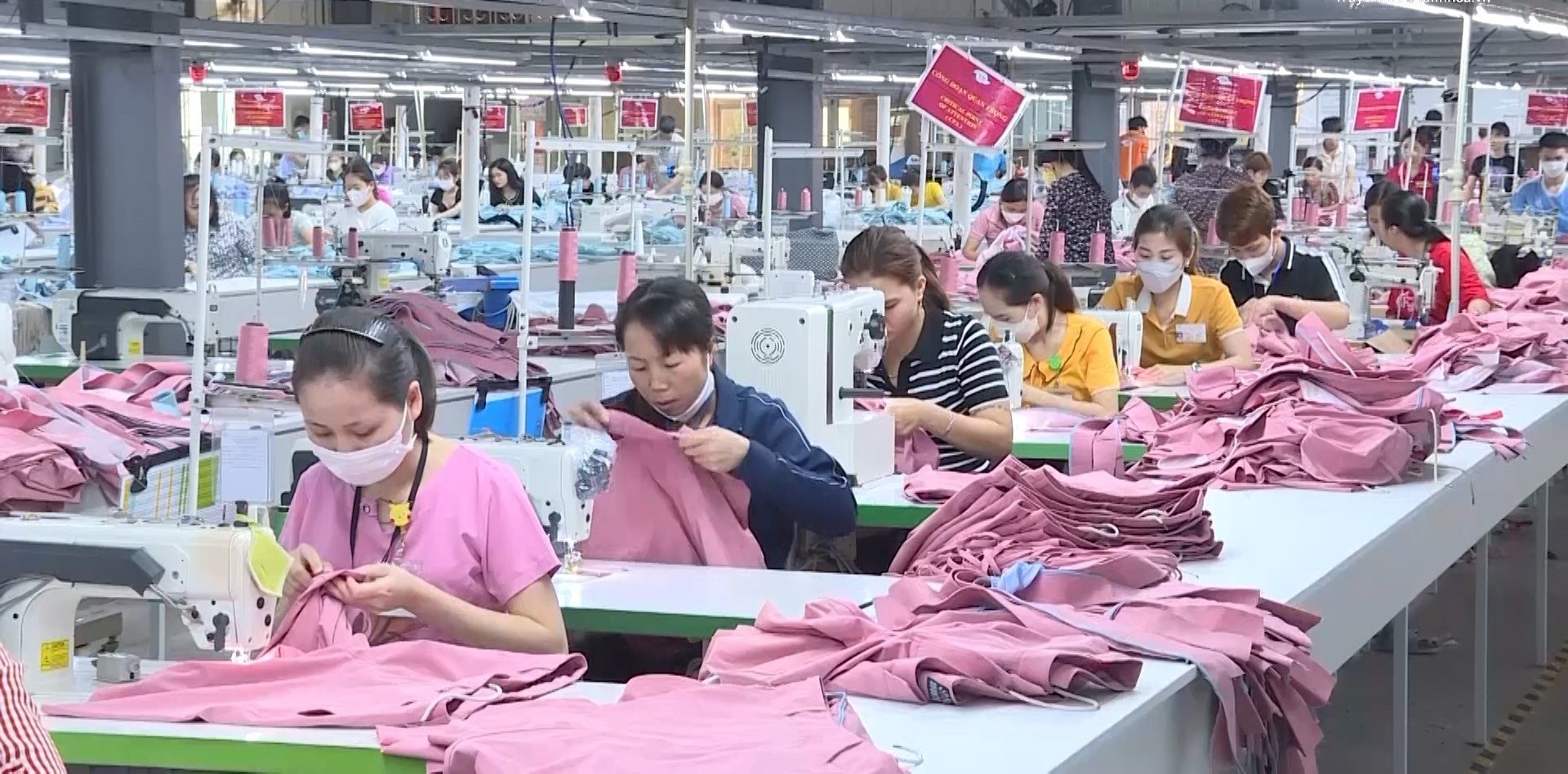
The Comprehensive and Progressive Agreement for Trans-Pacific Partnership (CPTPP) propels Vietnam’s textile industry into new global markets.
According to the Indian Express, ongoing trade negotiations between India and the United States face significant uncertainty, posing substantial risks to India’s textile sector. In August 2025, the Trump administration imposed a 50% tariff on Indian exports, including apparel, diminishing their appeal to international buyers.
The Indian Express warns that without new trade agreements, over $2 billion in summer 2026 textile orders from India could be jeopardized.
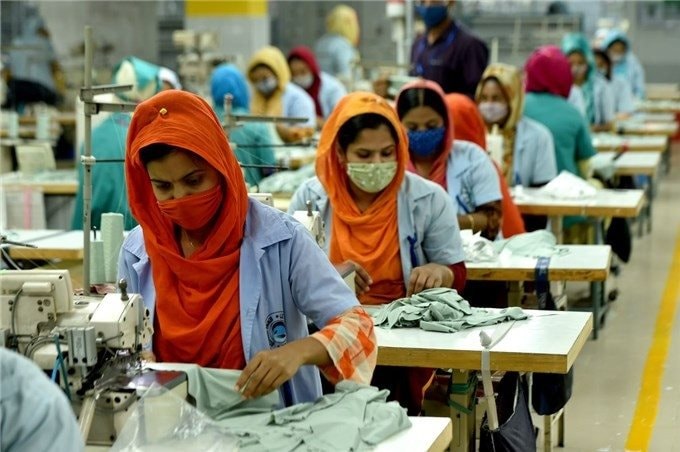
India’s textile industry struggles under the weight of heavy tariffs.
Recent months have seen stalled negotiations between Indian manufacturers and U.S. importers, exacerbated by the lack of a clear trade agreement. U.S. buyers demand lower prices from India to offset potential tariff risks, but Indian producers, already grappling with rising production costs, refuse to yield.
This impasse benefits India’s competitors. The Indian Express suggests that without a trade deal, large summer orders will shift to countries like Bangladesh, Vietnam, and China, which currently face lower tariffs.
Vietnam emerges as a prime alternative. Its textile products now reach 138 global markets, securing its position as the world’s third-largest garment exporter. The U.S. remains a key market, with Vietnam’s textile exports reaching $18.6 billion, a 11.75% year-over-year increase.
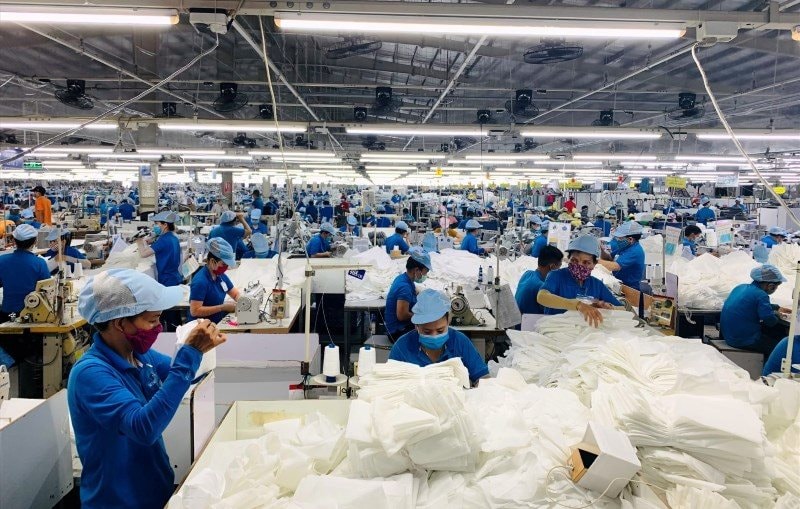
Vietnam shines as a global leader in textile exports.
Apparel remains the industry’s cornerstone, reflecting international confidence in Vietnam’s manufacturing capabilities. Meanwhile, India’s Institute for Foreign Trade (IIFT) highlights the adverse effects of tariffs. If the 50% tariff persists, India risks significant market share loss, while China, Vietnam, and Bangladesh gain ground in the U.S. market.
Even a reduced 25% tariff would severely impact India’s exports, as U.S. importers favor lower-tax alternatives. Ultimately, tariff uncertainty between the U.S. and India is reshaping the global textile supply chain. Prioritizing low-tax suppliers has become paramount, with Vietnam and Bangladesh rapidly securing strategic positions as key alternatives for billion-dollar orders. India’s government must act swiftly to safeguard its textile industry.
Unlocking $64.5 Billion in Textile Exports by 2030: Competing Through Green Capabilities
Despite projections of a 5.6% growth to $46 billion by 2025, Vietnam’s textile industry faces mounting pressure from European countervailing duties, emission standards, and Extended Producer Responsibility (EPR) regulations. While the EVFTA opens market opportunities, businesses must prioritize significant investments in green capabilities and traceability to remain competitive.
Vietnamese Specialty Explodes in Orders, China Invests Billions to Secure Supply

This is one of Vietnam’s most strategic products, meticulously crafted to embody the nation’s rich heritage and innovative excellence. Designed to meet the highest standards, it stands as a testament to Vietnamese ingenuity and global competitiveness.
Vietnam’s Hidden Goldmine: A Billion-Dollar Industry China is Actively Pursuing, While the World Farms, Only Vietnam Creates

This Vietnamese product has dominated the global export market for over two decades, commanding an impressive 90% market share.
Weaving and Garment Industry Surges Ahead Despite Market Volatility
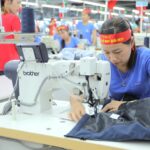
Vietnam’s textile and apparel industry concluded Q3/2025 on a positive note, demonstrating resilience amidst intense competition and new tariff policies from the key U.S. market.
Elevating Bilateral Ties: General Secretary’s UK Visit Set to Usher in a New Era of UK-Vietnam Relations

The upcoming visit of General Secretary To Lam marks a significant milestone in the relationship between the United Kingdom and Vietnam, paving the way for an elevated bilateral partnership, according to UK Ambassador to Vietnam Iain Frew.