During the Ministry of Agriculture and Environment’s regular press conference on December 4th, Mr. Nguyen Quoc Manh, Deputy Director of the Department of Crop Production and Plant Protection, stated that the ministry currently manages two types of plantation codes: domestic plantation codes and export plantation codes, including packaging facilities.
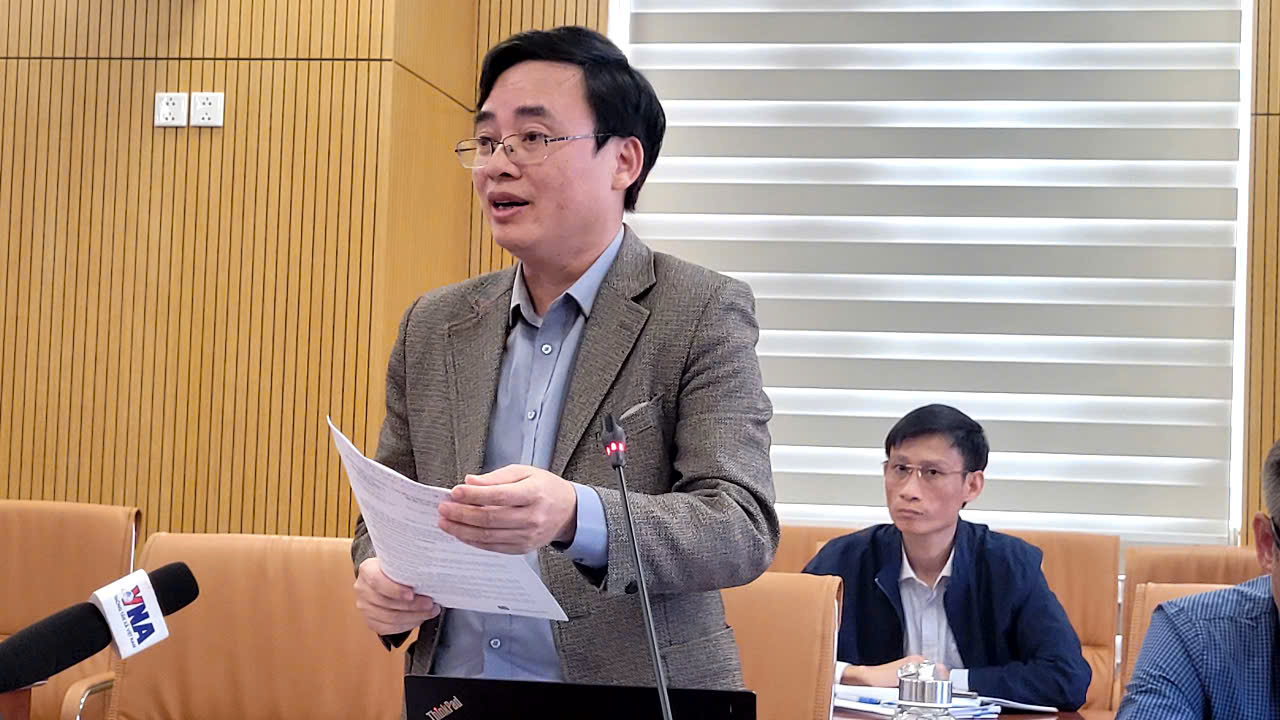
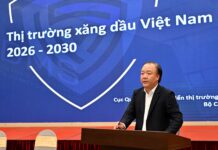
Mr. Nguyen Quoc Manh, Deputy Director of the Department of Crop Production and Plant Protection, discusses the durian plantation code trading case.
Currently, 5,900 domestic plantation codes and 9,334 export plantation codes, along with 1,752 packaging facility codes, are in use.
In November 2025, the ministry issued an additional 48 plantation codes while revoking 22 plantation codes and 8 packaging facility codes.
Regarding recent illegal trading of plantation codes, Mr. Manh emphasized that export plantation codes are strictly assigned to specific areas and entities as per regulations. Any unauthorized trading of these codes is illegal and will be severely punished.
The department has identified several cases of illegal code trading, which significantly impact agricultural production and Vietnam’s agricultural product reputation in import markets. “We consider this a serious issue affecting production,” Mr. Manh noted.
Durian Traceability Using Blockchain and AI
Moving forward, the Department of Crop Production and Plant Protection will propose amendments to the Plant Protection Law, specifically Article 64, to enhance plantation code and packaging facility management.
Public awareness campaigns will be conducted to educate individuals, businesses, and organizations about plantation code regulations. Enhanced inspections and supervision of plantation codes and packaging facilities will also be implemented.
Notably, the department is piloting a traceability project for agricultural products, starting with durian, using blockchain and artificial intelligence (AI) to manage plantation codes and packaging facilities.
Earlier in November 2025, the Police Investigation Agency for Corruption, Economy, and Smuggling (C03, Ministry of Public Security) charged 17 individuals for violations in durian export activities. The case shocked Vietnam’s agricultural sector, as many of those charged held key leadership positions in companies, testing centers, and packaging units.
Key suspects include Mr. Tran Dang Ninh, Director of the Testing and Quality Service Center (Retaq), charged with “Bribery.” Mr. Hoang Ba Nghi, Chairman of NhoNho Technology LLC, and Ms. Le Thi Bich Thuy, Director of Thuy Fruit LLC, face charges of “Offering Bribes” and “Violating Accounting Regulations with Serious Consequences.” Additional individuals were charged with “Bribery Brokering” and “Exploiting Influence for Personal Gain.”
Investigations revealed illegal trading of plantation codes, falsified testing documents, and accounting violations in durian exports to China, causing significant state asset losses.
These violations undermine legitimate businesses, leading to durian exports without proper origin certification or quality standards, damaging Vietnam’s agricultural reputation and competitiveness in global markets.