


















The Looming Real Estate Bubble Threat
According to various market research reports, house prices surged threefold from 2014 to 2025, averaging over 12% annually. Apartment prices rose from 25 million VND/m² to 75.5 million VND/m², with current averages in Hanoi exceeding 80 million VND/m².
At the Hanoi TV-hosted forum “Fostering a Healthy, Sustainable Real Estate Market” on December 4th, economist Nguyen Tri Hieu warned of a potential real estate bubble due to unchecked monetary policies. As the market heats up, supply may spike, inventories could swell, and housing affordability for citizens may worsen. Current prices are already three times the average per capita income.
Hieu noted that macro-level credit growth reached 15% in the first 10 months of this year, potentially hitting 18-20% annually. Real estate credit now constitutes 24% of total banking sector debt—a 137% credit-to-GDP ratio deemed risky by international standards.
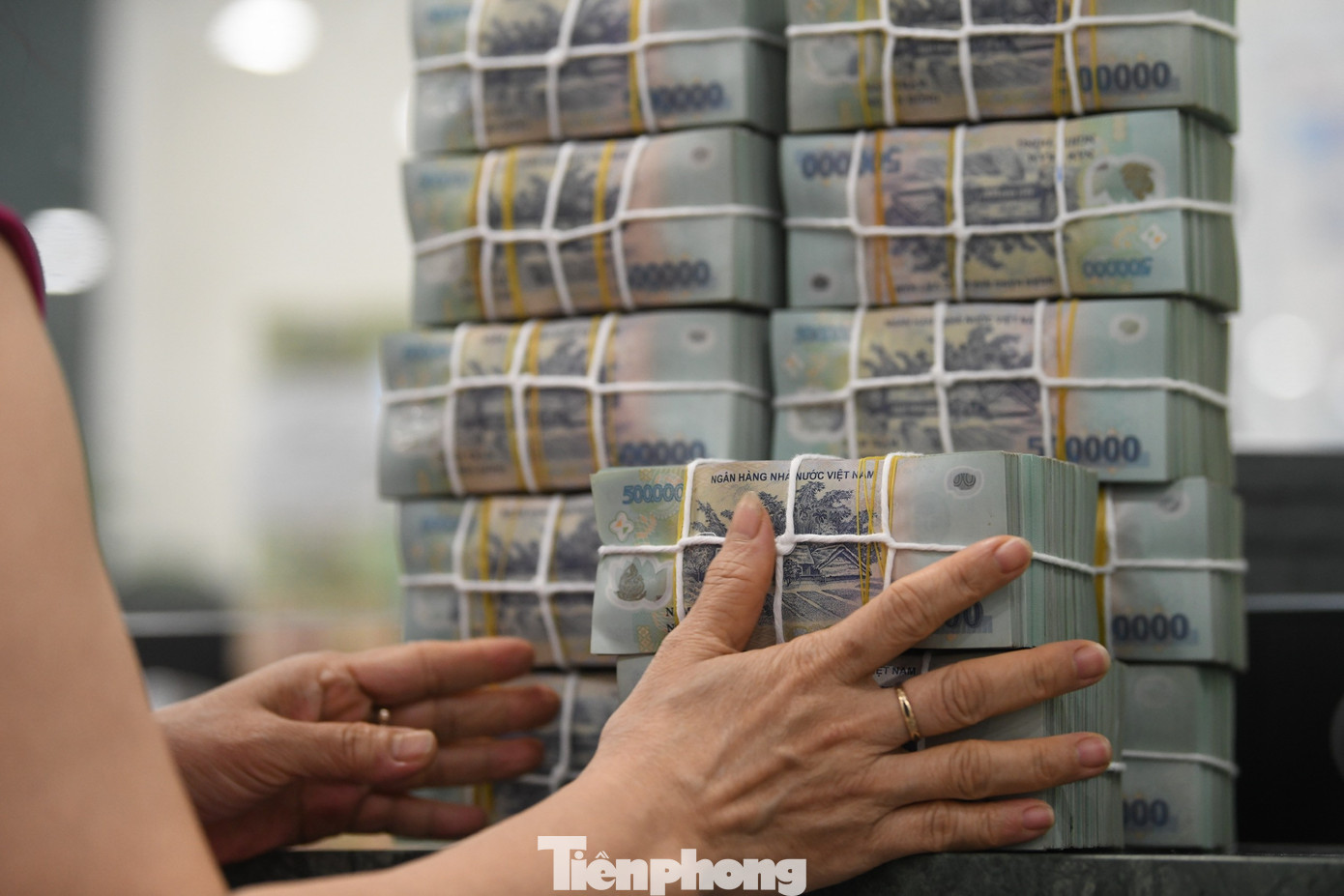
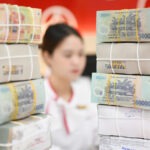
Real estate credit now accounts for 24% of total banking sector debt (photo: Nhu Y).
Amid credit growth pressures, banks are aggressively mobilizing capital, driving up interest rates. Overnight interbank rates hit 7% annually, increasing funding costs for banks and borrowing costs for citizens and businesses. Higher property prices coupled with rising rates further limit public credit access.
Hieu highlighted a paradox: “While US banks cautiously approach land-related loans due to their non-income-generating nature, Vietnamese credit heavily flows into land speculation. Banks play a role in driving up land prices.”
Nguyen Quoc Hiep, Chairman of the Vietnam Contractors Association, agreed that escalating prices fuel speculation, hindering genuine buyers and threatening economic stability. Most developers remain heavily reliant on bank credit for project execution.
The Ministry of Construction reported a 3% Q3 transaction decline year-over-year, with residential segments dropping 15% and inventories rising. “Surging prices amid falling absorption rates pose risks to banks and the economy,” Hiep stated.
Urgent Monetary Policy Adjustments Needed
Hieu urged stricter monetary policies, particularly capping real estate credit at under 20% of total loans to curb speculation. The State Bank should also introduce low-interest housing loans for genuine buyers. Without improving public credit access as inventories rise, a real estate bubble may materialize.
Hiep advocated for banks to differentiate between homebuyers and investors while tightening project credit safety criteria to stabilize markets and reduce bank risks.
Tran Hong Nguyen, Deputy Chair of the National Assembly’s Law and Justice Committee, emphasized refining real estate financial policies to curb price surges. She noted that abrupt credit tightening or loosening historically disrupted market balance, fueling speculation.
“Stable, data-driven credit policies targeting viable, high-utility projects are essential,” Nguyen concluded.
Central Bank Unexpectedly Raises Interest Rates on Forward Purchases to 4.5%: What’s Behind the Move?
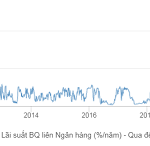
Following the overnight interbank interest rate surge to 7.48% per annum on December 3rd, the State Bank of Vietnam (SBV) unexpectedly adjusted the repo rate for collateralized lending from 4% to 4.5% per annum on December 4th. This move has sparked market speculation about potential ripple effects on the broader interest rate landscape in the interbank market, where transactions occur between banks, businesses, and individuals.
Dr. Nguyen Tri Hieu Warns of Bubble Signs in Vietnam’s Real Estate Market

The market is teetering on the brink of a bubble as supply threatens to surge, inventories swell, and housing becomes increasingly inaccessible for the general population.
The Year-End Interest Rate Race

Numerous banks, particularly mid-sized and smaller private institutions, are intensifying the competition by raising deposit interest rates in the final months of the year. As a result, deposit rates are reaching as high as 9% annually for customers depositing substantial amounts.
Skyrocketing Condo Prices Fueled by Weak Supply

Property prices in Hanoi and Ho Chi Minh City continue to soar, with many projects reaching 150–180 million VND per square meter. Experts attribute this surge not to speculation, but to a scarcity of supply, rising land costs, legal complexities, and a prolonged supply-demand imbalance.
Banking Sector Reaches New Heights: A Record-Breaking Milestone Achieved
This is unprecedented in history.