VinFast Accelerates Investment in India
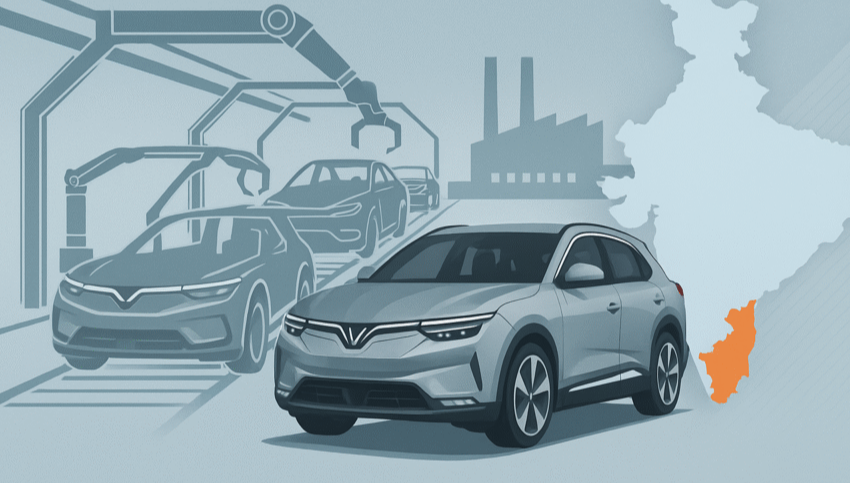
VinFast’s rapid investment strategy aims to transform India into a pivotal manufacturing and export hub within its global supply chain.
On December 4th, VinFast and the Tamil Nadu government signed a Memorandum of Understanding (MoU) allocating an additional 200 hectares of land in the SIPCOT Industrial Park, Thoothukudi. The company is also scaling up its production capacity from 50,000 to 150,000 electric vehicles annually.
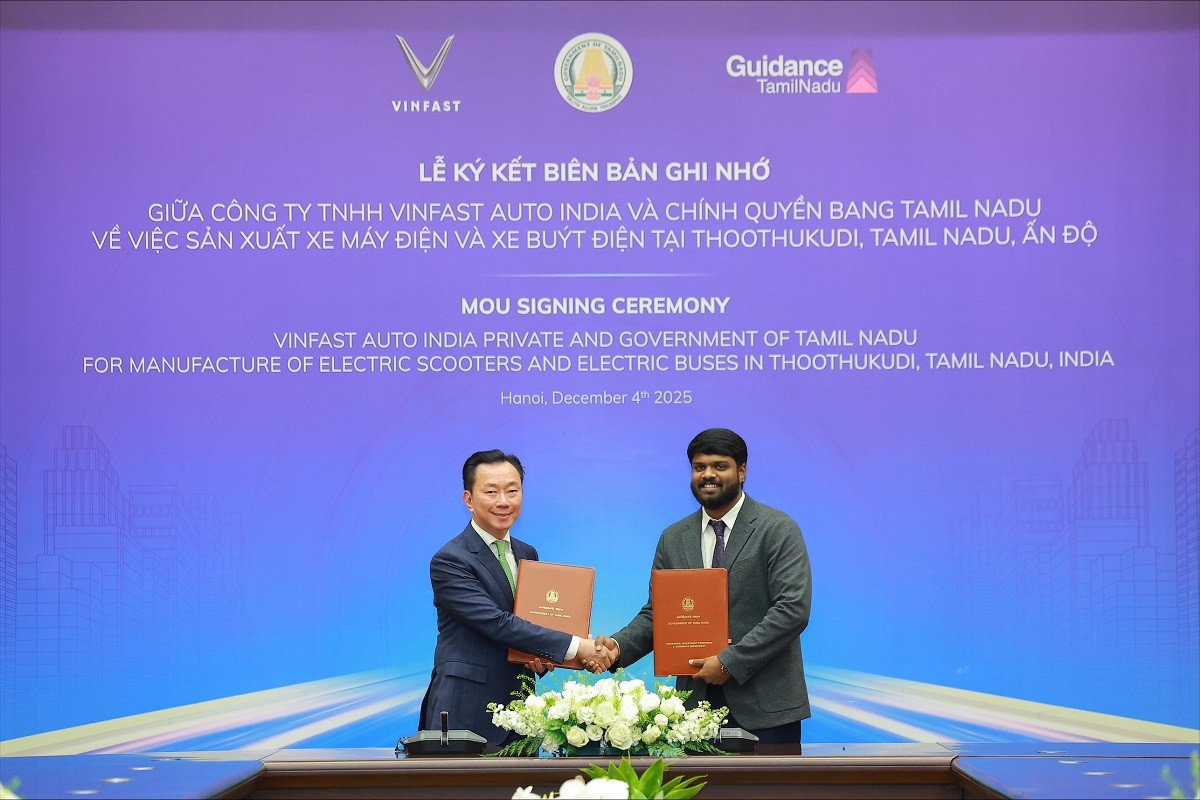
Signing ceremony between VinFast and the Tamil Nadu government.
VinFast plans to invest an additional $500 million (part of its $2 billion commitment) to build specialized workshops, supporting product diversification, including electric motorcycles and electric buses.
In terms of ecosystem and distribution, the company will launch the GSM (Green and Smart Mobility) electric ride-hailing service to establish a comprehensive green transportation ecosystem.
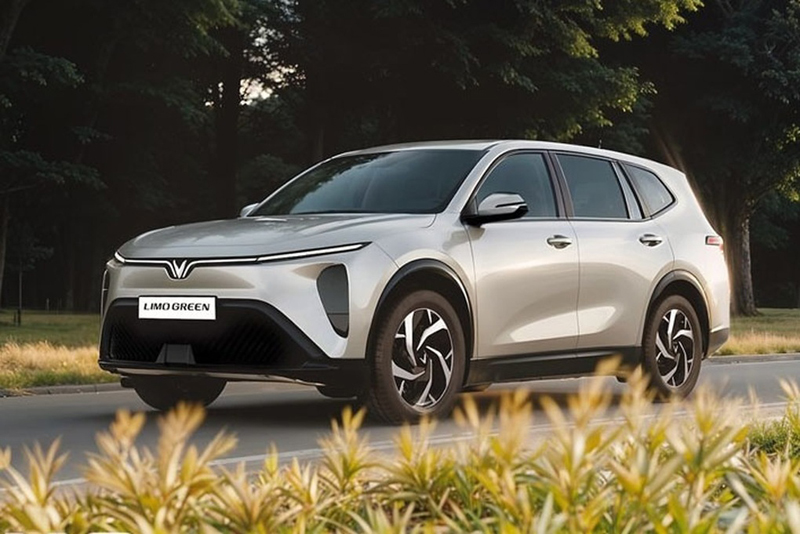
VinFast Limo Green exported to India.
Why is VinFast Going All-In on the Indian Market?
Firstly, the core reason lies in the scale of India’s automotive market. According to the Society of Indian Automobile Manufacturers (SIAM)’s October 2025 report, the market continues to grow robustly, indicating massive demand across segments:
Specifically, car sales in India reached 460,739 units in October 2025, up 17.2% year-on-year. Two-wheeler sales hit 2,210,727 units, a 2.1% increase from the previous year.
However, electric vehicle (EV) penetration remains low (under 5% of total sales), presenting vast growth potential.
The Times of India reports that electric two-wheelers (E2W) saw over 1.2 million registrations in the first 11 months of 2025, accounting for nearly 60% of India’s total EV sales. Passenger electric vehicles (cars & SUVs) reached 156,455 units by November 2025, a 57% jump from the previous year’s 99,429.
Secondly, competition in India’s EV segment is fierce. Alongside VinFast, major players like Tata Motors, Hyundai, BYD, and MG are investing billions in local EV production, offering consumers more choices across segments.
Expanding into electric motorcycles and buses is a strategic move by VinFast to target a broader consumer base and gain a competitive edge in this dynamic market.
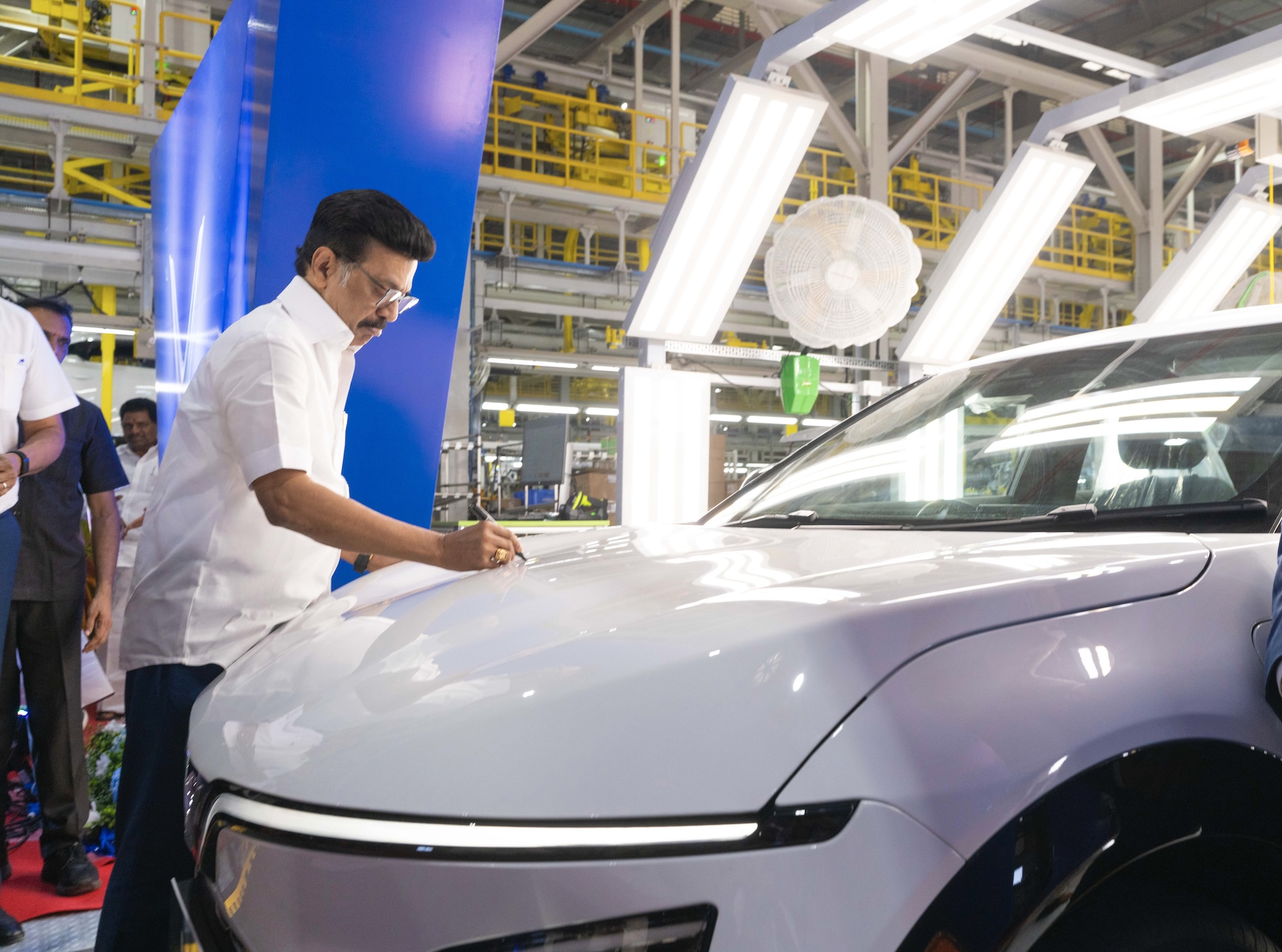
Tamil Nadu Chief Minister M.K. Stalin signs the first electric vehicle produced at VinFast’s Tamil Nadu factory.
Thirdly, VinFast is receiving positive signals in India. The Economic Times’ October 2025 report highlights VinFast’s promising start, even outpacing Tesla’s initial progress. In October, VinFast ranked among the top 8 EV companies by sales.
While India’s EV market is dominated by domestic manufacturers like Tata Motors, VinFast is gaining momentum in the fast-growing EV segment.
Lastly, India’s government policies are a key driver. New Delhi imposes high tariffs on fully imported vehicles, making exports from Vietnam less competitive.
Localizing production allows VinFast to leverage land, tax, and financial incentives, ensuring competitive pricing in the domestic market. This aligns with India’s national goal of achieving 80% E2W market share by 2030 (NITI Aayog report).
Electric Scooter Parking Ban in 40,000-Resident Apartment Complex: Legal Insights

The management board of HH Linh Đàm apartment complex has banned residents from parking electric vehicles due to concerns over fire safety risks and inadequate infrastructure. However, legal experts argue that this prohibition contradicts the city’s green transition initiative.
Prime Residential Complex in Hanoi Mandated to Provide Electric Vehicle Parking Solutions

The local authorities of Linh Đàm Ward have requested the management unit of the HH Linh Đàm apartment complex to ensure that they do not refuse electric vehicle parking services. Additionally, they are required to develop a plan for organizing designated parking areas.
VinFast Limo Green Set to Launch in India Next Year, Targeting High-Demand, Underserved Market Segment
VinFast expands its electric vehicle portfolio into international markets with the launch of the 7-seater Limo Green MPV.
Seamless Transition: Supporting Your Shift from Gasoline to Electric Vehicles

As of July 1, 2026, Hanoi will implement a timed ban on gasoline-powered motorbikes within the Ring Road 1 area. Residents are eagerly awaiting support packages, while electric vehicle companies are accelerating their efforts to prepare resources and infrastructure.
Hot: VinFast Considers Adding Gasoline Engines to Extend Range for Electric Vehicles

VinFast is reportedly considering equipping some of its electric vehicle models with small gasoline engines, primarily to charge batteries and extend driving range, according to Reuters. This strategy mirrors approaches taken by international automakers, addressing infrastructure challenges and boosting sales in global markets.