















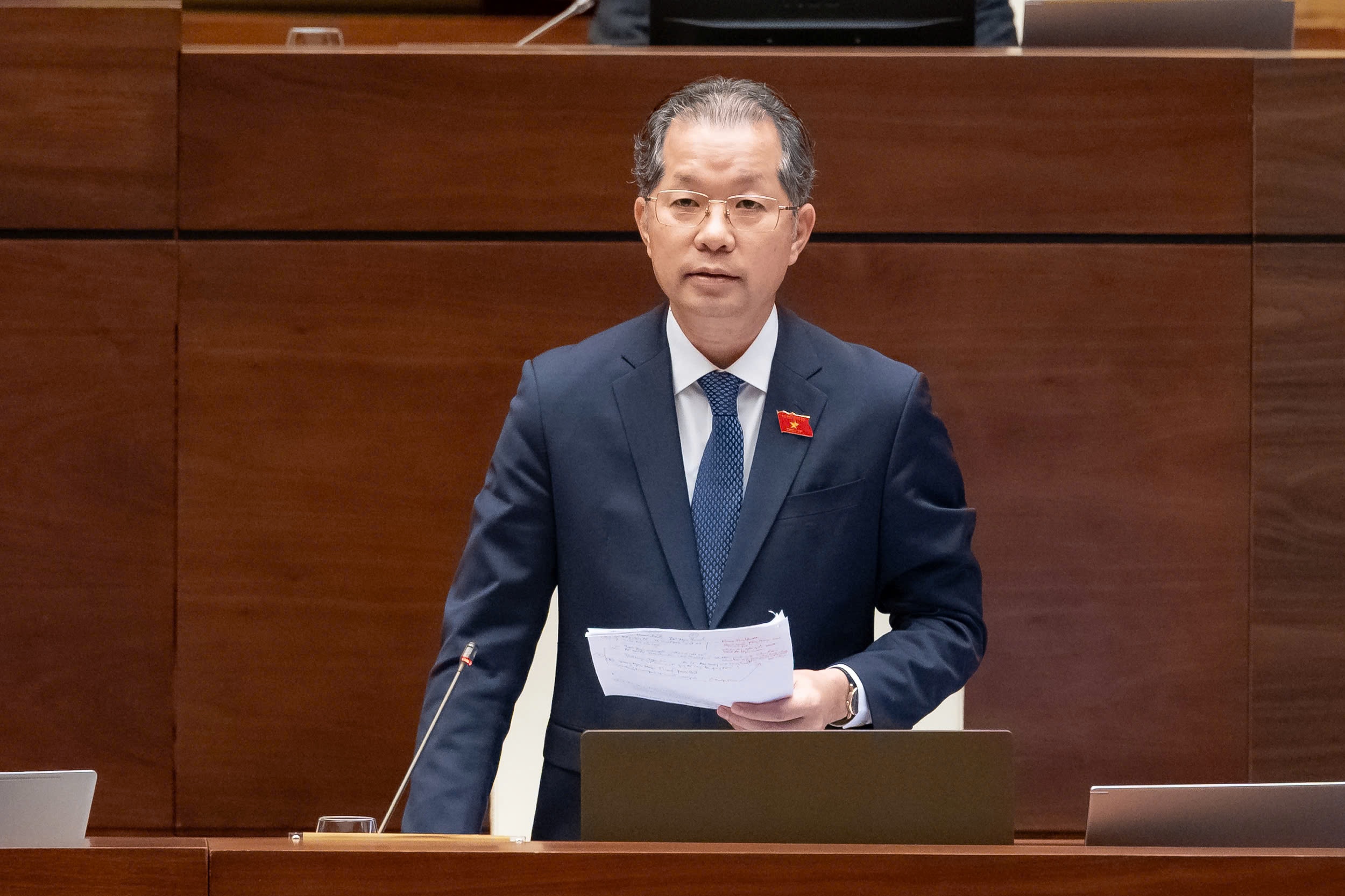
Chief Justice Nguyen Van Quang of the Supreme People’s Court addresses and clarifies issues in the National Assembly session.
|
Addressing the National Assembly, Chief Justice Nguyen Van Quang of the Supreme People’s Court emphasized that the draft law aims to implement Resolution 222 on establishing the International Financial Center. For an international financial hub to operate effectively, it must have an independent, transparent, and internationally compatible judicial mechanism, ensuring global investors can trust it when disputes arise.
Vietnam currently lacks precedent in establishing courts based on international models, particularly those rooted in common law—a system adopted by most major global financial centers. The significant gap between common law and Vietnam’s domestic legal system poses substantial challenges in drafting the legislation, particularly in terms of expertise, experience, and reference materials.
According to the Chief Justice, the new draft serves as an “initial foundation,” developed to align with international standards while remaining practical for Vietnam’s context. The goal is to create a competitive institution that encourages investors to choose Vietnamese courts over those in Singapore or Dubai for resolving financial disputes.
Key issues clarified during the discussion session
The National Assembly recorded 42 committee-level opinions and 7 plenary session opinions. Most delegates deemed the draft aligned with innovative directions and capable of creating a breakthrough in judicial services for international finance. Chief Justice Nguyen Van Quang addressed major issue clusters in his clarifications.
Regarding the recruitment of Court Clerks, the draft expands selection beyond judicial officials, aiming to train clerks as a high-quality pool for future judges, meeting the demands of common law-based adjudication.
On the court’s jurisdiction, several delegates suggested extending it beyond the financial center. However, the Chief Justice affirmed that Resolution 222/2025/QH15 explicitly limits cases to those involving at least one party registered within the center. The model is not intended to “compete” with the People’s Court system but to serve the specific needs of the financial center. Jurisdiction expansion will be considered in later phases.
Concerning the independence of the judicial system when specialized courts handle both first and appellate instances, the Chief Justice noted that the Operational Code will outline mechanisms ensuring independence between judicial levels, in line with common law principles.
Provisions on judge appointment mechanisms, jurisdiction demarcation with external courts, and an independent enforcement mechanism have been detailed in the draft.
Regarding the concept of “public order,” the Chief Justice stressed that this is a rapidly evolving area in international finance. Therefore, it should not be rigidly defined in the law but guided by the Code of Rules issued by the Chief Justice of the Supreme People’s Court.
For the composition of the Trial Panel and the role of the Procuracy, the drafting agency maintains common law principles, avoiding model hybridization that could complicate operations, while maximizing judicial independence.
Criteria for selecting foreign judges will be established by the Chief Justice of the Supreme People’s Court and submitted to the President for appointment, ensuring international professional standards.
Expedited draft completion
Concluding the discussion, Deputy Chairman of the National Assembly Nguyen Khac Dinh noted that all opinions focused on key issues, with broad consensus on the necessity of the Specialized Court Law. He urged delegates to submit additional feedback promptly for the review agency to finalize the report by the evening.
According to the schedule, the draft Specialized Court Law will be submitted for National Assembly approval on the afternoon of December 11. Given the tight timeline, the Deputy Chairman directed the Supreme People’s Court and related agencies to work urgently, fully incorporating expert and delegate feedback to ensure the highest quality submission to the National Assembly.
– 20:28 05/12/2025
Vietnam’s FDI Disbursement in the First Eleven Months of 2025 Hits a Five-Year High
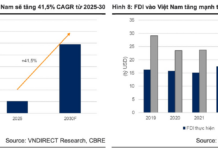
According to the General Statistics Office, Vietnam’s realized foreign direct investment (FDI) in the first eleven months of 2025 reached an estimated $23.6 billion, marking an 8.9% increase compared to the same period last year. This represents the highest level of realized FDI in the first ten months over the past five years.
Prime Minister: Crafting Superior, Competitive Policies to Pilot Free Trade Zones
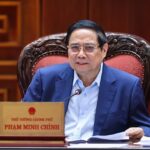
The Prime Minister emphasized the need to clarify the concept of a free trade zone, highlighting its similarities and differences with an international trade center. He noted that while there are commonalities in the mechanisms and policies for both entities, there are also distinct differences. The Prime Minister urged the flexible and creative application of existing regulations to effectively address these nuances.
Japanese Conglomerate Reveals Price Tag for Potential Takeover of Vietnam’s Pen Giant, Thiên Long
The Japanese conglomerate’s acquisition offer for Thien Long Group surpasses the current market price of TLG on the Vietnamese stock exchange by approximately 28%.
Global Capital Flows Prioritize Markets with Transparency and Strong Governance
FTSE Russell’s upgrade of Vietnam to secondary emerging market status marks a pivotal phase of growth, demanding heightened transparency and governance. While progress has been made, the ASEAN Corporate Governance Scorecard reveals Vietnam still lags behind regional leaders. As global capital increasingly favors transparent economies, elevating governance standards has become a critical strategy for Vietnamese businesses to seize new opportunities.
Headline: National Assembly Chair: “Every Investor Asks: Does Vietnam Have Enough Electricity?”
Investors visiting our country consistently raise concerns about the adequacy of electricity supply for production. National Assembly Chairman Trần Thanh Mẫn emphasized that ensuring sufficient electricity requires robust mechanisms and policies to drive development.