











Amid rising deposit interest rates and early credit disbursements, many commercial banks are scaling back or halting preferential loan packages for young homebuyers. This shift leaves many families, especially those with moderate incomes, struggling to secure housing in major cities like Ho Chi Minh City.
Recalculating Plans
Nhat Quang, a 32-year-old looking to buy an apartment in Binh Trung Ward (Ho Chi Minh City), shared that he contacted several state-owned commercial banks about loan packages for customers under 35. However, credit officers informed him that these programs had been temporarily suspended. “Two months ago, Agribank offered me a fixed interest rate of 6.3% per year for 18 months. Now, it’s risen to over 7%, and the preferential package for young buyers is no longer available, forcing me to reassess my loan options,” Quang explained.
According to reports from the Labor Newspaper, state-owned commercial banks like Agribank, BIDV, and VietinBank have all suspended their preferential home loan programs for young customers. An Agribank credit officer in Ho Chi Minh City confirmed, “All preferential home loan packages for individuals under 35 have been temporarily halted. The best available interest rate is now 7.3% per year, fixed for the first 18 months.”
In its latest announcement, Agribank stated it has discontinued several preferential home loan programs, including those for young buyers.
The bank has also stopped offering preferential loans for land use rights transfers and home construction or renovation. Only the social housing loan package for individuals under 35 remains active, with an interest rate of approximately 6.1% per year.
Similarly, BIDV confirmed the suspension of its preferential loan package for young buyers of commercial housing. Previously, this group enjoyed a fixed interest rate of 5.5% per year for three years, a loan term of up to 40 years, and no principal repayment for the first five years—an unprecedented level of benefits.
Conversely, some banks continue to offer preferential loans for young buyers but with adjusted interest rates. At Vietcombank, credit officers noted that the loan rate for young customers has increased to 7.3% per year during the preferential period, up from below 6% previously. Standard loans carry a 7.5% interest rate for the first six months, rising to 8.3% for the subsequent 12 months.
Among commercial banks, private institutions like BVBank, SHB, and HDBank continue to offer preferential loan packages for young buyers, though interest rates vary by property type and period. “With rising interest rates, the depth of these discounts has diminished,” explained a credit officer.
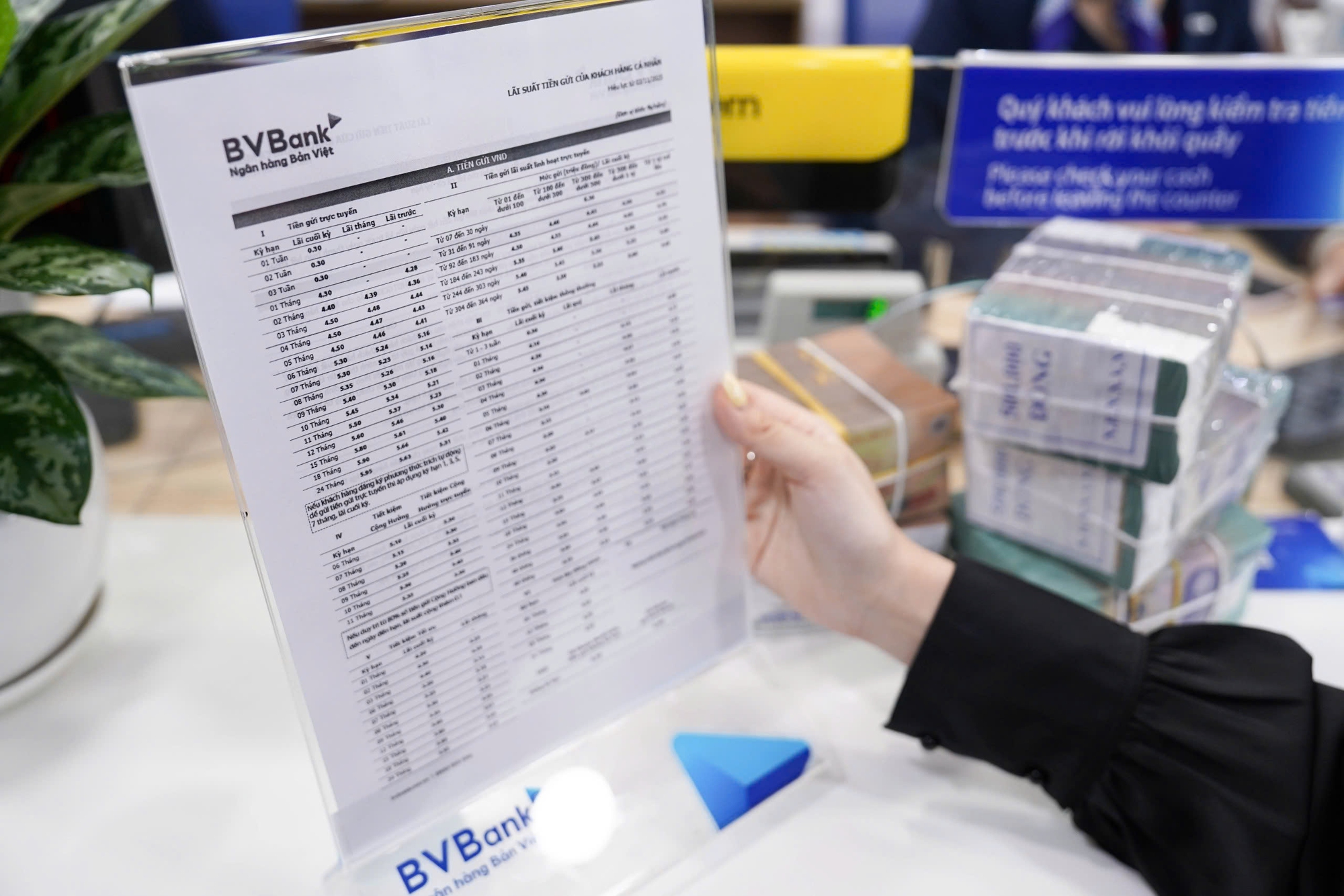
Several commercial banks have suspended or increased interest rates on preferential home loans for young buyers. Photo: DUY PHÚ
Impact on Housing Prices?
The widespread suspension of low-interest home loans for young buyers coincides with rapid credit growth and rising input interest rates. Some homeowners report receiving notifications of interest rate increases from their banks.
When asked if rising interest rates could curb housing price increases, Dr. Can Van Luc, Chief Economist at BIDV, acknowledged a potential impact but doubted it would reverse the trend. He noted that slow disbursements of preferential loans for young buyers at BIDV were not due to credit restrictions but rather a “lack of suitable housing supply and persistently high prices.” According to Luc, housing prices are influenced not only by loan interest rates but also by project development costs, prolonged legal processes, land auctions, and excessive profit expectations among some developers.
Meanwhile, a Vietnamese civil servant would need nearly 26 years of continuous work to afford a standard apartment. Comprehensive solutions are required to address the root causes of escalating housing prices. “Regulatory bodies must expedite institutional improvements, standardize land and real estate market data, and address long-standing inefficiencies,” Luc suggested.
Regarding future lending rates, Dr. Luc predicted moderate increases, as the government has directed credit institutions to control interest rates to avoid economic shocks. “Banks must reduce operational costs, lower profit margins, and restructure capital portfolios instead of sharply raising lending rates,” he forecasted.
Financial expert Dr. Nguyen Tri Hieu warned that despite improving project supply, housing prices remain out of reach for most citizens. This has led to rising inventories, poor market liquidity, and stagnant prices. He cited State Bank data showing that by the end of October 2025, total credit had grown by approximately 15% year-on-year, projected to reach 19-20% by year-end—the highest in years. Real estate credit accounts for nearly 24% of total outstanding loans, with property business loans increasing by nearly 24%, double the growth rate of consumer loans. “Rising deposit rates increase borrowing costs for homebuyers. Real estate credit should be tightened to reduce its share to below 20% of total outstanding loans. The State Bank must support banks in lowering lending rates to improve capital accessibility for individuals and businesses, fostering economic recovery,” Hieu stated.
Directing Capital Effectively
Financial expert Dr. Tran Nguyen Dan argued that proposals to tighten real estate credit are not without merit. Uncontrolled credit expansion for speculative investors inflates housing prices, exacerbating the shortage of affordable housing. Additionally, the high proportion of real estate loans increases systemic banking risks. A downturn in the property market could trigger a cascade of bad debts.
However, Dan cautioned that blanket credit tightening would not address the root causes of high housing prices. Selective tightening, targeting underperforming developers with large debts and opaque governance, is necessary. He cited China’s “three red lines” model, which requires companies to meet financial safety criteria before accessing credit, suggesting Vietnam could adapt this approach.
According to Dan, real estate credit should prioritize first-time homebuyers and affordable housing projects priced under VND 3 billion to stimulate genuine demand, rather than funding financially strained developers or investors. Maintaining reasonable input interest rates, banks must clearly differentiate loan needs and prioritize projects with strong execution capabilities, transparent legal frameworks, and genuine housing purposes. “Credit should not be used to bail out weak companies. Capital must be directed effectively to ensure a healthy market recovery,” Dan emphasized.
S.Nhung
How Will the Stock Market React as Interest Rates Begin to Rise?
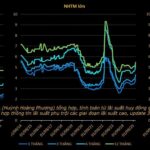
Interest rates on deposits across numerous banks have risen across various terms, sparking concern among many investors.
Home Prices Skyrocket to Three Times Average Household Income
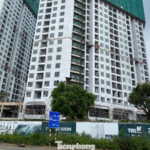
While average incomes have risen by a modest 6-8% annually, housing prices have surged at a staggering 12-20% per year over the past decade. This persistent disparity has widened the gap between financial means and property values, creating a growing affordability challenge.
“Soaring Home Prices Erode Affordability, Posing Risks to the Broader Economy”

Despite a gradual improvement in supply, housing prices remain stubbornly high, with major cities setting new record levels. The widening gap between sale prices and average incomes is making homeownership increasingly out of reach.
The Year-End Interest Rate Race

Numerous banks, particularly mid-sized and smaller private institutions, are intensifying the competition by raising deposit interest rates in the final months of the year. As a result, deposit rates are reaching as high as 9% annually for customers depositing substantial amounts.
Massive Real Estate Inventory: From Businesses to Banks
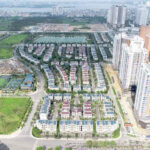
According to the Ministry of Construction, the inventory of the real estate market in Q3 this year reached approximately 18,650 apartments and individual houses, marking a 37% increase compared to the previous quarter. This includes 6,323 condominium units, 12,327 individual houses, and around 8,067 unsold land plots.